Data Analysis in On-trade: how to systematize your approach to bars | Part 1/2 of the Interview with Dom Bowcock, Co-founder of Bowimi (London, UK) | 008
Summary
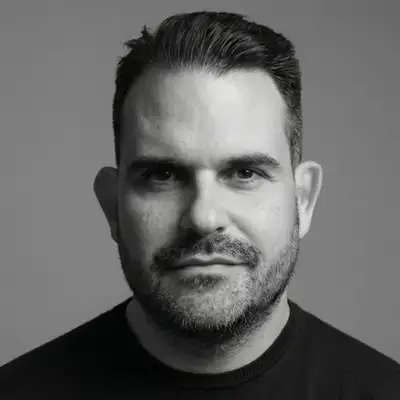
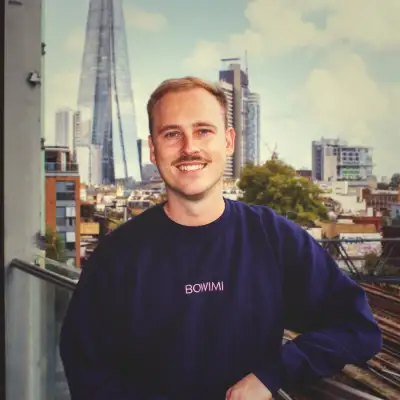
In this episode, Chris Maffeo spoke to Dom Bowcock, Co-founder of Bowimi. They spoke about the importance of having a simple system to capture and analyze data to identify which customers to focus on. They discussed the importance for brands to secure new accounts and nurture relationships with existing ones so that their products continue selling well. They chatted about how small-scale experiments are beneficial when trying out different strategies across various venues - but balance is key to gathering useful data points without causing paralysis by analysis. We hope you enjoy the conversation. Share it with friends, click follow and rate it if you liked it. About the Host: Chris Maffeo About the Guest: Dom BowcockI'm Chris Maffeiro, a drinks industry adviser and founder of Maffeiro Drinks, host of the Maffeiro Drinks podcast. In this episode, I had the pleasure to interview Dom Bocock, the cofounder of Bohemia. Dom and I met on LinkedIn a couple of years ago and I was impressed by his CRM system Bohemia as it is hands on and you can see how it has been really built from the bottom up. The reason why I wanted to have him as a guest and I'm really happy about it is that he works with sales teams every day and he knows their struggle and needs both from a founder perspective but also from a sales rep perspective. So we spoke about all things about selling to bars from planning where to sell to how to do it.
Chris Maffeo:And I hope you will enjoy our chat. Hi. Hi, Dom. How are doing? Thanks for thanks for being a guest on the Mafel Drinks podcast.
Chris Maffeo:Welcome.
Dom Bowcock:Thanks a lot, Chris. Yeah, no, really excited to be on here. So really appreciate you having me on. I'm really excited to Yeah, go through a few of the questions.
Chris Maffeo:Fantastic, fantastic. So let's start. First of all, I mean, are you calling from?
Dom Bowcock:I'm in South London at the moment. I can just about say it's sunny South London. It's been bit miserable over the last few months, but we've just about reached the summer. Just starting to see a few different types of drinks coming into the beer gardens at the moment.
Chris Maffeo:Thinking about your experience and what you do with Bohemia, I was thinking of doing a little bit of a different set of questions that I that I've got prepared here for for you since you're not an actual brand owner in the in the in sense in the sense of like a drinks drinks brand. But obviously, I mean, you're a business owner, you understand the issues very, very well. So we met met through LinkedIn some time ago. I don't know if it's what, like a couple of years back, I guess. And I was thinking like, you know, my my mantra, the that brands are built from the bottom up.
Chris Maffeo:So what does what does that mean for you in terms of, you know, like for you as a a business owner, but then also, you know, for the brands that are using Bohemia as a platform and that you work with daily?
Dom Bowcock:Sure. I mean, yeah, I mean, we I think we probably met over LinkedIn, because I saw everything that you were talking about was if we had to write a script about what we believe, it was sort of just that. So it fitted perfectly. This idea of being built from the bottom up is so on point what we've tried to do with our platform. So I think, yeah, the idea of sort of building from the bottom up is so essential.
Dom Bowcock:There's, I think there's almost a slightly romantic idea when everyone, I think everyone at some point in their life probably has an idea for a food or drink brand, right? It's you know, it's just something that everyone wants to do. Now the people who actually get to the point of starting it, great, that's fantastic they've got there. But I think there's then also this sort of romantic idea that you're going to come up with a product which has a lovely taste and lovely packaging. You And get into the big chains and then you buy your yacht.
Dom Bowcock:Whereas actually, the idea of building up a brand and a food and drink, I mean, it's similar for all companies, but and startups, I suppose, but especially in food and drink and drink in particular, it's something that involves and something that you've really got to learn from the frontline. I think, you know, it's something where that frontline of knowing what you're getting feedback from customers, getting feedback from buyers, suppliers is so crucial to then actually understanding what the end product will be. And what's funny is in a way we've built our business as a software company, only because we've constantly been talking to our customers, been building what they want to know. And then very similarly, you know, with drinks brand, what you first come up with is going to be so different than the end product. And I think there's so much you can do as well, before even getting to anywhere near the end.
Dom Bowcock:I've got really nice example, there's a rum company we work with called drop works. Now I say a rum company, they don't they've I think they've only just got their first drop of liquid. But what they've been doing is even whilst waiting whilst they're building the distillery, loads loads of sort of different moving parts, they've been going around to bars, they've been speaking to the bar owners, to the bartenders and say, okay, you know, if we are going to come into this category, what are you lacking? What do you think is really going to help speaking to the consumers? And before they've even got one drop of liquid out there, they've understood what's going on on the ground, so it can start to form, rather than doing the other way around, which doesn't really make any sense.
Dom Bowcock:So I think it's a hugely important part of building a brand like that.
Chris Maffeo:Nice, nice. And do you think this applies only to smaller brands? Or do you think this is actually like something that the big brands should actually
Dom Bowcock:live I think it's 100 something for both. Think there's so with the small brands, as I was saying, there's so much you can learn from it. I think so you know, for taking an example, we there's a sort of creating a set list of data points and just saying, Okay, I'm going to go out to these potential stockists that I've got these potential customers, I just need to find some basic things which can then guide me. And you can even turn negatives into positives. So we had a customer that and they were getting loads of negative responses.
Dom Bowcock:Thought we'd do a bit better than this. And so they actually, know, one of the data points they're recording was, okay, if you don't make a sale, well, why is that? And they had some set options. And one of the options was packaging. And it just turned out that their packaging, their bottles were pretty too big for most of the fridges.
Dom Bowcock:And so but they wouldn't have found that out unless they'd gone to the, you know, been on the ground and speaking to those venues. So I think something like that is obviously a big learning for a small brand, you know, just something as small and trivial and what what they're able to do is then spin that around, change their packaging and sell get back to all of those venues and say, Here we are. But I think the with the larger brands, it's so important as well. So I think the the example I always think of is, in The UK, Guinness recently became the most popular pint, which actually for pretty premium product is, you know, overtook carling and is very, very impressive for a company like for Diageo to achieve that with a premium product. But one of the reasons is because even though you get Guinness in pretty much every venue, they are still so religious about going in and making sure is it in the glassware?
Dom Bowcock:Is bartender pouring it correctly, you know, letting it settle? Are they wearing T shirts? Do people you know, is it in the right places at the right time if the sport is showing? And I think they're such a good example of someone who they could have happily gone, brilliant, Guinness is in every venue, let's put our feet up and move on to the next product or move on to the next market. Whereas actually, what they've done is they've doubled down and they've really gone, they've been in every venue that they're selling through and making sure that even though it's stocked in there and selling that the actual purchasing experience for the consumer is correct.
Dom Bowcock:So now I think it's something that goes right up to the very, very top even with a company like Diageo.
Chris Maffeo:Absolutely. And actually, it's pretty spot on with my experience because yesterday I was at an event. I'm a member of the Czech Irish Chamber of Commerce here And in we actually had a meeting. We had one of these monthly meetups in an Irish pub here. And I had a couple of Guinness, which is quite rare to find here in Prague because, I mean, this is like a pilsner land.
Dom Bowcock:But
Chris Maffeo:as you said, like even here where you know it wouldn't be let's say a priority market so to say, experience was like always perfect and you know you always have to wait you know, like some time, like to get to get the phone to, know, to settle down and then you get it and and the and the experience is is consistent to whatever you found every everywhere. And and what I was when when you were talking, I mean, I was even thinking about the the fact that I feel, you know, the the on trade specifically, it's very similar to, you know, for motes, for for small brands and big brands, I feel if you haven't done the homework right, you know, from the beginning and you got to a certain stage of your brand, you scaled up in the off trade too quickly, then you always have to go back to the on trade and relearn you have to do. And I guess this is something that you're probably experiencing with, let's say companies that come in and call you to use Bohemia, well, they were using a much bigger CRM system and tool and software.
Chris Maffeo:And they actually have to kind of like scale back to really understand the nitty gritty of the other business. I right? Without mentioning any name, of course.
Dom Bowcock:No, yeah, 100%. And you know, in The UK, for example, we've got a few big supermarkets, for example, which you can, which are actually quite good at giving chances to small brands, it's very hard to actually get the sell through once you're in. But I think what can often happen is, know, yeah, you can think, Oh, I've been successful in the on trade or in D2C. So naturally, I'd be you know, why wouldn't it sell well, you know, in the on trade. And we've got customers who use Bohemia for multiple different channels.
Dom Bowcock:But when you can't have a sales pitch, which is the same for both channels. You know, if you're selling to convenience stores, that is so different to if you're going and selling to a premium restaurant, a premium cocktail bar, even you know, just a nice pub. So I think it can be a shock to the system for a lot of companies. And it's something where even it's fascinating, I've even seen people who think they have a link to the on, you know, they might have had a previous role at a large corporate or they might have had a previous and then they get there and go, oh, actually, I might not know as much as I thought. And so it really is a sort of yeah.
Dom Bowcock:It's definitely a wake up call for a lot of people when they actually cross cross the threshold of the venue and go, oh, this is definitely different to what I expected. So yeah.
Chris Maffeo:I can imagine that. And and okay. Let me let me ask you a question. Like, it's a it's a bit of a controversial question on on on my posts on LinkedIn when I when I when I when I write about this. So do you think it's better one case in one bar or six bottles in six bars?
Chris Maffeo:What's your take?
Dom Bowcock:Yeah, I it's an interesting one. I mean, what I'm gonna go with one case in one bar. The one caveat I'd say is if you can get to six bars, then at least you can learn from different points of view rather than just one point of view. That said, I think especially with spirits, and we I think we'll go on to the difference between beer and spirits. But like with spirits, it's not not impossible, know, to get your spirit onto the back bar, know, getting them adding another spirit onto the shelf, fine.
Dom Bowcock:But if you don't sort of nurture that relationship, then, you know, it's completely pointless. And I think if you and when I say nurture relationship, you've only got a certain amount of resources. So if you can only nurture the relationship with one bar, then just stick with that. And I used to be at I actually used to work at Kantar, which was a market research company. And we used to work with a few different large corporates.
Dom Bowcock:And one of the biggest things they, you know, trial was a huge part of it. And I remember hearing that the, I'm trying to remember the phrase, it was the, the corridor of decision, the decision corridor, where sort of going into the bar, normally people when they wander up the
Chris Maffeo:last Oh, they've thing you wanted to half the purchase maybe.
Dom Bowcock:There we go. Yeah, yeah. And they, and like, when when you wander up to a bar, you don't wanna look foolish. You and so normally, what people do is they wander and they've got sort of something in their mind or they panic when they get to the bar when the the barber actually gets them and goes, what do you want? And they'll just go for something straight away.
Dom Bowcock:So if you've just got your product in, and it's just sat there on the shelf, because you're trying to deal with a load of other venues, then it's just gonna gather dust and the and the the venue is eventually gonna ask you to probably try and buy it back. Don't I don't want this. And so I think being able to make sure that, you know, if you get that case in, you know, really understanding how and and, you know, something you talk about so much and so well, which is you're not selling to the bar, you're they're they're the ones who help sell you and they're not selling to the venue. They help sell you to your end consumer. And so stop trying to think about how to get them to buy it and start trying to think about how you get their their customers to buy it.
Dom Bowcock:Yeah. Because then if you get good sell through and it's selling well and better than the other products that you know, you won't need to go back in to try and sell another case, they would probably already called you up or gone through the distributor. So I think it yeah, 100% keeping it small and focused on a small sort of small scale experiment initially, or you'll learn thousand times more than just spreading yourself too thin.
Chris Maffeo:Yeah. And I mean, I hear what you say. I mean, to be honest, like it goes also with, you know, when I wrote that, that when I drew that drawing back back in the days, you know, I I obviously I obviously had a point in the in the one case in one bar is better than six bottles and six bars. That said, of course, like when you're starting, like you will start with, one bottle in one bar. So six and six basically.
Chris Maffeo:But then as soon as you get some traction and as soon as you get some results, then you need to be able to capitalize on that. Because especially if you are a one man band, then obviously I mean going around like giving and selling one bottle to one bar each time it's going to be very, very time consuming. So I hear what you say that it goes with time, but I feel lot of brands are spending much more time in driving distribution and so in what I call hunting than in farming and really developing the rate of sale, the rotation, the velocity into the account. Am I right? I mean, what do you see in in your experience with your brand?
Chris Maffeo:Am I right that there's a much more focus on hunting than on farming?
Dom Bowcock:Yeah, I mean, I think there is naturally. I mean, it's sort of any salesperson is like this, right? They just even before they've closed, they're like, nice one, that's in the back, what's my next big opportunity? And actually sort of making sure that you sort of really focus in is something that a lot of brands don't do well enough. And actually, look at, we've started working with a few, you know, bit more successful, they're not corporates, but some of the there's a beer company we're working with who's done very well in The UK and that, you know, their drive to make sure no, we're not just gonna be trying to get into everywhere and making sure you go back into those existing ones and actually learning what you've done right.
Dom Bowcock:I think that's the big thing. If you do get sell through, don't go, Oh, brilliant. Let's move on to the next one. Go and ask them why, you know, why have consumers loved your product and then use that to sell onto the next. So I think, yeah, it's definitely something that we see a lot.
Dom Bowcock:And I think also with the larger brands that I think you, there's so many brands which do very well in a particular sector and a particular market. And then if they don't continue to do that, what's going to happen? So I think of not going to name names here, but there was a brand in The UK right now, or a few years ago who did incredibly well, they swept across the nation. And they then went right now we're going to crack US Europe. And what's that what has then happened is there's been a load of other similar brands have gone, Oh, they've done it really well.
Dom Bowcock:What have they done? Well, what's my take on that and then gone to all the venues where they've actually managed to get in and sort of start to take eat that share. Now, if those other markets don't go well, what are you falling back on? And they've sort of come back to this market and gone, oh, hang on a sec, that hard work we've done, you know, and all of those accounts, which we were the sort of the groundbreakers to get into, people have sort of copied and done it slightly better. And now they've taken a lot of our share.
Dom Bowcock:So I think, you know, making sure you build up that core is so important. Because if you lose that, hard work's gone, and you've burnt you've burnt a really good lead. And so yeah.
Chris Maffeo:Absolutely. And and and and and to build on this one, like, I mean, I I think, like, I'm a I'm a big fan of winning in your home turf before venturing abroad. But then you obviously need to secure that that space. And for me, it's very much about are you focusing on the right occasion and on the right target outlets? It make sense for that bar to sell my brand?
Chris Maffeo:Because if I just got lucky and drove distribution, but for them it doesn't really make sense, know, they just did it either as a favor or either because I invested on it or either, you know, through distribution because I'm with the right wholesaler, you know, and I'm the right brand at the right time. But then what does you know, how does it work? And what is your experience on, you know, to build on this on, you know, how do they, how do, let's say the brands that you work with or I mean, you see when you're when you're talking to people, how do they select bars to sell to? Yeah, if there's a pattern that you are, that you are seeing?
Dom Bowcock:It's a really interesting question that I think the first question is, are they selecting them? And I think sets and we sort of were as it's a funny situation, because we're not as a software company, we're not there to tell our customers what to do, you know, we're providing a platform which they use. However, what we do slightly differently is we will say to them, based on, you know, the way we've seen other customers use the platform, you know, we could suggest this and suggest that. And I think what's always really scary is when a you know, a customer comes on board, and they're really, you know, they're bright eyed, bushy tailed, really excited about going in and selling their product. And they're like, right, I'm going to step out my door, and everything in my way will get sold to.
Dom Bowcock:You know, trying to sort of pull back that enthusiasm and be like, wait, stop, take a step back. And I think a big thing is how do you measure success if you don't initially set your target. And so if you just go walk out the door and be like, right, I'm just going keep selling, keep selling until we're a global brand. You're never going to have metrics of success. So I think the companies we've seen who have done really well with this is they've they don't have to know the end answer, but they've got an they've got a hypothesis about what their what their brand fits.
Dom Bowcock:So okay, I know that my company is, know, we're recently the new spritz company. And they were saying, right, we've the big orange spritz has done very well, how can we sort of, you know, how can we provide something that might be a bit more premium and different? So they've sort of gone right, let's find, okay, it suits the outdoors, we want places with outdoor space, it's a bit more premium. So we want these geographies, because actually, we don't want students. So let's ignore the sort of student y areas.
Dom Bowcock:We want somewhere that's got a bit more affluence. And they've they were very meticulous. And before they even ever went out the door, they were like, right, let's choose these 50 to 100 venues. And let's just see what they say. Because at least from that, and let's try and let's try and win 25% of them, for example.
Dom Bowcock:And then if not, why has that happened? And if yeah, and with those ones, why has that? And if you don't take a step back to understand what's happened with those in that initial experiment, then you're never going to learn something and you're just going to sort of end up winding up in this sort of chaotic, you know, treading on each other's toes, not not knowing what's going on. And so, yeah, I think what you said, there's the occasion, which I think is really important. I think, I mean, interestingly, seasonality as well.
Dom Bowcock:So we had a brand we're working with who, although you know, traditionally beer is drunk in front of a lot of sports, or at least in The UK. And I presume everywhere else. UK, US, especially everywhere. Exactly. And I think what and they sort of said, well, actually, can we can our products which a bit different, but can we sort of get into that market?
Dom Bowcock:So what they did is they were their products were selling quite well in other areas. But over the summer, they basically went right, let's try and get in every place that's got what you know, showing sports for the World Cup. And they were able to then plot on a map, 150 venues showing sports. And then from there, just before the World Cup, they they went right, get, you know, don't think about anywhere else. We just want to do a blitz on venues of you know, this particular is this category, okay, tick.
Dom Bowcock:So we're not just going to show go to anywhere. But then actually, we're focusing on sort of this type of consumer in that is showing sports. And just due to that seasonality, they're able to do incredibly well during and almost associate their product with that occasion by looking at that sort of season. So I think thinking about major events is also a really interesting way of picking where you're going to sell to as well.
Chris Maffeo:Yeah. And this is like just just like listening to you like and on on my previous experience, like I've got the feeling that brands are a little bit like too reliant on target consumer, like on demographics, like I want to have whatever, like 18 to 25, you know, legal drinking age, of course, depending on where you are in The U. S. Or in The UK or whatever. But so legal drinking age up to whatever 25 years old or, you know, like affluent or all these things.
Chris Maffeo:I mean, you probably get it in your previous experience like, you know, ABC plus and all this sort of sort of things. But and also that has a repercussion on the areas because then you would say, okay, let's focus on Mayfair, let's focus on Shoreditch, let's focus on, you know, whatever, West London, North London, South London and so on. But in my experience, what I've noticed is that very often, like you are misled by this situation, you know, like this information because you may target a certain areas, but that's because everybody, you know, everybody can do that. So everybody will end up going. It's a little bit like the, you know, the 50 best bars issue.
Chris Maffeo:No, like, I mean, it's easy to Google it and basically find where they are. And, you know, everybody, all brand owners are going to go there. So, do you find that, you know, this information is a bit like misleading and probably actually going in a more granular level, you know, will actually give you some surprises in terms of, actually I never thought about actually going to this neighbourhood with this other brand. Maybe, I don't know, with a more kind of like, let's call it like a hipster brand going into some spots in Mayfair or vice versa, you know, like bringing, let's say, West London to the East or East London to the West or like, you know, blending in into this kind of like hybrid solutions that are actually much more a Blue ocean strategy, so to say.
Dom Bowcock:Yeah, absolutely. I mean, I guess the, you know, never using yourself as a case study, I think is so important. And just because in your head, if I've got my brand, and I go to you know, I'm a I don't know, I live out in West London. So I'm using very London based examples here. Know you've got lots of international, but West London for everyone who hasn't been here, you know, very, know, nice and suburban, quite leafy, lots of nice sort of gentrified pubs.
Dom Bowcock:Just because your product might fit well there doesn't mean that there might be a really interesting audience somewhere else. And I think that and not using your own. I think it goes back to so you know, my time and I was at Canton. So market research doesn't have to be something that you pay millions for at a corporate level. It's something where you can just listen on a small scale.
Dom Bowcock:And if there is something interesting there, then actually, right, how am I going to how am I going to double down on that? And I suppose those examples with what you were saying, even if it doesn't seem like a natural fit, because certain things are saying it, you know, if you're listening to people and listening to what they want, that you know, there might be a huge opportunity there. But you're not going to find that out without, you know, actually speaking to people on the ground without speaking to the bar owners and really understanding what they're looking for. And then they can guide you, because ultimately, they're going to be the ones who are purchasing it. Yeah.
Chris Maffeo:And actually like building on this, like this is a nice bridge to my next question, which is like on I mean, you are a software company, if I may. We live in this era of like big data and analytics and analysis and so on. So I've got the feeling that sometimes, sometimes like we tend to actually track what's possible to track rather than what should be tracked. Right. So it's a little bit of a kind of like a vicious circle and a catch 22 if you if you if I may.
Chris Maffeo:And what do you think? I mean, you mentioned like it doesn't have to be an expensive research and so on. Like what's your experience in working with smaller brands? What do you see in terms of, you know, like data that people want to have? And also in terms of like, for example, I'm a big fan of this kind of like small experiments in okay, like go to five bars, test it, go to another five bars, test something opposite and then see what's working best.
Chris Maffeo:Like do people do that? Like do you see that in your everyday with brands you work with or?
Dom Bowcock:Yeah, I mean, full. I guess there isn't one theme, I think we unfortunately see two very different ends of the spectrum. And it just it really depends on the personnel. So we see, you know, we've we've we see some people coming in and actually when they if they haven't had a platform where they can easily record data, sometimes people get very excited and they're going, okay, I've moved away from my Excel spreadsheets, this is so easy just to input the data. And they'll go crazy.
Dom Bowcock:And suddenly, if it's either them or maybe it's their, you know, the rep they've just hired, and the rep stood there for ten minutes trying to fill in all these data points. And you know, they stood there going, you know, writing an essay about what's just happened. And with that, then sort of have, you know, paralysis by analysis, you're just there's not, there's nothing you're getting out of it. So, you know, data has useful. To Being data driven can be something that you can do on a small scale, but you don't want to overload it.
Dom Bowcock:On the other end of the spectrum, of going back to what we were saying before, I think there's a lot of companies who are missing out on some really interesting data points. You know, if you, for example, you know that if you're going in and just trying to sell, but you're not recording, okay, if you're stocked with a distributor, let's say, If you're just recording that that distributor, yes or no, is stocked, well, what about the other ones? And you might suddenly see a really interesting trend that all of the bars that you're going to have this particular distributor they buy from. But if you're not asking question, you'll never realize that you should actually be trying to sell to them. If you can then turn around and say to, you know, I think the pitch to a lot of distributors look how delicious our product is, you know, but they've got 1,000 other brands who are saying the same thing.
Dom Bowcock:Whereas if you can actually have a simple data point which says, you know, hey guys, we've just tried to, or we're doing direct sales to a 100 venues or maybe we've just tried to sell to a 100 venues and they really want to buy our product, But they use you as a distributor. Here's the data because we've recorded it. Suddenly, you know, you're not you're getting you're asking them to take on board your product by the data in front of them, not just out of personal preference, and it should be a no brainer. Giving so I think that's
Chris Maffeo:them, them sorry to interrupt, the you're giving them also, you know, like basically like a full package of customers that are going to turn in margins for them, basically for free.
Dom Bowcock:100%, you know, it's going back to what we're saying, try and sell to them, you're literally telling them how are you're going to sell your products, you're giving them a list of people you've already said yes. And I think also with the sort of the collection of data, think a bit sort of outside the box as well, like, okay, if my product, I don't know, you could think of cuisines and sort of say, you know, does this work really well with x cuisine, you know, to a bit of a push because we're going to try we know that this is a, I think I remember hearing you say, okay, certain products are now being eaten with, know, Mexican food, for example, which is coming in. And can I, or I mean, what I really liked the data point, which a few customers have started using is and I say data point, this isn't a data point, it's just a question that you can add on to your end of your the survey that you're doing at the venue, which is interesting fact about the manager? Now, if he's got, he or she have got, you know, thousands of customers and hundreds of reps coming through the door just walking in trying to, you know, either ordering or telling them about the product, how are you going to sort of stand out?
Dom Bowcock:So we've had a few customers who have this little question at the end. So next time you go in, you can know, right, I know who their distributor is, I know which competitor stocked in there, I know what type of venue this is. But also I know that the fact that they support Real Madrid or that they you know, she went on holiday last week, and she's got two kids and you're immediately cutting through and you've got your knowledge, you've built up your actual personal relationship and now you can talk about the brand.
Chris Maffeo:So yeah. That's a great point. And also like there's another point which is like in terms of occasions or categories that I've noticed here because, for example, when I go out in the trade here in Prague and I see a lot of pubs, you know, these Hospodala, these basic pubs where you go there for beer. But then, of course, like they also have food like it's a bit of a it's the equivalent of a British pub, basically.
Dom Bowcock:Yeah. Yeah.
Chris Maffeo:And but then you you start to see like a trend in in terms of, let's say, they list bitters? Do they list rums or whiskeys and so on? The occasion sometimes is very similar. It's like I want to have a distillates after dinner, you know, or I want to break in between a couple of couple of beers. I want to have a hard liquor and then I'm going to order another beer.
Chris Maffeo:And you know, sometimes what I see brands not doing is that they tend to think in categories. So I'm a whisky brand, I'm an Irish whisky, I'm a Scotch, I'm an American whisky. I'm not competing with rum because this is Scotch. I have a rum brand and this is what has got to do with bitters. But if people are looking for something a digestive after dinner, it doesn't matter if it's an Italian Amaro, if it's an Irish whiskey, if it's a Scotch or if it's a tequila.
Chris Maffeo:You know, for them, like what they're looking into, they're looking into something that is quite alcoholic and in contents, in ABV, and they want to have it. So they actually competing with each other. If you get to that level that you were saying about information about the owner, you may think like, okay, actually this is a pub manager. Of course, he's into into beer as a main occasion, but he's a big rum fan. And then you can see it like looking at I I like to study the back bar, for example, and then see like, okay, like Dom's pub is like it's there's this beer is there.
Chris Maffeo:And then that he's got like eight rums and one Irish whiskey, one scotch and one cognac, you know? And then you can already see right away. Okay. This is, you know, it's exactly the same as the pub next door, but here there's a rum opportunity because the guy is into rum and he's going to propose rum and maybe, you know, the locals that are gravitating around that place are probably going to know, okay Dom, he knows a lot about rum, so let me ask him, you know, because I want to buy a rum. So if you don't capture that kind of information, all this, let's say old way of segmenting in terms of pubs, bars, restaurants become lost in translation.
Dom Bowcock:100%. Yeah, it's great. You know, great example. And you know, you're basically letting them write your sales pitch, you know, you're sort of just letting them guide you. I think it's funny, we had the company we were speaking to and the guy who'd set it up, he also runs some he's just starting his own drinks brand, he'd been on the other side of the bar and he'd run his own two cocktail bars.
Dom Bowcock:And I made a joke, was like, Oh, well, you probably hate our software because, you know, we're sending all these salespeople in and that and he went, No, no, no. I wish every salesperson and I'm not doesn't have to be ours, but you know, used something properly because the amount of times they'll walk in and they'll just start telling me about their product without having understood what I want and what I need. And it doesn't take much to understand that. And I initially ask those questions. But when you next go back, you can have you can know exactly what it is and help.
Dom Bowcock:And then you're not wasting their time, know, you're not wasting your own time. So I think, yeah, letting them write your sales pitch is so important by just observing and listening.
Creators and Guests