Bridging liquid categories: beverage development to recruit new consumers | Part 2/2 with Sebastian Barnick from Pleasant Land Distillery (Kent, UK) | 036
Summary
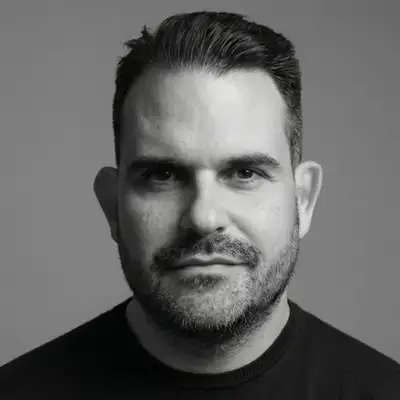
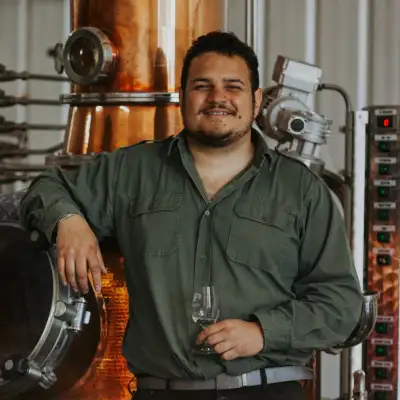
In Episode 036, I continued my conversation with Sebastian Barnick in Episode 035. Feel free to listen to that, as well. Starting life in the Royal Navy, he became a certified distiller and WSET educator with a wealth of experience in wines and luxury spirits. He is an NPD professional and runs a sustainable contract distillery in the UK. I hope you will enjoy our chat. I hope you will enjoy our chat. Time Stamps (0:17); Authenticity in Brands (11:23); Modern and Traditional Target Occasions (17:17); Hometown Authenticity (22:28); Bridging Categories (26:43); Categories from a Distiller's perspective (33:55); Early Adopters (38:28); Best Part of being a Distiller About the Host: Chris Maffeo About the Guest: Sebastian BarnickWelcome to the Maffeo Drinks Podcast. I'm your host, Chris Maffeo. In episode 36, I continued my conversation with Sebastian Barnick in episode 35. Feel free to listen to that as well. I hope you will enjoy our chat.
Chris Maffeo:That's to be to be very honest, mean, I'm carrying out my kind of like crusade on, on on the media, on the drinks media on this when I whenever I see one of these posts, for, you know, either it's a buyout or either is like, we didn't know what we were doing and then we sold for a billion. You know, you know, I hate these kind of titles now because they are they are the drivers of these wrong conversations. Yeah, you know, because then people come to you come to me, go around dreaming about stuff that's not going to happen. But, you know, like, it's fueled by the narrative of the industry media. Not all of them, of course, but many articles are like that.
Chris Maffeo:I recently read one that just got me ballistic on, it's just like, I just did it for chance and then I sold it for billions. And it's like, You know, like, it's just like, you know, people imagine people sitting at the desk, getting a phone call from Mr. Diageo. You know, I want to buy your brand that you don't know what you're doing with. Know, it's just like, it's insane.
Chris Maffeo:You know what, what's, what's happening on, on, on this and, and, building on this like this, there's a question I want to ask you about, you know, crafting and authentic brands and, you know, handcrafted and all these kind of terms that are, you know, used in the industry now, even on big brands that are, you know, selling, you know, hundreds of thousands, if not millions cases. What does it mean for you?
Sebastian Barnick:The authenticity is really hard. I think you have to place it both in the context of the raw materials, the context of the people who are going to be drinking it, So it has to have either a unique taste, raw material, packaging, or occasion experience that is challenging what's normal in the category, and then also meets the needs of your consumer to make it authentic to them. So I have a couple of examples of people who are not what you would typically expect, right? So we have some guys who wanted to make some rum, they love rum, they are of Indian heritage, living in The UK, grew up on a sugarcane farm in India and also have traveled extensively around the world working in the financial services sector and they have sourced some very old rum casks and they're also making new rum in The UK from scratch with me, including a co fermented molasses sugarcane, high ester rum and then some sort of more neutral stuff in the sort of Panamanian style to have like a blank canvas for blending. Their target audience is private bankers and they have a luxury bottle.
Sebastian Barnick:It's an authentic product in that they've purchased old rums, they're doing a champagne style ass en blage which is where you blend from different barrels from different tanks to come up with your signature and you're creating something that has value, we're then doing further marrying maturation and then stepping it down the ABV slowly. It's going to be bottled at a relatively high strength and you know they've already had pre orders from several private banks for their entertainment functions at a very high per bottle cost and that is their authentic product. It meets the needs of their target audience, it has their own backstory with it and it's fantastic. That's what luxury spirits are all about, right? Their occasion is sipping the rum with a cigar, they're hitting every single luxury you know, marker with it, they've got the backstory, they've got their sort of, you know, first generation immigrants to The UK building up their businesses, building up their lives and selling to other people who are in that situation.
Sebastian Barnick:And there's a lot of them in The UK with disposable income. And they've got access to that community of people, they've got, you know, and you don't need to sell 10,000 cases of this rum to do really well, because they're making a very good margin. The other one that I have is very left of field for me. I thought I had a clear idea of what this looked like, a lot like the rum, but this guy came in and he said, Seb, I want you to make a gin for me. I I was like, okay, yeah, gin, you sure?
Sebastian Barnick:And he said, yep, I want you to make a gin and it's going be £50 for a half liter bottle. And I thought, fuck, really? Okay. And he's like, yep, it's going to be and the bottle is very unique. And I was like, all right, okay.
Sebastian Barnick:I've seen a lot of unique bottles. And he said, yeah, it's going be in the shape of a garden gnome. You know, like a little, you know, little dwarf that sits in your front garden.
Chris Maffeo:Okay. Yeah. Yeah.
Sebastian Barnick:And I was like, okay, how the fuck are we going to package this? Because this looks like a nightmare. And he's like, don't worry. Don't worry. They're coming in a shipping container and they'll be with you in two weeks.
Sebastian Barnick:I was like, perfect. Okay. And then they arrived 8,000 gnomes just loose in the shipping container, like an army of little gnomes coming out. And I was like, look, man, this is a crazy business. And he was like, yeah.
Sebastian Barnick:You know, he said, do you know there's 3,000 garden centers in The UK with an alcohol license? Where old ladies go and buy their pots and plants and all that for the garden, they all have alcohol licenses and they do not have a gin that sells and he is selling out and they're selling at £50 a bottle and they are, it's niche, it's authentic, it meets the needs of their customers, the gin is floral, it's fruity, it's made in the Garden Of England, you know, which so the region I live is called the Garden Of England. You know, it all fits together and it works really well.
Chris Maffeo:That's a very interesting story. And listening to you, I want to build on, you know, a couple of points that you were making, because to the first example, you know, like you were you were talking about target audience now. And you know, I'm not a big fan of target audience. But when you said, for example, bankers, you know, the point of connection between target audience and target occasion is that kind of like high end sipping moment that happens to be made by a lot of bankers. Yeah.
Chris Maffeo:It can be made by a lot of other people as well.
Sebastian Barnick:I would say from a commercial perspective, it's not good to be too restrictive. I would never discount a consumer because they don't fit a profile. However, when you're targeting a liquid, I think you have to try and get into the mind of your consumer and the occasion and the price points and you know everything has to fit together. The guy on your one of your earlier podcasts talked about the big bang, everything is connected, it does all matter. I completely agree with what you're saying from a guy going out there and you know pounding the streets, knocking on doors, doing all of that, There is no target customer.
Sebastian Barnick:There's an occasion, there's a moment and the ability to create that moment may be in a place that wouldn't typically have it, but would I go and sell my White Cliffs gin to a load of private bankers in private members club in London? Probably not, because my product does not meet their needs.
Chris Maffeo:Yeah, it's like people that have certain taste profile, certain occasions, certain needs, you know, and then they may happen to be bankers or whatever. To the second example that you made, that is very interesting, because that's, that is having a very clear target customer. Yes. Because some people target pubs, some people target hotels and, you know, and mini bars, and some people target garden centers.
Sebastian Barnick:And and you know what? The weirdest thing is now when you when you hear the story or you buy a bottle everywhere you go you're going to see these gnomes and you see them on people's lawns and I was thinking who the fuck buys these You know, I'm thirties and I'm like, I would never consider buying this. And then actually, you know, you see them everywhere it's, and the gin's good, you know, it's a good product.
Chris Maffeo:No, absolutely. And, and, and, you know, and now whenever I see a gnome, I will think that it's full of gin.
Sebastian Barnick:Absolutely. It should be. It should be. Know, he called me up and said, I want to do a female version now. I was like, Oh my God.
Sebastian Barnick:I thought that gnomes were gender neutral. You know, I thought we weren't going to be good. But no, he's he's great. And he's a very much a bottom up guy. He's out there building the brand and that's what it takes and it's working.
Chris Maffeo:This is the ultimate the ultimate thing. Like it's it's about really having clear idea where where to go and sell it. Yeah. And and try it out, you know, and see where it goes, because then you may find very nice surprises, you know, and then you may not work with certain people you had in mind. And then, you know, you may work with some others.
Chris Maffeo:You never know that.
Sebastian Barnick:The, or the marketeers would call it early adopters. So you've, you've identified your early adopters and you know them because there's a part of you in it and in them as well.
Chris Maffeo:Some brands, I think they've got a clear, let's say, target, but then to this example, I mean, won't it won't really scale to the top cocktail bars in Central London, I guess, but you never know. You know, there may be a trend of something like that as a as a glorifier on a on a bar.
Sebastian Barnick:Yeah, absolutely. This is not a particularly an on trade brand. This is an off trade brand and he does do some on trade stuff, but the packaging is prohibitively expensive to be competitive in the on trade. Are you going to get a pouring deal in a hotel with this? Probably not.
Sebastian Barnick:Extremely unlikely.
Chris Maffeo:Talking about target occasion, I've got I've got my my take on occasion. Now that's sometimes they are traditional occasions that and then there are modern occasions. So the traditional occasions are what people are using it for in probably in the homeland, you know, of that spirit. And then modern occasion is like when it gets, you know, modernized, and then it happens to be in fancy cocktail bars and so on. When we chat it, know, you you told me you you have a past in the in the navy, and you've been to quite a few countries out there and you've managed to sample many, many different things now, many different spirits.
Chris Maffeo:Like how do you see that happening? I mean, you mentioned it early in, you know, in some of the brands that have some specific heritage, either the heritage of the liquid or the heritage of the person that is doing it, the building into the story, into the big bang. You know, what is your take on, you know, like the importance of having a clear occasion that caters to some people first and then goes outside of it?
Sebastian Barnick:So I think that you build a brand with a very clear audience that caters to their needs and does everything it needs to do for them, then you replicate that with that, I hate the word tribe, I hate the word tribe, but you know, in marketing they would call it a tribe and you find that in your next market and you replicate that occasion, they then spread the word to other people who share similar, you know, thoughts and opinions and traditionally that's how it's gone. You now can't, because of how many brand impressions it takes for someone to even remember your brand exists, you can't do that without going out there yourself and reinforcing all of that. I think the Aperol one was a great example, know, said it was all about Venice, all about the Cipriani bar, all about that sunset Alombra occasion, and then that was their powerful brand home. And that's what their brand was all about. Even the liquid was sunset coloured.
Sebastian Barnick:And then they replicate that around the world. You go into London, they had a swimming pool filled with Aperol on a rooftop bar tight at sunset and you'd come for a cocktail at sunset and it was all about that occasion and replicating it and then building that within the consciousness of your consumer. So now what drink would you have as an aperitif at sunset? It's going to be an Aperol Spritz.
Chris Maffeo:Of course, or a gin tonic.
Sebastian Barnick:Or a gin tonic. These things are very subject to trends and trends change and you know nowadays you know you're going to be working on a brand for twenty years before it starts to see real success. So absolutely, know, trends change and you have to keep adapting with the time and keep ensuring that you're talking to the right people and your product is going to the people who care.
Chris Maffeo:And what do you think is the role of the traditional occasion? Because I mean, like building on your previous examples, the White Cliff Gin, it's quintessentially Kent. Yeah. So I always push the fact that you know, you need to win in your home home turf before venturing abroad. You wouldn't make sense to have a White Cliff Jean in London if then I come to Kent for the weekend, and I don't find it anywhere.
Chris Maffeo:Right? So the Kentish people, you know, like, does it have to win with can teach people before venturing elsewhere in your opinion? It doesn't really matter as long as the occasion is relevant for the people you are targeting?
Sebastian Barnick:One of those costs no money, the other one costs a hell of a lot of money. Winning with, you know, making a product that is relevant to the people that live here, that meets their needs as alcohol consumers, you know, that is doable and you can do that without spending thousands and thousands of pounds. You can create your product from the first step to fit their needs and to be representative of your sense of place, the taste of home. For us, I use local ingredients, I use seaweeds, I use local berries, I use all this sort of stuff that really works well here. But then this is not a great example because, you know it's not how typical brands would do it but this is or maybe it is in a way, I have a friend of mine who's starting a distribution company in Kenya and he said look I'd love to take your products and I said look you know, honestly, we're learning how this is going to be relevant.
Sebastian Barnick:And he said, look, know, I'll fly you out here, come out here, we'll talk to some bars, we'll talk to bartenders, we'll start doing the research, we'll talk to retailers, you know, and we'll go out there and we'll find out. So we then said, all right, okay, seafood restaurants, perfect. Because, you know, if you go into Nairobi, it's a very built up city, hundreds and hundreds of miles away from the sea, it's dusty, it can be really hot. How do you create that refreshing sea spray? Know, it can also be something that people want and they yearn for.
Sebastian Barnick:It's an occasion, you know, that cool breeze, that refreshing slightly saline taste as well. People have positive recollections of the sea, people have a fondness for it and so even if they've never heard of the White Cliffs Of Dover, what we need to be able to do is ensure that we can deliver that experience to them, which yeah, is tough.
Chris Maffeo:I think, you know, once that you know what it takes locally, then it makes totally sense to to venture, you know, overseas. And at this at the same time, there's you know, it can go in parallel. There's no right or wrong. It's just that what I feel is that the latter cannot cannot exist before the first thing you cannot build overseas, if you are not building it locally, you know? If while you are building locally, you go straight away overseas be just because of an opportunity because you have got some context, then it makes totally sense, you know?
Chris Maffeo:And this is where it gets confused sometimes when you know, on my messages when I write about it or talk about it, that it's like, it's not black or white, it depends on. And there's, you know, many, many shades of gray. It's just that some things are a minimum condition or minimum precondition to make other things happen. Like, I mean, I I used to work for Peroni for many years. And my personal take is that the big a big part of the big success of Peroni in The UK was driven by the fact that first of all, like Italian restaurants everywhere, with the long history of the brand, you know, back then it was not.
Chris Maffeo:But also, was like the Italian trade, you know, like the Italian trade people, you know, bartenders everywhere, Italians everywhere. And they are advocates for the brands. You know, I I still remember my myself when I I I went to a place called Mezzo in in Soho in London in 2001 when I stayed in London for I tried to live in London for, you know, when I was 21. And and I remembered finding Nasrat Zurro on the menu of this bar, and it was super expensive. I can't remember now the price, but it was super expensive for me at least.
Chris Maffeo:I was very No. Broke at the I can't I can't remember. I can't remember what it would have been. But I I remember ordering it with a kinda like a shiver on my back. It was a proud moment for me.
Chris Maffeo:Instead of ordering something else or in fancy international brand, I ordered that one, you know, because it touch you on a personal kind of level. This is also the element for many, you know, like if you say, for example, Pisco, you know, the rise of Peruvian food and the Nobu and all the fusion, Peruvian, Japanese, and all this kind of stuff. The Mexican food, I mean, like, I remember many years ago, Mexican food was just like basic, you know, tacos and, you know, basic food. Now it's one of the best, you know, finally got recognition of being one of the best cuisines out there. You know?
Chris Maffeo:Same stuff with Japanese whiskey, with Japanese restaurants and sake. And so, you know, like, you need to have a a home turf of trade that allows you to build on that particular occasion. And then not only those people from that nationality that, of course, will be the majority in the beginning, drinking because they know how to drink it and they know how to enjoy it. But then like they will be explained to other people. And then of course, like then it will it will take off, but it all starts bottom up.
Chris Maffeo:But, you know, some people think that they can take a random brand on a random occasion and then build it into the fanciest clubs and bars in New York City, London, Paris, and Berlin, and make thrive with very low budget?
Sebastian Barnick:No. Like I said, there's the cheap way and there's the expensive way. No, but I'm really excited to see what the future of that is going to look like as cultures get more intermixed, as people get more intermixed, the world is increasingly and increasingly more connected and the movement of people is a trend that's not going anywhere. So what is the future of that like? Is fusion?
Sebastian Barnick:For example, I went to a sake brewery in Peckham in Central London and their Japanese style products were they were okay, they were good, you know, on scale of the best Japanese products, you know, they're nowhere near because it takes, you know, it does take generations to really hone that product. They had a Taruzake, which is a sort of more country style, very little polish on the rice grain, so lots of tannins and then they fermented it in a port wine cask. And actually that sweetness, that tannic structure and everything like that was, you know, the Western palate, music to our ears. We love that. You know, sake has really struggled outside of the Japanese restaurant category because it's not a familiar taste profile to us.
Sebastian Barnick:So to fuse those traditions, it just worked really, really well.
Chris Maffeo:This is very interesting what you're bringing on because it brings to another question I wanted to ask you actually, is where do you put yourself between the categories and taste profile? Because, I mean, big brands think in categories, you know, like this brand managers of rum and whiskey and scotch and Irish whiskey and and, you know, vodkas and so on, agave spirits. But I personally, I think that consumers don't think that way. You know? They don't think, oh, I wanna have a whiskey tonight.
Chris Maffeo:They are craving something that it could be I don't know. It's either like I'm I'm going for dinner later or if I'm going to go for, I don't know, a fish restaurant like having sushi, I don't want to have an Negroni as an aperitif.
Sebastian Barnick:I think big brands and consumers think in a similar way. They think of the present and they think of what are we doing now that is working or what's the safe option. And then, you know, the big brands are thinking, let's play it safe all the way. And if a new trend pops up and someone's done all the legwork of getting out there, we'll just buy it. Their innovation has dropped off a cliff.
Sebastian Barnick:Think the biggest innovation I think they've done for ages has been Gordon's Pink, which arrived about fifteen years too late. Apart from that, think it was Syrock was the previous innovation product they launched in 2005.
Chris Maffeo:It's a great point what you bring in, because if a consumer thinks in categories, yeah, it they think in categories because they think of what they know of that category. It's the safe bet that you mentioned. Yeah, I know that rum is kind of sweet on average. So I feel like something sweet. Now some people may and I'm asking this to bartenders whenever I go out now and I say like, people look at the cocktail menu from?
Sebastian Barnick:I think the bar is is that place. People need to be introduced to new things and they need to build a positive association with it in order to buy it again. So people think I like rum, I drink rum and coke when I'm at the pub, so I'm going to order a rum. I'm at a bar, I'll order a rum. Or if they're at a cocktail bar which charges a high enough price to make people think that they're going to really get something special, you know, it looks the part, the drinks look amazing, the bartenders look like they know what they're doing and they look professional.
Sebastian Barnick:That's the setting where they can be introduced to new products.
Chris Maffeo:Because they trust Absolutely.
Sebastian Barnick:And the bartenders are really good at creating a lasting experience that they will then take with them and go, we had this amazing drink.
Chris Maffeo:In your opinion, that builds the bridge between categories. Because, for example, last Saturday, I went to the whiskey festival here in Prague. And I brought with me a friend of mine and he's a big rum drinker. You know, he doesn't drink whiskey and he never drank whiskey. But I took him with me and and then I I introduced him to to something.
Chris Maffeo:We tasted the Glenfiddy 21 Grain Reserva. It's finished in rum casks. Mhmm. And then I used that as a bridge because I said, like, try of of course, I mean, wants to be into the like, you know, wants to be introduced to whiskey with a 21 year old Glenfiddi. But, you know, I took that path because for me, that was the easy entry for him because he's a rum drinker.
Chris Maffeo:And that would have been a nice bridge for him because he wouldn't have been put off by the whiskey taste and flavor, knowing his rum palate, you know. And I think that in order for you know, like there's there's a lot of conversation in brands and whenever I work with clients is about recruiting from outside the category. But to recruit from outside the category, you need to have a very clear idea of how you're going to do that. Because you're not going to have people switching categories just because you're putting a brand or a bottle in front of your face. What would be interesting for me to know from you is is from like seeing this from a distiller perspective.
Chris Maffeo:Do people come to you with this kind of like interesting or crazy ideas or like bridge ideas or or do they come more with a quite clear category lens?
Sebastian Barnick:That's a tricky one. Because I love making these bridge products. I love innovating with people and coming up with something that is really special. And if they really want to sell well and they want a big brand to come in and buy it, they've got to create something new. But no big brand's looking for another gin, another London That's not going to happen.
Sebastian Barnick:So if that's their exit strategy, they've got to come up with something, or we have to come up with something together, you know, and something that they can really sell. It's just such a, such an interesting landscape.
Chris Maffeo:Do you play with ingredients maturation or with a cask? Like how do you play with these kind of like bridges between categories?
Sebastian Barnick:It's great. Like, you know, when you're creating it, it's like conducting an orchestra. So you have different elements within it and you can play with all of them to create something completely different. You can use unique raw materials like a which would be like a unique instrument being added into your orchestra. You can have more maturation, you can have less maturation, you can have different styles, you know, but all of it needs to serve towards meeting the needs of your early adopters and meeting the needs of, you know, if we do this, it's going to add £5 per bottle to your raw material cost.
Sebastian Barnick:Are you going be able to sell that? I know a lot of people think they can sell anything, sure you can sell one bottle, but one palette. It's really hard. It is hard. I would always come back to the founder.
Sebastian Barnick:What's their brand truth? What is true to them about this liquid? What's their story with it? Because that's the one that they're going to be telling everyone. And that's how they're going to be getting out there and you know like I was talking about the rum guys with their growing up on sugarcane farm, that's why they add it, that's why it's in there, that's why it's different and this is true to them, this is their story and they can paint the picture for their customer.
Sebastian Barnick:You know and I come back to the music analogy again in that for me a really good spirit it can be like listening to a really good piece of music that it transports you to a different time, a different place that the artist has put together. And this is something that we're sort of co creating to deliver that experience to someone else. And I think if if you can deliver that in a liquid, if you can take someone to the sugarcane farm you grew up on in India, and then, you know, with the romance, with the flavors, with the story, that that's what makes it really special. And the bartender can then tell that story to your customer.
Chris Maffeo:How do you make that happen? Because, for example, like I'm, I'm a very pragmatic, I mean, you know me from from the podcast, and why I like to think in terms of simple storytelling, instead of like, a very elevated storytelling. So to your example, like I wouldn't go deep into the family analogy of growing up on the farm, because I would for me was like, but tell me what am I supposed to taste here?
Sebastian Barnick:This is the interesting thing because you're right, verbally you shouldn't, but there are lots of things luckily that do the talking for you. The package does the talking for you, the liquid, the taste, the aromas, you know, they're all there, right? And you've got to hit those things that people have a shared memory of to be able to transport them. What do people associate with India in terms of flavours? What will people have been consuming here, or what will be in the shared palette of flavour that makes people Exactly, buy exactly.
Sebastian Barnick:But you've got to do this, achieve this whilst remaining premium enough that it isn't a spiced rum because spiced rum doesn't tick all those premium luxury boxes. So you have to achieve this with the raw material, with the barrel, with all of this sort of stuff. You know, that's the challenge, that's the interesting thing. When I worked in wine before, you know, I think at the time New Zealand Sauvignon Blanc was 40% of every glass of white wine sold in The UK, which is insane. People loved New Zealand Sauvignon Blanc, and it was a premium product, and yet we were selling insane amounts of it.
Chris Maffeo:Why was that?
Sebastian Barnick:Well, was the really interesting thing, the population of New Zealand is five, six million people. There's hardly anyone that lives there. How many British people have been to New Zealand? Not that many, because it's expensive. It's the other side of the world.
Sebastian Barnick:So what about the flavors in that wine makes it resonate with British people? Some people said it was the fresh grassy aromas to it that remind English people of fresh cut grass, which is something that we all experience. I think that there's a degree of truth to that. We're talking here in pseudoscience, right? You know, this is there's a lot of assumptions here, right?
Sebastian Barnick:We're making leaps, but I think that there is a degree of truth to, you know, national taste, you know, what makes people share flavor?
Chris Maffeo:Absolutely. I would assume that also like the, there were quite a big community of Kiwis out there working in pubs and bars and
Sebastian Barnick:that's also true.
Chris Maffeo:True. Because that's what I mean, that there is always a reason for me. And I would love to get some evidence of what I'm saying. Because otherwise, pseudoscience as you call it. But I think it would be the same thing as with the Italians or, you know, imagine with the Mexicans, you know, working in The US on the success of tequila and mezcal.
Chris Maffeo:Would tequila be so big in The US if there were no Mexican working in American restaurants and bars? This is the million dollar question.
Sebastian Barnick:Well, yeah, that is a very good question. Would it have the same level? Absolutely not. These things are always complex, you know, there's lots of moving parts to it. And yes, I completely agree there are Mexicans working in and also Mexican fine dining.
Sebastian Barnick:I think it's 40% of the population of The US speaks Spanish. There's a real sort of cultural mixing. Exactly. They're certainly their closest Spanish speaking neighbor. So, you know, you're have all of that, but also that may account for a percentage of it.
Sebastian Barnick:But then how does that multiply and how does that move on from there?
Chris Maffeo:It goes back to what you were saying about the early adopters. Now, if those are the people that are that are they keep hustling and pushing the brand, because whenever they got a chance, they say, Oh, like you're looking for a white wine. Have you ever tried a Kiwi Sauvignon Blanc, you know, or Oh, you're looking for a beer? Have you ever tried an Italian beer, and so on, then you've you've basically got an army of people that are amplifying your product almost 20 fourseven when if you look at it from a global perspective. Yeah.
Chris Maffeo:So I think that's the that's the interesting thing on having a clear target occasion. Because if the occasion is big enough, you know, internationally, it doesn't matter that if it's only that aperitif, you know, have you ever seen anybody drinking Aperol Spritz at midnight? I I haven't. You know,
Sebastian Barnick:like I people just live in England, I've seen everything. I've seen people drinking Aperol without the spritz.
Chris Maffeo:Okay. I don't I don't want to know that. But no, okay. That that came out like a little bit bad. But you know what I mean?
Chris Maffeo:Like, it's like, it's a clear it's a clear occasion when the power of having a clear occasion can bring you very, very far now.
Sebastian Barnick:Yeah, definitely. But and actually that does bring up another point. It's you never know what the consumers are actually going to do with it. You can have all these intentions and everything like that and you know, the beauty of it is that people take it and with spirits, unlike in wine, people do whatever the hell they want with it. You know, you want to put it with Coke, you want to have Aperol and Coke, I'm sure there are people out there who do it.
Sebastian Barnick:You know, like, well, Schone Branca, did the Italians ever, ever imagine that it would go to South America and people are going to drink millions of bottles of it with Coke. Absolutely not. You know, it's delicious. It's a really interesting serve, you know?
Chris Maffeo:No. Even, I mean, and take for example, you know, used to go to Chile for work previously. And if you take Chile and Peru, and their disputes about Pisco, but in terms of occasion, know, like where you go to Peru is a Pisco sour. And when you go to Chile is Piscola. So it's the same liquid drank in a totally different way.
Chris Maffeo:Which is very interesting, because, know, it's neighboring countries, you know, of course, like they've got their differences and similarities and so on. But, you know, it's very interesting when, you know, an occasion or even more niche than an occasion, like a proper cocktail, you know, becomes so relevant at scale. And doesn't make sense in another country that is actually like just across the border.
Sebastian Barnick:Yeah. And these rules that you've applied in your own country, you know, tell you, Peruvian Pisco is not being drunk with Coke and not in The UK. It's in That's a the drink. Right? That's the pisco sour is the famous one.
Chris Maffeo:Yeah, no. And that's and that's the thing. And also like when it comes to what I was saying earlier, like, you know, if it wasn't for the renaissance of Peruvian food and, and on people recognizing that Peruvian food is one of the best food out there as a national cuisine, you know, Pisco Sour wouldn't be that relevant, and you wouldn't find it almost everywhere nowadays.
Sebastian Barnick:This is the other really interesting thing is why is Piscola Pisco being consumed in a Pisco Sour in Peruvian restaurants in The UK and it comes back to the ecosystem of the trade. Because the bartenders can charge £10 plus for a pisco sour, they cannot charge that for a pisco and coke. That's the long and short of it. They have to create an experience, they have to create a premiumised version and the spirit mixer has a ceiling. I mean in London £10 is nothing anymore.
Sebastian Barnick:Mean, but, you know, but outside of the rest
Chris Maffeo:of the world,
Sebastian Barnick:there's a ceiling to how much people are willing
Chris Maffeo:to. What is the best part of, you know, for you of being a distiller, you know, what is the the part that you like the most about distilling?
Sebastian Barnick:I started out in wine and I grew to not hate hate is a strong word but I just felt alienated by the trade, felt alienated by the industry, I thought that, you know, of the flavour and the science, it was all about who you know, where it's from and all the things you're not supposed to do with it. All these rules and solemnity that we create around wine. And actually spirits for me, firstly, from a creative perspective, you know, you're doing all the fermentations, you're selecting all these different raw materials and a vast range of different raw materials. I love working with people and growers and farmers and all of this to create really special things. And then, you know, we do the fermentation, we can play with the yeasts, we have the science element of it as well, then we have the distillation which can be even more creative, and then the maturation, which can take everything to more premium, more delicious, sometimes less delicious areas.
Sebastian Barnick:But then we then put it into a pack. The packaging in spirits is exciting as well. You know, the bottle designs, the shapes, the garden gnomes, whatever you like. And ultimately you then take it to a bar and these bars, these guys put their heart and soul and sixteen hours of work a day into creating incredible drinks and incredible experiences with your products for consumers who appreciate about 5% of that. But sometimes, you know, one in ten, one in 100, they'll take an experience they've had, they've shared with their friends, and they will take that away and they'll remember it forever.
Sebastian Barnick:And I like that. I love that.
Chris Maffeo:And that's that's a beautiful way of, you know, of closing this this this great chat that we had. And let let people know how how they can find you and, you know, everything about about you and and and your company.
Sebastian Barnick:Yeah. Okay. So we're called Pleasant Land Distillery. We're based in the Southeast Of England. We're a carbon neutral, fully renewable energy powered contract distillery where we create spirits from scratch, and we rectify and we compound for people across every spirits category except for barring protected geographic indications.
Sebastian Barnick:We also have our own spirits, we have White Cliffs Gin, Feel free to pop onto the website and buy a bottle. And we also have just launched our vodka, which is a vodka made exclusively from apples called Eve, handmade in the garden of England. So return to paradise. Alright. It was amazing to talk to you, Chris.
Sebastian Barnick:Thank you so much.
Chris Maffeo:Thank you. Thank you so much, Sebastian. Thank you.
Sebastian Barnick:Alright. All the best.
Chris Maffeo:That's all for today. Remember that this is a two part episode thirty five and thirty six. If you enjoyed it, please rate it, comment and share it with friends, and come back next week for more insights about building brands from the bottom up.
Creators and Guests