Building brands bottom-up balancing Nordic minimalism with Italian flair | with Joonas Mäkilä, Co-founder of Mother's Milk Beverages (Helsinki, FI & Prague, CZ) | 031
Summary
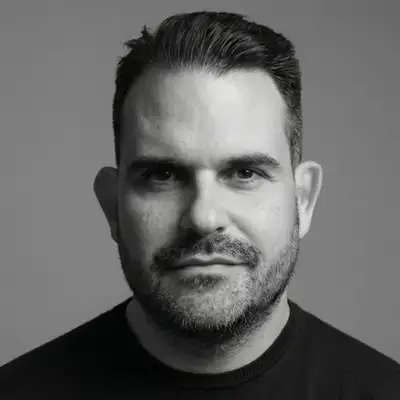
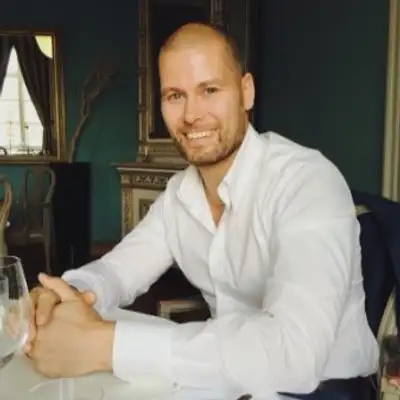
In episode 031, Chris Maffeo had the honor of meeting in person with Joonas Mäkilä, a close friend and Co-founder of Mother's Milk Beverages, a Spirits Company based in Finland. He is a Finnish Commercial Advisor with two decades of experience in FMCG multinationals, private equity-backed hospitality groups, and other industries. We hope you will enjoy their chat. This is a video episode if you watch it on Spotify. About the Host: Chris Maffeo About the Guest: Joonas Mäkilä Time Stamps (2:00); Lingoncello Launch (9:10); Breaking Into Outlets (11:50); Taking Advantage of The Back Bar (13:50); A Outlet Owner's View of Attempted Sales (18:38); Small & Big Brands (28:45); Brand Stories (38:00); Target Occasion > Target Consumer (40:20); Expand Or Focus Distribution (50:00) Win at Home (57:00); Internal Competition (1:02:35); Cash EfficiencyWelcome to the Maffeo Drinks Podcast. I'm your host, Chris Maffeo. In episode 31, I had the honor of meeting in person with Jonas Makila. He is a close friend and co founder of Mother's Milk Beverages, a spirits company based in Finland. He is a Finnish commercial advisor with two decades of experience in FMCG multinationals as well as in privately backed hospitality groups and other industries.
Chris Maffeo:I hope you will enjoy our chat. Jonas Magilla, thanks for coming. Welcome to the Mafel Drinks podcast.
Joonas Mäkilä:Thank you, Chris Mafel, and welcome to Ragazin.
Chris Maffeo:Fantastic. And thanks for hosting us in this fantastic venue, Ragazin, here in Prague. I'm usually coming and sitting on the other side, but today we have a nice a nice little corner to chat, and you bring a great experience. Jonas and I know each other from seventeen years, I think. 2006, I would say.
Chris Maffeo:Yeah. Back in Finland, in Helsinki, that's where we met. And then you moved to Prague. Then after a while, I moved to Prague, I reached out to you. And I said, I'm I'm moving to Prague as well.
Chris Maffeo:And now we live 400 meters apart. Exactly. So pick Kolomondo. Exactly. And in the meantime, you've been a customer of mine with Peron in Finland.
Joonas Mäkilä:And now you're a customer of mine.
Chris Maffeo:And now again, like I'm a customer of your restaurants. And this is a nice way to explain how the drinks ecosystem works and what I'm always talking about. Like it's not only a brand owner and a restaurant owner, there's distributors, there's big companies, there's big brands, there's a community of people moving where like in the meantime, without knowing, we found out that we had like 10s and twenty, thirty, fifty people that we knew, friends of each other and so on. And this is the whole thing and the beauty about the industry, no? Absolutely.
Chris Maffeo:And you are a big marketing guy. You've been a marketing director in Mars, you've been doing all sort of things. You have your brands, you have your vodka brands, you have a lingoncello that you just launched, and you own a restaurant. You have been working for one of the biggest restaurant group in The Nordics. You can play a lot of hats in this.
Joonas Mäkilä:Yeah, no, absolutely. I love playing a lot of hats. And now I work also with a lot of other companies besides my own. But in terms of being a brand owner, now I obviously work with the liquor industry and as well as with restaurants. And it's very nice to be here today.
Joonas Mäkilä:And I'm looking forward for the conversation. Awesome. Yeah, awesome.
Chris Maffeo:So let's start. I mean, like, since you are a big branding guy, how do you start? I mean, you you launch your own brand. You work for big companies, but you also launch your own brand. So where do you start?
Chris Maffeo:Do you start from the liquid or do you start from the brand world?
Joonas Mäkilä:So you start straight away with that we both know that we disagree. So I start with the story and the concept. So I know that you talk a lot about in your previous podcast, and obviously, as a friend, I know that you believe in the power of the product. I think it's life's probably somewhere in between. When it comes to the first spirit brand that we launched together with my partners in 2013.
Joonas Mäkilä:It was called the Polestasleidus, which is a heritage brand in Finland. That obviously comes from the story from the wartime and how the troops were having this cognac cut with vodka, which is a Finnish national drink, basically, that comes from the history. So that's all about the story. So we came with the concept, we found out that it wasn't trademarked, and basically got us the IP rights, and then went to the liquid. So then we actually found us a manufacturer, partners, distribution partners, and we started making the vodka and the cut cognac, leikatu as it's called in Finland.
Joonas Mäkilä:But we started with the story because we knew that that would be something that would be very appealing to the domestic crowd especially. And to be honest, now with the Limoncello that we can talk a little bit about more as well, we started with the story. So we found out that obviously Limoncello is, as you very well know, is a very traditional Italian drink that's globally known. And then we have an Arctic berry called, lingonberry, which has a lot of similarities when it comes to limoncello and lemon. So it's tart, it's a little bit bitter, but then with sugar and good ingredients, you make it this a combination that it's a little bit of a mix of both sweetness and tartness or bitterness.
Joonas Mäkilä:And then obviously, lingoncello as a name and as a brand is something that creates in the customer's or client's mind so called co creation. When you go, oh, Lingonberries, Lingonjello, oh, got it. And the brand sticks in the mind much better than just a random brand name. So the concept was there first. And again, we knew who makes the best liquors in the country and in the market.
Joonas Mäkilä:So again, we came up with a concept, introduced the concept to them. And they basically, after making seventy years of berry liquors, they were like, a moment of silence said, why didn't we get this one? But again, now there are joint venture partners, Lingda Bisbon in Finland. So, again, I think it both have to deliver, you have have a good story to tell. And then obviously, you have to have a product that delivers.
Joonas Mäkilä:But in my mind, concept comes first, that's the headline. And then it comes with the branding, it comes with the bottle, it comes with the liquid, and the liquid is just one part of it, bring the whole concept alive.
Chris Maffeo:I wouldn't even say like we disagree. It's more how you put the foot in the door and explaining it to the customer. So my point is more like, when somebody comes here to the restaurant, they are not interested in the lingoncello as a brand yet. They are more interested as the liquid. So they look for an occasion which could be an aperitif or it could be like a digestive or whatever you are focusing on.
Chris Maffeo:And then they see, okay, this is with lingonberries, oh, actually I like lingonberries and this is the selling story that the waiter or the barman is telling, that makes the discovery of the brand from a commercial point of view. And then you go into the brand world because okay, actually, want to find out more. What are these lingonberries? I've never heard about them. And then you enter the world.
Chris Maffeo:So it's a little bit of a top down and bottom up coming together. Absolutely.
Joonas Mäkilä:And as you say, brands are built bottom up. But I think it's both ways. First of all, I'm now a big fan of your podcast. I have to listen because you told me to. But no, I love them.
Joonas Mäkilä:But I think Nordics are a very good place to practice being an entrepreneur in the spirits industry because it's very hard. First of all, it's a very high taxing on the spirits, But it's also a dark market, and you're not able to advertise and promote the spirits. And that's why the storytelling, and especially the role of the on trade is very high. So that's basically in the restaurants, in hotels, wherever you're able to have your product in the bars, that's where you tell the story. But I personally think that nowadays, the storytelling starts already most of the times outside the bar, just because of social.
Joonas Mäkilä:So a good example, which we got lucky with, because we started the idea of lingocello came to life in 2016. And before we got it in the market in March, it took us six, seven years, first of all, to get the product right, get the trademarks, because we invented a new word. There was zero Google hits on Ling or Java. So we got the IP rights in the major global market. And then this thing called COVID came, it wasn't the best time to start.
Joonas Mäkilä:So finally, we're now in the market. But what happened in the meantime, actually, a Limon Jell O, so the origin of the the base of the idea, actually came to life. So in 2016, Limon Jell O was still that bottle in the freezer that you sometimes remember to take after dinner and have a digest Just there from Italy. Yeah. And then suddenly, especially in the Nordics, I think it started in Sweden, Limon Jello Sprit came into life.
Joonas Mäkilä:Then it came to life in Finland. It was chosen the drink of the year, think 2018 or 2019. I cannot remember about the exact year. But Limoncella was able to build that occasion. So but I think, again, I'm not necessarily sure whether it started from the bars recommending suddenly to have a Limoncello spritz.
Joonas Mäkilä:I think it started from some influencers, you know, maybe some recipes in the print magazines. And then obviously, the early adopters in the bars picked it up, and they started recommending it. But I think before people even come to the bar, they already have an idea, or they might have an idea, oh, I wanna try this out because I saw this in there, saw this in there. So that plays a big role. But I think in terms of when it comes to bars, I think it's all about getting the bars excited, and not just the staff excited.
Joonas Mäkilä:And it's not just about getting the owners excited. It's actually the people who work in the bars. I'm a big believer, there hasn't been that many mentioning about in your podcast about staff engagement programs, staff incentives. Yeah, not yet. Yeah.
Joonas Mäkilä:So I'm a big believer working for the first of Royal restaurants. And then after that, with the Nordic hospitality partners, We saw the biggest results many times with engaging the staff in some way with the product. We did it together back in the days. We did it together. That's one of one chapters in our friendship and business.
Joonas Mäkilä:Yeah. Yeah. We launched Perrone in 2015 in Finland. Yeah. Yeah.
Joonas Mäkilä:And, again, what was the best result? 2015, 2016 was incentives for for the staff. Exactly. Yeah. And and I think that's something that you need to first engage the staff, the people behind the bar or the waiters and the waitresses before you engage the customer.
Joonas Mäkilä:Exactly. I'm a big believer in that.
Chris Maffeo:And let's talk about this. There is a difference between the hunting and the farming side of things, of this. So what you're talking about now, it's more like the farming. So the product is already listed, but it's not moving. So it needs some help on a staff incentive and motivation to the bar team and the wait team.
Chris Maffeo:But how does it start before? So when I want to get into your bar, how does it usually happen? Does it happen top down or bottom up? Is it you coming with your network and you select the brand or sometimes the bar staff is actually have tried it somewhere in a bar, and they bring the idea to you? I
Joonas Mäkilä:think it's both. Again, I know brands are built bottom up, but I think in this approach, it's also from top down. So Finland is a little bit particular market, because we call it the tribe. We're a small country. Everybody in the industry, in the ecosystem, as you talk, know each other.
Joonas Mäkilä:So I think we use, together with my partners, we use a lot of our network. And obviously, my roles in the past got to know a lot of the restaurateurs and top bars and such. I think in that sense, we use that network. But again, if there is something that is interesting, for example, from a PR point of view, people saw that in media, they liked the idea, they tried it themselves. That's also top to bottom.
Joonas Mäkilä:So you're able to create some kind of interest or hype around the product. And then people actually order without a salesperson or a distributor visiting the house. So it goes both ways. Obviously, there's the direct sales and indirect sales. And I think in the Finnish market, the indirect sales are very, very important.
Joonas Mäkilä:You have to be able to create that kind of pull. And then obviously from the bottom up, there's going be a little bit of push as well. Yeah. Yeah. When it comes to what your mantra is about, it's better to have one case in a bar than 10 bottles in 10 bars.
Joonas Mäkilä:I'm a big believer in that, especially when it comes to small brands and small players like us. Obviously we don't have the resources just to scale it up and make the whole country have lingoncella in their bars. Like this summer, when we were launching in Hokkaida, we we focused on the main outlets that we wanted to be. And then, for example, in Lulu, which is probably the most famous Finnish sauna restaurant in Helsinki, We had a staff incentive program for the whole summer, and obviously wanted to tap into their customer base, which is very trendy and early adopters, and obviously tried to also build them the visibility through their social media channels and such. And then we focused on a couple other places in as well, similar sauna restaurants where we knew that the occasion with the lingocello spritz would be there.
Joonas Mäkilä:And then the results look like it was the right choice.
Chris Maffeo:To this point, like the what do you think is the real reason? Like, a back bar is a crowded place, no? Yes. I speak a lot about this with people, with customers, and there's a tendency to, like, flood the market, no? If you have the muscles and the resources, of course, because if you don't, then it's a luxury problem to have.
Chris Maffeo:But having one bottle everywhere and basically collecting dust on the shelf, that makes the bottle sink behind other bottles or like it doesn't just like move. But if you really convince the bar owner and the bar staff to sell it, then you're basically tapping on the existing loyal consumers in the restaurant and they start to really see it. And then in four or five bars, you actually make a big difference from PR ability perspective.
Joonas Mäkilä:Yeah, absolutely. And I think the key is that if you wanna get it to a bar, make sure that it rotates off the shelf. Because if it doesn't, if you're able to get the bottle in the bar, but it doesn't rotate because whether it's your product or in this case, your effort that you're not able to dedicate enough focus and customer management and helping them sell that product, Then the next time the cocktail menu is going to be changed, the owner or the GM or the barman, whoever has the responsibility to look at the sales and what's rotating, they're going to take that. And that's it. And that very hard to get back there.
Joonas Mäkilä:So I think the key is that you're able to give the bar and the restaurant reasons why motivate them, show them, give them tools on how to get that liquid to the glass and then liquid to the lips. And then hopefully, the product delivers, and then these customers will order again. But I think the key is that don't put it there on the shelf and just tick the box that oh, we got another distribution point, or we got another on trade outlet, and then leave it there to get the dust if you're not able to help it get out of
Chris Maffeo:the shelf as well. And and talking about this, what's your experience as a restaurant owner, whether in Finland or here in in Prague, about, like, teams coming to visit you and, like, helping the rotation of the brand. We discussed the staff incentives, but that's, I would say, that's the top part, you know, like, that's the best you can do if you have the budget, if you have a great relationship with the bar. But what can brands do when I don't know you and I'm here and I just managed to list my product to your bar restaurant and I don't yet have the relationship or the budget or What's your experience? Like, do they come to you?
Chris Maffeo:Do they visit you often? Or do they just, as you sell, drop the bottle, disappear, and that's done? We are selling Regatse.
Joonas Mäkilä:I think this is my one of my favorite topics. So earlier when I was working with restaurants together with my partner, we were dealing with all the alcohol suppliers and the negotiations and then also the activations. And at that point, we had tens of restaurants. And then obviously after forming together with Restamox, the Nordic hospitality partners, I was just, I was just a commercial director and I wasn't dealing with that anymore that much. But I was always witnessing from the marketing and sales perspective on what the suppliers do.
Joonas Mäkilä:And now having a restaurant on my own, I think it's the same. I think it's the same. So whether it's 10s or hundreds of restaurants or just one, I think the approach from the suppliers is still the same. And also the principles on running a restaurant are the same. So just starting with the principle of running a restaurant, it's all about creating top line and then obviously cost management.
Joonas Mäkilä:And the top line comes from traffic, and then average buy. I use a formula, everybody understands that. I think that what the best suppliers do is they understand this. So what the best suppliers like, like just mentioned, probably best in class is Diageo. And they understand the fact that it's how you're able to either do to create traffic, or how you're able to help with raising the the average buy of the customer.
Joonas Mäkilä:Or then obviously, the end of the day, what kind of commercial terms you give and such. But I think I'm a big believer in the fact that people come to events. For example, together with Perrone, when we launched Perrone, we created Perrone Aperitivo. I still have it for the second year in my restaurant, because I copy paste what we did seven years ago on product. Again, Peroni gets very good publicity, because it's obviously, a main sponsor, the only sponsor in it, is the signature event.
Joonas Mäkilä:People come here because we provide them program together with the Peroni. And then we get traffic and the restaurant obviously gets sales. And I think that's something that a lot of suppliers don't necessarily focus on. They're more about the usual ones that the brand manager and the advertising agency have done. Nice POS package together with some nice print ads and posters and pillows and whatever.
Joonas Mäkilä:But at the end of the day, I think that's for me a little bit old school approach. Because both pillows and table triangles, they're not gonna be helping you to bring people into the restaurant. Yeah. Then the other thing is obviously average buy. So how you're able to then, as supplier, create occasions or actually sell more.
Joonas Mäkilä:And that becomes about staff training, education of them, so that they're comfortable and knowledgeable on selling the product. I think it's about creating these incentive programs, so that not just that people switch from another product to another product, and there's no incremental sales, but actually how do you upsell and so on. And that's a big thing about also about the suppliers versus the restaurant owners and managers is that at the end of the day, restaurant owners are not interested if this gin sells or this gin sells. Seriously, then we don't care. We care.
Joonas Mäkilä:Does it bring incremental sales? Does it bring incremental profit? And that's it. So if you're just saying that my gin is better than this gin, but it doesn't show neither one of those, Nothing update. You don't care.
Joonas Mäkilä:And then we can talk about, oh, how what's the brand fed to your concept and all that. But if you look at the the day to day work operations, you need to bring something that increases either one, or in the best case, both. And I think there's a big learning for a lot of things. And I think for a lot of entrepreneurs, it will be very beneficial if the suppliers who have all this knowledge, a lot of the spirit industry, seventy, eighty, 90% comes from big players who have obviously a lot of power behind them and a lot of resources behind this education. So educating the entrepreneurs and if you sell this with this price, and if you sell it, this is profit that you will make and helping also understand the business side of things.
Joonas Mäkilä:And it's that way, I think it becomes a true partnership, not just coming to the door and leaving the case and here's a couple pillow. Unfortunately, you see that a lot, but I think it's also going to the right direction.
Chris Maffeo:Why do you think this is the issue? I've also built brands from the bottom up when there were small brands, but I also work with big brands that have a big footprint. And I think the issue is that when I discuss with top management in a big brand, there is a difference when launching a small brand that can focus on an outlet like you because it's one of the influential outlets in Prague or in Finland. And it, we get the allowance, we get the chance to actually do, okay, let's co create something together with the top bars instead of doing like pillows and table talkers. But when you have a big brand that is market leader, the management is going to come to me and tell me, are you doing a campaign with ten, fifteen bars because this is what the budget allows you and how do we scale that?
Chris Maffeo:And that's the whole thing from having an aperitivo, like activation, to having table talkers, because at some point, like you split the budget is the same, and you have to divide it either in 10 bars or in 1,000 bars.
Joonas Mäkilä:Esato, and I think you hit the nail to the head. I think it comes to the fact that most of the industry is dominated by the players that are global giant. And I think that's all about what they need to do is to drive scale. So most of the companies, I'm not saying none of them, but most of the companies don't have this slow burn approach, where you actually are able to focus to 10 outlets, then 200 and then 2,000. And I think that comes all down to execution and how you measure it, the execution, and what are the incentives of the the single BDs, salespeople and such.
Joonas Mäkilä:The farther I go in my career, the bigger I'm becoming a believer on the actual execution and implementation. Early in my career, I I thought it was fantastic to do these nice strategies and PowerPoints and with fancy pictures together with advertising agencies and such. The more I get older and the wiser, I think it comes down to execution. And I think it's the fact that how do you measure the PDs, how do you measure the people that are on the ground, talking to the restaurant owners, talking to the GMs, the managers, the bars? Is it about Piercer Pillows?
Joonas Mäkilä:Or is it about how you're able to create occasion with this brand? How are we gonna able to bring traffic to your bar because of this is the support you're gonna receive? I'm gonna come back here in not in three months or half a year, but I'm actually gonna come back here in in next couple weeks, and then help you and see how you're doing. And then we adapt what we've learned so far. But I think it's something that is a luxury to have when you're a small brand, because at the end of the day, you don't have the resources to do that, do the otherwise.
Joonas Mäkilä:So you have to choose 10 outlets rather than 101,000 outlets. But when it comes to these global giants, it's very hard to, first of all, to get it done in one country level, then in a regional level, or then on a global level. So it's very rare approach. But I still know that there's obviously, this is a very stereotype. There's still in these global big companies that are doing the launches.
Joonas Mäkilä:There's a lot of great salespeople who are actually taking care of the outlets, even if it's taking a little bit extra time and such. But I think that's a big issue.
Chris Maffeo:Yeah. And I think this is a crusade that I'm doing with with my company and with the podcast is about also creating educating the top management in thinking this way. Because in my experience, I've been working for big and small brands, big companies, more companies, and it all comes back to the same thing. There's consumers at the bar ordering a drink. There's an owner that wants to make money, that doesn't want you just to switch gin A from gin B.
Chris Maffeo:They want to have an incremental revenue, they want to have new footfall and basket spend, you said. But there is a tendency to say, this only works with small brands or this only works with big brands. The small brands are complaining they don't have the money. The big brands complain they need to drive scale. But I bring the example of the gym, no, you either do sport as a child and you grow up fit or you are a fat adult and you need to go back to the gym to lose weight.
Chris Maffeo:It doesn't matter, you still need to be fit, that's the overall objective, either you started fit and you grew bottom up organically or you are a big fat brand that needs to get a little bit leaner and agile, you still need to do that. And there is a lot of discussions that I'm having with top management teams that they lose track of that because they ultimately just want to look at the numbers in Excel sheets rather than actually building proper relationships and going back to the roots of the issue which is let's focus on a target occasion, let's focus on something that makes sense for all the links in the value chain because it's about money, it's about fitting the portfolio of the distributor and fitting the portfolio and the range of the pack bar of a bar because otherwise it doesn't make sense. This is an Italian influenced restaurant, it wouldn't make sense to have like products that are not fitting that occasion, but then if you
Joonas Mäkilä:have
Chris Maffeo:a, you know, spritz, like all the Italian amaros, those are the ones that are going to work. Then there is an element of the foot in the door that you can play with because I used to do it with some clients in New York, when if you've got a, like a mezcal or a whiskey, I would come here to you and I would say, you're selling Negronis because it's an Italian restaurant, why don't we switch it to Boulevardier with my whiskey brand or why don't we switch it with a Negroni Mezcal with my Mezcal And then I give you an information, say actually with this, you can upcharge them, you get good margins on this versus these other products or even if it's not, I remember like sometimes we were having this conversation when the margin didn't actually make sense, but then it was becoming an image thing.
Joonas Mäkilä:Yeah, exactly.
Chris Maffeo:And then it's okay, remember, like, we had in this conversation, like, I'm willing to lose a little bit of margins on this, but you bring me something else. You bring me the prestige of the brand, you bring me some activation, you bring me the top management here and I can showcase the venue to them. Ultimately, it's about building the system because there's no one thing that makes a brand win. But know what you're doing and what you shouldn't do.
Joonas Mäkilä:Exactly. I remember the example that we had in twenty fifteen, sixteen when we launched pepperoni. And obviously, pepperoni as buying in Finland was much more expensive than buying with the local breweries. I there was substantial difference in the margin. But then you made a claim that because we sell Perron in a smaller trap size than the normal Finnish beer, that the people will buy more.
Joonas Mäkilä:And obviously, I think I took it as a challenge, it was true. Probably the absolute margin was still a little bit lower, given the fact that we were able to have these events. We were having these prestige elements around it. And I think your investments compared to our sales didn't make any sense in the beginning, But now it's all over Finland because we did that, and we chose those outlets. That's how we started.
Joonas Mäkilä:But I think it's exactly, it's not just one thing. So it's not just looking at the product margin, or it's not just looking at what price you buy it in. It's all about what the partner can bring in the table. And I think also, especially talking about sole entrepreneurs who have one restaurant, few restaurants, they're very busy people, so very busy entrepreneurs, and they also want support. So it's not just here's the pillows at the door, but it's actually, hey, I'm going to help you do this.
Joonas Mäkilä:When I was working for Coca Cola was he's even social media assets that you can book directly to Instagram or Facebook. Here's a social media toolkit to promote this. And here's the things that you can do and making it very easy for the entrepreneur to make the launch or make a promotion or such. And it's actually something that I think is you can't measure with money, but a lot of business people and the restaurant owners will appreciate. And actually, now
Chris Maffeo:that you mentioned, I remember this conversation with Pekka back in Helsinki, because I, back then I was a little bit afraid of like, okay, you have a very strong visual identity and so on, so do you want to create the assets yourself, no? And then you say, guys, we don't have time, we run restaurants, we don't run so ad you bring us all the things, you do the invitation, we're doing this VIP invitation, we were doing all the assets and everything. And you asked me to do that. And I was surprised back then, like ten years ago, when I said, okay, oh, actually, even a top place like this is asking for help on creating the assets because they don't want to do the creation, no? Because sometimes it's just like, let's ask the restaurant and they are busy and they have the cool design, so they will want to do it themselves.
Chris Maffeo:But in the end, it's just about, okay, let's do it together, but you actually do it because then I will run the night. You will not bring beers to the table I'll in the do that, but then you bring me the people to do that.
Joonas Mäkilä:Obviously, there's an approval process, and then there's a bit of control. Everybody, you know, knows that. But I expect that's the approach. I many times tell the suppliers that we're not event agencies. We don't, obviously you we create our events, but that's not our day to day job.
Joonas Mäkilä:Our day to day job is to run the restaurants, take care of the staff and take care of the customers and take care of the business, but we're not making a pepperoni or, you know, Aperol or whatever the event is. You guys, that's your product. You take care of it. Obviously, a, in collaboration with us, but what the easier you make it, the better it will be. And that's obviously some value that you're able to bring to the table, even if you're a smaller brand and a challenger brand.
Joonas Mäkilä:And I'm a big believer in that, because that taps into the fact that you're bringing footfall traffic to the restaurant. So I think my advice for them, for a lot of the suppliers and distributors would be to focus on that.
Chris Maffeo:I co ride with sales teams and like I've done it myself in the past, like firsthand, and there is always like a lot of focus, like going back to the storytelling where we started with, is, I feel very often there is too much focus on the story of the brand. I've done brand trainings. And it's always like, this is the story of the brand. It starts in 1840, whatever, it's 1860, 1871, whatever, let's do an event at that time, 1816, whatever. There is a lot of talking about the brand, the founder, the location, everything where it comes from, but then there's not enough talking about when you should drink this, no?
Chris Maffeo:Yeah. What is the occasion? Why am I supposed to drink this? And I love all the botanical things, but then what am I supposed to taste? And you said in the beginning when you talk about your lingoncello, you said lingoncello limoncello actually have is not like a game with words.
Chris Maffeo:It's more like it actually there is the acidity or the, you know, like of the lemon in, it's basically the vitamin C of the Arctic. Yeah. You never had lemons until
Joonas Mäkilä:I like that vitamin C. Yeah. No, actually, lingonberry is a super berry.
Chris Maffeo:So it's a very high in terms of vitamin and antioxidants and such. So it has a base to it. But you need to explain that into the drinking experience now because if I'm, for example, I'm making it up now, if you tell me instead of having a Spritz, have a Lingoncello Spritz, I'm going to go there with my sweet tooth. So, I'm going to sip it and I'm gonna say, wow, But what is if you explain it to me as a super berry, rich in antioxidant with a slight acid taste and it's like sour and now I'm making this up, but I don't know. But then I go there and I taste it with that mindset,
Joonas Mäkilä:you know?
Chris Maffeo:And then I say, wow, I love this, you know?
Joonas Mäkilä:I think there's a couple of things to it. So first of all, from the big picture, when it comes to new products and innovation, I worked a bit up with innovation in my career. And I'm a big believer that the best innovations are not big revolutions or something that is totally new. They're renovations or making enhancing something or developing a bit better. Because people in their psychology, they're cognitive misers.
Joonas Mäkilä:So they actually like to miss things, they don't tap into looking that what's new. They're looking for something that is familiar. That's how people shop. And whether it's grocery stores, or whether it's in a bar, or whether it's they're looking at the menu, they're looking things they're familiar with, and they can associate with with their past choices. And I think that's a whole thing of Lingangella as well.
Joonas Mäkilä:So we obviously tap into something that most of the people know who are who are in the in the category. And then the same thing is about creating the the target occasion. So our signature drink is Lingonjala Spritz. And again, I'm a big fan of Aperol. I think it's probably the biggest innovation or biggest revolution to the market that has happened, creating not just Aperol Spritz, but the total category.
Joonas Mäkilä:Yeah. Personally, I found it in 2009 and been drinking many since. However, now that my palate has aged a little bit, it's a little bit too sweet. So my whole pitch to my friends, not just to customers, is that lingoncello sprits is still a sprits, but it's a little bit not as sweet, so it has this tartness. So it's a little bit like a macaroni in terms of the sprits, so it has a little bit more mature taste.
Joonas Mäkilä:The other drink that we obviously have is lingroni, so we replace Campari with lingoncello. And, again, we're tapping into something that people already know. So we're not coming with something lingoncello with smokiness and forest flavors from the Arctic and ice and and such. Because, again, that would be very much on the concept, but it would be very much something that ad agency did on a PowerPoint presentation that looks nice. But most of the customers, when ordering from the bar and they caught them in, would go like, what the fuck is that?
Joonas Mäkilä:So, again, I think it's tapping into this. Again, a good example that we didn't know, really we didn't know, but we basically in Finland and I think across Europe, there was a retro train where you have cassis and Yes. Sparkling wine or champagne. And we already thought about that because it's a big occasion in in terms of, for example, for Christmas or, for example, in terms of the graduation timing or such, was to have quieroyal. I remember that from my childhood and teenage years that in in the family parties, it was always quieroyal.
Joonas Mäkilä:Then it disappeared. But we thought to bring it back as Ling Royale, so a sip of lingo gel and sparkling wine, it brings this beautiful red color. To my knowledge, I haven't watched it myself, but now Emily in Paris bought Kirill back, so we got lucky on that one. But again, we're tapping into something that people already know. Yeah.
Joonas Mäkilä:And actually, in most of the promotion and advertising, we're not even talking about Limoncello being undigested, because that's given. So that's already given. So people already know that. But again, we try to avoid the trap that Limoncello was for a hundred or two hundred years until they now obviously were able to
Chris Maffeo:break out by bringing Limoncello Spritz, is the second more so Spritz in in Rugatti, for example, this summer. This is a great point because you're giving some examples of stuff that was like exogenous to your brand building process, not because you didn't know that Limoncello would be trending. No. You didn't know about the Key Royale and so on. But the thing is about making all the steps in the right place anyway, regardless.
Chris Maffeo:It's like I write on LinkedIn every day and Instagram and so on and what a lot of the people that I follow say, they say, don't worry about the algorithm because you never find out. Can get an insight about what the algorithm wants and so on. Think about human psychology. Learn to understand how humans think and then the algorithm will come with it, you know? And it's a little bit the same, there's too much effort about spotting trends, oh, rum is gonna be let's launch a rum brand.
Chris Maffeo:And then when you realize that rum is gonna be next, you're already late to
Joonas Mäkilä:the rum journey, you know?
Chris Maffeo:So then you need to wait another eight to ten years for it. So, it's about like really being focused on the steps that you have to make and then obviously you need to be agile and tap into the opportunities of Limoncello is trending, let's push it even harder, you what I'm saying? But it's not that if Limoncello is trending, then with my random brand that has nothing to do with Limoncello, I'm gonna make something similar to Limoncello to make it trendy.
Joonas Mäkilä:Exactly. So we on those two things, we got lucky when it comes to marketing and branding. My university was Mars Incorporated, and a lot of these things that I'm I'm talking about today, I'm thankful for the career in Mars. And I think it's about making brands and making concepts that obviously are aspirational, in some sense inspiring. I don't personally think that people love brands.
Joonas Mäkilä:People love their family and friends and close ones and their pets and maybe their home and summer house, but they don't love brands. But still brands can be aspiring, inspiring fun, have a lot of joy on being around those brands. But I think though, at the end of the day, they can be too exclusive. Need to be inclusive. And if you're doing a niche brand and you're trying to make it very, you know, kinda like, so either you get it or you don't, that's fine as well.
Joonas Mäkilä:But in most cases, will stay neat. Mhmm. So you try to make a brand that people are there might be this, like, so what is it? But then you get it. So there's this co creation, oh, lingon jello.
Joonas Mäkilä:Oh, lingonberries and lemon jello. Got it. And they remember. Then you don't go and introduce perched smoky ice Ling, Jell O, whatever drink, but you tap it again into something that, oh, next time I'm gonna have a family event, a nice event, I'm gonna instead of Pure Royale, I'm gonna do a Ling Royale, and that's why I buy the bottle. Oh, actually, these guys have a QR code behind the label that gives you more ideas how to use it.
Joonas Mäkilä:But again, don't make it difficult to, first of all, to remember the brand, and especially don't make it difficult on how to use the brand. You're trying to give these ideas and build occasions. I know you talk a lot about occasions, and I'm a big believer in that. Because at the end of the day, the consumer is the same. He can have many.
Joonas Mäkilä:You talk about restaurants. I have two beautiful young kids, and I go to a restaurant with them. Let's say I go on a Saturday morning for a brunch. That's a totally different occasion. If I go then with my mates, you know, on Saturday night to another restaurant, or if I go to a business dinner that same night, or if I take my wife for a nice dinner, those are all different kinds of brands and concept and restaurants.
Joonas Mäkilä:But the consumer remains the same. But the occasion defines on what the choice will be. And I think that travels across brands. So I'm not a believer on this is our target group. As you said in one of the podcast, demographic 18 to 23.5, lives in a urban area, has one pet, and likes to do yoga.
Joonas Mäkilä:Don't believe in that
Chris Maffeo:at all. Absolutely. And I've actually got evidence of this. Like yesterday, I was having a talk with a friend of mine that has a brand and he's also selling directly on the website. And he said, he told me like, the crazy thing is that I've got my top two buyers of my product are one is an old man, 78 years old living in Surrey, single.
Chris Maffeo:Yeah. And the other one is a young girl from East London living in Shoreditch. Yeah. 23 years old, like students. Exactly.
Chris Maffeo:So who am I going to target? Yeah. Like, if I need to rely on the target persona, who am I going to target? What brings them in common is the values of the brand, is the taste experience of the brand, is the fact that it's using certain botanical from a certain region. Yeah.
Chris Maffeo:That is what matters to them. Yeah. And I always play with some LinkedIn posts and I say, don't talk to me fifteen minutes about the botanicals, to your point, is tell me what am I supposed to taste. Am I supposed to taste bitterness, sweetness? Is it sweeter than?
Chris Maffeo:Is it smokier than, is it less smoky, how am I supposed to drink this? And then it goes back to the fact that for all brands, and I've been thinking about this a lot, there's always a traditional occasion and a modern occasion. Yeah. So if you mentioned it before, no, you said, I'm not talking about the digestive because that's a traditional occasion and everybody knows that. So if somebody picks it up from the shelf in alcohol, they're gonna drink it as a digestor.
Chris Maffeo:If you don't say anything to them, they don't know the brand, they just picked it up randomly from the shelf. Yeah. Then if they've seen it in Leulieu or in Teatari or in Ragazzi, then they know how to drink the brand because the people behind the bar are explaining them and the menu is explaining to them how to drink it and that's the modern take. So very often there is this misinterpretation about where you wanna bring the brand and what the pool, the volume pool may be with digestives. Yeah.
Chris Maffeo:But the brand building long term pool will be with appetitives.
Joonas Mäkilä:Exactly,
Chris Maffeo:Exactly, that's absolutely right. And what is your take about, like, I was discussing in another episode that you will see, like, the old thing about Byron Sharp and I know you learn a lot about that with your times in commercial and marketing. About this, like building distribution, should you expand your occasion? Or should you focus on the on one single occasion?
Joonas Mäkilä:I think first of all, I think I took a Byron's course at that. I think at that point, it was called creating strategies of desire. Took my first course in March, I think it was 2008. I'm a big fan of Byron and his work and Ehrenberg Bass Institute work. And a lot of the things that I believe in marketing are based on the learnings and the findings of that team.
Joonas Mäkilä:So kudos to them. I don't think it's about taking one target occasion. I think it's about, again, being wide enough, being inclusive enough. Yeah. So, again, if you take I was listening to the Aquavit podcast that you have.
Joonas Mäkilä:If you just have Aquavit as a snaps, and it's only to that occasion when, you know, you're having the toast or you're having that song or you're having your university party or whatever, and that's the only time you take Aquavit, it's fine if the occasion is big enough. But if you wanna expand the brand, you have to create new occasions, you have to give the people new ideas on how to use the brand and expand away from that basically core occasion. I think the story with Limoncello that just happened with a few years, past few years, I think it's a great one. It has been able to build another occasion that is obviously can be very big, or is already quite big. I think there's a danger also if you tap into just one target core occasion and you keep on pounding that.
Joonas Mäkilä:Because then you might be able to establish it, but you then you establish it almost too strongly, and then you're stuck with it. However, if that occasion is big enough, so, you know, you have it after having a meal, every time you have it after the meal, and then you have three meals a day, and then every time that so if the occasion is big enough, obviously, that's okay.
Chris Maffeo:Yeah.
Joonas Mäkilä:But if we're talking about challenger brands, or brands that are just launching and just going to one target occasion, I think there's a risk as I
Chris Maffeo:think it's about putting the foot in the door on trying something, you know? So I always take the example like, okay, start with something, start with a spritz. Yes. Or start with there, and then see what works and what resonates. And then some bartenders may actually say, I don't think it works really well with spritz because people try but don't like it.
Chris Maffeo:But let's do it in an Negroni or in an Amicano and I think it would work much better. And always use the, let's say, the classic cocktails because signature cocktails are coming and going, like there is a lot of creativity there, but then the classics are classics and most of the people will always rely on the classic, whether they are old classics like the old fashioned or new classics like the penicillin, when they are classic, everybody knows what to expect from it. And then you can try and see different things. And I always say, if you communicate one occasion, it doesn't mean that you're stuck to it. But this needs to be clarified for sure.
Joonas Mäkilä:And absolutely, and just to give one more example on the risk of just going for one core occasion, if you go with Lingotilla Spritz in Finland, you know, that occasion lasts for, if we're lucky, less than two months. But it's there's a risk to it. So thus, you need to have the Ling Royale or the Lingon Gelatonic or Ling Roni or obviously digestive as well. But if you just we were stuck on the Lingon Show Spritz, ten months out of the year, we wouldn't have an occasion. So, again, that's, you need to be aware of the market and be aware of
Chris Maffeo:the risk on building on occasion or just one occasion. The occasion often gets misinterpreted that it can be wider or smaller, like depending how you look at it. Like it can be a cocktail, on one occasion can be a Negroni. Yeah. Or an occasion can be an aperitif, or it can be a brunch, or it can be during dinner and after dinner.
Chris Maffeo:Like you can be flexible with it, as long as it serves your narrative. Was discussing with Stephen Grass on the podcast, the creator of Hendrix Gin, among other brands. What he was saying is that when Hendrix started with the Cabinet of Curiosity, so the line extensions, and they are limited editions every year, the occasions are like crazy occasions because that's a crazy brand. So Lunar has got like moonbathing as an occasion. There was another one that had, I can't remember the name now, but it had a flowery summer evening party.
Chris Maffeo:You can play with certain things as long as you use that to communicate something and to put the foot in the door into that kind of like that one would be perfect to use in weddings, barbecues, like stuff that you do in a garden during summer, but then the core brand would carry on And throughout the there must be flexibility on that without becoming too much of an echo chamber kind of thing, especially in the whisky world, this happens a lot, no? It becomes so niche and your community and your network is so much into the same things that you like Yeah. That it becomes an isolation, no? Yeah. Then it becomes, oh, this is the stuff for 10 people that really, I don't know, super pitted whiskey.
Chris Maffeo:Yeah. But then nobody's gonna drink it. It will be the craziest thing that you give me as a finish after dinner at your place, you will have that bottle for fifteen years because it would just be those two centiliters that you give because this is really strong.
Joonas Mäkilä:I think at the end of the day, the people and the customers will create their own occasions. The main thing is that you're able to get them to buy that bottle to their home. And it's not one of those bottles that are back at your bar cabinet, and then you move houses and it comes with you, and then eventually you throw it away because you never use it. Both of us probably have those bottles. But I saw a great kind of idea on one of these LinkedIn spirits groups is that create also recipes that your alcohol can be part of.
Joonas Mäkilä:For example, in piramisu, playing a role in there. Can it be lingon jello piramisu, can it be lingon jello cheesecake? Again, a little bit different target audience, a little bit different media that you're able to get penetration through, get a better reach. But then if the person who's cooking at home or baking at home makes cheesecake, they're gonna buy that lingoncello and then say, that's the reason that they first buy the bottle, but then say, hey, you can use this rather than baking as well. At the end of the day, the main thing is that the bottle gets out the shelf, gets into the bar cabin, and then it's being used for whatever the occasion, whether it's baking or having a digestive at the end of the meal, or whether it's making spritz in garden.
Joonas Mäkilä:Who cares? Yes. As long as that bottle is there when it's being used. The same
Chris Maffeo:in bars, obviously. It comes to the fact that you need to build what they call social carrots. Something to talk about to your friends. The brands that I consumed the most were brands that I got them instantly, and the story and the liquid together were so cool that I could show off.
Joonas Mäkilä:And tell the story yourself.
Chris Maffeo:And tell the story in an easy way without having to remember the year it was born or anything like that. So we were discussing it with Stephen Grass again, like he has a great thing in his book, Brand Mysticism, about he brings examples like the brand world of Tolkien or the brand world of The Simpsons. And he said like, a brand needs to be like The Simpsons. So The Simpsons, if you watch it for the first time, it's funny, you get it, is not, to your point, exclusive because you understand who's the father, who's
Joonas Mäkilä:the mother, who's
Chris Maffeo:the child, who's the teacher and so on, but then the more you watch it, the more you understand nuances and then you may watch back an episode and then it's like, I didn't get that the first time I watched it, but it builds up like he calls it, Steven calls it like the onion. Yeah. But you don't talk about the overall family tree of the same surname in the first episode because, like, people need to fully understand it. Otherwise, they will not understand anything anymore. Yeah.
Joonas Mäkilä:There needs to be a lot of simplicity. So where we're aiming, for example, with Lingangelo, a lot is on the international markets, not just obviously different markets, but also in terms of duty free. So we believe that, for example, now it's in the or in the Helsinki airport, it's already in the Baltic cruise liners, where whereas, again, people have time to spend a little bit with the product. They see Lingangella or Arctic Lingangella. Okay.
Joonas Mäkilä:This is a perfect thing to take home to, whether it's Asia or to another European country or whenever, and then tell that short story that is easy to understand to your friends. And people love to do that. I work a bit with wines as well. And in the wine industry, it's most of the products and the concepts are exactly about, oh, this was coming from this hillside and this was the soil and this year and all that. And a lot of times the wines that people are talking about are, I visited this vineyard and actually the owner is this and he has a funny dog and that's it.
Joonas Mäkilä:They want to tell simplistic stories rather than telling very detailed product information or how, when the harvest was or such. But I think it's about that people are able to repeat that story very easily.
Chris Maffeo:Yeah. And also, one of the points, and maybe we can also talk about this, is the fact that for me, like I talk a lot about the fact that you have to win. So, for example, to your Bingon Schendel, you need to win in Finland to be credible. Yes. The guy has let very you go to Germany and then nobody knows in Finland and so on.
Chris Maffeo:Yeah, And it's connected to the thing that it's useless to expand to 100 bars if you haven't cracked those 10 bars. So it's useless to do a distribution deal in 20 markets if you cannot follow-up in those markets. Yeah. And Jonas, so let's talk about Lingoncello, how it's taking footprint in Finland, building into the consumer minds, getting nice distribution. You have distributed also in Alco, if I understood correctly, in the Finnish monopoly.
Chris Maffeo:What's next for the brand? How do you bring that brand to the next level? You probably started in Helsinki. Are you already distributing the rest of Finland? Are you expanding to different markets?
Chris Maffeo:Like, this is something that our listeners are always interested in and struggling with and how to manage the one pallet type of the conversation?
Joonas Mäkilä:So I think in terms of one of the things that I learned from the big corporations already talking about the scale, is that you have a lot, had to have a lot of patience in the launch. Many times the big corporation launches, which I also have done, thereabout, but other results in twelve months, whereas for me, launch should be at least thirty six months. So we started six months ago officially, we already had established, at the end of last year, we established good distribution in the monopoly in Finland. And then we launched in March. And after that, we've been obviously building both distribution and trying to also build awareness through some limited PR and such, which obviously in the dark market is quite important.
Joonas Mäkilä:I personally think what I think you also say in your podcast that you have to be credible and in your own base market first before then expanding into other markets. And that's obviously the base that we want to build as well. So now we have a pretty good summer behind us. And now we're focusing on the festive season at the end of the year, talking to outlets, talking to obviously to distributors. Are, as I mentioned already before, we're also focusing on the duty free, both the airport as well as the cruise lines, which are quite big sales points in Finland and in the Baltic area.
Joonas Mäkilä:That's also the duty free is very important for us in terms of building awareness, because already learned in my March days in chocolate, tax free is a great place to introduce new products because people have more time and they also are more in a buying mode, they're willing to test new products and such. And that obviously, again, they're bringing that bottle back home and showing it to their friends and saying, telling that story that they hopefully learned. So we're building still that. Now we're focusing in Finland to build the distribution and monopoly further. We're focusing on getting new outlets, but again, not with a huge big band approach, outlet by outlet and making partnerships with them.
Joonas Mäkilä:And then eventually, which we already naturally started simultaneously, we're going into the international markets. We have some sales already abroad, and now we're in negotiations mainly to Asia, and then a couple major European markets where we want
Chris Maffeo:to expand. But again, I think we need to be first credible, authentic on building our home market, and then expanding more further. It wouldn't make sense if I came to Finland and I didn't see Lingoncello anywhere, then it will become a gimmick. So is this kind of thing like, how do you work with expansion? So when, because we discussed this before on the bars example, whether at each stage of the, whether you're selling one box or one case or one pallet, the mechanics are the same, you know.
Chris Maffeo:So instead of focusing on 100 bars, focus on five bars, then 10 bars, then 20 bars, because if you cannot cover them, it's useless, you know. If I sell my brand in a random city in Czech Republic, and I don't want to drive there to visit, the owner is gonna forget about me. So how do you do that in the launches? So when you do international, you need to look for a distributor, you need to look for someone despite not having the consistent presence How do you do that and how many countries, how many markets are you planning to start at the same time? Because all these deals take time and maybe sometimes they all line up at the same time and then you're basically launching in five countries at the same time, but you just started the negotiations like two years ago, three years ago, and then all of sudden, like, shit.
Joonas Mäkilä:Now it happens all the same time. Fortunately, we have great partners. So Lingnetby is pronounced the oldest alcohol company in Finland, second oldest family company in Finland since 1852, if I remember correct. They're working as our sales and marketing and distribution and manufacturing. Obviously, as a brand owners, and also because of my background, we talk a lot about the strategies together, our monthly meetings and such, but they have more of the experience because they've been doing this for ages, especially in Asia with the Berry Liquor.
Joonas Mäkilä:So they have a good knowledge and experience on this. However, I think it's all about distribution game. And it's all about choosing the right distribution partner. And I call it a little bit of paradox when choosing the distributor. Because at the end of the day, you want your brand to be their top of mind and their priority and their focus point.
Joonas Mäkilä:But it's not true, if you're not able to give them massive resources. So you're gonna be a challenger brand, not just against the competition, but also in the distribution portfolio. So it's a little bit of, like I said, a challenge because you want to choose big enough distributor that has enough market power and network and distribution points and a good team. But however, you don't want it to be too big, so that you're not straight away at the bottom of the portfolio. So it's a very fine art on choosing that distribution partner that both has good presence in the market, can do things for you and your brand, but then at the same time is not considering you to be the defocused product in the portfolio.
Chris Maffeo:And if you have to choose one now, making it extreme, like, one would you go for?
Joonas Mäkilä:I would definitely go for the focus that you get the focus from the distributor. It's for a smaller one and give them a chance and start doing a brand, a bar by bar. Because no matter what the market power is, if you're not the one that their salespeople are talking about and they forgot to even mention you, or the typical 30 slides in the deck and then you're the last slide in the deck, oh, we have this thing as well, but
Chris Maffeo:it's Full not sole.
Joonas Mäkilä:It's probably not for you. I know how it works. Even in big corporations, when
Chris Maffeo:you have your own brands, you
Joonas Mäkilä:have a smaller brand, it's very hard to get the focus. And this is
Chris Maffeo:a great example, actually, what you bring in, because there's two points. Like the first one is about the internal competition, no? Yeah. We're discussing that no matter what happens outside of you, focus is the first thing. So I remember like back in the days when I started working with Peroni as a marketing manager, nobody cared about Peroni inside the organization.
Chris Maffeo:Not even outside, inside the organization. I was sitting in Pilsen, in the Pilsen Rukul Brewery and that was a bit of a joke because I'm like the Italian guy in the Czech lands, the land of beer, trying to sell an Italian beer and trying to get the share of my people.
Joonas Mäkilä:You an alien, yeah.
Chris Maffeo:But then all of a sudden, like then for many reasons, the managing director was Italian, Peroni was becoming a success, it was good margins, it was starting to build up bit by bit slowly, but I was never losing the focus on like, I don't care, like, if these people don't care about me, I carry on and I do my stuff all the time because at some point the luck, like they say, you know, luck is when opportunity meets preparation and hard work. So, at some point they will notice me and then they notice me. So, this is the same thing that happens in big companies. No matter if you are the brand manager on the smallest brand with €25,000 budget for the whole year, do the old things that you have to do and then do the internal PR and then at some point your brand will become like, oh actually, we're all declining on this brand, but what's the brand that is growing 200%? Oh, let's talk to this guy or girl.
Joonas Mäkilä:When I was in working for the big corporations and having a team of my own, I always put the toughest guys and girls on working with challenger brands. Yeah. Not just because I knew that they were good at it, but also helped to them to develop. Because at the end of the day, it's easiest to manage those big brands that are on the market established, have big budgets. The trick is how do you make those challenger brands?
Joonas Mäkilä:First of all, your internal organization to fall in love and then to be engaged when the results don't come straight away. And that's the key. And if you're able to do that, you obviously become a star. And I think it's a journey that most of the people in their careers should take if they're working in marketing, Because that's when you have to have resilience, you have to have creativity. And I think it starts with making the troops hype, making the troops believe in the product, make the troops go for the extra mile for the little guy, whether it's your, whether it's your own brand, or whether you're in a distributor and you're the challenger brand in the portfolio, that's something that you have to do day to day.
Joonas Mäkilä:But obviously, I'm not on that working on day to day, but I think our partner will work on that together with the distributors. And the key is, again, like, whether it's in a bar, as we discussed, there needs to be something that is interesting for the distributor as well. Does it complement my portfolio? Does it bring something that I don't already have? I have a gin in my portfolio.
Joonas Mäkilä:Now I have lingoncello. Okay, we can sell lingaroni together, we can package and bundle them together. I don't have occasion for a spritz. I don't have occasion for digest. Okay, now I can serve the bar the whole package on every occasion.
Joonas Mäkilä:Again, this brings I sell one bottle of this, this brings me 15% better margin than I sell for this. I can incentivize the sales PDs to to push my product. It's the same kind of approach, again, as you have when you're talking to the on trade. Again, you need to find those angles. And that's the key.
Joonas Mäkilä:So that you stay relevant, so that you are interesting from the very beginning, and you can trust on the fact that they will sustainably support you. Yeah.
Chris Maffeo:Also, like building on opportunities that you may spot. Okay. Like never stop observing and analyzing things. Because sometimes it could be imagined, like, could be like, oh, we are out of stock of Aperol in this market. Oh, I've got a solution for you.
Chris Maffeo:Like, you can use my product instead. And and then you get an easy way in just because of you observed that there was something or or maybe, like, the owner doesn't like to do Aperol Spritz in that bar because, oh, everybody has it. I don't wanna have it in my bar. I remember back in the days in in the monopoly in Sistembulaget in Sweden. Yeah.
Chris Maffeo:There was one particular summer that we sold hell of a lot of miller Yeah. Because Corona was out of stock.
Joonas Mäkilä:Ex
Chris Maffeo:stock. They had some challenges with Corona, and then we had an extra, I don't know, like double, triple digit that summer. Yeah. Just because everybody was looking for a similar brand like transparent glass beer, light beer and so And we sold that way.
Joonas Mäkilä:You can look at it in the trends. So if you look at Aperol, obviously huge success globally. But then you look at it as some of the more mature markets where Aperol has been launched years ago, it starts to, obviously there still might be growth, but it started plateauing, and then the whole splits category has starts to grow. Okay, what do I have in my portfolio that I can offer spreads to my clients? Even when we're looking into different markets now, we look at players that have Limoncello in their portfolio.
Joonas Mäkilä:Because then we can say, okay, you have a Limoncello, now you can tap into, you can also then offer Limoncello. So they understand the game already. So I think it's or you go to houses that distributors that have good Prosecco, that is a value Prosecco for the entree, and you say, now you can bundle all these too. Or you do it with gin, as I mentioned.
Chris Maffeo:Yeah. So, again, what are those angles that distributors, it makes it easy for them to sell more. And also, your previous point, like the second point that I didn't mention before, like on going with a too big distributor, is that people often forget is that you need a lot of cash. Need to be really well funded because I always say be careful what you wish for because if you grow too fast, you need to subsidize that growth. And it's like, who's going to produce?
Chris Maffeo:You need to order bottles, you need to order the brand, you need to consider the payment terms that are going to come slowly
Joonas Mäkilä:slowly because, okay, they're
Chris Maffeo:gonna pay in three months, these other guys are gonna pay in another three months. So you are paying in advance of six months or nine months kind of thing. Yeah. So do you have the muscle or is it better to grow more slowly at the beginning Yeah. And take care of that?
Joonas Mäkilä:No, that's absolutely right. And I think it's it's also where you are in your launch, where are you in your brand journey. So obviously, in the beginning, when you're establishing new distribution collaborations, you don't have the negotiation, as you will have when the brand is established, there's a big pull from the market. So in the beginning, obviously, with the distributors, you might have to do a deal that the percentage is higher, but it covers marketing and sales. Then you, when you become more established, even with the same distributor, you can change those terms and say that, now we can take this marketing and sales part and cover the investments, your margins will be lower.
Joonas Mäkilä:But in the very early stages of the launch, when you're not having massive resources as a challenger brand, you don't have that negotiation power
Chris Maffeo:in the beginning. So, true. Sometimes it can be misleading because you may have some power because you may have relationship with a distributor, you may have contacts, so it could be, let's say, easier than with another brand that doesn't have any contacts. But then you're in trouble because all of a sudden, like I discussed with some brands and then they said, okay, actually a supermarket chain wanted our product. What do we do?
Chris Maffeo:And we had to say no because we couldn't just afford it. Yeah. We couldn't afford those shipments, that production and those kind of things, Yeah,
Joonas Mäkilä:obviously, yeah. No, and I know also brands that have been in that situation.
Chris Maffeo:And, Jonas, let's wrap it up here, and I give you some space to tell our audience where to find you as a person, and then as an entrepreneur, and your brand, and where do people find you?
Joonas Mäkilä:So obviously, easiest way to find is from Ragazzi, which is restaurant, family restaurant in Prague, in beautiful Vinarati. Then obviously, can find me on LinkedIn, Jonas Makila. If you're interested on, any collaboration, opportunities, you can contact me or Lingnet Biespanen in Finland. We also have a website for Lingangelo, lingangelo.com. So there you can learn more about Lingangelo.
Joonas Mäkilä:And that's about it. And, obviously, you can go to, Chris with his massive network, and, I'm sure he can connect us. So it's been a pleasure to talk with you. Next time, I think this is the first time in our seventeen years of friendship that we're just drinking water. So next time we I need to have some drinks because this is very odd.
Joonas Mäkilä:I guess it's the morning. So thanks thanks for having me, Chris.
Chris Maffeo:And Absolutely. That's the challenge with the mornings. Exactly. We stick to water and coffee. Exactly.
Chris Maffeo:And so we'll have the chance where the next recording will do
Joonas Mäkilä:it in the evening. Fantastic. I'm looking forward to it.
Chris Maffeo:Thanks, Janus. Thank you. That's all for today. If you liked it, please rate it and share it with friends, and come back next week for more insights about building brands from the bottom up.
Creators and Guests