Back Bars & Cocktail Menus: from being visible to driving rotation | Part 2/2 with Adrián Michalčík, Global Winner Diageo WorldClass 2022 (Oslo, Norway) | 018
Summary
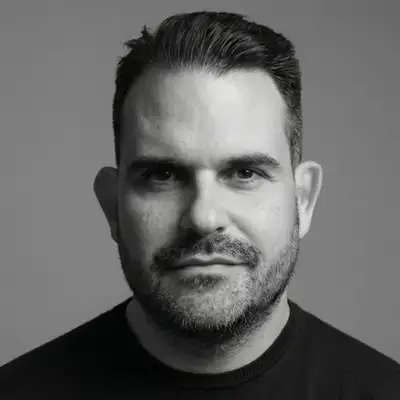
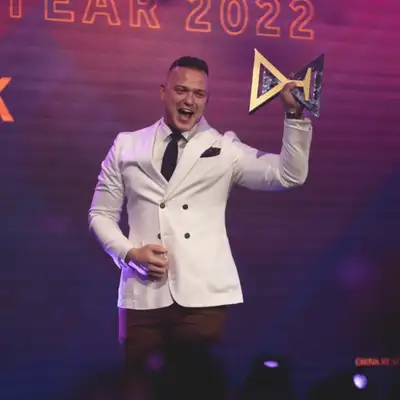
This is the second part of the chat between Chris Maffeo and Adrián Michalčík. He is the Global Winner of the Diageo WorldClass 2022 and Global Top 6 in 2016. He is the Director of Mixology at Pier 42 in Oslo. Main topics discussed: • What happens after selling the first bottle to a bar • How to drive rotation in bars • Visibility: Back bars, beverage menus, and cocktail menus • Support bars with physical and development tools • Being specific vs. versatile on a target occasion About the Host: Chris Maffeo About the Guest: Adrián MichalčíkHi, and welcome to the Maffeiro Drinks Podcast. I'm Chris Maffeiro, founder of Maffeiro Drinks, where we provide a non nonsense approach to building drinks brands from the bottom up. I will be your host, and in each episode I will interview a drinks builder from the drinks and hospitality ecosystem. In episodes seventeen and eighteen, I had the honor of interviewing Adrian Michalczyk. He's the global winner of the Agio World Class 2022 and global top six in 2016.
Chris Maffeo:He is the director of mixology at Pier forty two in Oslo. He has an incredible drinks experience in various markets. I hope you will enjoy our chat. Remember that this is a two part episode. So if you liked it, feel free to listen to both part one and two of our chat.
Chris Maffeo:Talking about this, I mean, this is a very interesting. I like to gain as much knowledge from you as possible because this is really beneficial for me first and for our listeners. But like, I usually call it the sell out ladder, like the steps to get selling. And you mentioned the brands get listed and now basically that's the first step. And now you're in, like I always talk about hunting and farming.
Chris Maffeo:How do you sell the first bottle to Adrian? And now I would like Adrian to sell more of my brand. And usually, I mean, like the, let's say the holy grail for companies is the trio, you know, the back bar, the menu and the cocktail menu and how I get into this and the listing. And in my experience, I mean, the first two are a little bit easier, like back bar, probably there are higher chances, but then like it's a little bit tougher to get more presence, right? So what's your experience on that?
Adrián Michalčík:So like, if we have like some new brand which we have listed and believe in that product, we want to use that, so then we are creating some cocktail with this product and it's not just standing on a shelf. Then also if we see an active approach from the brand representative, so of course then we have more kind of personal connection and we are motivated to use this product even more. Then other part is of course financial support. We also are creating the drinks with the storytelling and we love to serve this cocktail, not just as a liquid in a glass, but build around also with a way of serving. So for example, we need to buy some nice glassware.
Adrián Michalčík:We want to execute liquid on the highest level. Modern trends in our industry, they require also to use sometimes modern equipment, for example. So we need to buy all of those things. So if we have a brand which is good quality and there is a personal approach and attention from the distributor to our team, then they are able to offer us some financial support and support us with the development of new flavours to follow the modern trends and create a product which is trendy, for example. So then of course that's extra motivation for us because we will say no to a brand which is high quality.
Adrián Michalčík:Someone is visiting you at the bar on a weekly basis and he is giving you money to buy Send Refuge, for example. So of course you are very motivated to use this product, right? I think that maybe this is the way, if someone wants to sell some brand into the bar, these are kind of points which we as bartenders are looking for. Here in the Nordic countries it's also a little bit different situation because here the brands can't promote alcohol, they can't create a campaign, so they have some extra spare budgets which they can maybe spend to bars or give to bars. And we're also listing products on, for example, Signature Cocktail list, with of course some price.
Adrián Michalčík:So we're trying to also get the budget for us that we can follow the trends or create something extra in a liquid formwork for our guests. So if there is a chance to get the financial support, of course, it's just a plus for us, our bartenders.
Chris Maffeo:Nice. If I take a step back now, like, and focus on the back bar, like there's a lot of push, like, with all the companies I work with and worked for to get on the back bar. We need to get a phasing on the back bar like visible distribution, it's cold and so on. Do you think in your experience, is that enough to create some rotation? Do in your experience consumer actually look at the back bar to choose what to
Adrián Michalčík:drink? Or
Chris Maffeo:how does it work? Yeah, would
Adrián Michalčík:say like back bar, it's kind of showroom of the brands, definitely. People there are many times like looking into back bar through us as bartenders, you know, and they are like looking for some cool product, which maybe they know or they might be looking for something new, for example. I saw people picking up the product based on the beauty of the package, you know, like, Oh, this bottle looks cool. I'd like to have a shot there. What is that?
Adrián Michalčík:Oh, whiskey. I don't drink whiskey, but I will actually take one because it has nice bottling, right? So I think, of course, it's important, you know, because many people are trying new things and they are seeking for something, or they are basically more conservative that they know one brand and they want to drink it all life, and if they see it on the shelf, they automatically pick it up. I think there is definitely a power and a visibility, for sure. However, there are also some bars which, for example, are not showing the brands.
Adrián Michalčík:I saw the bars which are, for example, re bottling the spirits into neutral looking or clear transparent bottles only. So it really depends on the bar, but we have shelves at our bar and I think it can also tell us a lot about the bar, which kind of products you have there. If there are more exclusive products, for example, at our bar we have age statements, like 15 plus for the whiskeys. You will not find twelve years old whisky in our bar or even younger. So it's kind of more exclusive and also how clean can be a big bar, how the bartenders can take care about this.
Adrián Michalčík:I can also tell you a lot about the bar. I traveled in a couple of countries in Asia and that's a funny thing, speaking about the modern trends which we touched on. I saw the bars which they have like Rotavap for a distilling straight behind the bar, now it's super trending in Asia. And there you have a shelf above where you have open vermouths, which are crying like, Please put me into a fridge. I wanted to see also your reaction on this one because you are Italian person and you know the vermouth definitely wants to open it, like, the wine is alive.
Adrián Michalčík:No. Like, they need to be stored in the fridge. Right? But, you know, that's that's it, like, that I saw also this on a back bar somehow. And, yeah, like, that's again the thing that we as bartenders, we definitely should be hungry for improvement and the knowledge of modern technologies, but we definitely should also know the basics and don't try to overstep and take care all the products in a proper way.
Chris Maffeo:And I mean, coming from beer, like I discussed this many times with people is that I was trained in rotation because of course like beer as a shelf life, like talking about your Vermouth example. So for me was always like, okay, I want to sell my beer brand where I know it will sell out because otherwise they are going to throw away the keg and or even worse like you know serving it even if it's suboptimal if not you know like dangerous for health. So for me it was always like okay I sell to Adrian if I know that Adrian is selling out because I don't want to just sell one bottle to Adrian. But in spirits talking to a lot of salespeople, I have the feeling that there is less focus on this and more focus on, okay, Adrian has put my brand there. It's a nice showroom, as you said, you know, my bottle, the Maffei or whatever drink is behind the bar, is behind the back of Adrian.
Chris Maffeo:So it's an advertising shell for me. And I don't really care if he sells it or not, you know, I just want to be there. So the tendency that I see is that people put much more effort in distribution, taking, you know, gaining ten, fifty, 100 Adrians without really spending time into working with you to really say Adriane, like how can we grow the sales and not letting that the bots are getting dusty on the shelf, right? What's your experience on this, like from salespeople from the spirits industry?
Adrián Michalčík:Speaking about this, definitely it will be Michel Amaro or Bitter, right? To be able to be on a shelf because Vermud will be in the fridge.
Chris Maffeo:I'm thinking about actually thinking about that. Never said it to you, but I have some ideas for you.
Adrián Michalčík:So I think if once you will make your brand, maybe add some nice Amaro or someone, I think that it will be much more focused also to motivate me or bartenders in the bars, where your product will be. You will probably not do that only for visibility to have just like bottle there, because that's kind of approach which it's like kind of chance which is not really used properly. I think like visibility is one thing, like to have a bottle there, but still like Barre, it's a business, you know, and everyone wants to do sales, right? Everyone wants to sell more and more. So I think with the active approach, if you will be coming to bars and you will be giving new examples to bartenders, how they can use this product, how maybe versatile can this product be, and why they should use this product, so then you can push on your sales and you can support it.
Adrián Michalčík:Some brands maybe, they want to have just the visibility, but I think that's kind of why, you know, because as I said, it's a business and everyone wants to create the numbers. I think it's very important to of course get on the shelf, visibility is one thing, but then motivates people to work with the product and also actively offer that product to the guests. As I said, this is creating extra value. If the guest loves that product, he might buy that even in a shop, which is again like growing on the numbers on the off trade market, right? Your brand.
Adrián Michalčík:And then maybe there is a party at home and he will buy the bottle and he will say, okay, like this Amaro is actually amazing, guys, did you try it? And they will say, Oh, they will try and they will like it, so they might buy the bottle again. And you can basically, with the active approach, starting maybe with bartender and visibility on the shelf, if you have this active approach, you can create much more of sales, not just at the bar, but also besides bar, right? So I think to be active, it pays off on all the levels, definitely.
Chris Maffeo:Nice. Always great advice. That's another gold nugget there for people who start and not to focus on the Truman Show, as I call it, but to really move
Adrián Michalčík:Absolutely, but like, know, industry is all about the people, right? So I think it needs to be kind of personal. That's also the goal of the bartending, to be personal, not to just show off. And with the brands, I see that as the same. Someone really cares about the product and he wants to make this product successful, this is super important to try to become a personal and to really convince people to use that product, to really make them believe in that product.
Adrián Michalčík:It can, as I said, it can create the other wave of the sales on trade or off trade markets.
Chris Maffeo:Yeah. And actually, like this is a great point that you're raising because I have a bit of a, let's say, let's call it like a controversial take on about how personal this industry is. First of all, I agree with you totally that it's a people business and we all, you know, together in this journey, like we are ultimately in a socializing kind of environment and industry. But sometimes I feel that from brand perspective is a little bit overrated. It's like, oh, Adrian, of course, he's my best friend.
Chris Maffeo:He's a friend of mine. Yeah, of course, like, you know, and hugging and kissing, you know, when we meet. But then ultimately, the space is limited, right? Like so I see a lot of people that launch, I mean you raised my example as a potential, you know, brand owner, a future brand owner. You know, I feel like a lot of people get into that trap, right?
Chris Maffeo:Because they say, okay, Chris is very well connected. He can launch his brand any day and he has a lot of friends in the industry. So it will work. Ultimately, if I take a brand like, let's say a bar like yours, I always give this example. I did it in a presentation I held at Bar Combat last year and I said, ultimately each bartender or bar owner has got 50 friends that own a brand and they've got 30 spots in the back bar and 10 spots on the menu.
Chris Maffeo:You know, so there's either 20 or even worse, like then 40 people that are out of the game. What's your take in this and what's your advice on relying on because I'm a big advocate of creating a commercial system that enables you to add on the personal touch? Because personal is the start, but it's not enough for me. So what's your take and feel free to
Adrián Michalčík:challenge me. You know, that's, I think, of course become personal, but also stay active. You know, if we have a product and if you have other 49 products which possibly might end up on a shelf, I think this is an open game for an active approach, innovation, and come up always with new ideas. As we spoke about the guests, this is up to bartenders what they will be probably drinking next year and a year after. And also brands can maybe come up with new things, you know, and then become better than the other brands and get the spot on the shelf and maybe on the menu or create the sales.
Adrián Michalčík:So I think like to become personal, stay active and come with new ideas and innovation. That's probably the other thing. Because there are many brands which are here with us, like for decades, Many people are drinking it from the habit. Okay, I always drink martini based on this gin, for example. But also, that generation of people will not here forever.
Adrián Michalčík:So what we need to do is actively push even for the brands which are here with a longer history, you know. Many, many brands that are doing that actively, that they are coming with innovation, are reflecting on the modern trends, and they are trying to show the way to consumers or bartenders how to use this product in a new way or new light. So I think this might be a good tip for being successful in the bar industry. Definitely always trying to find new ways how to use that product and always come up with the innovation. So definitely stay active.
Chris Maffeo:I mean, love this thing, like rather than just being connected, like being active because that's the ultimate thing. Because I also see brands that, you know, like they're out there collecting dust for like they became like vintage brands on a back bar and nobody is ever ever going there. And to this last point that you raised about the versatility of the product and being in line with the newest trends, I work with a lot of companies and the bigger brands, they tend to to have like a drink strategy. You know? Like this brand goes in whatever, margarita.
Chris Maffeo:This brand go you should drink it in the Negroni. This one, you should drink it with tonic. This one you should drink it with ginger ale or whatever. That's your level of bartending and mixology. If I were you, I would be like, what do you want?
Chris Maffeo:You know, like, let me do my job and I will decide how to treat this product. So what's your experience and what's your take on, you know, when somebody comes in and say, okay, this product goes with this and this and this because there's a thin line between them recommending and dictating, you know? It's like not
Adrián Michalčík:Yeah, it's, know, that's something like if some brand representative is coming to the bar and he's like saying my product is actually the best, right? Like if you have like this kind of liquor, always use that in this cocktail or this spirit always use with the tonic, for example. But I think I see that as an incorrect way, kind of, as instead of dictating and telling straight to bartender, you should do this one, yeah? If I'm representing some brand, I will try to find a different way for this one because it's very limiting to just like give one advice, like this spirit should go with the tonic and that's it, right? From my point of view, if I have a chance to represent some brand, I will try to create many different ways how to use this product and then present this to bartenders and give them free hands and pick, you know, like how they want really to work with this product.
Adrián Michalčík:I think it's all about the knowledge, because if someone is saying, right, my product should be just drunk with a tonic, then I think that person has not really deep knowledge or is not really creative, you know. So then maybe the brands, they should start collaborating with the people which are visionaries, has a knowledge, they are creative. And then, for example, we did this project with Singleton Whiskey, where I have been showcasing how whisky can be versatile. Know the whisky spirit just from the world of serving it neat or on the rocks or maybe in old fashioned or Manhattan, right? But my target has been to showcase that we can drink whisky even in different ways.
Adrián Michalčík:For example, combined with the floral notes and carbonated as a sparkling aperitif cocktail. And we can do that. We can create something nice and silky with the whisky. Or in a whisky we have plenty of different notes, from fruity across nutty, we can go almost umami many, many different flavor profiles. So if the brand really wants to push for the sales and come up with something new for bartenders, I will definitely see as a vehicle some collaboration with a person who is creative, who has enough of knowledge, and will showcase to bartenders or to people in general that this product can be used not just in one way, as a highball with the toy, but it can be used in 10 different ways and you make your choice.
Adrián Michalčík:I think this is also making people much more comfortable because they have an option, they have a choice, right? So they don't feel like extra push to use this product only in that one, and you always need to use this product, in this cocktail, because it's the best, you know. So this is not the correct way how to do upselling and how to present your product. In my eyes, the correct way will be like we have this product, we believe that it's great quality and it can be used in these 10 ways at least. Of course, if you come up with something new, can drink it like in whichever way you like it because it's always your drink, but I'm giving you like a palette of the opportunities how to use this product and you make your pick.
Adrián Michalčík:So then you feel like okay, I can trust in this product because I can really drink it in the way how I like it and you can see you are not just taught to drink it always this way, you know. So this is how I will probably work with the product if I can represent any kind of brand.
Chris Maffeo:I'm just thinking like where, let's say, do you draw the line? Because I see a lot of brands that are going a little bit, you know, they are taking a little bit too far now. Like we have seen the spritz trends, you know, the gin and tonic trend and so on. So I feel every single brand is trying to do tonic, ginger ale, spritz or whatever. Now, the category is and as you said, mean, coming from Italy for me, spritz, there's only a few kind of like products that can make a spritz.
Chris Maffeo:But sometimes I feel that marketing department of companies are taking it a little bit too easy, no? That they say like, oh, okay, like spritz is working. Let's do a spritz with this brand. And then, you know, like, I don't know, now I've just made it up, like a whiskey spritz, you know, it would be a little bit odd for me. Where would you draw the line on, or your advice to brand owners or ambassadors?
Adrián Michalčík:Yeah, to be kind of versatile and try to come up with new things, of course, it's great, but it can be too much sometimes. The lines, in my eyes, they will be probably set by the quality and flavour profile of the product in general. Also, like if you're speaking now about using the brand or the liquid in the cocktail, I think as a bartender, I see that we're always trying to understand the brand, understand the liquid and then support our build around. Of course, if we have a whisky, then probably we don't do spritz, but we can always do some carbonated cocktail. We can use that in a way like some daisy or sweet sour top up with bubbles, for example.
Adrián Michalčík:That's a little bit different, you know. So I would say it's very important to have a knowledge about the brand. Don't overstep completely. Try to convince people that you can drink whiskey with pink grapefruit lemonade because of course you can find their citrusy notes. That's why, right?
Adrián Michalčík:Like you don't have really citrusy notes in a whisky. But you always, with enough knowledge, you can always find a way how to incorporate, for example, notes of grapefruit. But we need to kind of connect grapefruit and whiskey with a bridge of the other flavor. This is exactly the way how the chefs are working. Putting two things together, which you will never say that they can go together, but they are connected across the one extra flavor, which is the middle flavor is matching whiskey and middle flavor is matching also the pink grapefruit.
Adrián Michalčík:So you can always kind of connect it, but you need to have a really great knowledge and understand the product, you know. So I would say where the lines are in this age, it's very hard to say, but I think the quality of the product and understanding of the product can give us maybe the borders, which we can maybe get close to border with not knowledge. If we cross this border, we'll look probably stupid. I think we need to have knowledge if we work with whatever, you know, knowledge is the king.
Chris Maffeo:Yes. Otherwise, it's just like improvising and so on. And I'm always talking about having a target occasion for brands, no? Like I always have these examples like, I mean Aperol with the Spritz or Campari with Americana and then Negro. Like, let's say they became famous with one target occasion.
Chris Maffeo:But like we also spoke about the versatility and so on. So what would you recommend like to, let's say, pick out of the, let's call it the 10 option like you mentioned before, you know, pick the one or two to become famous for and push and then still give room for alternatives or because sometimes I feel that people want to be a jack of all trades, know, like they want to feed every occasion. This one you can drink it before dinner, after dinner, during dinner, when you go to sleep, you know, like it's like, okay, but give me a hook to have an idea. What's With your view
Adrián Michalčík:the brands we are trying, of course, to create image, right? This is something what I will be focused for probably, that if I have like a product, I will probably do like my pick, one or two picks, where to use it, when to drink it and so on, and try to build strongly about this one. Try to build the image and DNA of the product in general. Of course, then I will try to uncover as many possibilities for usage of the product, but then I will just leave it probably up to guests. I will just try to probably push for one or two drinks based on my spirit and build a kind of image around this one.
Adrián Michalčík:To pick up like one, two strong things and push for this one. Give the opportunities to people to maybe use that product in different ways or occasions, But then don't try to kind of convince people that, yeah, you can drink it morning and evening and during the night, it's perfect also during the noon, you know. So that sounds a bit silly and like too much, you know, like too big push. And I truly believe that the product has a bigger power if people will find out there's beauty and they will start believing in the product by themselves. Know, if you go around and you're saying like, this product is the best one, so then you might actually create the opposite effect that people will hate it and they will not believe in the product at all, right?
Adrián Michalčík:So give people free hands and let them decide.
Chris Maffeo:Nice, nice, nice. Last point that I have is that we touched upon the cocktail menu, know, and I've seen two worlds in the on trade business. There's the more, you know, influential outlets and the top outlet like where you work or where you worked in the past and then the more kind of like average bars, mainstream bars and so on. What is your experience on when brands get on the cocktail menu and they manage as we discussed to get there? I've seen in some places there's a there's a branded menu, brands are mentioned on the menu and in some other places brands are not mentioned on the menu, you know?
Chris Maffeo:And I tend to see that it's easier to see it in, let's say, more mainstream bars, you know, that because the best bars like they don't actually want to mention brands. What's your take? And also like to manage expectation of brand owners that are always pushing like, I need you to put the brand on the menu. Then it's like, Okay, I got I managed to get listed with my brand in Adrian's bar. He made the cocktail with my brand, but he doesn't want to mention the brand, you know, like people will know, he will say to people when they order, but he doesn't want to mention my brand.
Chris Maffeo:So what's your take on this kind of
Adrián Michalčík:look like I of course understand that everyone wants to be super visible, right? I feel it like it's a quite big push if someone is telling me really like not just use this brand and it is not enough to just speak about that or have it written on the menu, but you need to run around the world with a bottle in hand and tell everyone that you have been using this one. I believe the brands which kind of understand the game and they believe in this product, they really don't need to ask for these kind of favors from people. If we as bartenders believe in that product, we'll be of course presenting it. We'll make sure that the brand is visible somehow, But extra push from brands to us, I think it can create just opposite effect.
Adrián Michalčík:Should be natural that we want to present the product and we believe in the product. So if I'm representing a brand, I will try natural trust in people, rather than to push for that massively and maybe even risk losing these bartenders, because you pushed too much, right? I think the natural way has its own beauty always.
Chris Maffeo:Absolutely. One very last question. You are having a great career. What would you give as an advice to people that want to, let's say, follow your footsteps or that they are starting to enter in the industry now and they see you as an inspiration? What kind of advice?
Adrián Michalčík:Many people are texting me that I just started with bartending and what is your advice exactly? Or what I should do, you know? And I'm always trying to answer to everyone. Of course, we are human beings, you know, and as we mentioned, this industry is all about the people. Our first advice is to stay a human being and try to understand really that this is all about the people.
Adrián Michalčík:So you need to also love people to be able to work in the hospitality industry. So the first thing is like, be a human being and love people. Then of course, the second thing, we spoke about it today many times, try to be personal, try to be present for people. Because people can also feel you, if you're serving some guests, if you're really there, or if you are doing that just for money and you basically don't like the job, or you don't really mean what you're doing or what you're saying. So be human beings, try to become personal and definitely be present, give people attention.
Adrián Michalčík:And then of course is knowledge. Knowledge is giving you confidence. Then many times, people without the knowledge, they are kind of under stress, right? They don't know how to answer the questions and so on, so they are not really able to show their real personality and give their best. So knowledge is giving you the confidence and then you don't really need to think about what to answer.
Adrián Michalčík:You can showcase yourself in the best possible way. These things are advices for the bartenders. Always of course stay hungry for knowledge, try to improve on daily basis because that's the thing also with the competitions which we mentioned today. We don't compete against the other bartenders, but we compete against ourselves. This is how I saw also the competition in my case.
Adrián Michalčík:I came back to global stage to try to beat myself, became better than I had been there last time. And that's whatever you do, whichever kind of job, you should have a vision of becoming better than you have been yesterday. This is the evolution, this is life about in my eyes. But yeah, for the bartenders, definitely understand that this is the industry of the people. So be hospitable, be present, love people, and then gain as much as you can of knowledge, because that can give you the opportunity to really shine and be present for people there for 100%.
Chris Maffeo:Beautiful words. Like it's really helpful and I hope people will take it and really listen to it because I still remember when I joined S. E. B. Miller back in the days, there was an old gentleman working with Cognac that had the speech and then we had the recording of the speech.
Chris Maffeo:And I must have listened to that recording when I was driving from Prague to Pilsen to the brewery like every single morning, it was exactly like forty five minutes pitch and I was playing it in a CD. And then I lost the CD, but I remember it by heart, you know. And that guy was so inspiring for me. And I think it's our role to pass it on to the future generations. You mentioned it also with brands, you know, brands that were famous in the past that are kind of like rottening, you know, because if people stop buying them, you know, only rely on people that used to drink it and I used to drink it for twenty-thirty At some point they stopped drinking for any reason and the newer people don't know what to drink.
Chris Maffeo:So amazing words. I leave you like a space for a couple of words on how people can find you.
Adrián Michalčík:Of course, can find me on social media platforms, on Instagram or Facebook, just adrianmichelczyk or on my page adrianmichelczyk.com. They can find information there about me. And of course, I will be most happy to welcome people at the Bar Pier 42 here in Oslo, at Hotel America Linen, and I will be very happy if I have a chance to host some of you and create some memorable moments. We spoke today actually about the products quite a lot. It was a very, very different conversation also for me, but very nice.
Adrián Michalčík:Thank you very much for that, Chris. In general, I will also say one last thing that many times we don't really remember which brand has been in a drink or what exactly has been in the drink, but we definitely remember how that bartender or that product made us feel, you know. And it's something the brand representatives should understand that, okay, if you're trying to sell the product to bartenders, try to become definitely personal and create a connection with the person, because there are still just the products on the other side, but this is the humans industry and that's most important. So if there is no connection or no relationship between two people, you know, it's very hard to do the business, right?
Chris Maffeo:Absolutely. Absolutely. So thanks a lot, Adrianne. It was super helpful, super interesting, a very nice conversation and I gained a lot of knowledge firsthand. So thanks a lot and I appreciate it.
Chris Maffeo:I hope to have drinks with you soon. Let me know when you're in Prague.
Adrián Michalčík:Oh, I wish that I will visit Prague very, very soon. Know, it's one of my absolutely favorite cities on the planet. So I will be looking forward to meet up in person again and have a day go to Greece. Thank you very much for having me and have a lovely day.
Chris Maffeo:My pleasure. Thank you. Remember that this is a two part episode. So if you liked it, feel free to listen to both part one and two of our chat. That's all for today.
Chris Maffeo:So thank you for joining me on the Maffeiro Drinks podcast. I hope you have gained valuable insights in these episodes. If you have enjoyed the content, please review it and share it with friends and colleagues. I would really appreciate it. Don't forget to subscribe and follow the Mafir Drinks podcast on Spotify, Apple Podcasts or your favorite podcast platform.
Chris Maffeo:By doing so, you'll never miss an episode and you'll stay up to date with the latest interviews, stories and strategies shared by industry experts. I truly appreciate your feedback and suggestions. So feel free to reach out to me on social media at mafjordrinks or through our website mafjordrinks.com to share your thoughts, guest recommendations or topics you'd like to explore in future episodes. Until next time. Cheers from the Maffeiro Drinks podcast.
Chris Maffeo:And remember that brands are built bottom up.
Creators and Guests