Wine for Everyone: How Brodie Meah Took Top Cuvée from One Restaurant to Retail to National Distribution | 111
Summary
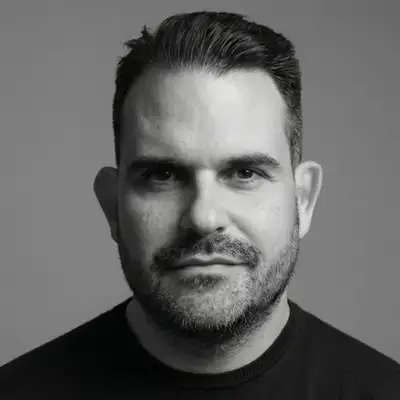
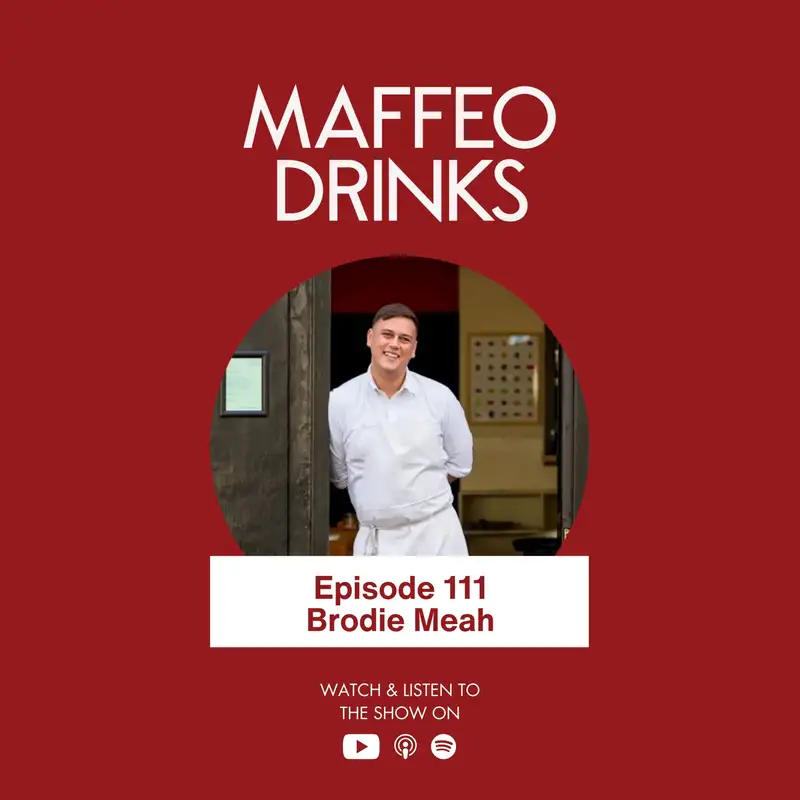
Brodie Meah, co-founder of Top Cuvée, reveals how one neighborhood restaurant in Highbury became the foundation for a "wine for everyone" movement that achieved national distribution. Starting in 2019 with 40 covers nightly, Top Cuvée's journey from restaurant to retail to wholesale exemplifies bottom-up brand building. Having witnessed fine dining's intimidation tactics firsthand in Melbourne, Brodie flipped the industry's most exclusive phrase:"top cuvée" (wines deemed too good for regular guests) into a symbol of accessibility. The COVID pivot unlocked game-changing insights: wine labels matter enormously in retail but not restaurants, £8 glasses translate to £22 retail bottles, and wine's aversion to "openly commercial" marketing creates opportunity. By building trust glass by glass, turning regulars into brand ambassadors, and proving neighborhood hospitality can scale, Top Cuvée transformed from one Highbury restaurant to shops to national wholesale—keeping "wine for everyone" real. Timestamps: 00:00 From Fine Dining to "Wine for Everyone" Philosophy 03:00 One Restaurant to National Distribution Journey 06:00 Wine Intimidation and the Leather Entrance Story 09:30 Flipping "Top Cuvée" from Exclusive to Inclusive 12:00 Why Wine Bars Shouldn't Feel Educational 15:00 Building Community - The T-Shirt Customer Story 18:00 Labels Matter in Shops, Not Restaurant Lists 21:00 The £8 Glass = £22 Bottle Sweet Spot 24:00 Wine's "Dirty Word" Marketing Problem 27:00 Trust Engines and Part Two PreviewThis is Maffeo Drinks. In today's episode, I talk to Brodie Meah. This is a very interesting episode because I talked to a founder that has actually created an entree venue, so a restaurant in this in this case. And then during COVID, he pivoted into a a retail, And at the same time, then he created his own wine brand.
Brodie Meah:And that's where we learned a lot about the look of a bottle because, you know, in restaurants, it doesn't matter what the wine looks like because it's on a wine list. So label's really not important visual, but in retail and ecommerce, it's, like, the biggest thing.
Chris Maffeo:We talk about the bottom up trade. So all the venues where you can actually tell a story and really build brands. So and in this case, what Brody does is very much aligned to the to the bottom up trade. So whether he's a restaurant or a retailer, there is always this element of speaking to customers and having someone to actually guide that conversation. Brody talks about his experience of working in fine dining establishments and how he developed his own concept with a with a philosophy of wine for everyone.
Chris Maffeo:So wine shouldn't be anything only for the elite.
Brodie Meah:Going to a wine bar shouldn't feel like an educational experience.
Chris Maffeo:We talk about how to make this kind of bottom up trading establishment welcoming for guests and for buyers, shoppers.
Brodie Meah:Making people feel uncomfortable. I mean, that's exactly what I mean about the intimidation factor that exists. We never take it there. If you want, then you can ask us,
Brodie Meah:and then we'll give you all the information that you desire.
Chris Maffeo:And then we talk about the differences between marketing wine and spirits and beer and how does that changes into into different perspectives. So I don't wanna spoil the episode. Let's dive in now. Hi, Brody. Welcome to the Maffei Drinks podcast.
Brodie Meah:Hey, Chris. Thanks for having me.
Chris Maffeo:That's an honor to have you. I've been following your journey. I was just telling you from the old COVID days when I was studying The UK market and trying to understand what was happening and how brands were working, how on trade was working. So it's a pleasure to have you and host you.
Brodie Meah:Yeah. Thanks. Dark times for The UK and the world, obviously, but actually for us, made the most of it and tried to spread a lot of positive energy during that time.
Chris Maffeo:Fantastic. So let's start, let's dive in. I want to start with giving a bit of an introduction about TopCouve. Can you explain for the listeners what is TopCouve and how you started and how it's developing? And then I'll ask you for more information on different topics that we'll discuss today.
Brodie Meah:Yeah, absolutely. So Top Cube started as a local neighborhood restaurant back in 2019. Think that's all we ever wanted to be. That was my background in hospitality, worked my whole life in hospitality and moved to London, start my own business and opened a restaurant. It was going amazingly well.
Brodie Meah:We built a little community in Highbury in North London. And then just when it got to the stage where we were like, okay, this is actually working, you know, we can pay the bills that we've been open a year, we've got regulars, COVID happened. So that was that's first big test. And we pivoted to retail during that time, immediately. That went extremely well, and that's due to our community for sure.
Brodie Meah:So we were very lucky with the time. We just built up enough people that wanted to support us, and they did in a in a very big way. And, yeah, like I said, in in the intro there, we focused on that time just about the positivity. We've been in our little neighborhood, and that really resonated with people. So we stuck with that positive message, and that's allowed us to grow that retail side of the business to brick and mortar stores in addition to our restaurant, which is still open.
Brodie Meah:And then I suppose that was quite a few years ago now, even though it feels like yesterday. So over the years of running from hospitality, then adding in retail, ecommerce was also happening alongside and still is. We wanted to continue to scale the kind of wine side of our operation that led us to working directly with some brilliant winemakers. And that opened the kind of door to the realities of well, if we're going to be importing wine, we need to increase our volume of sales. So that's where we started looking into wholesale, built a little wholesale part of our business.
Brodie Meah:And then I suppose the natural evolution of that was into more of a branded portfolio of products that we now distribute through our own channels and to many others.
Chris Maffeo:Wow. That's a journey. Yeah. You're basically touching all the, you know, many of the sides of the what I call the drinks ecosystem. Right?
Brodie Meah:Yeah. That's it. I think sometimes I've said it, like, oh, it's like a mini version of Diageo, which sounds stupid, but kind of is, you know, we've got brand and it wasn't intentional, you know, we didn't say, oh, that's what we want to do, but it's just kind of where we've ended up and it's really working for us, you know, it's great.
Chris Maffeo:So let's take a step back because what I was reading about you loved the fact that you come from a fine dining background previously, but now the slogan or the motto or the philosophy behind Top Cuvier is wine for everyone. Can you walk us through this change and this journey?
Brodie Meah:Absolutely. So when I was working in fine dining, it was amazing. You know, that was a really critical part of my education as a entrepreneur and also just as a service professional working for some incredible venues. Don't forget these venues get to be where they are because they're like so on it. It's like university for someone that wants to work in the industry.
Brodie Meah:I think if you can work in one of the world's best restaurants, you'll learn a lot about how to run a restaurant, but also how to run a business and learn a lot about life and how to be disciplined and all of that. So that's like loads of positives I took away from my time working in fine dining. And then the more negative side, which is after being there for a while and the kind of glitz and glamour starts to wear off and then you just kind of know what you're doing there. I know it's like fine dining culture was inherently anti customer. That's how I describe it.
Brodie Meah:So we have these big grand rooms and the restaurant I was working at the time in Australia had an entrance way that was like literally made of leather. And you walked up and it was dark and it had a certain aroma and yeah, it was an intimidating thing to walk into. Obviously, was all part of the show. Right? Then you walk in and the door was open.
Brodie Meah:There'd be three people stood in suits. Was just very grand and very fancy. But what I noticed from my time work in there over the years, it's like most people were like really intimidated and uncomfortable. So you spend a lot of your time trying to calm people down and trying to make people feel relaxed. And then obviously you'd show them a really kind of good time, but it just it didn't make sense to me why we're making something feel so out of touch and and difficult to unacceptable when really what we're trying to do is show people a good time.
Brodie Meah:And that was like the basis of of Top Cuvier. That's how the name came about because one of the sommelier I used to work with, if there was a really fancy and exclusive wine, he would be like, no, no, no, this is the Top Cuvier. And that meant, you know, this is not for you. This is the good stuff. Okay?
Brodie Meah:So this is the top, top couve. You cannot have it. So, yeah, that was kind of when we wanted to create a restaurant that was, like, accessible to everyone. We just took that phrase and then made sure that the branding and like the logo and everything and the service was super the opposite of that, you know, very welcome and approachable. That's why we have our kind of cartoon fonts and how our language.
Chris Maffeo:That's fantastic. I mean, what I really really resonates with me because this is one of the things, you know, for the listeners, you know, I'm usually talking much more about spirits, and it just happens. You know, it's not there's no line. I love all sort of drinks and, you know, with the name of third drinks, try to be inclusive of all alcoholic and non alcoholic wine, beers and spirits. And that's why I love to have this conversation with you because today we'll talk more about wines.
Chris Maffeo:And this is one of the things that I'm often finding and discussing in the podcast about cocktail culture nowadays, you know, and cocktail bars that feel they are taking that part of the fine dining experience and they are making it so exclusive, which is great in a way and grand in a way. But at the same time, it feels very intimidating and very austere. It's all about me making the drinks, you know, or it's sort of about me, the chef, you know, you are coming to see me and it's almost like, you know, shut up and listen, I will, I will guide you through a journey, which is not ultimately what people want. Let's say at scale. I mean, obviously you may be in that mood for certain anniversaries or birthdays or so on, but also, you know, you want to make that journey inclusive.
Chris Maffeo:One of the things that I'm discussing lately in the podcast is about how do we scale drinking culture in a positive way? Obviously not in getting wasted, but in a positive drinking, learning the history, learning the things, but also scaling because otherwise if we don't make it accessible to everyone in a obviously legal drinking age, it stays niche. It stays very posh and exclusive.
Brodie Meah:Yeah. Yeah. Yeah. And I totally get that. One thing that I always say to people that work at our menus is, you know, going to a wine bar shouldn't feel like an educational experience.
Brodie Meah:And oftentimes, we're like, oh, yeah. True. And we've all been there. You know, my favorite example is you go for a catch up with your friends. It's after work.
Brodie Meah:You got time for two quick drinks. You get to the bar. What do you want? You want a drink that tastes good, and you want to catch up with your friend, the drink is additional, it's supplementary. It's great.
Brodie Meah:Obviously, you want good quality and to enjoy that, but the real reason that you're catching up with someone is like social connection. And I think some people would do well to remember that when they're working and serving people you know it's like what do you want like when you're at like a wait tonight I'd say oh what's your fancy drinking and then I'll just I don't know, like a glass of wine. Fine. Okay. So what are you feeling?
Brodie Meah:I wasn't like I just want something that tastes nice and catch up with my mate here. But so often, especially in the more exclusive kind of high end of of the market, it's like, oh, you're going to get a whole history of this domain and it's just not, you know, it's good. And you need to know that when you're working in the industry, like you have to be professional, you have to have that knowledge. But
Chris Maffeo:I think it's you. I'm always talking about occasions now, you know, different type of occasions. And it's about I discussed this with Federico Riezzo's and it's an earlier episode. And, you know, I'm discussing the fact that, you know, you need to read the guest and read the room, you know, and sometimes you also don't want to kind of embarrass that guest. And and specifically when we're talking wines or spirits, you may come with your, you know, friends or partner or whoever that is, and you don't want to look like, you know, you don't want to look silly with some of it.
Chris Maffeo:It may be a first date with someone, You know? And then all of a sudden, you know, if I put you on the spot, you know, what do you like or not? That drink is not for you. And, you know, there's so much often, there there's a very thin line between welcoming people and going a little bit off pissed on that.
Brodie Meah:And making people feel uncomfortable. I mean, that's exactly what I mean about the intimidation factor that exists. We never take it there. If you want, then you can ask us,
Brodie Meah:and then we'll give you all the information that you desire.
Brodie Meah:If you join us in one of our venues, we're gonna assume that you trust us as well. We have to build up the trust in the first place to be able to be so nonchalant about it all. We believe that you trust us to have quality products on our menu, so therefore we're not going to shove it down your throat, you know, that knowledge. If you want it, please ask us. We love to talk about it.
Brodie Meah:We're going to assume that most people don't. And I'll be honest, you know, we've been open for five years and I think we're pretty confident now that we're right. Most people may just want to drink something tasty and have a good time and you know, maybe they get one fact about something and they can they say, oh, yeah, that guy knew his stuff.
Chris Maffeo:It's not easy to do something simple. That's the trick, you know? So the moment you manage to simplify what you do and how you explain things, then that's the moment where you give this, I mean, what they call social currency, you know, so that guest can show off with their partner or friends or colleague next time. Then maybe they'll bring you in and say, oh, yeah, let's have that wine that blah, blah, blah, blah, you know, and it's three simple things rather than the chateau and all the glamorous stuff, which is fine on certain type of other venues. But let me ask you about this, you know, the journey from on to off trade now, because you, you know, it sounds like you did it very bottom up in the, in that sense, you know?
Brodie Meah:Yeah. Yeah. It's very different. It's blessing and a curse for us because, know, like hopefully it comes across, right? We really understand our customers at the table, you know, like we know how to serve people and make them happy in a face to face scenario.
Brodie Meah:And that is really, really important to us. That's one of our core values as a company is that we just say everyone leaves happy no matter what any situation that's like one thing that we always just focus on. On the journey into more of a kind of drinks brand now where we've like more of a product business, that it's incredibly easy to make people happy when they're sat in front of you. Whereas what we're trying to do now is how do we make keep that core value and bottle that and provide people the same experience. But now we're not able to talk to them.
Brodie Meah:Know, I think our first experience of how difficult that was was with ecommerce. So when we first started ecommerce, it was really busy and we were doing lots of orders and with that, obviously, comes lots of challenges, you know, with, like, shipping and delayed orders and stuff like that. And at first, we were so devastated with every single any issue with an order. We were like, oh my god. This is a nightmare because we couldn't fix it immediately.
Brodie Meah:It just yeah, it's a very different customer service kind of challenge. And then once you go one step further, it actually comes into the communication I think and the storytelling that you have, right? So with those first two examples, it's pure customer service. And then once you've got your brand product business, it's how do you set people's expectations without being able to talk to them? And it it's really challenging.
Brodie Meah:It probably sounds like what it is. You know, this is a big learning experience for us that we're just working through now. And that's why I think it's a little bit backwards, because it's bottom up where we've come from hospitality. But now we're like, got these products, we know how to sell them face to face. But we're navigating the world of branding and brand building really, think is the that's like a really interesting challenge.
Brodie Meah:And you know, while we've got all this ammunition and information everything, it's really difficult to sort of tie that all together whereby if we started from the other way around where we get, okay, we're designing this brand and then we're gonna open shops and then do retail, I feel that would have been maybe easier, but just not as fun and not as genuine.
Chris Maffeo:Yeah. It sounds very familiar to me because it's, you know, now that you were saying this, it made me think of my life now, because, you know, I'm with the newsletter with the posts that I write about with the podcast. It's very challenging for me because I sometimes I feel like I'm speaking to a void. Then I see, obviously I see stats and I see people reaching out, but that's a handful of the people that actually listen. And, you know, for example, I just discovered that you were a listener, which I didn't know about because I see a number.
Chris Maffeo:I see someone from London listening. I don't see, you know, Brody. And it's very fascinating when you see that from a trade perspective, which is the moment that you're speaking to a guest, you understand that you can navigate, you get this instant feed loop because then it's like, oh, do you like red or white? Or do you like this one? Or do you like it fruity?
Chris Maffeo:And do you wanna be on a whatever Italian or Spanish or French? Or, you know, is it like in a country of origin? Is it a special grape? Is it and then you can instantly get that but you are not there where people are clicking on a website or or maybe if they're, you know, if they're sitting in front of a shelf and they just look at the shelf and they you have no idea what's going on in their brain because they are they're not speaking to the shelf.
Brodie Meah:Yeah. And that's where we learned a lot about like visual, just like the look of a bottle. Because, you know, in restaurants, it doesn't matter what the wine looks like because it's on a wine list. So label's really not important visual, but in retail and e commerce, it's like the biggest thing and no one likes to really admit that. And certainly in the specialist kind of wine trade, you know, it's like fancy labels.
Brodie Meah:It's just a gimmick. It's like not, not in, not in retail and certainly not in e commerce. Like a really, really important hook.
Chris Maffeo:And one of the things that I'm always talking about is that, you know, I coined this term, like I call it bottom up trade now that it's basically like a merge of on trade and off trade together. So where the brand building actually happens when people are inclined to hear a brand building story. It can be sitting at your restaurant or standing in front of your shelf and there is a clerk explaining to them what, you know, at guiding them because maybe they have to buy it for dinner. They have to buy for a present. And that doesn't really happen in certain type of what I call top down trade, which is more like the bulk supermarkets and also big restaurant on trade chains where there's just a waiter or waitress, you know, taking the orders like gin and tonic, and then nobody's going to explain to you, oh, this gin is made with these botanicals.
Chris Maffeo:How do you see this the different interactions between I mean, you you mentioned already, you know, the label, for example, but does the on trade give you the experience, the feedback loop, which you then take into off trade, or is it more of a circle off to on to off? What are the differences between on and off in behavior that you see on the guest and in choices and in what they're looking for?
Brodie Meah:Yeah. And that's a good question. I think one insight that we do know because it's really like as much as you'd love to have, like, oh, yeah. So we own a restaurant, we own a shop, so we know what people want. Customers, every single person is unique, So it's not like that simple.
Brodie Meah:And maybe that's just our approach as well because we take the hospitality style of service into retail. So it's like everyone who walks through the door, we treat them as an individual. So, yeah, we're not so good at pigeonholing that kind of like what people want necessarily because we just do it bespoke every time. But one thing that we have noticed, which is interesting, is like the price point of stuff. And what we found is things that work by the glass, that price range in a restaurant, that translates to the premium end of the off trade, if that makes sense.
Brodie Meah:So the wines that we in our portfolio that do really well by the glass in in our hours and in other people's restaurants and stuff, they're always the the best retail bottles. Does that make sense? So in a restaurant, it's the kind of entry point, but then in a off trade venue, it's the upsell because of the price volume there.
Chris Maffeo:If I understand correctly, you mean the entries of the lowest priced wine on a wine list that is what becomes the best selling per bottle in the off trade. Did I get it right?
Brodie Meah:Yeah, exactly. And I wouldn't say like the lowest price, but it's just the way our portfolio is. So wines that are selling for like, I think £8 a glass, they then retail at like maybe £22 a bottle. That little intersection is where the sort of magic happens because I think people like you know, because they've seen it in a restaurant as well. And it's like, oh, cool.
Brodie Meah:Yeah. I know that one. I've tried it. Buy it in the shop.
Chris Maffeo:And how do you choose? Because this is a very interesting thing. For example, how do you choose the ones that go by the glass? You know? Is it is the off trade feedback that is it like what I'm expecting?
Chris Maffeo:Let's say like, and correct me if I'm wrong, is that there's a bit of a feedback loop now that on trade feeds into off trade and then off trade feeds back into the on trade and then you create the perfect mix of things. Yeah.
Brodie Meah:Yeah. That's it. And I think some you're absolutely right. And that's something I think we just take for granted. You know, what our product range is, is absolutely a result of what people have been drinking in our bars and restaurants over the years.
Brodie Meah:And then now we're working with other bars and restaurants. That's just a hyper speed feedback loop now because what coincidentally or not, it was our best sellers, is now the bestsellers in all of those places. And actually, now we're doing bigger volumes, you can kind of see as well, this is what our project really for the next year is to really look at the top 10, top 20 lines and actually it's starting to resemble a wine list. So you've got an easy drink in chillable reds, a fresh approachable white wine, an affordable orange wine, sparkling wine And that has happened naturally, but obviously, because we're writing wine lists for people that it just sort of it's all come about organically.
Chris Maffeo:That's so that's so interesting because it's it's always the I mean, when when I take it from a spirits point of view, you know, there's always the, let's say, the gin and tonic or the cocktail, and then you mention the brand in the Negroni or or, you know, Sazerac or whatever that is. You know, then in theory, that will inform the consumer, and then they may go and buy it in off trade as a bottle because it's the famous the liquid on lips that they call in the in the industry now. So you bring it lower price point or let's say less of a risk to buy because it's cheaper to spend £8 than £22. And then I may go and buy the bottle because then I trust that I know the bottle now. And it's very interesting how that works.
Chris Maffeo:You know, in wine as well, because then you can have that feedback loop because they don't get the glass of wine in your restaurant and then they go and buy it elsewhere, but they actually go and buy it in your shop. So so it's, you know, you have that immediate flow of information and feedback, And it's great to see that, obviously, it sounds you have it in the back of your mind, so you don't really articulate it, but that's exactly what happens. You take it for granted.
Brodie Meah:Totally. And I think another little secret weapon is because you're looking after them in the restaurant, chewing them a good time, everything tastes a little bit better anyway. It's like when you have a pina colada on holiday. Right? It always tastes better.
Chris Maffeo:It's the Guinness in Dublin effect. You've got experience in spirits as well. You were working with cocktails and spirits as well.
Brodie Meah:That's my sort of original background was bartending and working in some amazing bars in Manchester, Melbourne, doing competitions and stuff like that. So yeah, lots of experience in the spirits trade.
Chris Maffeo:What would you say is the biggest difference between wines and spirits?
Brodie Meah:I think spirits like more just openly commercial in the way that they're marketing and selling their product. No shame to try and sell spirits. Whereas in wine, there's a lot of reliance on provenance and just let the wine speak for themselves. This is too pure of a liquid to market even though there's budgets being thrown around in the wine world just as there is in spirits. But I think the way people perceive it and talk about it certainly in the kind of like low intervention side of things as well.
Brodie Meah:Marketing is almost like a dirty word there. And yeah, that's something that we do differently in the wine industry. It's like, yeah, we work with these incredible kind of well made, low intervention, sometimes biodynamic organic wines, but we're not dogmatic about that. And, you know, we still recognize that, yeah, you need to push and sell them and get them in front of people and get that liquid on their lips.
Chris Maffeo:That's all for today. I hope you enjoyed this episode. If you can think of a couple of people that you think would be benefiting from listening to this this episode or watching it on YouTube and Spotify, please share it with them. I will be very thankful also if you if you want to rate the podcast. It helps people find the show.
Chris Maffeo:This episode was was a was a fantastic conversation. We, you know, we we're gonna have a second part released shortly. In this part, you know, like, all these elements of how to make brand building welcoming space for for customers and consumers, you know, the differences between wine and and spirits, marketing and sales. And also one of the topics that are very dear to my heart is how to deliver a premium experience, but also make it affordable to one end and also welcoming to the masses so that you don't have to only appeal to the elite and to the top end and the the top 1%, the importance of the middle ground. Now, obviously, Top Cuvace is a very high quality establishment.
Chris Maffeo:It's not really like a middle ground, but what I like is their philosophy of wine for everyone so that, you know, they can make it, they can make that bridge between top end hospitality, a top end retailer and regular, normal consumers and buyers that want to get familiar with wines. Come back for the next episode and remember that brands are built bottom up.
Creators and Guests