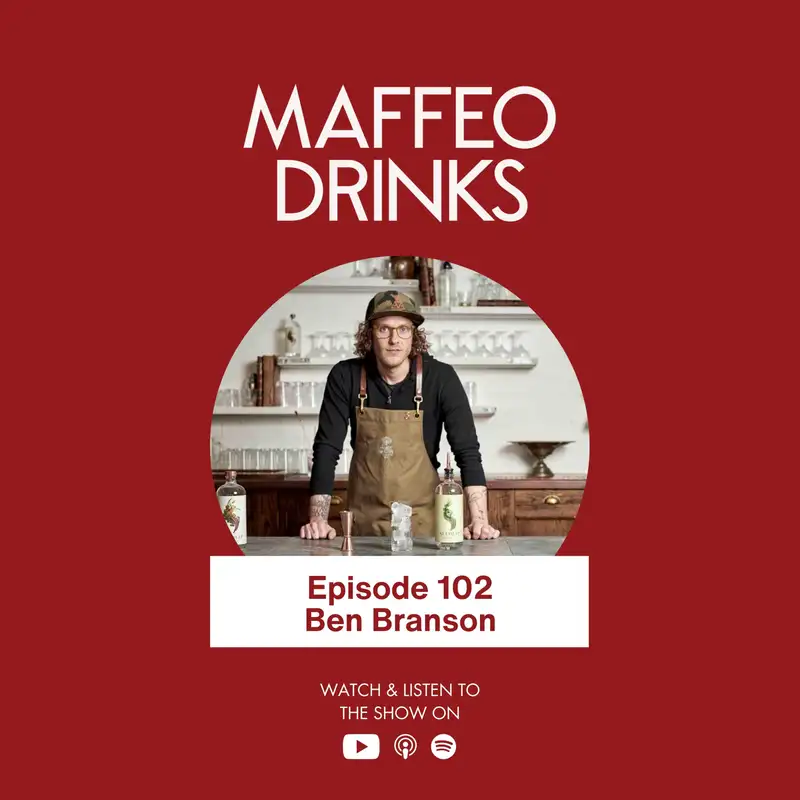
The 3 Core Things and 1000 People: No Cookie-Cutter Formula For Building Non-Alc Spirits for Ben Branson | Seedlip, Seasn, Sylva Labs. | 102
Summary
In this episode of the MAFFEO DRINKS Podcast, Host Chris Maffeo talks to Ben Branson, founder of Seedlip and now Sylva and Seasn, shares his journey of creating the modern non-alcoholic spirits category. From his farming background to launching the world's first distilled non-alcoholic spirits, Ben discusses the critical importance of building categories before brands, the evolution from direct-to-consumer to retail distribution, and his philosophy of three essential elements. He emphasizes the drinks industry's B2B2B2C nature, the value of premium credibility through top-tier accounts, and his current ventures, including Sylva (an aged non-alcoholic spirit using British trees) and Seasn (cocktail bitters). Ben's approach centers on properly developing products, understanding cultural contexts beyond liquid, and maintaining relationships with the influential "1000 people that matter" while scaling. 0:00 Introduction to the Maffeo Drinks Podcast 00:12 Meet Ben Branson: Founder of Seedlip 00:37 Building a Category from Scratch 03:10 The Importance of Choice in Non-Alcoholic Beverages 06:24 Challenges and Dynamics in the Non-Alcoholic Market 09:12 Understanding the Drinks Ecosystem 12:20 The Role of Occasions in Brand Building 13:51 Direct-to-Consumer vs. Traditional On and Off Trade 27:50 The Power of First Impressions and Credibility 32:28 The Importance of Influential Customers 33:27 Halo vs. Habit: Building Brand Relationships 34:22 Balancing Supermarket and Independent Distribution 38:43 The Role of Planning in Brand Launches 39:40 Learning the Drinks Industry 42:05 The Value of Experience and Patience 52:30 Navigating Competition and Protecting Your Brand 55:41 Final Thoughts and Key TakeawaysThis is the Maffeo Drinks podcast.
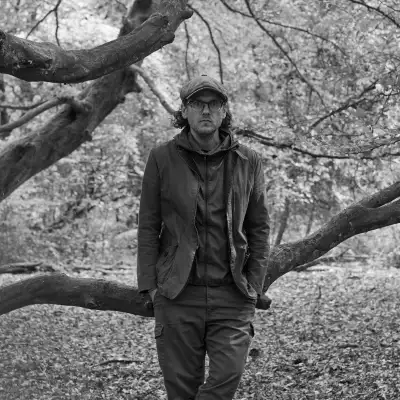
Ben Branson:It's not a cookie cutter kind of approach. One thing is really clear that unites, I guess, everything that I do and try and do is three things.
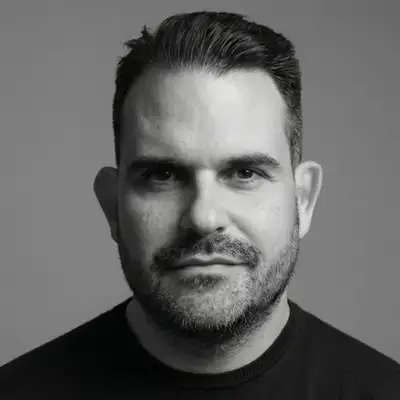
Chris Maffeo:Van Branson is the founder of Seedlip. He's the guy who created the nonalcoholic spirits category as we know it today back in 2015. Our conversation has not been about secret formulas, silver bullets. You know? Not a big fan of it.
Chris Maffeo:He has been very clear on this. He has been sharing his experience, on building a category from nothing, a lot of shoe leather to get into the world's best bars and restaurants. We tend to see the success in hindsight, but it takes a lot of time and effort educating somebody that is not familiar with a category that is actually brand new. He's sharing the fact that he has spent months in creating a launch plan, and he never looked at it again. We dive into this.
Chris Maffeo:It's a very interesting bit of the conversation. He talks about the fact that we don't want to focus on shortcuts and and short term hype. We wanna build drinks brands that are gonna be here for
Ben Branson:a long time, not a short time. Doing it properly will always I think we'll always win in the long run.
Chris Maffeo:Ben is also sharing what he's learned through Seedlip, his current projects, Sylva Labs and Season. He talks about why securing the first top accounts has really helped him to to build the category, to build the brand. He also shares very interesting approach to the category, to competition on a world of non alk that is totally different today from what we used to see in the early days of Seedlip. So it's a very interesting conversation, and I I hope you will enjoy it. Let's dive in now.
Chris Maffeo:Hi, Ben. Welcome to the Maffeo Drinks podcast. Thanks, Chris. Fantastic to have you finally. I heard so many things about you since my good old corporate days where we were working with alcohol free beer and there were always seed lip bottles and hanging around the office to get some inspiration.
Chris Maffeo:Fantastic. Let's start. It's a great honor to have you and finally get to talk. I listened to quite a few of your podcast episodes and I was fascinated. So I'll try not to ask the same questions because I don't want to fight with the uncensored CMO.
Chris Maffeo:It's an appeal battle to challenge that because that that's a great inspiration with John.
Ben Branson:Yeah. He was great.
Chris Maffeo:Fantastic. Let me quote you on some of the things. I'm a fan of LinkedIn and I'm always getting your posts. I like your openness in talking about the industry and the category. One of the things that is interesting for me is the fact that when you launched Seedlip, it was basically like a first mover in the category.
Chris Maffeo:You were building the category before building the brand. And this is one of the things that I'm often discussing on build the category, don't build the brand. Since those days, the nonalc and the low and no has hugely developed.
Ben Branson:Mhmm.
Chris Maffeo:And people see the potential, but you still get some challenges. People are still challenging. What's about non ALK spirits?
Ben Branson:Yeah. I think there's a couple of bits of really important context. One is it's no secret, but I find it interesting that nonalc beer, the first nonalc beer, was made over a hundred years ago. Right? Not like, non alc is not new in that sense.
Ben Branson:But it took then to the seventies and Bex Blue launching, and people kinda thinking didn't taste great. Right? And and then you've got someone like Athletic Brewing coming in 2016, 2017. And so you've got the kind of incumbent Bex Blue, and you've got the insurgent of a new brand like Athletic. And I've done this piece of work, Chris.
Ben Branson:This exact same thing has happened on vaping, on dairy free milk, on alternative meats, on alternative fuels. Everything happened a hundred years ago, then it all went quiet. Then a big dusty brand came in but was a bit rubbish. And then somebody else came in and actually catapulted the category forward when it was ready. So that's probably the first thing to say with non alc is, like, it's not actually new.
Ben Branson:I think when when Seedlip launched, you know, which was 2015, there weren't non alk cocktails in menus, and there weren't any other non alk products out there apart from O'Doul's beer in The US and Bex Blue in The UK. And so the conversation is far more and was majority about the need for choice. Like, that simple. Way before we got to talking about distillation and non alk spirits and c lip and what cocktails you could make, it was really focused on telling some of the world's best bartenders, chefs, beverage managers, buyers, retailers that this should be great choice regardless of the alcohol content. That's what we spend most of our time doing.
Ben Branson:And so that conversation has obviously changed, and awareness has grown, and more people are moderating and have changed the way they drink. And, obviously, there's now a $25,000,000,000 kind of non out category and lots of growth and all very exciting. But I still see most brands in the non out space not talking about the category and not developing the category and not taking any, I guess, sense of ownership within the category and their role within the category. And it's when you look at the fact that there is limited space on a back bar or in a fridge and limited space on a shelf, I think nonalc is probably guilty of anybody now can make a product and sell it online. People can put stuff onto Amazon, or they can have a website.
Ben Branson:There's this idea or fantasy that anybody can launch stuff, which is amazing in one sense. But when you apply that thinking to the real world and to a bar that has finite space and a shelf in a shop that has finite space, that's where the category dynamics really come in. And that's where the category story really comes in because you'll know you're talking to people who you want to sell a bottle to, and it's gotta make sense for them. And there's gotta be an understanding of their offer, their audience, their price tiers, their etcetera. And, yeah, I think that comes as quite a shock to people launching drinks companies who've done a great job online and then start learning how it is in retail or in the on trade.
Chris Maffeo:And this is like the whole thing about the drinks ecosystem that I'm trying to talk about. There's often too much focus on the end consumer. The drinks in the system is considered wrongly, in my opinion, a b to c industry while it is a b two b two b two b two c industry.
Ben Branson:Yeah. I I I like that. And I like that thinking, and I agree with it that probably all the marketing books tell you about the consumer, the consumer, the consumer. Everything's about your consumer, or they call it the customer. And that becomes confusing in the drinks industry because who actually is the customer and who is the consumer?
Ben Branson:And, like, I always think about kids food, baby food. I've got three daughters. I am the customer. I am not the consumer. Right?
Ben Branson:Yeah. I'm gifts of
Chris Maffeo:The shopper.
Ben Branson:The shopper, there's another one. And, yeah, knowing who the real buyer is and who the real decision maker is when you've got a long value chain of distributor, wholesaler, bar, restaurant, and then some kind of consumer at the end of it, they are not the priority. Like the end consumer in launching something in my experience and definitely what we're doing with Silver and with Season and what we did with Seedlip was yeah. Of course, you've got to understand there's a need for your audience and who you're targeting. But, actually, so much of the work, so much of the initial work is not about the end consumer.
Ben Branson:Unless you're selling direct online, you're not even selling to the end consumer. You're far removed from them. You gotta be able to sell to your customer first, and it's their responsibility to sell to your consumer.
Chris Maffeo:Yeah. And this is interesting because it's the allure of the online, you know, that, okay, the world is your oyster and you can sell whatever you want and so on. But then you are I'm always talking about stepping out of the meeting room or the distillery or wherever you're sitting and going to the trade. And this low entry barrier of ecommerce or at least perceived low entry barrier because in the end, there's quite a lot of margins taken away anyway. You think that it's gonna be easier because everybody can have a website and do a Shopify, do something, especially in alcohol free where there's less barriers than with alcohol.
Chris Maffeo:But then you are basically putting yourself even further from the end consumer and from the occasion of why are people buying that product and what is the actual need for that product. No? And what I liked about what, you know, I'm quoting you or what you were writing some time ago. You said, like, seed lip is what you drink when you're not drinking. You know?
Chris Maffeo:And I love that, you know, occasion or okay. What? Demand space or whatever. Like, you know, if we go into corporate jargon. But I am fighting a bit of a crusade against target consumer, you know, as we were discussing because for me, it's mainly about the occasion.
Chris Maffeo:So it can be you, me, my wife, your wife, my uncle, whoever it is trying to move away from the demographics of genders and people and age brackets, but it's like, why are you doing that? And to your point, if you go to a fine dining restaurant, if you go to an upscale restaurant, I mean, I and I don't want to drink for any reason. It can be from my wife being pregnant to whatever. I don't feel like drinking. Tomorrow, I have a big meeting.
Chris Maffeo:Whatever. You know? I don't want to have a a tonic water or I don't want to have a a, you know, something that doesn't really go with the food or a soda, you know? And what's the need? That's what I feel the space for non alk or low alk ultimately is.
Chris Maffeo:For you, what has the occasion played as a role in building Seed Leap and now Silva and Season?
Ben Branson:I guess my method on reflection, and this is hindsight because I don't have a process. Right? I don't have anything to sell of, hey. Here's how you develop new brands, or here's how you invent new drinks, or here's how you create new categories. It's different every time, and it's not a cookie cutter kind of approach.
Ben Branson:One thing is really clear that unites, I guess, everything that I do and try and do is three things. One, there's a need. Two, there's an occasion connected to that need. And three, there's a serve. Right?
Ben Branson:It's really simple. It's those it's those three things. And for Seedlip, we had the need of what to drink when you're not drinking. And we had the occasion that was in the entree adult socializing. And then we had the serve, the seed lip and tonic.
Ben Branson:And so that is literally as simple as we made it. And we've got those same three components for season, the cocktail bitters, and for silver, the aged nonalcoholic spirit. And that is a good formula that I've been doing this ten years or so. Stand by those formulas. But just to go back to your your kinda comment on d two c, Chris, I so Seedlip launched.
Ben Branson:It did not launch online. I hated d two c. I didn't buy anything online. I didn't wanna do it. I did stupidly put my mobile number on our website, though, which was a really silly idea.
Ben Branson:I buy lots of things online because I don't like leaving the countryside and having to go into a shop. What I really hate is the idea that somebody might have to go to a 100 individual websites to buy a 100 individual products. As you said, there's low barriers. You can set up a website. It's pretty it's pretty cheap to do.
Ben Branson:You know? You can kinda get a Shopify account. You can plug it all in. You can you can take orders. Right?
Ben Branson:And I think, obviously, initially, if people haven't got a lot of funding, there's no problem with that. The problem becomes when brands start thinking, unless they're a subscription model, that someone wants to keep going back to their individual website time and time again. I I it's we saw this with Seedlet. When we launched kinda d to c and we were very on trade focused and had a bit of retail, I'm talking UK specifically here, but it applies to The US as well. D2C was great.
Ben Branson:Right? Because we didn't have lots of geographical retail across the country. People were hearing about it, trying it in the on trade, at an event. Their friend was telling them about it. They could buy it online.
Ben Branson:Very frictionless, very easy. And then when we expanded our retail distribution, DDC went down. And I was so happy about that. I was like, that is people going to the supermarket to do their weekly shop and being able to get what they need. They don't need to come back to our individual website.
Ben Branson:And whilst I don't care about that end consumer all the time, I do care about not thinking that our brands are the center of the universe or that people actually give a shit about our brands. People don't care as much as I care about my brands. Right? Nowhere near. And so, yeah, I I think it is about having that groundedness or that respect to go, how can we make this easy easy for us distribution wise and easy for the consumer?
Ben Branson:If they love what we're doing and wanna keep buying it, great. They don't have to keep coming back to our website to do that. Silver's been interesting, though, because Silver is in all these top Michelin star restaurants and fancy places, and it's in Selfridges and those kind of fancy retail places. But we have a d to c piece there because we have a limited edition product. And so because we're doing limited releases and we only sell direct and there's no wholesaler, and we are considered by a lot of our on trade accounts as a producer, not just another product they buy in.
Ben Branson:That is where, I guess, d two c for us silver wise has actually become really important.
Chris Maffeo:This is a fantastic detail because there is no size fits all we were discussing earlier, and it depends on what your brand stands for. So what I'm hearing is that because of your farming background and family history, you are probably perceived almost as a farmer, as a producer. When the restaurant is buying the vegetables, then they're buying silver. Yeah. Because they would buy from their own farmer that they trust.
Chris Maffeo:So they would buy silver in the same way because of the limited releases, because you ship directly.
Ben Branson:Exactly. And we have to control the allocations. We're making a product from scratch. Before I come on this call with you, we've been collecting samples of Hornbeam and Whitebeam and some of the British native trees to run some experiments because it's now summer. We ran those experiments on the trees in the winter, and we want to see what the difference is between wood in the summer and wood in the winter.
Ben Branson:Yeah. And that's very that's nearly the same as the smoked salmon producer or the caviar, the tomatoes, the fruit, the vinaigrette, whatever it is. It's in that similar vein.
Chris Maffeo:It's fantastic because there is a lot of these kind of blueprints. You do it this way, but you are confirming that, you know, there's no same way, you know, like Sidley DTC from Silva DTC is a different beast now. And also I guess it's about timing now because when the wholesalers are not listening to you and when you're launching a new brand, you need to have a place to start. But it is very much noise for the buyer because I have a bar, I have a restaurant, and I want to minimize the number of invoices from Absolutely. Wholesalers, producers.
Chris Maffeo:So if it's super, super, super special, then I'm willing to go on that annoying bit of going to your website and ordering and have, you know, like that small invoice for it. But then at some point down the journey, now I'm not discussing this for silver because it's limited releases, so that's a different story. But on another product, you can do that because at some point, the wholesaler will listen and you will tell them, I've got 50 bars and restaurants repeatedly buying my product. Do you want to stock it so that when they buy their whiskey and gin, they're gonna buy my product as well. You know?
Chris Maffeo:Sometimes there's this kind of like social media age and this trying to be lazy and find the shortcuts. Then it's like, oh, Ben on the Muffer drinks podcast said that D2C is the way, so let's go. Or he said it's not the way he hates it. So let's cancel D2C. You know, you know, people always rush into is like what is analysis, analyze it, take it in, and get it to your brand and understand why you're doing certain things instead of just he said that, she said that.
Ben Branson:Yeah. And I think if you are clear on your brand, your need, your occasion, your serve, the opportunity, the category dynamics, the consumer relevance, the wider cultural aspect of what you're doing, then the kind of strategy rights itself because it's fit for for to kind of hit all of those key parts. And look. I there are similarities about how I launched Seedlip and how I launched Silver and Season. There are common threads.
Ben Branson:Of course, there are. But they are different brands. They are all non alk, but in different categories within non alk. They are there are different serves. There are different occasions, and that means different geographies and lots of overlap.
Ben Branson:And one of the world's best restaurants has got Seedlet and Season and Silver, and that's amazing. And that's a bonus. I do think it's taking it all with a pinch of salt and doing what's right for your brand rather than here's the quick playbook and just follow this sort of cookie cutter model.
Chris Maffeo:I work with so many brands, you know, beer and spirits. I still do. And it's always like, yeah. But you know what to do. It's like, yeah.
Chris Maffeo:But I don't know exactly what to do. I know the path, but that's why I love the name drinks ecosystem because it is an ecosystem. There are bees and bears and salmons and tigers. And I don't know if that day the tiger is sleeping or got extinct unless I go out there and analyze the environment. You need to get your boots on and Yeah.
Chris Maffeo:A stick and be aware of wild beasts. Yeah. You don't know which wild beast is gonna come out of the bush.
Ben Branson:I think you can waste a lot of time on theorizing, you know, plans and decks and strategies and demographics and profiles, but it's not based on the real world. I think one thing I've done with all my projects is I've had enough of a theory when I think back to launching SeedLip. And if someone said, who's sort of Seedlip for? I would have told you it's for people who like nature. But what the fuck does that mean?
Ben Branson:You know? What kind of nature and what kind of people? But the lens that gave me to identify Seedlip as being a nature company that makes drinks and that being our purpose rather than just making drinks, a way we could be part of wider culture and what people really, really do care about. It also meant we could go and design gardens at the world's biggest and most well respected flower show, or we could launch Seedlip in garden centers. Like, it gave us a brilliant, beautiful filter.
Ben Branson:You imagine bits of kind of training session for a bar team, And they're arranging flowers or they're making terrariums or there's a spoon carving workshop or whatever it is. It gave us such freedom to connect with people on their interest and and introduce a drink rather than make it all about our drink and the tea lit. And season, the theory, is we're targeting foodies. Right? Foodies who like drinks.
Ben Branson:Season's an ingredient company, not a cocktail bitter company. It's an ingredients company. And so that opens us up to a whole different audience and different opportunities that are more maybe more foodie kinda focused rather than going, oh my god. We've just got to be in old fashions and and Sazeracs and which which cocktails need cocktail bitters. Okay.
Ben Branson:That's what we've got to go and be in. And then silver, I mean, we're a tree company. Right? So the trees, the woodlands, and that whole world of culture. And that means, like, we've had woodworkers and furniture designers come and visit the distillery.
Ben Branson:That means we're talking to all kinds of events like dinner in the woods, feast and fire in the forest. And so, yeah, in a world where non ALKS competitive and saturated, ALKS competitive and saturated, and there are low barriers to entry, it has never been more important to be distinct and to it's not even about standing out, but it is knowing your shit and knowing what you've got and making sure that has relevance and meaning in other people's lives and is a big enough idea or occasion or cultural space or interest that, yeah, other people can can get stuck into it. 1,600,000,000 people on the planet rely on trees for their livelihood. 20% of the population. We have a universal concept to material.
Ben Branson:Yeah. Every everybody can draw a tree. Right? And everybody grew up with around them in whatever shape or form. That psychologically, we are finding becomes really powerful when you are building a brand or an idea or a world or a community.
Ben Branson:I think there's a lot to be said for and I love products. Right? That's what I like doing. But I can't have great products without them being well dressed. They've gotta be well dressed.
Ben Branson:They can't just be great liquids. Because if they're well dressed, they can have a place in the world and connect to an audience.
Chris Maffeo:This is super fascinating for me. How do you avoid getting sidetracked in that forgetting about the trade where you get into the garden centers or the tree world and the wood world? The reason why I'm asking this question is that I see many founders and many brands go on the shiny object, which is, okay, let's do marketing campaign. Let's do a rooftop party. Let's do a dinner in the woods, like to quote your example.
Chris Maffeo:No? And then maybe your team gets sidetracked, then all they do is that one, and they forget that the actual value pool is actual restaurants and bars and all these other outlets?
Ben Branson:I think it's both. So I do think and I can only talk for our experience, Chris, but trial is incredibly important. For us, the on premise is all about trial because it's all about best first experience. And that with nonalc is a very, very important piece. Right?
Ben Branson:It might be the first time someone has tried a nonalcoholic product in their life. And so that's quite proportionally, that's a big risk they're taking. That's a change in behavior, which is very painful for people to do. We only have and I'm not sure if this has been updated, but I did some work with a coffee company maybe ten years ago before Seedlip. And they told me that this was a global Dow Egg, but it's global, big, very big coffee business.
Ben Branson:And they told me that people only have seven drinks in their repertoire. Right? Only seven kinds of drinks. And you go water, tea, coffee, that's three. Done.
Ben Branson:So in order to get a new drink into that seven, you're having to replace something or be an alternative to something, and you're having to ask someone to change your behavior. That is really, really hard from ordering what they usually do to trying something different. When you're in a really nice place, like a really nice restaurant or a really nice bar, there is implicit trust that you are going to be given nice things to eat and drink. Right? There's a willingness to be amazed and be wowed and be introduced to things that maybe you've never tried before.
Ben Branson:And so that primes a person to be very open minded already. I've eaten reindeer brain and tongue and all the rest of it. So I know that feeling of being really open minded of, like, I'm here. You guys amaze me Yeah. Because this is an experience.
Ben Branson:So for non ALK, that's really important, and, therefore, we focused it wasn't all of our volume seedlet wise came through the off trade. But what was really important was everybody I've ever spoken to who has ever tried seedlet has first tried it in a bar, a restaurant, a hotel, or at an event. Not I've never heard anyone say to me, oh, yeah. I saw it on a shelf in the supermarket. I bought a bottle and thought I'd give it a go.
Chris Maffeo:Never. No way.
Ben Branson:And so the on trade for nonalc provides this this volume there now. Right? Silver does six bottles a week, the fat duck has only got 14 covers. That has changed, but definitely in the early days, seedlet needed two things. It needed to give people a really great first experience, and it needed as much credibility as it could fucking get.
Ben Branson:I never had to say seedlet was good. I was very fortunate to go, it's in these kinds of places. And they know what they're doing, and they know what things taste like. So listen to them. And that was a fantastic shortcut to credibility.
Ben Branson:It took a lot of shoe leather and hard yards, but I think at one point, we're in 300 Michelin star restaurants. Wow. And so you tell someone that, and there's an implicit, oh, this must be good. Yeah.
Chris Maffeo:And, again, b to b before the c.
Ben Branson:Yeah. Yeah. You know, Heston Blumenthal said some amazing things about season and silver. People listen to what he talks about. People listen to chefs.
Ben Branson:There's no point in me telling you it's good. I made it, so I'm not gonna put anything out there that I think is rubbish. Word-of-mouth amongst friends and recommendations is really important and powerful. Being able to signpost, here's the kind of company we keep. If you are a premium product, I think regardless of what industry and what sector.
Ben Branson:Yeah. I I think having credibility around you is very important.
Chris Maffeo:Because building on what you're saying now, there is a quote you were talking about the 1,000 people that mattered for the brand. You know, we started at the top, which I I usually call the bottom because it's at the top in quality. But for me, it's at the bottom because I like to see the reversed
Ben Branson:Yes.
Chris Maffeo:Pyramids, the most influential customers and people, bartenders, chef, buyers. What is interesting for me, and I think is often misunderstood and I'd like to hear your view on, is that this 1,000 people, they keep moving and changing. I may have been one ten years ago because I used to go out much more than now, and now I'm fading away. So I am, you know, a second tier kind of thing. But then there's a new 25 year old me coming into the trade and maybe being a bartender.
Chris Maffeo:And so how how important is to to keep the relevance of these 1,000 people as the brand moves and grows?
Ben Branson:So I think there's two aspects to it. One, people know this approach, right, of kind of go and get the best accounts and start small and then go and be in the supermarkets. The supermarkets look to the top retailers and what's going on in the trends and be going do that. We defined it as being halo versus habit. And so the halo is the place you'd go once a year, and the habit is the kind of place you might go once a week or once a month.
Ben Branson:Right? It's more of a habit. Whereas, you might only go to the fat duck once in a lifetime. Right? You see this with bars looking to the top cocktail bars, restaurants inspired by the top restaurants, musicians, this influence model kinda happens and works.
Ben Branson:We were really clear that we wanted to keep hold of the relationships that we built. That was very important to us. It's very important now because I'm talking to a lot of the people that I talked to ten years ago. I'm back talking to the guys at the Fat Duck or the guys at Selfridges or Geordie at Berry Brothers or the team at Blue Hill. Like, I'm going round again.
Ben Branson:So I've wanted to maintain that kind of reputation and those relationships even though Seedlet was then in Tesco's and Sainsbury's and Waitrose and lots of supermarket distribution. I do think the two can coexist. It's not a race to the bottom. I've seen brands get this wrong where they forget about the independence. They forget about the importance of the top of the trade.
Ben Branson:It becomes this race to having five relationships of five buyers for five supermarkets that's 5,000 distribution points, and you are at the mercy of that. And then you have nowhere else to go. And when you wanna go, do you know what? We've got this really amazing new product that we wanna launch or we need to the average price of our category is decreasing, and so we need to up the value and premiumize the brand. Well, one way to do that is to go back to the independents and go back to the top of the trade.
Ben Branson:But if you've kinda stuck two fingers up and gone, forget about it. We don't need you now.
Chris Maffeo:K.
Ben Branson:It's gonna be very difficult to go back in there. And look. Buyers and bartenders and top chefs, like, everybody shops in some sort of supermarket. You know? Everyone kinda goes to all kinds of pubs and venues.
Ben Branson:I think people get a bit and I felt this before. But what are they gonna think when we go into a supermarket? You know? Are they gonna hate that? You know?
Ben Branson:Seasons in the fat duck, it's on Amazon. It's okay. It's not in the crappy pub next door to the Michelin star restaurant. But in order to build a business, depends what kind of size business you want. But, yeah, you can you you've gotta you've gotta be able to flex the distribution strategy and have those levels of scale required to build bigger businesses.
Ben Branson:Mhmm. But I do think you can do that without losing what makes brands, which is that beginning bit and that halo and those great independents and those people that own their own businesses or own their own restaurant and talk founder to founder, and that is so important to me. And I get on with those people. I like speaking to buyers, but I get on with people who have their own business a lot better.
Chris Maffeo:For me, whether we're talking about relationships or being in top Michelin star restaurants and supermarkets, it's about not alienating, you know, one of the groups, you know, because the moment you are just like, I don't care anymore about independent restaurants
Ben Branson:Yeah.
Chris Maffeo:Or how do you know wine shops? Because the money is with the big five retailers. You know? That's the moment where you're alienating and you're doing stupid things. Yeah.
Chris Maffeo:It's super fascinating because you mentioned it before. The fact that people tend to forget, you call it the top, I call it the bottom, but we're talking about the same thing. I like to call it the bottom because it's the foundation of a brand for me in distribution. The moment you forget about those people, that's where brands collapse. I work with brands trying to go for rejuvenation, restart, rebrand, and premiumization.
Chris Maffeo:I'm always telling them this is like it's exactly the same thing as when you're launching a brand that you forgot about them for ten years, and now you're trying to go back to them. Let me go back to one point you mentioned earlier, the planning bits. I remember an old post of yours talking about the fact that you had I I I'm reading it now because
Ben Branson:The Gantot.
Chris Maffeo:It was great. This was my launch plan for Sydney back in 2013 through minutiae of every single action required for ten months, color coded, agonized over. It became a project in itself. I finished it, printed it, then never looked at it. Yep.
Chris Maffeo:This is so clear, and I've done it so many times. You know? And I've stopped, I've decided to stop doing project. You know, whoever asked me for a gun charter, I tell them, you know, forget about it. I'm never going to do it.
Chris Maffeo:But within that action, what's your learning in moving and preparing for it, then not necessarily following it, but probably having it in the back of your mind? What's the learning for that?
Ben Branson:I think the real thing that did was gave me an opportunity to learn about the drinks industry and learn about what was required and maybe try and avoid mistakes or surprises. And I think it was a little bit like giving myself some homework. You know? It's like a project of, here you go. Here's your brief.
Ben Branson:Launch a new nonalcoholic drinks brand. Go and plan it out. What do you need to do? I haven't done that. Claire and I didn't do that when we launched Acorn.
Ben Branson:I didn't do that with Season, but I'd been working on season since 2017. My process is things take me a long time. I did my first project on a rapid maturation, bourbon distillery in The US thirteen years ago. I bought a jewelry cleaner not long after Sealip launched, and I started mucking around with wood chips and ultrasound. And only in twenty twenty four summer do I actually get to open a distillery.
Ben Branson:So these things, you know, season six years before it launched. Like, these things take a long time in my head anyway. And that's not because I am deliberately waiting for the right time to launch them. That is just how long they are taking. Like, that's just that is just how long it takes when I feel like it's I'm not gonna let it down.
Ben Branson:That's all I wanna do. I'm not interested in selling bottles. I'm not interested in building big businesses. I'm interested in making things that I'm proud of, of high quality, that meet a need in people's lives and that they enjoy. So when it's ready, that's when they're gonna launch, when it's ready.
Ben Branson:And and this time, you know, the last few times, I've not had to do that Gantt chart. I've not had to do all of that first time learning about the drinks industry. You've been in the drinks industry a long time, Chris. Everything in the drinks industry for you is known. Right?
Ben Branson:It's second nature. You know the jargon. You know the companies. You know how value chain works. You know who the distributors are.
Ben Branson:You know who the bar shows are. You know, it's bottles. You you know pricing. You know all of that, and you don't even have to use any energy on that. When you're doing something for the first time, as everyone will know in any kind of area of your life, you use a lot of energy, and it's really annoying, and it's scary, and it's frustrating, and you can't figure it out and you don't just know it.
Ben Branson:That was part of that process with Seedlip. That was part of that two year piece of learning the drinks industry. How does it work? Like, how do these bottles get on back bars? You know?
Ben Branson:And how much do they cost? The bar wants to make 90% margin. It was constant revealing. And I haven't had to learn all that for the first time this time with Silver in Season. But what I am having to learn is I've got a distillery.
Ben Branson:How does that work? How do I do that? How do I even set that up? Like, accreditation do I need? I need blue plasters, not the skin colored plasters, plasters and I need hand gel and hair nets etc etc and then throw in the fact that I'm working with this material wood and trees to make liquids that beyond really American oak and barrels we've got no idea about from a taste perspective.
Ben Branson:And so I couldn't do that. I couldn't do silver as my first business. No way. It would have been too much. I could kind of get around on botanicals and distillation and kind of cedar and tonic and you know I could manage that but yeah, silver is silver is a whole another level.
Chris Maffeo:This is so fascinating for me to hear because I remember listening to one of your other episodes, and you were mentioning something, if I remember correctly, correct me if I'm wrong, but it was something about, you know, you didn't have this kind of light bulb moment. No? Like, it it kinda, like, developed what you are what you are talking about now. And listening to you feels like someone who's super curious about the world and about life. And you have all these little ideas and stuff, and then it they might sure into your heads.
Chris Maffeo:And and when they are blooming, then that's the moment where you take them to the world.
Ben Branson:Yeah. And I spend a lot longer thinking and reading and looking and yeah. Kind of processing than I do making. I am not an example, and I'm not saying this is because I'm really good, but I have never done 200 iterations of something or 50 iterations of something. I've never done that.
Ben Branson:I'm into do all of the thinking and the clarity and the research, understanding and testing, then you only need two or three time iterations of product development. It's not my experience when I read companies saying they've done 400 iterations or it's taken 400 attempts. That's not my process anyway. That's not my
Chris Maffeo:I can relate to you on
Ben Branson:Measure twice, cut once. Like, that kind of that's my theory. But but,
Chris Maffeo:again, it's about and I'm mentioning this because for the founders listening to this episode, the fact that there is no blueprint for the right thing. I I talk about myself now for the podcast, for what I'm doing. I also sometimes feel like, fuck, I came up with this. I find an old note to myself in an old notebook, which is exactly the same quote that I come up with, you know, a week ago. And I'm like, what the fuck?
Chris Maffeo:What have I been doing for five years? You know, like I knew this all five years ago. What, you know, but now it, it is different because now it's the results of other learnings, other books I've read, other people I spoke to, and now I feel 100% safe while before it was more like a theory. Yes. Yes.
Chris Maffeo:And now I know I know it works this way.
Ben Branson:The interesting thing I find, Chris, is that, you know, ten years ago or so, there weren't podcasts like this. Right? There wasn't as much access to information. I remember buying book called business for dummies. Right?
Ben Branson:I bought that physical book. I remember looking into the British library was a source of information for entrepreneurs who are starting businesses. The British fucking library. Right? Go to the library and sit down and pull papers and look at stuff.
Ben Branson:I had to go and have you know, it was coffees. Can I take you for a coffee? It was talking to people. I didn't have as any no one did. Didn't have all of this information kinda so readily available at our fingertips.
Ben Branson:If people are listening and thinking of starting a business, it's amazing to have this access to hearing other people's stories and other people's approaches. But don't yeah. You follow someone else's approach is a bad idea. I think it's a cherry pick. Take the best bits and make sure you work out what's right for your business and your brand and the opportunity that you're going after.
Ben Branson:Because it yeah. It it's got to be individual.
Chris Maffeo:And this is a great learning. And, you know, we tend to forget that. I think it's human nature that we tend to look for the silver bullets, like, tell me what I need to do. Some people call me now.
Ben Branson:Ten tells us that there is a silver bullet.
Chris Maffeo:I'm not a magician. You know? I don't have a crystal ball. I can tell you the steps and what you should look at and analyze, and we can do it together. But I cannot tell you the future, how it's gonna look like, you know, because you wanna sell millions of cases because it depends on the budget.
Chris Maffeo:It depends on your competitors. It depends on so many, like, myriad of things. At the same time, it's also about genuine curiosity and learning. I used to hate reading. I come from a family.
Chris Maffeo:My mom was a Latin teacher. I grew up with books. I had a rejection for books because they were sending her free books. You know, we were drowning in books from publishers, just sending her books. And I hated reading.
Chris Maffeo:Then I started reading probably twenty five or twenty years ago. Now, if you look at my bedside table, I'm reading 10 books at the same time. My wife is just thinking, are you crazy? How'd you manage to do that? It's a history book, a business book, and a cocktail recipes.
Chris Maffeo:But if you lack that drive for genuine learning, I think it's a challenge to do any business, in my opinion. You know, what you were saying about learning and then not having to do that many experiments because in your brain, you have already done a lot of experiments because Yeah. You are getting the distilled version of that knowledge. But for the people listening, be curious and be asking questions and challenge yourself, challenge your thinking, not fall into the trap that I know it all. I honestly, I challenge myself.
Chris Maffeo:I've been in the drinks industry for a long time, but I started in agencies. Then I went into beer. Five years ago, I had no idea what a nine liter case was.
Ben Branson:Mhmm.
Chris Maffeo:And then I did the WSCT. I challenged myself. Probably listening to what you are
Ben Branson:saying,
Chris Maffeo:also coming from outside the industry, is this challenger mindset that puts a chip on the shoulder. You have to prove yourself, you know, when you enter, and then you are challenging things that maybe other people take for granted. Sure.
Ben Branson:Yeah. I think the reality is that if you're starting a food and drink business, it's very likely you're going to fail. Nine in 10 food and drink businesses don't make it past the first year. Right? So that's a 90% chance you are going to fail.
Ben Branson:Rationally speaking, why would anyone do that? There has to be another reason. There has to be something more, and that could be because it's really personal to you. That'd be could be because you want to try what it's like to set up a business or set up a brand. But, yeah, there's no shortcuts.
Ben Branson:And don't read LinkedIn too much because you will, as I do, read it and think fucking hell. I'm not growing fast enough. This is everyone else is finding this easy. We wanna build drinks brands that are gonna be here for a long time, not a short time. Doing it properly will always I think we'll always win in the long run.
Ben Branson:I agree.
Chris Maffeo:In my little world trying to really repeat it over and over again, it takes a lot of effort, and you don't know what has been going on in their heads, in their life, in their business, because you only see it when the brand is relevant and famous. It always takes twenty years to make an overnight success, and that's it. You know? That's how it is. I I do this mistake myself sometimes.
Chris Maffeo:You know? Like, I look at my podcast, and then I look at other fantastic podcasts, and I see, like, how the hell do they have, like, thousands of reviews? And then I look at them as, hey. First of all, they are, like, five years older than me, ten years older than me. Maybe some of them are one year younger than me, but I don't know what's the team like.
Chris Maffeo:I'm self produced. I'm by myself.
Ben Branson:Sure.
Chris Maffeo:Editing my own episodes.
Ben Branson:It actually doesn't matter. That's the other thing. Seedlip was obviously first, and then lots of other products came in. And but we were really clear on our response to competitors coming in. And the only analogy I could give and we we had as a team was we were not gonna ignore it.
Ben Branson:This wasn't about being blind to it. We had a Slack channel. Every single product that launched was posted on that channel. It was important that everybody was aware of what was going on. Number two, if there was anybody that was infringing our trademark, we were going to take legal action.
Ben Branson:And that was really important because there were brands who were coming out trying to directly copy our name or the logo. And that's really important because the only thing that anyone is ever gonna pay for if you ever wanna sell your business is your trademark. And that's a piece of paper that says your brand because people can copy liquids. There's a lot of clever people. You're not doing anything that is unique, actually.
Ben Branson:So the only thing that has value is your brand. Number three, we were never gonna make any decisions solely because of a competitor. It was literally like we're in the driving seat and we've got our wing mirrors either side and we're aware of what's going on. But we're not changing lanes. We're not kinda stopping.
Ben Branson:We're not going faster. We're not doing anything just because of what's going on with the competition. And I I think that's especially for new categories when they get all exciting and lots of people pile in, I think that it can be really easy to be constantly spending your time thinking about, what's the competition doing? Oh my god. They're coming for us.
Ben Branson:Oh my god. Oh my god. Oh my god. And it becomes a real distraction.
Chris Maffeo:Super, super valuable. Super valuable. So, Ben, I'm aware of your time. Let's wrap this up. Tell us how can people find you and get in touch with you and find your fantastic products.
Ben Branson:Sure. I'm not gonna give you my mobile number and put that on the website like I did with Sealift.
Chris Maffeo:It's on the website anyway.
Ben Branson:It's not. So best way, I'm Sealip underscore Ben on Instagram. I'm Ben Branson on LinkedIn, and I really do try and respond to DMs on there. So please reach out and say hello. It's sealitdrinks.com, seasonyourdrinks.com, and silverlabs.com.
Ben Branson:They're all on Instagram, TikTok, LinkedIn. My podcast is called the hidden 20%. That's my charity where I get to sit down with people and talk about their brains.
Chris Maffeo:Fantastic. Thanks a lot, Ben. Fantastic.
Ben Branson:Feels like a snapshot on. Feels like we didn't cover a lot, but I know the time goes, doesn't it?
Chris Maffeo:Yeah. It does. And, I mean, I'll probably have you on again. And, hopefully, I will come and see you at the farm. I've got
Ben Branson:Come and have a walk in the woods and taste taste some trees.
Chris Maffeo:I love that. Fantastic. Thanks a lot, Ben, again. Thanks. I would like to reflect on what are the key learnings from this episode.
Chris Maffeo:The first one is the category before brand. We shared this philosophy with Ben. It's about building the the category before building the brand. Then the three essential elements, the fact that you need to have a clear need, a clear drinking occasion, and a clear serve. That's a fantastic, approach.
Chris Maffeo:Although this is a bit of a minimum common denominator, it's not a magic formula explicitly said. The other thing that it's something he said, but something that I I wrote a few articles about, and I'm sharing it during my master classes all around the world, is the fact that the industry is a b to b to c industry. It's not a b to c. We tend to think always about being consumer centric, but it's about focusing first on the customer, so the retailer, the bar owner, the bartender, the restaurateur, and then the consumer. The other thing is the premium credibility strategy, let's call it.
Chris Maffeo:The fact that he has shifted the conversation very interestingly on, okay. This is what this x y z Michelin star chef or top bartenders says about my product is not what I say about my product. And then the last but not least, the the cultural aspect. And what Ben says is that Seedlip is a nature company that makes drinks. Season is an ingredient company that makes drinks.
Chris Maffeo:Silva Lab is a tree company that makes drinks. So you always take the approach first of what's happening in your world before the drink. He mentions the event at the high end flower shop. You are there for the flowers because you love flowers, and then try seedling. So I hope you enjoyed the episode.
Chris Maffeo:Try to think of who are the two, three people in your circle that would benefit from listening to this conversation and share it with them. You know, it helps uplift the industry, uplift the conversation about non alcohol spirits and the category in general. Tune in again for the next episode. That's all from the Mafayette Drinks podcast, and remember that brands are built bottom up.
Creators and Guests