Drinks Strategies & Brand Advocacy with Kaitlin Wilkes | 101
Summary
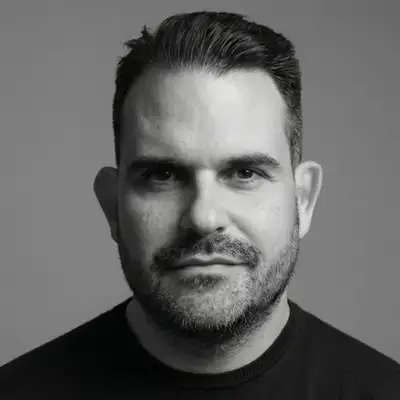
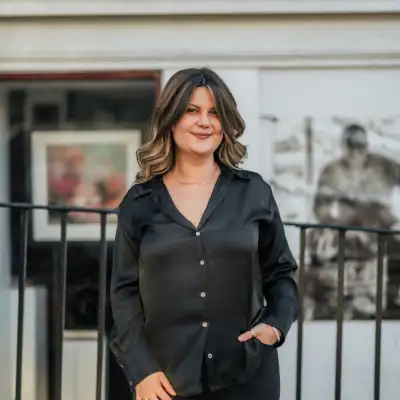
Join host Chris Maffeo as he chats with Kait Wilkes, an industry veteran with 15 years of global experience (just nominated #40 on the Drinks International Top 100 List). The episode was recorded during the Mirror Hospitality Expo, hosted by Mirror Bar in Bratislava (Just nominated #62 on 50 Best Bars). Kait shares her journey from bartending to advocacy, offering insights on navigating the drinks and hospitality industry. They discuss the different perspectives between bartenders and brands, the importance of a well-thought-out drink strategy, and how smaller brands can thrive. Kait also emphasizes the importance of long-term relationships, authenticity, and mentorship in the industry. Tune in to understand how to build a sustainable brand bottom-up and hear Kaits' expert advice for upcoming bartenders and brand advocates. Timestamps: 00:00 Introduction to Maffeo Drinks Podcast 00:26 Guest Introduction: Kait's Journey in the Drinks Industry 03:35 The Disconnect Between Drinks and Hospitality Industries 05:53 Building Authentic Brand Partnerships 11:54 Challenges and Strategies for Small Brands 18:26 Long-Term Brand Advocacy and Relationship Building 21:25 Crafting a Purposeful Drink Strategy 22:01 The Role of Drink Strategy in Brand Promotion 22:32 Simplifying Cocktails for the Consumer 24:22 Understanding Drink Trends and Market Adaptation 28:07 Supporting Bartenders and Their Career Growth 31:48 Navigating Cocktail Competitions 37:04 Final Thoughts and Authentic ConnectionsWelcome to the Maffeo Drinks Podcast, where brands are built bottom up. I'm Chris Maffeo, your host, and together with a new guest, in each episode, we crack how drinks go from one bottle to one case to one palette, together with all the players of the drinks ecosystem. Hit follow and leave a review to help new drinks builders find it. Now let's break it down together. Hi, Kate.
Kaitlin Wilkes:Hi.
Chris Maffeo:Welcome to the Maffei Drinks podcast.
Kaitlin Wilkes:Thank you.
Chris Maffeo:We were about to record online, and then we were so lucky to realize that we were both going to be speaking at the MiRoSpil ID Expo in Bratislava. And we said, why don't we actually do it in real life?
Kaitlin Wilkes:Real life.
Chris Maffeo:So let's let's start. You're bringing a fantastic wealth of experience from different continents, I would say.
Kaitlin Wilkes:Yep.
Chris Maffeo:So give me a short introduction how bartending has shaped your opinion on advocacy and leadership.
Kaitlin Wilkes:I've been in the drinks industry for almost fifteen years now, which is really weird because I'm so young. I started in the drinks industry waitressing, serving drinks to people, writing my name upside down at a bar in Toronto, like, you know, and crossed the Atlantic, worked in luxury hotels, moved to Sweden, spent time there, you know, did a global cocktail competition, sell back into London. But I guess the short of the long for me is like being a part of the hospitality industry sort of led me down this path of understanding that if I wanted to grow in hospitality, there was a ceiling that would hit. Eventually I would become a bar owner, multi site bar owner, and or if I stayed in hotel school, well, I did, but if I pursued my hotel school degree in international hotel management, I would have gone on to be a hotel manager. All of this is to say, it was super inspiring and interesting for me, but I really think the one moment that slipped the script for me into what is advocacy was actually doing a global cocktail competition, which I'm certain we will get into later.
Kaitlin Wilkes:But that cocktail competition taught me about marketing and advocacy and advocating for yourself and what you believed in putting things on paper and putting that out there. And it really made me think quite deeply on like, how do we change industry? Like I sort of really sunk my teeth into the drinks industry in 2012. You know, the Savoy in the American bar as a cocktail waitress. And, you know, that transpired me moving to Sweden to become a bartender and spending years there and come back to London.
Kaitlin Wilkes:When I did that cocktail competition and learned about marketing and advocacy, was like, if I want to have an impression, I want to change the drinks industry, is doing it for one bar, a group of bars or hotel group going to change the industry? Maybe over time, but only in that space. If I work with a global brand, I could work with 10,000 bartenders, 100,000 bartenders over twenty five years. If I want to change industry and make it better and more inclusive, more diverse, more equitable. I need to find a brand or brands or a platform to inspire and work with multiple bartenders on a wider scale.
Kaitlin Wilkes:And that's why I ended up in advocacy and started my own consultancy in advocacy a couple years ago. I think that's where you can really see growth when you see something that was like a bottle that suddenly like burst into like it's in every bar and every city and every bartender loves it. I've seen that happen in my fifteen years. So it's kind of cool to be a part of that now.
Chris Maffeo:Wow. There's a lot to unpack in what you I guess I'll try to follow-up with questions during this chat. You mentioned hospitality, brands, and you nailed something that is a dear topic of mine, which is basically the difference or the disconnect or the dichotomy or however you wanna call it between the drinks industries, the brand side of things, and the hospitality industry, which is the hotel, restaurant, cafes, bars. I I like to see it as two two sides of the same coin, metal in between that touches them, which is probably the bar or the bottle or a glass or whatever we wanna call it. But they are different.
Chris Maffeo:No? So how do you see, first of all, and where do you see the disconnect that I mentioned?
Kaitlin Wilkes:I remember standing behind a bar, making a daiquiri and having no deep connection to the rum brand I was pouring at the time, and then flipping the script of going into that world of that rum brand and going like, wow. There's a whole other part of the industry I didn't know about. Anyways, the short of the long working with Seedlip really made me understand that the drinks industry and the hospitality industry are two separate things. When I realized that, as you said, what brings us together is the liquid in the glass. That disconnect is part and parcel our own fault in a way.
Kaitlin Wilkes:There was a certain point where brands were putting the most expensive, outrageous, crazy experience in front of bartenders and giving them the red carpet, which is cool, but has maybe had a long term effect on the expectation that the brand is responsible for absolutely everything. In a way, of course, we're selling something for them, so we need to ambassador them as well. But I think the disconnect really comes down to the fact that most people pouring the liquid, bartenders that have been doing it three to six to nine years, don't really have a super deep interest in what is the return on investment for that bottle, for that brand. So because there's no deep interest, the language is not really gonna cross paths. You see it when a bartender goes from being a bartender and not really having too much senior experience into becoming a brand ambassador and that sort of going like, oh my god.
Kaitlin Wilkes:I don't understand what this corporate jargon is when they're getting emails from the distributor or someone in finance. It's like, they're totally different because the brand is interested in selling cases and the bartender is interested in selling cocktails. I think that's where it's at. I think any drinks brand should go back to, and what you say all the time, worry about selling cocktails, especially when it comes to smaller independent brands, because that's what we do and that's what bartenders can do. At the end of the day, when a bartender is an ambassador for your brand, because they're picking up a bottle and pouring with pride, because you show up to their venue, you ask how they are, are you engaged in an authentic, meaningful way, you don't get drunk in their bar, have a nice professional but still authentic relationship with them.
Kaitlin Wilkes:I think we begin to close that gap ever so much, but the guy in finance is never gonna fully understand why there's value in flying someone from Singapore to London for three days to do a gas shift. They're never gonna get it.
Chris Maffeo:Mhmm.
Kaitlin Wilkes:At the same time, it is a marketing exercise. We constantly use this discussion as former bartenders to our seniors. Like, this is a marketing exercise that we want to do.
Chris Maffeo:Is it also like a managing expectations that probably kind of went wrong in a way?
Kaitlin Wilkes:Yeah. Yeah, exactly. Maybe managing expectations in a way. Maybe it's the fact that we expected too much from each other. Sometimes you don't say enough of what you need, right?
Kaitlin Wilkes:Like back to relationships and communication. If you don't communicate what you need as a person, you expect someone to just do it, it's not gonna be done. Right? So it's like when you enter a partnership with a brand, it's like, you know, put clear objectives, like what are we trying to achieve? Like, are we the house x?
Kaitlin Wilkes:Are we the shelf x? Are we the secondary spirit in the menu? What does that look like?
Chris Maffeo:Because what I usually see is that there is this disconnect of trade people
Kaitlin Wilkes:Yeah.
Chris Maffeo:Yeah. In big companies, and they get on trade. And then there's ex FMCG Mhmm. Type people, and they will I don't wanna say they will never get on trade, but they have a difficulty in getting on trade. 100%.
Chris Maffeo:And then the finance people get into that big bucket. Mhmm. Is it more like the marketing team and the entree team, we are kinda like giving a solution by partnering with that bar. So then people get the room gets very smoky. And then it's all of sudden, it's like, I really wanna work with Kate.
Chris Maffeo:So I don't really care. And we really didn't nail the deliverables. But she said, yes. So we have to do it. And then I sell it internally to my boss in a way that he's not gonna say no, and I overstretch it in a way that you will sell loads of cocktails and do crazy things with us.
Chris Maffeo:And then we both know that it's never gonna happen. And the way the KPIs are set are wrong. That's basically where the shit hits the fan.
Kaitlin Wilkes:Yeah. I think that's exactly what happens. But it's true. If we're gonna fly a bar from London to Singapore or vice versa, What's the purpose of this event? And I think as brands, we need to think about what is the purpose?
Kaitlin Wilkes:The first point of call I would choose is as a brand if I am in both of those markets, I would wanna pick one of my biggest brand partners or volume driven accounts to come to my home city or whatever it is, that is also an account of mine. I would very rarely want to invest something as a first time. However, I have also seen it work in the other way of doing something like that as a first time partnership. It's about having that discussion and meeting those expectations from the get go to say, we wanna bring x person here. How do you feel about it?
Kaitlin Wilkes:Do you wanna do it? But in us doing that, can we look more at a long term approach and and partnership together? Is kind of the way I would think about it as much as what I would hope a bar owner is thinking about that too. We have to be very mindful that if we just continue to fly people around the world, it's like, what's the point of the guest shift anyway? Know what I mean?
Kaitlin Wilkes:The guest shift is becoming this photo opportunity, which is cool, but is there something more? Can we do more for the community? Is there purpose driven in the guest shift other than just bringing a bar from London's Drinks to a bar in Singapore?
Chris Maffeo:It's also about the longevity of that partnership. Yeah. If there is already a connection between these two venues on that brand, for for example, then
Kaitlin Wilkes:That makes so sense.
Chris Maffeo:There is a long tail effect in both venues. The issue is often that we claim a lot of these big companies are global company, but ultimately, they're very local companies.
Kaitlin Wilkes:Yes.
Chris Maffeo:They all work in silos. So even to get a phone call and to say, do you know anybody in Japan that we can bring in whatever country, London or Berlin or whatever, they don't know. And then all of a sudden, it's like because of the beauty and the curse of on trade is this kind of short term things. It's like we need someone in 10. And then all of a sudden it's like, flights get expensive.
Chris Maffeo:Okay, let's get someone from Warsaw And I don't really know anybody, but there is this great bartender that I have a relationship with. And then all of a sudden, original story was very interesting and grounded in KPIs as well. Mhmm. But then the actual result is like how it started, how it went, kind of.
Kaitlin Wilkes:Yeah. Yeah. And again, that comes down to planning. I think the best experiences when it comes to both, you know, doing a guest shift, having done them multiple times, having hosted them a few times. I think, like, it comes down to, like, again, who's owning that moment.
Kaitlin Wilkes:Right? If it's single brand funded, that brand should show up to that guest shift. That brand should send multiple people from their office so they understand the purpose of that guest shift. If it's single brand funded, the brand needs to show up and support that bar. That's super, super important.
Kaitlin Wilkes:As much as the bar needs to take ownership for also pushing out the invite and being personal too, sometimes we just put things into the ether, into social media and expect people are gonna show up and comment, can you just send a DM and be like, hey, come along. You know what I mean? It takes a few seconds. And I think that all comes down to building partnerships as a brand to a bar or a bar to a brand. It's building authentic connections.
Chris Maffeo:We spoke about mainly, let's say, big brands, but then we touched upon, like, smaller brands. And in a way, the smaller brands also see these kind of relationships and advocacy into kinda, like, putting the foot in the door into an outlet. So what's usually your recommendation for smaller brands?
Kaitlin Wilkes:It's twofold. One, we need to understand that a small brand is very different than a multinational corporation. That is a misunderstanding right now in the on trade. It's like if the listing for the menu in The UK, we operate in menu listings, which I respect because that's going to market the bar and invest in the bar in some capacity. But a brand that is not even hitting 10,000 bottles cannot pay the £2,000 listing fee to be on menu because they'll do it twice and that's probably a quarter of their marketing budget gone for the whole country.
Kaitlin Wilkes:It's incredibly hard to justify. At the same time, if you have contracts with the big brands, I've had that and I respect and I understand it. They need to own every cocktail on the menu? Can they own 70% of the drink menu? Can you leave 30% for independent brands?
Kaitlin Wilkes:Can you put an independent brand next to the big guy because it fits and it works And you want to because you like the liquid, you like the ambassador, you like the business, you know, the business comes and supports you in in the way that they can because they're small. That's the way I like to operate. As an independent contractor, maybe that doesn't totally live the values of the brand wanting 50 mils in the drink. And that's not always going to work. You've got to find a way to ease into it and find the right levers, especially when, you know, if we're working with like obscure spirits or building category, which I've you know, have experience in doing with with Avalyn, for example.
Kaitlin Wilkes:But it's like, if they wanna do a fifty fifty Avalyn and gin cocktail, who am I to say? It's the creativity of the bartender. Mhmm. Right? And to be honest, great that that gin brand is global, and Avalyn is next to it.
Kaitlin Wilkes:Amazing. Yeah. People are gonna know that global gin brand, Tanqueray, and they're gonna be like, I don't know what Avalyn is, but I like Tanqueray, and I like elderflower, and I like apples, so I'll order that drink.
Kaitlin Wilkes:That's a good intro.
Kaitlin Wilkes:It helps us. And I think that is a perfect example of how small brands can think more of selling cocktails and the responsibility of the big brands as well to help breed creativity because we don't want to see every bar having the same global contracts. Yep. Because then we're all making the same Grey Goose martinis, which are delicious, but is there more? Is there different?
Kaitlin Wilkes:Yeah. Of course there is. We can all alter the spirit or wrote about the spirit in our own way. It's this vicious circle of back and forth, but it's finding balance. It's trying to find the way that you can work with the smaller brands.
Kaitlin Wilkes:We all started somewhere once. We all entered the industry in our own way. I understand some of these small brands will come and go. Some of these small brands will change direction. That's totally up to you as the bar owner, as the bar manager to decide that if three years down the line, you don't like that strategy of that brand anymore or the brand ambassador changed.
Kaitlin Wilkes:We're talking about a business of people here, Yeah. Big brands hire amazing ambassadors. They spend four years, build the brand. That person gets a little burnt out or exhausted or bored. They change.
Kaitlin Wilkes:That brand disappears off the Very
Chris Maffeo:often big companies have this kind of waves of brand ambassadors are a thing. Oh, that's sometimes, like, it goes in waves because then, I don't know, Brown Forman is hiring brand ambassadors, and then William Grants is firing them, and then Bernard Ricard is hiring them. So it's also about understanding I mean, the big players must understand that they cannot own bars anymore because it's not the nineties anymore.
Kaitlin Wilkes:It's not.
Chris Maffeo:No. Because there is this thing. I'm coming from beer, and in beer, it used to be very much like I mean, obviously, it's illegal to own the old tap.
Kaitlin Wilkes:Yeah. Yeah.
Chris Maffeo:Yeah. But at the same time, there was this thing. Like, this is a Heineken type of listing. This is a Asahi type of listing. This is a Molson Kouris type of listing, whatever.
Chris Maffeo:And then, like, couple of taps were free, and then people were entering. With Beck bars, nowadays, the best bars, the bartenders have done their due diligence. They know already what they want to have. And also, not all global brands are big in all countries. So there's usually five countries that make 80 to 90% of of the that brand.
Chris Maffeo:So ultimately, if you are a brand owner in a market, a brand that you may know in London as a huge brand in a country like, I don't know, Prague, Czech Republic, it might be very small. Yes. And it might play on the same league as the local
Kaitlin Wilkes:Yeah. Vodun spirit, whatever it is.
Chris Maffeo:So it's very different because you cannot really cluster them. It goes back to what you were saying about relationship, but also about having clarity, again, back to the KPIs. So what do you want to achieve from that listing? How can you have a partnership? And how do you see that listing in a bar or cocktail on the menu within the overall city strategy and country strategy?
Chris Maffeo:As you said, you know, otherwise, two cocktails on the menu, you burn the budget for the whole country and see you next year.
Kaitlin Wilkes:I would rather have 50 accounts pouring two to three bottles of my spirit a week because they love the cocktail. It sells what? Then 300 accounts that are selling what? 0.5 of a bottle, 0.25 of a bottle. It doesn't seem to add the same value to me.
Kaitlin Wilkes:I would want to work with places that are going to go through and actually move the product. I think we forget about that. It's like, great, the listing is in 400 places, but do people know? Is it trained? I fear sometimes we try and grow so fast.
Kaitlin Wilkes:We need to be everywhere all the time, and that's social media telling us that. That's being online too much, going, oh my god, I haven't done the thing in the fastest way. It's like, no, no. If we go slow with purpose and precision, it doesn't need to be everywhere all the time. It's like picking the right people and slowly growing it.
Kaitlin Wilkes:But also as brands, we need to return that. If they've been pouring your spirit for four years and they've really not charged you a lot for it, at a certain point, the brand's got to give back to that stakeholder and be like, hey, ex bar manager, come view the distillery, come experience this amazing experience as a thank you, but also as a let's reignite our portion. Let's keep growing it. You've been supporting us for four years. Let's keep building it because maybe it'll end up in more drinks.
Kaitlin Wilkes:Maybe you'll mention it the next time you're doing an interview like this. That's the thing with advocacy. It's not something that you can just measure tomorrow.
Chris Maffeo:I was gonna ask you, how do we move out of the transactional element of this partnership? You answered it. When you were speaking, I was thinking that probably the issue is really on understanding that we are talking long term. We tend to forget that these big brands judge or whatever. They've been out there for two hundred years, hundred years, seventy years, sixty years, whatever.
Chris Maffeo:They've done that thing consistently.
Kaitlin Wilkes:Exactly.
Chris Maffeo:In all changes of management, there have been waves and ups and downs. It is a long term thing. So you need to put some KPIs because I'm also against the, it will work long term, trust me, kind of thing.
Kaitlin Wilkes:Clear objectives. But at the same time, it comes back to brand funding. Like, what if that small brand is literally for every bottle sold, that is the money that comes back into their advertising and promotion. So it's gonna be a slow burn. You know what I mean?
Kaitlin Wilkes:So it's also explaining to them that, yes, we're independently operated and owned. We are publicly funded. Whatever it is, being super transparent that we are not that. Because maybe some people just expect that you pay what Diageo pays is what you pay. But it's like, guys, there's a difference here.
Kaitlin Wilkes:And maybe that bar says no. Sorry. That's the cost.
Chris Maffeo:Yeah. But but there's a couple of points. One thing is the fake it till you make it thing. I have a small brand and I want to pretend I'm a big guy. And then what I don't understand in that sense is that I'm harming myself because to your view as a head bartender or bar manager, you are seeing me with the dollars The sign in your other thing is that I may come from a big company and I myself may not have done that shift mentally.
Chris Maffeo:So I'm I still have that big business card And with I haven't realized that that is the issue that it's about, first of all, awareness. And then how do you manifest that self awareness outwards?
Kaitlin Wilkes:It's living your mission, your vision, your values. I've seen a lot of great brands come on the market and you can tell that they just are not thinking about simple things like having a drink strategy. They're not thinking about what is really their unique selling point. Handcrafted. What is that?
Kaitlin Wilkes:Like, everything is pretty much handcrafted. I have yet to walk into the distillery to see it completely automated. At some point, somebody's hands touch that. There are brands that are using that as their full ethos and brands that are just mentioning it. You've got to really think about your USP.
Kaitlin Wilkes:What is the purpose of this product? Some of these brands will never make it because they'll just fall by the way because they weren't unique enough. And that's kind of okay. You know? Every every community, every corner has a gin.
Kaitlin Wilkes:So you coming into the bar and offering the fifteenth gin because it's local is like, okay. There's four other local gins. Like, what else? What else? Are you doing something to do it?
Kaitlin Wilkes:Or because there's a purpose in it? Because doing something to do it, like, just maybe apply to the multinational corporations that can employ you.
Chris Maffeo:And you mentioned the drink strategy. What is a good drink strategy?
Kaitlin Wilkes:I'm a big fan of a drink strategy, probably because I'm a bartender at heart. I'm a big fan of a drink strategy that is purposeful to your brand. I did one for Avalyn. Really pleased to send that drink strategy off to Difference Guide and get some great feedback from Simon and get a lot of those drinks published on Differd's, which was super cool and such a bartender achievement for me. The drink strategy is not for the top one or 5% of the drinks industry.
Kaitlin Wilkes:It's for the midrange that are still learning about spirits and flavor development that could help inspire them to create something unique. At the same time, it could be a cocktail that they go, that works. Let's plug and play it here. The drink strategy is also a tool for the brand to sample a simple cocktail to a press dinner or an article. Like, we don't need to create something all the time.
Kaitlin Wilkes:A drink strategy for me is a great tool for a brand to have to help sell the spirit into venues, especially if you're trying to win in national accounts, for example, and a great way to showcase the brand in more consumer facing things. Right? So making Instagram videos about your drink strategy, showing how easy it is. My drink strategy is I'm never gonna tell you to turn on a saucepan and add two ingredients. It's never happening because no one's gonna do it.
Kaitlin Wilkes:I've never ever, ever gone to a cocktail enthusiast's house. But I always use an example of my uncle or my aunt. If I go to their places and they're interested in cocktails, they're certainly not turning on a saucepan to make a syrup. So I always think about going into a high end grocery store, shopping around the sodas, shopping around the bottled cordials, what's accessible, you know, what fruit hasn't been used but is delicious
Chris Maffeo:And available.
Kaitlin Wilkes:And available. Like, it's available, readily there. Look, the likelihood of someone even bothering to put things in a shaker is still probably above them. But maybe they might try because it looks simple. Right?
Kaitlin Wilkes:It's not about being pretentious in a strategy. It's just like putting nice flavors together very simply for the consumer, for the citizen of the world, if you will.
Chris Maffeo:And if I get your take right, I think there's also a misunderstanding on drink strategy because of that. But you were mentioning something about scale. To drive scale to a drink in the sense that you wouldn't go to a mirror bar. Now we're sitting here trying to sell your drink strategy No. If I understand correctly.
Chris Maffeo:Yeah. No. Because they would never accept it because that part of their DNA is being creative and Correct. I know what to do. Tell me what this Yeah.
Chris Maffeo:Brand is about Exactly. What this liquid is about. And then let's figure it out together and then go away and leave me alone, and I'll fix it, and I'll do something with it.
Kaitlin Wilkes:Correct. Correct. Exactly. And that's how you're gonna definitely work. Maybe in conversation, would say, works great in an espresso martini.
Kaitlin Wilkes:I love it with a little bit of ginger. Oh, yeah. Those flavors do work together. But if you are trying to sell the brand into a larger listing, which is what every small brand or what every brand really does want is a national listing because then that's multiple venues. It's like put a drink in front of people, in front of the bartender that is, one, already costed out for them.
Kaitlin Wilkes:Now in the drink strategies that I do, two, shows at ABB because now more than ever, our trend is no and low. You know, if we look in The UK specifically where I am based, what the trends are, like, people. Give them every piece of information you can so they can literally open the book, flick through it, go, never thought of raspberry, cordial, bourbon, and rose prosecco, but that sounds delicious.
Chris Maffeo:Yeah. You showed me some of the way you convey it, and it's fantastic to see the ABV because, like, was discussing this with Brett Crompton from Sessions Periods, for example, many episodes ago, and we were discussing, sometimes you may not even realize that your drink may be lower in ABV than an IPA
Kaitlin Wilkes:Yes.
Chris Maffeo:Or than a glass of wine.
Kaitlin Wilkes:We need to reframe it that we don't need cocktails to be super strong all the time. Can I imbibe on your menu and have three or four drinks, which would have been I've been thinking of two martinis, which would have me knocked over? Or can I have three cocktails that were 6%, 8%, 10% ABV, be semi okay? Like, you know, it is what it is. Like, it's I I think we're talking about if we go into the top 5% of the drinks industry, we're talking about flavor and not everything has to be super alcoholic.
Kaitlin Wilkes:If we're doing it from the lens of brands, obviously, they're gonna be like, 50 mil of spirit to start our drinks. It's like, does it always have to be that? Also, do the research to understand the drinking patterns. Like, what's the most googled cocktail in that region? What is currently trending on flavors?
Kaitlin Wilkes:Like, you know, be fast if you know, the whole the groin with Prosecco in it It was such an opportunity for a million Prosecco brands to jump in and own that space. I didn't see it at the time. Right? Or maybe it didn't the noise didn't go further enough. Who knows?
Kaitlin Wilkes:So it's like being snappy in that way to think about drinks trends specific to the market and how your drink strategy might work for The UK, but it might not for Canada. And that's currently what I'm working on now is the same drink strategy that I've done for The UK for a few all. It's gonna be presented in Canada, and I'm thinking, do I need to rethink one of the drinks because that's not a popular flavor? As a Canadian, I should know. Drinking patterns have changed.
Kaitlin Wilkes:Not everything fits. And that's okay. That's why you need a drink strategy that has some variety, maybe not 87 cocktails, maybe three per SKU is a good place to start.
Chris Maffeo:And then we go back to the app for the CPs. Training the sales team or the ambassador, whoever it is, to not do the IKEA catalog thing. Like, here's our drink strategy. And there's 18 drinks here, and you can get it delivered at home.
Kaitlin Wilkes:Yeah.
Chris Maffeo:And try to read it in the conversations as, okay, he has already told you that he hates espresso martini. Okay. That's out. No. He already told you that he hates whatever.
Chris Maffeo:Yeah. Okay.
Kaitlin Wilkes:And that's back to that authenticity, right? Like, if you're creating a partnership with a national account across The UK and they want a spritz, don't try and sell them a Martini variation. Deliver them a spritz idea that is, you know, easy to access, that is gonna save time. And I think, like, that's where people like myself who have the experience of both the bar and the commercial, you've got to think, can that be executed behind the bar? Because sometimes you use string strategies, are done a lot more in marketing agencies.
Kaitlin Wilkes:Like, no one's ever thinking about, like, a real execution. Because I have that experience as a bartender, it's like, I am literally envisioning myself standing the high in the station, trying to make this drink. And then thinking how fast is it gonna take? Does this drink apply to a volume account? Or am I asking them to pick up too many bottles?
Kaitlin Wilkes:Do they want a batch? Do they not? It's really understanding. It goes back again, that authentic connection. Does this fit here?
Kaitlin Wilkes:No? Move on. Fine.
Chris Maffeo:Keeping your bartender hat on, what can leaders do to support bartenders in this journey to understand and navigate this wild ecosystem?
Kaitlin Wilkes:Actually, I'll be talking about tomorrow. And you're on your own, kid. As I said, like, I fell into advocacy because I was like, wait a second. If I wanna, like, change industry, I should do it in the world of brand that can access and help me grow. First of all, if we're talking about from a bar manager down to junior, it's a simple question of, like, what do you wanna do in the next three to six months, and how can I help you achieve it?
Kaitlin Wilkes:It's, like, not a question that was asked of me enough when I was in bars, but it's a question I ask often now to bartenders when I'm walking in there to work with my brand partners because maybe I can help them, maybe through my brand partners, maybe through my network. I've started doing some coaching in Edinburgh, just Zoom sessions because I'm very lucky to travel a little bit more these days through the Atticone project. And doing these coaching sessions, I basically say to the bartender, you got thirty minutes of my time. We could talk about absolutely anything related to the industry. Come, like, just book a session.
Kaitlin Wilkes:And a lot of them come to me for cocktail competition support because I will bang on about how cocktail competition is a great thing to do. It totally changed my career tenfold when I did Bacardi Legacy back in 02/1617. I wouldn't be sitting in this chair if I hadn't done that because I wouldn't have really understood or gotten a taste for what advocacy looks like and understood that I have a huge passion in marketing brands and storytelling and want to continue to develop my skill set there. And the advice is asking the bartender what they wanna do, supporting the bartender, but also helping if you can't help them as a leader, point them in a direction that could. Right?
Kaitlin Wilkes:It's down to that person too. Right? Like, not every bartender wants to become a world famous, award winning bartender. Maybe the bartender just wants to stay in the bar, but
Chris Maffeo:then Absolutely. Your honor.
Kaitlin Wilkes:How does that become the longevity thing? How can I support you to want to stay here for five years? Like, what, you know, are you are you bringing in enough interesting concepts into menu? Coaching for me is like, it's something that you can do, I can do, anybody that's really got 10 of experience in their community that can give back their time. Very grateful to have been recognized this last year of being one of 100 most influential in the drinks industry, which was wild when that happened.
Chris Maffeo:All of them.
Kaitlin Wilkes:Yeah. Still confused, but also not like, great. Cool. I'm glad that, me firmly cementing my flag and we need more women educating and speaking on a global scale. And that's why we started the Adequemen Project and have the database.
Kaitlin Wilkes:Christine started it with me. And getting that recognition was amazing. Coaching and giving my time, that's on me. If I'm gonna be a part of the Edinburgh Drinks community, I wanna make sure that I can be there for as many bartenders as possible. Maybe it's a long term thinking too.
Kaitlin Wilkes:These bartenders are gonna go off to do a 100 other things. Right? Can I have been that support person for those couple of conversations about cocktail competitions that might have led to a different part of their career? It's so rewarding to just give your time. It's not for everyone.
Kaitlin Wilkes:You can do it if you want to. You don't have to. But I love it. So it's about finding the thing that matters to you as a leader and giving your time back, if that's going deep diving into your technique or helping people better understand the financial side of bar ownership.
Chris Maffeo:It's also understanding in your searching for why, what do you wanna do? Mhmm. But sometimes people don't know that answer. That don't really have an answer. But at least trying to understand and putting stuff on the table and say, if you wanna have a bartending career, fine.
Chris Maffeo:If you wanna if you wanna do bartending competition Yeah. Yeah. Fine. It's gonna look like this.
Kaitlin Wilkes:It's gonna be a lot of practice. It's gonna be a lot of time. Ironing board out and repeat, repeat, repeat.
Chris Maffeo:Yeah. And another point that you had before, you touched upon the bartending competition. It's all way to Time moment. To to a question that I have, and this is like, I throw it out there because also, like, for many listeners Yeah. Could be interesting.
Chris Maffeo:I see a lot of people on social media profile, whether I know them personally or not. Yeah. They tend to do a lot of competition for all sort of brand. You have the world class one day, and then there's something from Bacardi. Mm-mm.
Chris Maffeo:So how can bartenders, especially young bartenders, navigate this world? Because very often is seen rightfully as a launch pad to get out there in
Kaitlin Wilkes:the But
Chris Maffeo:there is a risk of overdoing it. Right?
Kaitlin Wilkes:A 100%. Understanding that a cocktail competition is pretty much a job interview. Right? It's you putting your best skills forward in that moment. It goes back to that purpose and why, but also remembering bartenders now more than ever can be a brand.
Kaitlin Wilkes:Like, Caitlin Wilkes, the brand versus Caitlin Wilkes, the person. I'm I'm slowly learning our two different things, and I didn't really get that until I was starting to live it. There is definite overlap, some things are vastly different. And so if you're gonna do multiple cocktail competitions, is it just because you're trying to figure out what you're good at? Is it because you wanna win everything?
Kaitlin Wilkes:Like, that's not purposeful. Is it because you're bored? It's like, can you go back to your drinks program and think about putting that same creativity into the cocktail list? Or do you not have that opportunity at your bar? Can you find a bar that will let you be that creative?
Kaitlin Wilkes:There is a bar that will let you come in and be as creative as you want to be. If it's not where you're at, move. You are not a tree. You can move. And if you're not finding the right opportunity, seek it out and ask your network.
Kaitlin Wilkes:Bartenders doing the 78 different factorial competitions is not gonna be conducive to anything. If they can just pick two or three in a year, that really is gonna help them move into the category they wanna specialize in or maybe the kind of cocktail they wanna represent or maybe the the two or three brands they envision themselves working with on a long term scale. Maybe they wanna open a whiskey bar. Maybe they wanna do two whiskey competitions. Just don't do it all.
Kaitlin Wilkes:It's gonna dilute your brand as a person. Right? If you think of yourself as a brand, what's your mission? What's your vision? What's your values?
Kaitlin Wilkes:And how do those three things fit into the drinks industry and the drinks brands that we see? And can you align yourself to those brands specifically?
Chris Maffeo:Yeah. There is this element that you touched upon before on knowing your place because
Kaitlin Wilkes:it
Chris Maffeo:could be that maybe you are in a group of bartender friends that do these things, and then you feel like you have to do it not to feel any less. But maybe you just don't wanna do it. Maybe you don't want to be on the stage. Maybe you don't care about being on the stage. So there is also this element of really understanding what you want to do because there's nothing wrong in being the bartender for fifteen years at that bar, at that local bar, in a middle bar that will never apply for 50 best bars.
Chris Maffeo:Perfect.
Kaitlin Wilkes:And It's amazing. And one day it ends up on the list because that person was there for fifteen years. Right? It goes back to self reflection. If we go back to ourselves in the industry, who we are, what we're going to do, why, I spend a lot of time reflecting on my experience as a person.
Kaitlin Wilkes:And I think sometimes with social media, we're so quickly to, like, look ahead and, like, what's next? Where to be? We get distracted. We're like, oh, I'm not everywhere. And it's, like, so exhausting.
Kaitlin Wilkes:And I find myself getting wrapped up in it all the time. But it's, like, if I take a step back and reflect, where have I come from? What is my skill set? What do I wanna develop? I can answer some of those things to you, like, right here, right now, and some of those things are like, I don't know.
Kaitlin Wilkes:And that's okay. You don't have to have it all figured out. Right? And I think that is the other side of the coin that you do not need to have it all figured out. And in fact, you will not because what you want today might change in six months or might not even be relevant in a year from now.
Kaitlin Wilkes:Right? So it's also understanding those elements too when it comes to the brands we wanna work with, the bars we wanna be a part of, the advocacy programs. Some of that's not gonna matter in five years. So, like, okay. It was a marketing exercise.
Kaitlin Wilkes:But was it consistent? Did it build over time? Ago, Eric, these people took ten years. Monica took over a decade to arrive where they arrived, but we see it in success. And it's like, no, no, no.
Kaitlin Wilkes:Time and consistency, sticking to your values, finding the brands that believe what you believe. Here we are. They're at the top because it took a lot of time to get there. And they'll change. They might move around, but they'll stay as industry icons.
Chris Maffeo:But also, I mean, you may not want to travel. You may not want to, you know, you may want to have a family and stay with your kids most of the time. It can anything is okay as long as it's okay for you. But also, you may be local or regional kind of person. You don't want to travel.
Chris Maffeo:You wanna drive everywhere, you don't want to take a plane.
Kaitlin Wilkes:It goes back to why are you doing what you're doing? Are you gonna do you really wanna stay at that bar for fifteen years? Amazing. Tell us how you stayed inspired to work there for fifteen years. What drove it?
Kaitlin Wilkes:Was it the paycheck? Be honest. And that's what it comes back to the humanness and how we're all very, very different. There is only one of us. And so you will find the story of yourself that you wanna tell.
Kaitlin Wilkes:And I think that's the most important thing to share your story and who you are as much and as loud and to everyone, you know, as you can.
Chris Maffeo:Fantastic. So let's wrap it up. Kate,
Kaitlin Wilkes:it's Are you worth sure it's a gone about eighteen hours over time already? No.
Chris Maffeo:Let's have one last final thoughts that you can leave to the listener.
Kaitlin Wilkes:Listening. Thank you. I think, yeah, like final thoughts is like, okay. So you're an independent brand. You know, you want to build your footprint in the entree.
Kaitlin Wilkes:Again, come back to finding those handful of accounts that believe what you believe. Invest in them. Spend time with them. Think about a five year plan with them, not just a five month plan, Even if that bartender exchange just really think about how that can cement long term. And then at the same time, as a brand, you hold the purse strings, really think deeply about writing that check to do the advocacy piece at XBAR.
Kaitlin Wilkes:That is just a bartender exchange. Fine. But can you make sure there's equal representation? Can you make sure they're not just bringing the bar manager, but actually they're bringing a junior member of staff who's gonna get so much amazing experience out of going halfway around the world to do that thing? Can you make sure that's a diverse group of people?
Kaitlin Wilkes:Can you work with the article one project for that? Sure. We're here if you want. But it's just about making sure that those connections you're doing authentically with purpose. At pace?
Kaitlin Wilkes:And politely.
Chris Maffeo:Let us know how people find you and reach out to you.
Kaitlin Wilkes:Just bug me on Instagram. I'm a millennial. I'm on it way too much. Kaitlynswilks or at one project. And yeah, I would love to do some work with your bars, your brands, your businesses to help support you in the global on trade.
Chris Maffeo:Fantastic. Thanks so much, Kate. It's it's been a pleasure.
Kaitlin Wilkes:No. Pleasure is literally all mine. You listened. Wow.
Chris Maffeo:Take care. Thanks for listening to the Mafia Drinks podcast. If you enjoyed it, please hit the subscribe button. Also, a small ask: please leave a review wherever you listen. Reviews make such a big impact and help other drinks builders discover the show.
Chris Maffeo:Feel free to contact me for feedback on LinkedIn chrismaffeo or on Instagram at mafeodrinks or at mafeodrinks.com, and remember that brands are built bottom up.
Creators and Guests