Alice Bidini | Bringing Non-Alc Cocktail Culture to Saudi Arabia | Four Seasons Riyadh | 082
Summary
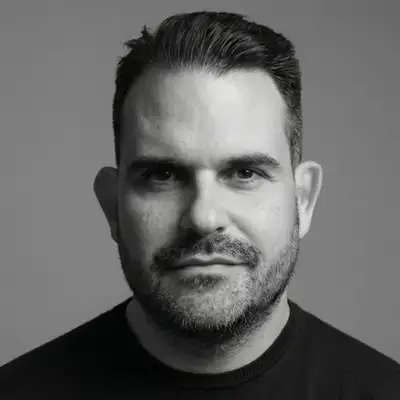
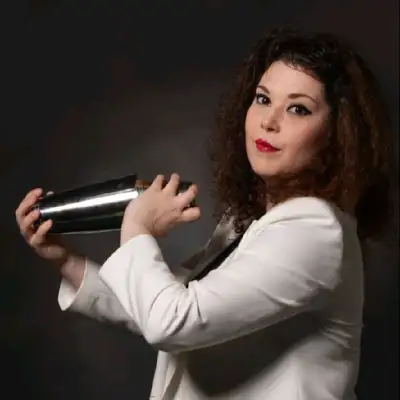
In this episode of the Maffeo Drinks Podcast, we dive into the complexities and innovations within the non-alcoholic beverage industry. Joined by guest Alice Bidini, we explore the challenges and strategies of introducing new drink trends in emerging markets such as Saudi Arabia. We discuss the importance of understanding local taste profiles and consumer behavior, especially in culturally diverse regions like Stockholm and Riyadh. Highlights include our experiences in the evolving bar scene, the innovative concept of a female-only staffed bar at the Four Seasons in Riyadh, and the cultural shift needed to accept new beverage trends. Alice shares her journey of pioneering drink trends, shedding light on building consumer trust and adapting to local preferences. Tune in to learn about reshaping traditional beverage offerings and the satisfaction of turning hesitant consumers into loyal patrons. 00:00 Welcome and Introduction 00:28 Managing Expectations in the Bar Industry 03:44 The Bar Scene in Saudi Arabia 06:45 Challenges of Non-Alcoholic Spirits 10:53 Consumer Behavior and Marketing 13:28 Dining and Drinking Culture in Saudi Arabia 15:03 Creating a New Beverage Culture 15:25 The Italian Espresso Bar Experience in Stockholm 17:28 Introducing Aperol Spritz in Prague 18:39 Navigating Local Drinking Cultures 19:37 The Role of Experts in Riyadh's Cocktail Scene 22:00 Trends in the Bar Industry 23:36 Closing Thoughts and Future Plans About The Host: Chris Maffeo About The Guest: Alice BidiniWelcome to the Maffei drinks podcast. I'm Chris Maffeiro, your host and fellow drinks builder. I'm really honored to have you as one of our listeners from 111 countries. A small ask, if you enjoy the show, please leave a review and share it with others in the industry. Visit mafelldrinks.com for free resources, premium content and episode transcripts.
Chris Maffeo:Now let's dive into today's episode. It's very interesting because it's also like about managing expectations. Now to clarify, because I speak about this kind of topics a lot. And on one side, it's like the managing expectation for you as a head bartender, bar manager, because maybe an owner is like, I want to open an Italian restaurant. I want to bring Italian culture three sixty degrees.
Chris Maffeo:So I want to push the Negroni out there, the nonalcoholic Negroni out there. But at the same time, it's like, okay, it's accommodating the taste profile of the locals. But also, like, you you can sneak in a Negroni eventually. You just have to bear in mind what you're up against, you know, in the sense that it's a long shot. Maybe in ten years, people will drink Negroni, non alcoholic Negroni, and it would be a popular thing.
Chris Maffeo:But not now. Like when I lived in Stockholm, for example, my my friend Salvatore Napolitano, we used to go out and drink Americanos, you know, as a cocktail. We were drinking Americano because it was cheaper than a Meglore because in Sweden, you pay every single alcohol separately. And but back then and I always say this, I'll give this example because everybody seems that Negroni is popular all over the place now. But ten years, fifteen years ago in Stockholm, people were giving me a coffee when I order an Americano in hotel bars, fancy cocktail bars.
Chris Maffeo:The best places in the city were giving me a bloody coffee. And and it's so interesting because it's a long journey now to to really say, let's take this battle, but let's put it on the back burner and let's push it on parallel with accommodating the taste profile, which is what you're saying now, because I always give this example of Aperol and Select as a spritz. If I'm given select as an alternative to Aperol without being explained what it means, I may not like it because it's less it's less sweet. There's more alcohol in it. So I may not like it as an experience.
Chris Maffeo:But if you don't like that sugar element of the spritz with Aperol, let me give you something that you will like. So, for example, a way I'm I'm just thinking out loud, like a way to sell the Negroni non alcoholic would be if you like coffee, I'm assuming you like coffee because, you know, everybody likes coffee here. But if you're looking for bitter experience that resembles the coffee experience with your drink, let me suggest a Negroni to you. But if the waiter doesn't say anything and it's just like, oh, Negroni. Yeah.
Chris Maffeo:Negroni. Yeah. Here we go. Mr. Or Mrs.
Chris Maffeo:Bartender is the order. Then you get it back, you know? So it's very interesting like how managing expectations play a role in serving people in the hospitality and building brands because then people may push back a brand because like this brand doesn't work. You know, we don't do any growing So it's very interesting to have this kind of conversation because it brings you different kind of perspectives on one single issue and how to solve it in different ways. So first of all, you mentioned about, you know, like bartender community there in Saudi is very small field now.
Chris Maffeo:So who are these pioneers of the bar scene in Saudi?
Alice Bidini:Very small amount of Italians. The biggest part of the community is Lebanese because they are the holy Harabi speakers that have a closer culture to us. Let's say they are quite European, quite European as a background culture, but they are still an Arabic country.
Chris Maffeo:That's super interesting. And they can build a bridge between the people that don't know anything about cocktails and people that learned to work with alcohol beverages?
Alice Bidini:It's something that I don't know. I mean, it's still very, very early to say that. We can see the result, I think, in the next three, four years. But for the moment, yes, I mean, only few Italians and not a lot of women.
Chris Maffeo:Follow-up question. So tell me tell me about you because I I heard something about what you can say about the buyer you're opening with the four season. The things that you can disclose still.
Alice Bidini:As I was saying to you, we are going to open this tonic bar, is the name, that it will be the neo bar in hotel for the rehab property in Four Seasons and it will be like the main part of the hotel, so the main beverage point of the hotel. It's something that I cannot disclose a lot but what I can say to you is that it will be the first bar to have completely only female stuff. So it's meaning that only ladies can work in tonic bar. And this is part of a renovation project, not only for the property, but to follow the main spirits of renovation that there is culturally wise now here in Saudi. So the property decided that we will be part of this kind of renovation, hiring Holy Lady at the bar now at the moment.
Alice Bidini:It's the same thing that we are currently doing in the new lounge we hope to buy the hotel where the bar will be located. And that lounge is already open and you can see how the lady is working.
Chris Maffeo:That's very interesting. And if you're still having some opening, you know, it's for all the listeners out there that, you know, girls in the bar scene, you know, and want to experience something for, know, you can they can reach out to you later on.
Alice Bidini:Oh, for sure. Yeah. So basically, I mean, special and peculiar is the situation. It's like niche on a niche. So a non alcoholic bar that is not common at all.
Alice Bidini:So keep doing an alcoholic bar, female only. Female only means not only for a female guest, but female only behind bar.
Chris Maffeo:I guess it must be, you know, tough to recruit people, but it's a great challenge and it makes you think from a totally different perspective how to create cocktails that are not having alcohol in it.
Alice Bidini:We have different kinds of challenges here in Saudi. On a technical side also, because basically working with non alcoholic word, with non alcoholic spirits, forces you to revise your boundaries and to revise your limit and to revise your mindset and the way you think a drink itself. Talking about challenges, let's say that on a technical side, for sure, a non alcoholic spirits has not all the aromatic enzymes and portfolio, let's say, that a regular and alcoholic spirit has. So it's meaning that the texture, it will be completely different. One of the most important parts that you have to analyze when you build and when you construct non alcoholic drinks is the dilution because being the alcohol and irregular spirits, alcoholic, so alcohol is a solvent, is meaning that the reaction with the highs is completely different compared to a non alcoholic spirit that of course is not a solvent, So the solution that you will have at hand will be completed.
Alice Bidini:So basically the delusion can be your best friend in this case, or your worst enemy, Because if on the other side, you don't have a big dilution in the beginning because of the solvent things, on the other side, you have to consider another aspect. And as we were saying, a non alcoholic spirits as not like structure in terms of enzymes of a regular spirit, so it's meaning that the taste would be completely different, it's meaning that it's not the same strength and that when you're going to mix non alcoholic spirits on the majority of them with other ingredients, often the flavor can be either too sour due to the production process of the non alcoholic spirits, either too plain because of the structure they have. These two are the biggest challenges when you work with non alcoholic spirits, So you have to be able to rebalance completely a spirit with other ingredients and the flavor, plus you have to play a lot with the dilution. For example, when you mix a rum, can be aged or can be white, it doesn't matter with mango juice, you have in your mouth a particular kind of match, so you can feel the strength of the spirit.
Alice Bidini:This is something that, of course, is depending on the brand and depending on the hessky or the particular one, this is something that can not happen, might not happen with the non alcoholic spirits. Mango juice is quite strong in flavour. If you match it with a non alcoholic spirits that is not really strong, the flavour will completely disappear. This is quite challenging for us. So how to balance a non alcoholic spirits with a hotter flavor?
Chris Maffeo:What comes to my mind is that the bigger players or like, you know, the brands that are focusing on non alcohol, are they doing that kind of like trainings, for example, in that on that sphere or, or it's something that is still not really looked into by brands? So if I'm having a brand training to to the team from a brand perspective, if I'm a brand ambassador and I come there to speak to you and your team, do they speak about these things or not?
Alice Bidini:Not all of them because the market here in Saudi Arabia is still quite new. Some of the people that are behind like the distributor chain. They still are not so much into that. We have to call up with the brand ambassador from a pro to come and have those kinds of trainings. It's something that for most of them, not all of them, but for most of them is something that you cannot still find.
Chris Maffeo:And you previously said that when it comes to ordering, the big role is played by the wait staff or the bartenders, depending where they're sitting. In Europe and in the rest of the world, I mean, The US like this, there's a lot of emphasis of especially big brands on cocktail menu. You I want to be on the cocktail menu. I want to be mentioned there and so on. When the bottleneck is actually even at an earlier stage from what I'm hearing from you, do people in Saudi read the menus or they just like don't care because they would default back to to coffee and sausages and
Alice Bidini:A 100%. The young generation now can be a bit more curious about that. But as I said, the easiest way to move and to direct and to convey a guest onto your drink list is the bartender and the waiter is the suggestion. Or this is something that you really fresh and hear, anything that has been posted on social media. A lot of people, they come with a picture of the drink and say, how on this?
Alice Bidini:Because somebody else posted. And then 90% of the time they don't even ask what is inside the drink.
Chris Maffeo:That's crazy. And this is like from a previous experience in that bar or even from Europe or from other countries or No, it doesn't It doesn't work.
Alice Bidini:This is something that I experienced only here in Saudi because as we were mentioning having them no clue what is a drinking experience outside the coffee world, they rely on marketing, rely on pictures on Instagram, They relying on what is visually appear. So if you want to sell a drink, be sure that is visually appealing.
Chris Maffeo:This is super fascinating. And going back to what we were saying about Japanese food or Chinese food, when you go on menus and you go to Japan and you see the photo of how it looks like, because otherwise I have no idea what I'm ordering. Okay, it
Alice Bidini:This sounds exactly what I was about to tell you. This is the reason why here I saw in fashion the menus with a picture. This is something that we won't have in the bar for the drinks. We won't have here as a first season because of course it's not a standard, but it's really, really, really common to have here, even in fine dining, even if it's starting to decrease to find many small Wow.
Chris Maffeo:That's crazy. And we spoke about the, let's say, the the regular target occasion, what I call the target occasion. It's coffee now. But then what about the the rest of hospitality, like the bar scene, the restaurant scene? So I usually, you know, bars inside hotels, or do you have also like restaurants that are stand alone kind of restaurants?
Chris Maffeo:How it is? Because I've never been to to Riyadh.
Alice Bidini:It's it's a pretty regular and normal, country. So you have find any restaurants. It's not so common to find places where you can eat cheap. Mostly of the restaurants that you can find here in Saudi are fine dining restaurants or passports. There is not really something in between.
Alice Bidini:If you want to have something light or wet neck, you usually go to cafes, coffee shop, like Starbucks style, just to have a small bite or something. There is nothing something in between fast food or five star hotel or fine dining.
Chris Maffeo:Is it similar to Dubai in that sense?
Alice Bidini:Yes. Quite similar. Yeah.
Chris Maffeo:Because when I worked there, it was very similar. Like, you know, you either have the coffee place with sandwiches and small salads and stuff, or you go to a restaurant and then you get knocked down.
Alice Bidini:Yeah, but it's made on purpose.
Chris Maffeo:And so people would order in a restaurant. They would what what would they order as a standard to drink with? Coca Cola. This
Alice Bidini:will be the basic. That's why we are trying to really create a beverage standard. It will be long because it's like introducing something like the Japanese restaurant in Romer Milan. It's like introducing something that not part of your culture. So it's still something new.
Alice Bidini:So we are creating this standard beverage here. But
Chris Maffeo:that's super fascinating because it reminds me again when I was back in Stockholm, there used to be this place called Sost Cafe. It was like a typical Italian. They were calling it espresso bar, which, of course, doesn't exist in Italy. But the super interesting thing was that, you know, they open and it was like no chair. So there were like, I think three high tables.
Chris Maffeo:I used to spend all my time there. Like my, my best friends, I met them there. I made friends there and so on. But they were telling me how it all started, you know, and it was this normal bar in like an Italian bar, basically, with sandwiches and, you know, piadine and tramezzini and so on. But they were telling me that when they opened for like, I don't know if it was like three or six months that I remember, it was totally empty, you know, and people were packed So there were no chairs, you couldn't sit and drink the coffee.
Chris Maffeo:You were just to go, but it was super cheap. Back then, I think it was like 20 Swedish crowns, which is like €2, which was nothing, you know. So they the concept was very similar to an Italian experience. But when I lived there, there was a queue. You know, if you went at the wrong time of the day, there would be a queue outside because, of course, like, Swedish people wouldn't do the Italian way, like, all rushing to the bar shouting and ordering espresso.
Chris Maffeo:You know, they would go as a lion and then it would be cappuccino, latte, and so on. But it was super interesting because what they told me was that for three, six months, we were thinking of closing because people were like looking inside, checking things. They had no idea what to do there. We couldn't explain what to do, you know, like, it was like, what am I supposed to do in this place? Is it like a boutique?
Chris Maffeo:Was in a fancier neighborhood? What? The fence in Studebrand. So it was like, what am I supposed to do that? Know, do they do they sell bags?
Chris Maffeo:Do they sell? Sure. You know, what do they sell here? And so it's so fascinating for me when you really opt for creating something totally new that is changing the local culture. If I think back back in the days here when I started going out here in Prague, you know, I remember ordering a spritz with my friend in one of the best cocktail bars.
Chris Maffeo:It was back then it was a Treaters. It was me and my friend with this orange drink. And I remember all the eyes on me, you know, looking like, who the hell is this guy drinking this? What does drink? What the hell is he drinking?
Chris Maffeo:Because people were drinking all the other things. And then fast forward after like two years, my mother-in-law drinking spritz with her friends. So it's like, you know, how a trend can actually really reach the scale through the right distribution, through the right serve and things. But, know, sometimes it's like picking the battle, you know, that it's worth fighting.
Alice Bidini:We can consider you as a pioneer
Chris Maffeo:of the sprint. I was a pioneer of the sprints in Prague big time, you know, like, and, and it was crazy. I, I will never forget that night. All these big guys, you know, hockey players, lurid and meal, what the hell is this guy? And then in the end, like, you know, like now everybody's sipping spritzes, you know, so it's so fascinating, like how you can create trends by acknowledging the local culture.
Alice Bidini:I know.
Chris Maffeo:You have to do that because in the end, it's very similar here like with beer. If you go to the average Czech pub, it's only beer. Then they may have some spirits, but they will have them as shots. They will not have them as a regular cocktail. Then you go to cocktail bars, which are growing and growing, and the scene here is is is beautiful, but it's still not the regular one.
Chris Maffeo:So it's it's interesting, like how you can bring something to a certain scale that people can find elsewhere. But of course, it's places like the Four Seasons will be that, you know, will make a difference in a country.
Alice Bidini:I completely got your point and I can tell you, well, we'll see how it's going to be. But for sure you will have a different kind of endorsement as well from your company rather than a standalone. There other things, other kind of forces that you have to deal with. It's very structured, something that in a standalone you cannot find, for example.
Chris Maffeo:What role do expats play in Riyadh? Because I'm assuming, you know, like when you go to places, I mean, there will be also like expats that know the cocktail culture from previous experiences. Do the locals look to to the the expats as a like to to gain more trends and say, okay, like I sit at the bar, I don't know, with my wife and I'm ordering two cocktails and and then people will come and see, okay, what is he drinking? Like, I want to have the same.
Alice Bidini:Partially, let's say, as I said, they like everything that is visually appealing. So if they found something nice on the other table, they say, okay, I like this because it's yellow. I want that. Bring me the drinks. They are not interested in knowing what is inside or not.
Alice Bidini:Sometimes it happens that they just take picture and then send the drinks back without even touch it.
Chris Maffeo:So they still pay for it?
Alice Bidini:They pay for the picture just to record the experience. For them it's an experience. It's not something that you are enjoying. That's why I'm telling you that the culture hits perfectly opposite.
Chris Maffeo:It must make it really hard for you from a professional standpoint because you put all the passion and all the love and care and then you see like you, you know, it must be that some days you feel like you're fighting the windmills, no, like the donkey shot there.
Alice Bidini:This is perfectly understandable because as I said, it's just a completely different culture. So we are growing together in this.
Chris Maffeo:Yeah. I don't want to over romanticize it, but it must be very interesting as well, you know, from from that perspective because it's really like one by one. It's like I always talk about bottom up and building consumer one by one, you know, listeners to my podcast one by one. It's like if you manage to get someone that would have sent the drink back to actually taste it and like it and ordering next time, like it must be super enriching for you now to say like, I made it.
Alice Bidini:If you want to look on a positive side, yes, for sure. The thing is that, thanks God that these things are not really happening anymore. Slowly this thing is disappearing. This is quite good because it's meaning that so far a good job has been done.
Chris Maffeo:In general, like from your previous experience also in other places, know, like how do trends work in bars? Does it happen bottom up or top down? What I mean is that, you know, I'm a big advocate of the kind of like lower ranks within the bar. No. It's usually younger people.
Chris Maffeo:They are more outgoing than, the the managers or so on. And so do you feel that not not in Saudi now specifically, but in general, like do do you think that trends are happening bottom up in the sense that maybe like the younger ones in the team, the newer members of the team, like they bring some knowledge to that bar Or do you think that in the bar world in general, there's more still kind of like hierarchy and it's like the bar manager sets the phone and you do what I tell you and I decide which brands we're gonna have and, you know, what are we gonna do?
Alice Bidini:Fortunately, yes. I think it's going to happen like that. If you're talking about trends on a perspective, on a cultural perspective, so not strictly related to the bar industry, I think that is something like a bottom up, as you say. Rumors, spreading the voice, hydrating that new, like it happened for the help of the splits as well, regardless the big, the massive marketing campaign that has been done. I think that the trends are working like that with me referring friends, what I like and spreading voice and that's it.
Chris Maffeo:So I'm aware of your time. We went quite long over the set time, but it was a fantastic chat and I'm sure we will
Alice Bidini:Likewise.
Chris Maffeo:More, especially when you open, maybe hopefully at some point I will manage to come to see you in Riyadh.
Alice Bidini:For sure. For sure. It would be great to host you. A fecal honor and pleasure.
Chris Maffeo:Or maybe we'll meet in Rome on free time going back home at some point.
Alice Bidini:Anywhere else in the world at this point. Nobody knows.
Chris Maffeo:Exactly. The world is small. And let us know how can people find you on social media or LinkedIn or Instagram or wherever like you or a new bar that's going to open at the Four Seasons Re Hub.
Alice Bidini:So the profile for the bar is still not open because as I said, it's still under construction, but as soon as the profile for the bar will be open, for sure I will contact you for that. And regarding myself on Instagram, it's very easy one. You can just type my name, so Alice Bimini or with the nickname that is Alice. So Z O T, very easy to find And I think that it's only me with that particular nickname, so she's quite easy to understand. On Facebook also, I mean, with my name and surname, so quite easy.
Chris Maffeo:Fantastic. If you follow me, you will find when you put Alice, I think it will be the first name that pops up as a neutral connection. It will be, it will be
Alice Bidini:a pleasure. Does anybody have some questions related to the non alcoholic variants or Saudi market or whatever, mean, more than welcome to help to clarify.
Chris Maffeo:Fantastic, fantastic. Thanks a lot, Alicia, for your insights in this trendy new markets. Thanks a lot for the chance.
Alice Bidini:Thanks a lot. Goodbye.
Chris Maffeo:That's all for today's My Fair Drinks podcast. If you found value in this episode, please leave a review and share it with others. Don't forget to check myfaredrinks.com for all our resources, including episode transcripts. This is Chris Mafel, and remember that brands are built bottom up.
Creators and Guests