Chris Le Beau | Emotional Storytelling in Cocktail Menu | Decoding Cocktails Podcast | 078
Summary
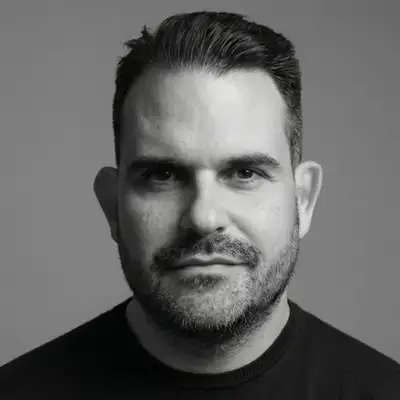
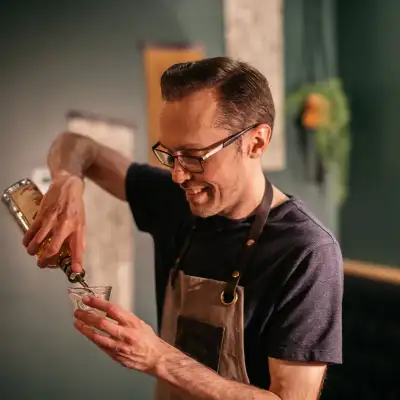
In this episode of the Maffeo Drinks Podcast, with guest Chris LeBeau, we explore the nuances of flavor profiles, consumer preferences, and the intricacies of crafting an exceptional cocktail. LeBeau shares insights on how different cultural backgrounds and personal tastes influence drink choices and experiences. He discusses the importance of storytelling and emotions in drink presentation, the role of brands in cocktail creation, and how bartenders and consumers can better communicate to achieve a satisfying drinking experience. The dialogue emphasizes understanding where good drinks originate, looking beyond brands to quality ingredients, and exploring novel mixer concepts. The episode invites listeners to embrace drink-making with a discerning palate and open mind. 00:00 Welcome to the Mafeo Drinks Podcast 00:28 The Ferris Wheel of 50 Best Bars 00:54 Taste Profiles and Restaurant Experiences 03:02 Categorizing Cocktails and Menu Descriptions 07:55 Brand Influence on Cocktail Menus 10:34 Personal Preferences and Cocktail Choices 17:51 Cultural Influences on Taste 21:29 The Impact of Small Additions in Cocktails 21:57 Bridging Taste Profiles: From Rum to Whiskey 22:41 Exploring Boulevardier Variations 23:47 Understanding Barrel Aging and Spirit Mellowing 24:55 Building Trust with Customers2 5:32 Maximizing Tasting Experiences in Classes 26:09 Avoiding Assumptions in Drink Preferences 30:18 The Importance of Reading the Room 36:55 Evaluating Bartender Skills and Drink Quality 39:42 Final Thoughts and How to Connect About The Host: Chris Maffeo About The Guest: Chris LeBeauWelcome to the Maffei Drinks Podcast. I'm Chris Maffeiro, your host and fellow drinks builder. I'm really honored to have you as one of our listeners from 111 countries. A small ask, if you enjoy the show, please leave a review and share it with others in the industry. Visit mafelldrinks.com for free resources, premium content, and episode transcripts.
Chris Maffeo:Now, let's dive into today's episode.
Chris Le Beau:So I just think that, you know, for those who are on the Ferris wheel of chasing to be on a 50 best bar list, I can't help you because you know there's a game to be played and you can figure that out. But on that list, so many people are coming there because you're on the list and I promise you most of them respectfully have no clue what they're doing. And so they're gonna get a panic order. They see margarita and they're gonna order it without even still conceptualizing what you're trying to sell them. Anyways, that's that's my rant.
Chris Maffeo:But this is super, super, super interesting because like for me, my wife and I, like, they have we have different kind of like taste profiles. And and for example, of course, like when we go to a Czech restaurant, like she takes you from a Czech perspective, I take you from an Italian perspective. So it's totally different angles now. And then when we go to nicer places, because then I tend to go to nicer places where I know that maybe we can also get a cocktail and so on, You know, she sees something on the menu which has a traditional name. So she goes for it because she's in the mood for that kind of food.
Chris Maffeo:No? So it could be, I don't know, like a goulash or whatever. But then what she gets, it's often very strange thing because it's a revisited kind of goulash. And then she looks at the plate and she, you know, she's like, what the hell is this? Because it's totally different, which is exactly the same of what she's saying about, you know, the 50 best bars kind of example.
Chris Maffeo:Now that, you know, what you see as a name that it could be like, whatever, like a crazy margarita on name on a cocktail. Maybe it's got nothing to do with margarita. Maybe it's just like something that the bartender in a very creative mood compared to a margarita just because there's tequila in it. But then all the rest is like nothing to do with a margarita or any anything else. And so there's also this kind of like thing like to guide people, you know, and a question I have for you is that, you know, because you have been talking to so many people that are, let's say, non professional in the industry, so to say, how do they approach that?
Chris Maffeo:You know, do they approach it from a flavor profile or from a category point of view? Is it, is the guy or the girl coming like, I like rum. You know, I usually drink rum. I want to learn about making cocktails with rum. Or is it more like I like fruity things or I like bitter things or how do they know?
Chris Maffeo:And probably there's no, you know, right or wrong question, but it's it's more like to just to understand, like, where usually people just like to to put some statistics to your experience.
Chris Le Beau:Yeah. So the first thing I'd say, and this is I can only have been to so many restaurants and bars. There are bars I know who are run by very good people who I still think their menus are written very atrociously. Now, I think in general, I think grouping cocktails because I don't want this to all be a negative rant. Just think that we I think cocktails are still growing up, and so we're having to learn more about them.
Chris Le Beau:Now, I do think that in general, the more productive way that people are doing is they are beginning to categorize by more style of drink, whether that is a traditional name that you know, more of a martini style, or they give you these attributes, again, like boozy and abrasive, for example. So I think the way that people are beginning to talk about these things are great, but I even heard about this from you or for someone. But yeah, in some cases, some brands are paying or offering small incentives to be listed by brand name on a menu. And if I didn't hear that from you, heard it from somebody else.
Chris Maffeo:But No, no. It was me. Was probably me.
Chris Le Beau:Okay. There you go. And so, I think like people know what Grey Goose is, but nobody knows what Sue's is or knows what Luxardo Bitter Bianco is. And so I think that places are doing it well often have a subcategory of menu. So styles of drinks and then a playful or useful description or a couple of words.
Chris Le Beau:A little sweet, a little sour, a little bitter. Okay, great. I think any of those kinds of just directional pieces right here. Oh, smells like a strawberry garden, you know, at the end of fall harvest. That's so much more helpful than listing out ingredients right there.
Chris Le Beau:So I think this idea of what kind of mood is this going to impart or where does this take them when they drink this drink? This is from the book The Bartender's Manifesto, but they were talking about smell, about drinking agave spirits. And this guy said, Wow, this reminds me of when I was growing up at the fair in Mexico and I was eating cotton candy, but I was standing right next to a vendor with a gas generator. So it was like this play on cotton candy and gasoline or whatever, which whether or not you think that sounds interesting, you are right there with him in that moment. And so I think where does this drink take you?
Chris Le Beau:What does it remind you of? What are the general vibes of it? You know, emotions are so powerful, you know? So telling a quick story or conveying emotions about a drink. This is the drink you want in hand when you're watching your team play American football on a Sunday.
Chris Le Beau:Okay, like that's a situation right there. So I think these things, they give people interesting directional vibes. I think that the thing that's interesting is like regarding the ingredients, is that's a very clinical way to talk about the drink and that's okay. But the average person doesn't know what that clinical piece is, and having to write more of a warm hearted emotional statement, that is a very vulnerable or courageous thing. And so I think it's a little bit scary.
Chris Le Beau:Like, I can confidently, as a bartender, tell you that I put, you know, Bruto Americano in this, but like, what does this drink mean to me? That's a little bit more of an emotional statement right there.
Chris Maffeo:That's a fantastic way of explaining it because it makes me think, you know, like it's like you have to understand where that person is, no? That, you know, if you don't have that information, like another thing, like to build on what she was saying, like I totally agree on is that the type of glassware that it comes with. You know, like sometimes, like I order a drink based on the spirits I like, you know, like, first of all, there's always like when there is too much information on the menu, you know, it tends to be like a kind of like tick the box, like point system. No. I say, oh, there's gin, there's this, there's this.
Chris Maffeo:Oh, shit. No. I hate this one. It's like five ingredients and then they're like, shit, you know, like four out of five were great, but the fifth one, I hate it. And it becomes almost like a competition.
Chris Maffeo:But then also sometimes I end up ordering one drink and and then I get it in a glass that I hate. You know, maybe I get it in a martini glass or maybe it's like there's no ice. You know, I envision a nice tumbler with a nice big piece of ice. And then all of a sudden I have this kind of like very martini esque, you know, glass. I spill all over and I mess up when I'm drinking like, and I, you know, I'm wearing a white shirt and basically like it's gone forever.
Chris Maffeo:There is this this element as well, but also another point that I was thinking about what you were talking is that isn't that also like a problem from a brand side of things? Because to your examples, you know, it sounds also like that there's a lot of brands that and I see this in in Europe as well that they are pushing to be on the cocktail menu. So all of a sudden it's like, I can support you on this cocktail program, but you need to put my name on it. You know, I want to have my Mafel rye whiskey into the menu, so you must put it, you know? And then all of a sudden that hijacks the whole thing because all of a sudden it's like a bunch of names that people have never heard of.
Chris Maffeo:But what is this supposed to to taste like?
Chris Le Beau:Yeah. The brand thing is a very interesting. There's not a good answer to it, but I think it's kind of both ends of things because, you know, mean, you could name them better in Czech Republic and Italy and Europe than I can. We run into this thing where I think brands are reassuring and hopefully good statements of quality, but I think as well in the intimidating cocktail bar, they become too much of a focus or a defensive position. For some people, it's about social, it's about status signaling.
Chris Le Beau:But like, for those people who want to drink that, it's more important to be seen drinking this. They want to be able to be past that or see the bartender pull that down. But I think at times, like when someone comes in and they know they want Jack Daniels or whatever, How much of that is a status signaling, a safety precaution standpoint because they're worried about looking dumb? So I think there's moments where the brands have done their job because they have seeped their way into people's mind. Know, Tito's Vodka, it's like What I understand is that the whole vodka market is kind of tanking right now in The US, while Tito's Vodka is just exploding.
Chris Le Beau:It is this incredible moment of they have created themselves as vodka. It's an amazing marketing story, truly. Absolutely. But it becomes this thing where like not all vodka suddenly got bad. It's more people just they feel safe making that call, or sometimes it's a status thing.
Chris Le Beau:And so I think it's great for us to highlight things that make what we do possible, but I think at times it can exist in a way that at least in terms of people exploring the drink world, that they're afraid to go any further, either because the only name they've ever heard of in gin is tangerine and they didn't like it, the martini, so they just know gin is bad, or it's all they will ever drink. And not everybody's meant to be an explorer, but I think that brand can have these positives and negatives.
Chris Maffeo:Yeah, I agree. I agree. And I mean, like to your point, for example, on gin, I think what the bad experience of gin in The US, you know, has a counterpart in euro, which is tequila. You know? Whenever you mention tequila, it's like the devil.
Chris Maffeo:Now it's now it's changing, of course, with the high quality tequilas. But back in Italy was like tequila boom boom or tequila sunrise or tequila, whatever. You just like had it as a shot. Like you're tears in your eyes when you were drinking it. But what's also very important is to explain people, you know, like and I came to this conclusion during an episode, like, I can't remember which one it was, but I was saying, like, for example, I didn't like gin and tonic.
Chris Maffeo:And I always thought that I didn't like gin, but it wasn't the gin. It was like Schweppes. We like Indian tonic, you know, with a very distinctive taste with the lemon or the lime that I was getting in, you know, and I don't like citrusy kind of flavors. You know, I'm more of a bittersweet kind of guy, you know, like an agroni and Boulevardier and you name it. But everything that is like, you know, a sour and all these kind of things like I don't, I tend not to like them.
Chris Maffeo:And then it took me a while to understand when I started drinking, for example, Hendrix, you know, with the cucumber and so on, it made me think. And it's like, actually like I like gin. It's just that I didn't like the lemon. When I started drinking Hendrix, was also together with Fear Tree Double Dah, you know, like all these Mediterranean tonics, you know, like different kinds of tonics than the typical Indian tonic water. Then I started to go more into London dry because I said, okay, maybe I like Hendrix, but let me try if I still like it classic, you know, London dry gin.
Chris Maffeo:And I liked it, you know, but so the issue was the lemon and
Chris Le Beau:that kind
Chris Maffeo:of tonic. It wasn't the gin. So I think it's a similar thing with tequila. It's like maybe you had it, you know, you had a shot 3AM in the morning on the dance floor. Somebody brought it to you.
Chris Maffeo:You know, have you tried sipping a tequila? And I remember when I lived in Stockholm, it was exactly like this. I, I was throwing a party in a, in a bar and the bar manager to thank me because I brought in all these people. It was like no charge. It was like just like a get together that are organized.
Chris Maffeo:But back then it was small world. I don't know if you remember that. And it was funny because I think back then I think he was a patron, if I remember right. And he was like, oh, let's have a shot. Let's have a tequila.
Chris Maffeo:Was like, shit, no, no, no, no, no. And he said like, believe me, let's have this one. And, you know, he opened this Reposado bottle and I loved it. And I was like, is this tequila? Are you sure?
Chris Maffeo:It's like, Yeah, yeah, You know, you'll be surprised. It's also like, you know, kind of like unlearning what you know about a spirit and relearning it into another way, which is what you were saying, you know, back at the beginning.
Chris Le Beau:Yeah, I think memory and emotion and flavor and hangovers are all real things that can cast a long shadow. But yeah, I think what I find often is reintroducing people that are open to it, to a category that they often had too much of, or likely in tandem, also too poor of a quality of. It's like, Oh, yeah. And not everything is meant to be sipped meat, you know, for everybody. I think about it like a coffee, you know?
Chris Le Beau:I mean, take somebody out for espresso as their first coffee unless they're born in Italy and they're probably not gonna make it, right? But that's where you start with, you know, cappuccino or something like that. Like The milk can help kind of ease people into the pool in class. Like, if we're ever drinking a drink and you're like, I hate this. You should stop drinking it immediately.
Chris Le Beau:But if it's something that you're like, Oh, this is a little too Can you put name Can what that is? To your point with the gin, right? Oh, this is a little too Oh, okay. What do we have that can adjust that? In some points, it's starting with a different style of product to begin with.
Chris Le Beau:But over time, we begin to unpack, it's like it's these flavors more than anything.
Chris Maffeo:I agree. I agree. And I mean, we we tend to talk like in the entree about, you know, allergies and things that are, of course, serious. But we don't talk about what you don't like, you know, it's like it's like it doesn't kill me, but I hate it. And for example, for me, I eat basically everything.
Chris Maffeo:One thing I hate is cinnamon. I hate it. I can't stand it, you know? And I've got it detected. I could be like a police dog at the airport sniffing, you know, cinnamon in suitcases.
Chris Maffeo:I can get it everywhere, you know, like in a cocktail, cocktail, in in a a food, in a zweed or whatever. Like and I challenged them and I said, there was cinnamon in, is it? And the the waiter was like, no. There there's no cinnamon. I was like, can you ask the chef?
Chris Maffeo:And then the chef comes out, you know, and he's like, honestly, I put like a tablespoon like just like the tip of a tablespoon in a I don't know two kilos of dough. It's like sorry man you know I got it. It's funny because sometimes like that can put you off you know you can give me the best cocktail ever. You put cinnamon to elevate it and to make it cool. And then I'll stop drinking it, you know?
Chris Maffeo:So sometimes it's also this kind of information are also helpful for people with which, of course, like I'm not saying that people should accommodate all the weird taste profiles of people, but sometimes you should also make it more kind of like approachable for people so that you don't put coriander or cinnamon or, you know, all this diverging kind of flavors and taste profiles.
Chris Le Beau:Yeah. And I think in addition to that, because I agree that there are some things like, Oh, gin is not just gonna be your thing because juniper isn't your flavor. Okay, I mean, there are gins that are more juniper forward. But yes, whether that's cinnamon And I think as well, in an era, going back to that restaurant that charges the same amount for a pizza as they do for a cocktail, basically, I think there's a whole other level of obligation here, which is if someone's going to be paying $17 US for a cocktail, and that's probably charitable, you know, in New York, you're in the 20s most a lot of the time now, not all the time. But I think that we have an obligation to try to help people arrive at a drink that is more their style, too.
Chris Le Beau:Because, one, otherwise that drink could get sent back, or that's going to take away from their experience. We're putting the burden on them to ask, What is this thing right here? Now, if it is a thing where we disguise that there is coconut in here and they don't like coconut, well, that's a whole other issue too. But sometimes we also want the person to end up with a drink they like, and we could also give them more information on that. You know, with trace amount of ingredients like cinnamon, when you got the Maffei dog around, that's something else you have to square right there when you're putting a trace amount of cinnamon in something.
Chris Le Beau:But yeah, there are things you just don't like. And so it is where restaurants, I think, or bars can do a slightly better job at trying to get to understand what people think they like. Like I would probably not try to put you in front of a citrusy cocktail because it's not your thing. And so either the menu can help with that or the waitstaff or the bartender can help with that.
Chris Maffeo:I agree. I agree. And this also comes back to one question I wanted to ask you, which is the role that actually your origin play into the game now, because I mean, mentioned before, you know, I grew up with coffee. I don't know when I had my first one, whatever, but I drink it black, no sugar, basically as a shot or I can I can drink any because, I mean, I've been living abroad for nineteen years now, so it's a bit of a different kind of taste profile now and palate? But when it comes to you, for example, like, you know, talking Midwest, do you think that the people you are working with, you know, are they, I would assume they are naturally born with bourbon.
Chris Maffeo:We grew up with bitters. You know, we grew up with Limoncello. We grew up with Nochino. We grew up with all sort of bitters going from Montenegro to Fernet Branca. You know, we covered the full taste profile that you can imagine.
Chris Maffeo:Which role does that play for you? I assume like in St. Louis, like this similar kind of people that come to you. Does that play a role into what they like? That is like, they all kind of like default to certain things and then you need to bring them to experience something else to get them out of their comfort zone.
Chris Le Beau:So yesterday, while I was talking about aromatic bitters as well as drinkable bitters like Montenegro and Campari and whatnot, I said to this group I was like, If I'm working with a group with a class that is more from Italy, France, Germany, South Asia. I know that they have more bitter foods in their cuisine, and therefore I'm less concerned about rolling bitter ingredients in front of them. Bitter is a very polarizing thing here. So yes, I do think origin, having grown up here in the Midwest, but I lived for a little while in Southeast Asia and Malaysia. And yeah, like, I mean, one of my friends, I can still picture him sitting in his apartment while he was right out of a little snack pack eating these fermented fish bites.
Chris Le Beau:And I was like, That smells heinous to me. I was like, That's like a crime, you know? And there he is. But he grew up around that. And so yes, I do think origin, either actual geography or what you were raised around, I think absolutely plays an impact on those things.
Chris Le Beau:I think some things naturally go down perhaps more easier. Some flavors are just simply more polarizing than others. And I think about this as well for classes because I like to introduce people to different styles of drinks. But in general, when I introduce people to Sours might be less some people's thing. When you introduce people to citrusy cocktails, it is way less polarizing than an old fashioned or a martini, in part because the alcohol is so out front or in some cases because of the bitter ingredients.
Chris Le Beau:So one of the things I do in class that always blows me away because it's so trace amount in how many people claim to love old fashions. But so because aromatic bitters can play such a prominent role in a cocktail despite how much how little is added, I have people in my class that actually build old fashions incrementally. So I have them stir the sugar and the whiskey with ice, pour it into a glass. I have them drink that chilled sugar whiskey water cocktail, if you will. Okay.
Chris Le Beau:And then I'll have them add a dash or two of bitters at that point in time to see how that saltine of the cocktail changes it. And it's amazing how many people at that moment pull back because it's suddenly now a little bit spicier. And then we will add the traditional citrus peel garnish so they can watch the drink change per these multiple things. But it's always interesting to me how many people react to that little sixteenth eighth of a teaspoon addition to the cocktail.
Chris Maffeo:That's beautiful. That's beautiful. I never tried that. Like it should be it would be really, really interesting for me and to to to try that. But what do you think in terms of kinda like bridging between this taste profile?
Chris Maffeo:You like, always bring the example of one of my dear friends. He's a rum drinker. And I brought him to a to a whiskey fair, and then I was sitting at the Gildanfriede stand with some friends. And and I said he he was like, I'm not really into whiskey, you know, I just gained came here, you know, just to be with you. And and I was like, okay, let let's try let's try this one.
Chris Maffeo:You know, like, it was like something that was done in Ramcask. If I remember she was like that, I think it was like 21 year old or I can't remember. I used that as a bridge because I said, like, you know, this will not put him off because it's like, it's a Ramcask kind of thing. So he will know he will get something familiar. Same thing is that, for example, like I started drinking Boulevardier after years of drinking Negronis, you know, and Boulevardier, I play a little bit like the similar way that you were saying like, okay, like I go for a bourbon based Boulevardier, which is kind of like sweeter and softer.
Chris Maffeo:Then I try it with rye. Then I try with scotch. Then I try with the Ale scotch. And then I start, oh, maybe I put like just like a half a centiliter at the end, but the base is bourbon, you know, and that that is also like something to play with, especially, I mean, you don't want to have a boulevardier with art bag that is gonna, you know, break the bank kind of thing. But then maybe you can ask them, okay, can you put just like a little dash of art bag at the end just to give the smoky flavor of it.
Chris Maffeo:So what role does that play when you're talking to, again, like regular kind of people that not educated bartender, they have a very educated palate?
Chris Le Beau:Yeah, I do think that what you currently drink is a great place to start. And proofing aside, especially in the era of barrel proof spirits and whatnot, taking all that navy strength things and putting that all aside, barrel aging does have a disproportionate impact on the spirit. And so, one, again, reminding people how basic people are. The number of people who, when I explain to them that whiskey is white when it comes out of the still, they're like, Oh, really? So for people to understand that if you barrel age any spirit for long enough, it is going to be more mellowed and whatnot.
Chris Le Beau:So yeah, someone is more of a brown spirit person trying to find other avenues for them of like bridging with like flavors or like style of cocktails. I'm an old fashioned drinker. Okay, yeah, to your point. Let's try a quarter ounce of this smoky, fi scotch along with the other 1.75 ounces of bourbon or whatever. Know, so I think playing with those more bold flavors, you know, or again, to our friend Nikolai, you know, like the old fashioned style cocktail, the Taranto, was like a little teaspoon of fernet Branca.
Chris Le Beau:Like the Branca's really standing in in place of a traditional dash of bitters. So here's what I think is important and what I like about longer events that I do every once in a while, is people get there and some are just excited, Tell me, I'm gonna put myself in your hands. But when you give someone a drink that they really end up liking, or you can do something well, or you spend time talking with them, then there's a good chance that for the second drink, if there is one, or the second time they come back, they'd be like, What else do you have back here? And so I think the more time that you show them that you're enthusiastic about these things, the more that they're willing to often put themselves in your hands. Or in a class, what I like to do is I like to maximize the number of things you can taste by minimizing how much we drink.
Chris Le Beau:So we'll do five half sized drinks in a class. So about two cocktails, a little bit more than two in an hour and a half or so. And what's nice about that is people feel like it's less of a risk to take a chance on something. I earn their trust by saying, Hey, might not love all five of these, but you're gonna love three out of the five of them. Anyways, I think that part of it is really finding like, Okay, yeah, if you're a white rum drinker, let's try gin, let's try silver tequila, or blanco tequila.
Chris Le Beau:These things are kind of like the the places to start at that point.
Chris Maffeo:I think like listening to you is also about and I speak to myself first, know, like it's like to assume a little bit less now when, you know, there is this tendency, especially like in a high pace bar environment, for example. I was in a bar and then it was like, okay, I like Negronis. I like bitter and so on. And then it's like, oh, I know what you do to you. And then, you know, he made me a cocktail and then he had put Branca Minta in it.
Chris Maffeo:I don't like Branca Minta. Love hernet Branca, but I don't like Branca Minta. He assumed, by the way, naturally, that I'm Italian equal. Anything Italian will be nice for me, you know, like it's like, oh, you're American, so let me give you a bourbon. It's like, you know, I hate bourbon maybe.
Chris Le Beau:Yeah. You
Chris Maffeo:know, I like I like rum and I like to, you know, like if we went a level deeper and now without going too geeky, you know, but it's like when to your previous example, it's like I love old fashioned. So what do you love about the old fashioned? Is it like that the sweetness? Is it the rum? What is it?
Chris Maffeo:You know exactly that you like? Is it is it that maybe it's an easy entry for you because maybe you had it very sweet historically. So you think that that's how it's supposed to be done. Maybe what about if I put a little less sugar? Would you still like it?
Chris Maffeo:Or do you or would you like like an old fashioned rum or an old fashioned whiskey? For example, like the very first old fashion I had was with rum. So automatically, for example, my brain defaults and I did it just now, like defaults to rum. So that's why I I put the sugar in, you know, because it was very rum forward. It was like, I can't remember if it was like with Sakaapa or whatever, like diplomatic or whatever that was that, but, you know, like you you have this kind of like assumptions and then you kind of like dismantle all the other things that could be precious information to actually deliver something outstanding to the client.
Chris Le Beau:So there's something that I try to do and I co opted from a book that I read. But, you know, as everybody could have their example, especially if you're gonna be taking people's orders, is in addition to what do you typically drink, also like, is there anything that And sometimes you can't remember everything, but like for the case of the Maffeo guard dog with cinnamon, for example, you know, for a bartender to say, Is there anything you don't like? And then for them to go first to say So that someone doesn't feel like they're Like, I'm not a big fan of cinnamon, right? And for people now that somebody else has already volunteered, I don't love everything in the world. Like, Oh, yeah.
Chris Le Beau:Hey, you know, cilantro makes me crazy. Oh, that's good to know because we actually sometimes put cilantro in our margaritas, you know? So, I think the more that you can What do you typically drink? And is there anything you don't like? But also, getting it out of the way that you are don't love everything.
Chris Le Beau:I don't love mayonnaise. Okay, great. Well, we don't put mayonnaise in cocktails, but, you know, so how do you
Chris Maffeo:-:
Chris Le Beau:I agree. Kind of clear that way right there.
Chris Maffeo:-: I agree. I agree. I mean, it's going back to what we were saying before, like putting people at ease now because we think like we've got a like a living encyclopedia when we enter a bar. No? I mean, maybe that bartender has no idea about, you know, agave spirits, has no idea about scotch.
Chris Maffeo:He or she knows the basic ones like the big the big brands, but they don't know like the nuances, you know, like so then let's it goes both ways now from a consumer perspective, from a bartender perspective. And also, like, you know, like putting a little bit of pride aside, no, and say, look, you know, like, I'm not a big fan of this category or I'm not a big fan of like, I don't know. I don't like smoky things and flavors, you know?
Chris Le Beau:I think my understanding is, you know, you probably have a few more people listening there really of the industry. And so, like, there are bars that are meant in restaurants that are, like, meant to be the corner bars, you know, a place where you get a beer and a shot or you get a little, you know, basic pour of a chardonnay wine or whatever. So, one, I do think people ask all the time, like, Why are there so many bad drinks out there? Or, Why are the drinks bad at my corner bar? And it's to your point, some bartenders don't know these things.
Chris Le Beau:And so I think there's a little bit of unfortunate obligation to the consumer of, like, you don't walk into your local tavern and say, Hey, do you guys have any sushi available? Right? You know, I mean, like So there are times that you need to read the room a bit. Now, are I have been in bars that are very unsavory, not pretty places where you can tell they are working the hell out of those drinks. But paying attention, you know, again, as a consumer, I would just say, how a bartender handles the tools, if they're handling tools at all, is a great tell on things, you know?
Chris Le Beau:If you see them shaken and old fashioned, you know, I would recommend getting a beer. And so I think one of the things is reading the word in terms of like just paying attention to where you are in the era of a cocktail. Just like I think we can all more come to terms with the idea of like, Oh, that one restaurant up the street, their food is crap, so I'm not going to go there. Or I'm okay with having food that's not great. It's like, just because it's a bar doesn't mean you are promised a good cocktail.
Chris Le Beau:Absolutely. And so I think paying attention to those things, I think is important. And then you of course have on the other end of things, the places that are my I think we had in our preliminary conversation. Places that are trying too hard are putting too many ingredients into cocktails. And it's not necessarily bad, but for the fact that you're paying 20 US or 15 US or however much whatever the hell the euro is, I don't know anything.
Chris Le Beau:But anyways, but I think it's like There are plenty of places who will charge you great money for a drink that is only okay.
Chris Maffeo:Absolutely. -:
Chris Le Beau:And so I think that's where as the consumer, there is a bit of the responsibility. So the final thing I'd say, again, back to Shout out to my good friend, Tim Wickens. He says that when he's at a place And this necessitates you to be in the mood to want to have more than one drink, but Tim says you should always often try to order in a cocktail bar, proper cocktail bar, your favorite first. Order a Negroni. Order a daiquiri.
Chris Le Beau:How did they do with that, going back to the classics? If they can execute that classic, then they've earned your permission, your trust, to try the specialty. Because I go back to one of the more obscure agave distillates, it's called ricea. It only achieved like denomination of origin in 2019, I think. But I was in a bar and good enough reputation from a culinary standpoint.
Chris Le Beau:And I saw they had a ricea cocktail and I looked at the build. Was like, Oh, this is interesting. But there was also cold brew coffee in it. And I like to say that's the story of when I paid $17 for a cold brew, you know, because the cold brew just came in and just railroaded the cocktail. And that can happen often right now when people are playing with wide arrays of ingredients.
Chris Maffeo:Absolutely. Absolutely. Like the first thing, like I totally agree with like, for example, for me as an Italian, you know, the first thing, if I enter a pizzeria, I order a margherita. Not a margherita, but a margherita. And then if I go to an ice cream shop like a gelateria, you know, like, I always go for chocolate and, you know, usually have chocolate and pistachio.
Chris Maffeo:So usually those are the one like, you know, I I I'm I'm trained, you know, I had them since I was like four, always these two flavors. So I'm gonna try the first flavors and then I'm gonna judge, you know, what you kind of like lie. The, and the other thing is that it's also about what, when you enter the place is also about understanding your surrounding what you were saying, you know, like coming from beer. I know that in the majority of places, is actually not good quality. The lines are dirty.
Chris Maffeo:You know, they they haven't got my maintenance and so on. So my first question is, I look around and if I don't see beers on draft, I, I order beer in bottle. Or then I ask them like, which one do you, if I go in a kind of like a dodgy one, then I'm like, what do you sell more? You know, which one is the one with biggest throughput? So it's kind of like cleaning itself up, but people don't read that thing, you know, like sometimes they may go to a typical pub ordering a spritz, which, you know, is gonna be like with very bad Prosecco, super cheap, like the soda is gonna be like with no bubbles, you know, like, why don't you look around kind of thing?
Chris Maffeo:And that goes back to the point that the last point that is about like a segmentation, for example, that I've that I've created now that it's it goes like left to right on the level of skills of the bar because in the majority of bars, basic restaurants, let's say, mean, in in The US, you are much more ahead because in restaurants you usually get cocktails. So there is usually a bartender. Correct me if I'm wrong. But in Europe, you know, like a lot of these places where you go, I don't know if you take an Italian pizzeria, they will have spritz. But guess who's making the spritz?
Chris Maffeo:The waiter. You know, there's no bartender because there's no job called bartender in a pizzeria. In a regular one, not in an elevated one with a nice bar and so on. So, you know, it goes back to the first point, like how do we scale these things? This culture of cocktail is to really understand and teaching consumer to say, okay, actually read the read the venue.
Chris Maffeo:Is there a proper bartender? Is there a bar? How many bottles do they have? Do they have three bottles or do they have like a nice range? Are they kind of like rusty and, know, like sticky corks, you know, there because the last time they opened that Campari was like a month and a half ago or what is it, you know, like, and to learn that because a lot of that goes back to what we were saying before is that bad experiences, no?
Chris Maffeo:You know, like I tried to have a margarita in that venue. It was shit. I hate cocktails. I default back to beer, you know, but probably you should have never ordered that margarita. You know, you should have stick to beer because you were in a German Stuber and that's what they do.
Chris Maffeo:You know, like they don't do margarita. They try to say yes to some people that wanted to have a margarita, but they don't invest into a bartender, into a bar program, into good tequila and ingredients and so on.
Chris Le Beau:Yeah. So two things based on what you said. One, yeah, I think that and this can exist in a lot of fields, and this is not meant in a demeaning way, cause there's a culinary reference here too, but like, the word bartender can mean many things, right? So, I meet people all the time, and this is not me holding my head up high, but like, they did work behind a bar. But what they were turning out So even if we have someone who holds the title bartender, and I have to find this out when I work with bars and restaurants, is how do you go in there and not step on toes while working to show people like how drinks are properly made.
Chris Le Beau:So, there are plenty of people who will make drinks. Are they making them well? Is a question. So, I think this comes back to something that is interesting for both the public and industry. So my father actually teaches people how to play golf for a living.
Chris Le Beau:He also had a career pivot middle of his life. But one of his statements that I have co opted is he says about golf, People misunderstand where good golf shots come from. What does it take to produce a good golf shot? And I believe the same thing is true, is people misunderstand where good drinks come from. And I think that there's no one answer in our market because people have all different sets of tastes.
Chris Le Beau:But I think right now too much value is assigned to brand. They're so fixated on, If I get Tito's that I'm guaranteed to have an amazing lemon drop or martini, and yet there is no attention to the other ingredients or there is no attention to the technique that's used to produce that. And so I think that for bars, as they stock better and better ingredients, the question is, is like, do they understand where good flavor and good texture and temperature and drinks comes from? And for the layperson as well. And this is asking a lot, so I'm not For all you out there, you don't have to know all this right now, but I think that's the challenge is once we kind of strip away a lot of the complexity, it's like what are the things that yield?
Chris Le Beau:So this guy, Kevin Peterson, I'm gonna be beyond the ingredients and the technique. He's like, The meta ingredients in cocktails are temperature, texture, and dilution. And how do we think about engineering these things? And you can do that through all sorts of methods of preparation. And it doesn't need to be complex.
Chris Le Beau:But anyways, now I'm just I think I'm circling now. But these things are important to pay attention to, to ultimately ensure that a delicious drink lands in front of somebody because it's not hard. But if you disrespect those rules, the drink will go sideways immediately. Absolutely.
Chris Maffeo:No, fantastic. Fantastic. So let's wrap it up here because I'm aware of your time, like we went a little bit over, but let us know how can people find you and, you know, like, especially like the fellow American listeners of the podcast, where can they find you and book you and reach out to you and meet you?
Chris Le Beau:It's all should be Decoding Cocktails, decodingcocktails.com and same on the Instagram platform. It's Decoding Cocktails podcast, I believe, technically, when you search for it. And on my show, it's really more, one, you are a great interviewer, so props to you. But yeah, I try to ask myself, like, what is it that I'm trying to learn? And the awesome part is It's like a recent episode was, spirits have been on an incredible ride, it's cool to see people taking so much pride in these things right now.
Chris Le Beau:And I feel like the word mixer has such a bad connotation. It's the crap that you use when you don't take the time that I recently interviewed a craft mixer company out of Charleston, South Carolina. And these are people who have backgrounds at the Culinary Institute of America and have worked in all sorts of restaurants and ran a high end cocktail bar. And they're attempting to now basically ask, What would happen if we brought the same amount of attention to a mixer that we do to a spirit? And what happens if we were as excited to show someone the mixer as we were our bottle?
Chris Le Beau:So that's what I like about mine. It's cool that it's a continued learning opportunity for me. But yeah, if you got questions about classes or wanting to work with your establishment, I'm happy to I'm always happy to talk to people.
Chris Maffeo:Fantastic. This is
Chris Le Beau:You're an easy person to talk to, so thank you for that.
Chris Maffeo:Fantastic. Thanks a lot, Chris, and have a good day.
Chris Le Beau:Thanks.
Chris Maffeo:That's all for today's Mafel Drinks podcast. If you found value in this episode, please leave a review and share it with others. Don't forget to check mafeldrinks.com for all our resources, including episode transcripts. This is Chris Mafel and remember that brands are built bottom up.
Creators and Guests