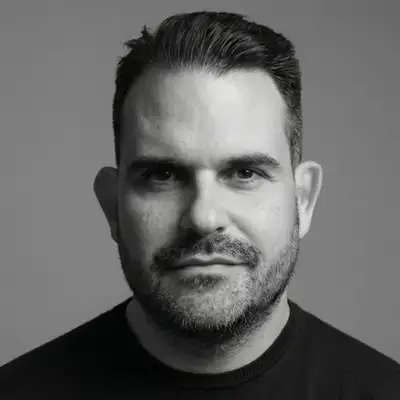
Mikko Koskinen | From Rye to Category: Building a Distillery Brand | Kyrö Distillery | 066
Summary
In episode 66 of the Maffeo Drinks Podcast, Chris Maffeo speaks with Mikko Koskinen, the co-founder of Kyrö Distillery. They delve into the distinctiveness of Finnish rye as an ingredient, the importance of provenance and local culture in brand building, and the merits of being a distillery-first versus product-first company. The discussion also covers how to effectively convey a brand's story to both local and international markets, the genesis of Kyrö's products from creating rye whiskey in a sauna, and the significance of communality, Nordic minimalism, and rye's cultural relevance in their brand philosophy. Additionally, they touch upon the challenges and strategies of maintaining brand communication consistency, emphasizing the importance of building trust in premium spirits. Kyrö Distillery Ad 00:00 Introduction to the Maffeo Drinks Podcast 00:38 Meet Mikko Koskinen: Co-Founder of Kyrö Distillery 00:45 Chris's Connection to Finland 01:35 The Evolution of Finnish Drinks 02:38 Brand vs. Liquid: What's More Important? 04:59 The Origin Story of Kyrö Distillery 07:33 The Role of Rye in Finnish Culture 17:12 Building a Distillery Brand 24:44 Simplifying Whiskey for Newcomers 35:34 Marketing Strategies and Challenges 41:40 Conclusion and Next Episode Preview About The Host: Chris Maffeo About The Guest: Mikko KoskinenWelcome to the Maffeiro Drinks podcast. I'm your host, Chris Maffeiro. In episode 66, I speak to Mick Kokoskinen, cofounder of Kewd Distillery. We discuss the focus on Finnish rye as an ingredient and the role of provenance and local culture in brand building. We speak about being distillery first versus product first, and we dive into how to go from flavor profile into a story that is simple to convey to both local and international markets.
Chris Maffeo:I hope you will enjoy our chat. One last thing. If you enjoy this podcast, you will also like the Maffeiro Drinks Guides. You can subscribe free or paid on maffeirodrinks.com. Hi, Mikko.
Chris Maffeo:How are doing?
Mikko Koskinen:I am fantastic. Thanks for having me, Chris.
Chris Maffeo:Absolutely. No, it's a, it's a great pleasure. Some of the listener may not know that I used to live in Finland for, I lived there for three years. So I feel a strong emotional connection to Suomi and to the Finland's lands.
Mikko Koskinen:I can imagine, and I hope that you you have recovered your your time in Finland can deliver from especially during winters.
Chris Maffeo:Be back in the days, some in some in some flights, Helsinki Roma used to be the only person with black hair on the plane. So it was always very exotic as a destination to go back and forth from Rome to Helsinki.
Mikko Koskinen:But it also can be good thing. Like, sometimes you want to have a black hair and be among non black hair people. If they're I don't know, maybe in the bar or something.
Chris Maffeo:That's true. Yeah. So let's, let's start. I'm really happy to have you because I've been following your journey for a while and then we managed to get connected somehow through many people. I saw the developments of the, the Finnish on trade and the Finnish drinks industry in the last few years because after I, I haven't lived there, then I used to come back quite often because I used to be a country manager for Nordics and Baltics for Assai.
Chris Maffeo:Mhmm. And I remember starting to see your brands popping up on shelves and I was always, you know, keeping an eye on it. I said, is really, really nice, a nice development for Finnish drinks brands. It's not only about Koscenkorva and Finlandia Vodka, but, you know, there is something else coming from Finland that is that is a little bit different.
Mikko Koskinen:Yes. And that was actually one of the things that we had in mind when we, co founded Kura that we wanted to make, the local spirit scene a little bit richer on top of contributing to the world of whiskey as well.
Chris Maffeo:Fantastic. Let's start with my usual question about the brand or liquid, but I really want to understand from you then after, how did this start and what came into play in actually developing the new category? So does it start with the liquid or with the brand?
Mikko Koskinen:I think it starts with the liquid in the sense that you need to have something to base the brand on. But quite often the brand is around 90% of the value that you create when you own a distillery. So kinda have to have both. And if your liquid doesn't stand out, you can still do, and especially in in the world of what the taste differences are not huge, so that's where the brand matters more. In the world of whiskey, Brand does matter, but there's more variety in taste of and quality of the of the liquid as well.
Chris Maffeo:It's a little bit like a like a yin and yang of a brand and liquid because the liquid is what makes the, the brand starts the ignition of the fire, so to say. But then if you don't substantiate it with a proper brand and with a strong brand, then it becomes difficult to, to sell in the, in that sense, because ultimately the brand is visible before the liquid.
Mikko Koskinen:But let's say you have, I don't know, 10,000 liters of liquid and you don't have a brand, somebody will buy it, but the price should be, I don't know, €10,000. But when you build the brand really, really well, like suddenly somebody can can buy it with like 10,000 or 20,000. So you kind of have to have both, and the quality of the liquid has a huge impact. But also the perceived experience on the on the liquid is also affected by the brand. I think it creates more value than the liquid, but I am coming from the brand side myself.
Chris Maffeo:Tell us the story of your brand and your liquids. How, how did this start? I mean, I I'm biased because I, you know, and I also saw the video that is super funny. I will put a link in the description because I think everybody should, should watch it. And what struck me there was really the interlink of liquid provenance, you know, like it's a bit of a mix of everything that I really, really loved.
Chris Maffeo:And I think it explains the company philosophy and the distillery philosophy very well.
Mikko Koskinen:Yes. The story of Kura starts in sauna, as most of the stories in in Finland. The year was 2012. Me and some other of my cofounders were in sauna. One of us had brought a bottle of rye whiskey in that sauna.
Mikko Koskinen:There was also a time when there wasn't like, rye whiskey wasn't really a thing in Finland yet. Maybe not worldwide either, but as rye is like essential part of Finnish culture, we decided that somebody should do rye whiskey in Finland. Then we drank a little bit more and we decided that we'd be the people to do it, which sounded completely crazy as nobody had any experience in spirits business. I'm engineer by trade. I did stand up comedy as sort of side gig, but no marketing or algo spirits industry background whatsoever.
Mikko Koskinen:And the same goes with, like, all four of our co founders. Maybe the closest thing to an experience is our head distiller had brewed beer as a student for a student party. And our current CEO had built a logistics company. So he knew something about moving things across borders. Other than that, we had to learn everything.
Mikko Koskinen:And so that was 2012, we got the idea, then we needed a place. We searched for the place in many locations. Miko, one of our founders, had invited us to Isokira in Ostrobothnia, which is known for growing rye. And we went to see his family farm for location and eventually didn't choose that, but there was an old dairy that had like all the infrastructure for building a distillery, all like kind of in place. So we found our home and the first liquid that we did was in 2013.
Mikko Koskinen:We distilled that in small distillery and that new make because we really couldn't tell whether it's equally vesting or not. If you're not in spirits industry, moonshine in order to get some feedback. We got smuggled that into whiskey fair and had a couple of industry experts taste it. And we got really good feedback and that sort of gave us the confidence to chip our own money in and build a distillery.
Chris Maffeo:Wow. That's a, that's a real bottom up story.
Mikko Koskinen:That is exactly that. I have to thank my father and mother because they get like, they backed up my loan that I needed to chip my part for the distillery. So without them, I wouldn't be here and probably I wouldn't be here either.
Chris Maffeo:That's a great story. And how so you mentioned rye. It was a bit of a shock for me with the lack of white bread in, in Finland and everything every everything was rye bread in even in McDonald's, there were sandwiches with rye breads. For me, like, know, rice very I mean, it's not Italian at all. I know I know how it's called in Italy because I had to I had to Google it when when I moved there to understand what it what it was meant by that.
Chris Maffeo:What I love about this story is that, you know, it's super local in the sense that, you know, like rye makes such a big part of, you know, Finnish culture, Finnish food. And it's really something that runs in your blood.
Mikko Koskinen:Yes.
Chris Maffeo:Uh-huh. You took that kind of route from, you know, like to, to make something that actually wasn't really existing in the country.
Mikko Koskinen:Yes. And by the way, I'm shocked of the lack of dark rage when I'm abroad. So it goes both ways. Rice is such a like integral part of the food culture. In order to justify our existence, we felt that we need to somehow contribute to the world of whiskey, make the the whiskey culture richer.
Mikko Koskinen:And we've seen, like, some distilleries that essentially made whiskey that you could make in Scotland, but they just made it in geographically different place. And we felt that that is a little bit silly. So you want to take something that is special for that area and built a liquid and and made it the brand on top of that. And for us, it was naturally rye. You mentioned that there's a big food culture around rye, and that also means that the rye that we have is of higher quality because it's not made for animal seed, like in some parts of the of The US is actually, like, controlled.
Mikko Koskinen:And we do have rye malt available because it's it's used in, like, a Easter dish and some beers, which is not the case for all the locations. So we decided that we're going to do a 100% rye. It also makes sure that we easy for us to communicate what we're about, and it helps us focus with on top of rye whiskey. We do other spirits, but everything is 100% rye. And that's something that we don't give in, in that principle.
Chris Maffeo:I was talking to Nick Gillett from Mangrove in UK, the distribution company, and and he was mentioning his business partner was saying like, you know, that it's what you say no to that defines your business and defines your strategy. And I I really love that quote because, you know, it's quite clear. We do right. We do a 100% right. You know, it's not about 51% and makes it very, you know, like people can agree or disagree with it, you know, with the philosophy, but it's a clear way and it's clear to communicate, you know?
Chris Maffeo:And I'm a big fan of what I call the traditional occasions, you know, when, when you're talking about drinking occasions, because if you think about it and something that nobody really talks about is that all the drinks from beer, wine, milk to, to anything, to spirits, to whiskeys, you know, they are connected to the food culture. You know, historically it was a way of consuming food. Basically, if you think from the Egyptians, you know, and the Babylonians down to us, you know, through the Roman and Romans and Greeks, you know, like, so it, it is a way to preserve food and, and it's automatically an accompaniment and all the trainings that I've done when I, when I was living in Copenhagen in, in Kazberg, the guy that was doing the course, like the beer tasting course to us was always saying, if you are thinking how to match this beer, look at the food culture in that country because any drinks that is invented is optimized for that cuisine. Then it goes modern and then it becomes more of a novel cuisine and, you know, new Nordic, the fancy Italian food and, you know, all these kinds of things.
Chris Maffeo:But then ultimately Mezcal goes with Mexican food. Italian Amaros goes with Italian food and it's quite a link. And what I like about it is the clarity on what you were you were doing in saying, okay, like, we don't want to be an let let's say a a scotch not made in Scotland Yeah. Or any anything, any other, you know, whiskey of the big nations of the whiskey producing countries. But we want to add and contribute to it, which is another of my points that I really love.
Chris Maffeo:That is how to bridge categories and not look at categories from a very, let's say puristic perspective.
Mikko Koskinen:And there's a couple of interesting brands things that I could touch that. And one of them is that I think that there's like, kind of two kinds of liquids in there or two kinds of new brands. There are piggyback brands. They want to take an existing category that is on the rise, and they just do, let's say, another mezcal, another something. There are more takers than givers, and then there's contributing brands that want to do something more interesting, like start a new trend or make the world of of whiskey more interesting in our case.
Mikko Koskinen:It's much harder route, much, much harder route, but I think it's more fulfilling and feels more meaningful as it's not just about moving leaders on nine nine liter cases. It's more about, like, creating culture that just happens to you and be made possible through nine leader cases.
Chris Maffeo:I agree totally with you because what you are creating, if I understand it right, like it's what I would call like a mini, a mini category or like a niche category or a, you know, I, I now call them bottom up category category within the category, but it it's, it's not only within, you know, it's called whiskey. You automatically think you sit within whiskey, but then if you look at it from a taste profile perspective, you know, starting from rye, then you can start from an organoleptic perspective. And then you could tap into many other categories because if you actually think about it, the old brands that we know now, even scotch when it started or Irish whiskey, it started, I mean, or Aqua Vita when, when it started, like they were all like categories on its own. And then they got big in a way that then they became a category and now they can be easily tracked on AWSR. But you know, back in the days there was probably no such category now.
Chris Maffeo:So I agree with what you say, you know, like the first movers are the initiator of something that is totally crazy and nobody knows how to drink it. But then like when you start to really build the occasion and if you think of, for example, trends like the espresso martini or, or the Negroni and the boom that they've had in the last few years. No? You never know it. Was it the coffee liquor that pushed the espresso martini or was it the first mover on the espresso martini that made espresso martini so big that then everybody wanted to contribute in it.
Chris Maffeo:No? And with Negroni, it's the same with bitters, with Amari, with red vermouth, you know, who did something. And there must be someone who was the the crazy guy that has that idea and drags everybody on that crazy journey, so to say, you know?
Mikko Koskinen:That is absolutely true. If I remember right, this book called This Thief Will Never Sell, and it's by the guy who invented Baileys. And he did that when he was like, I don't know, 23 or something, and never cut, like throughout his career, never did anything bigger, which I think is kind of like tragic as well. But that actually like started from a need of doing something with a lot of milk, and then they just created that creamy cure and made it big. Another thing that is fascinating on like a brand standpoint is that most of brands in the spirits world are kind of like single brands per category.
Mikko Koskinen:There's like Arabic for whiskey, let's say there is Henrik's for gin and so forth, But there's very little, like, cross category brands like us, like Gurada's Rye Whiskey, but we also do, gin cream liqueur, RTDs. And I think that's because historically, you would have the local, like, terroir spirit. The company would do that. Like, no. Just do for two hundred years.
Mikko Koskinen:And then a bigger company buys and and you end up in a, like, house of brands. When you start with distillery, you don't have to follow that way. However, what we've learned is that this kind of structure works really well the closer you are to the distillery. Like, you can have huge amounts of screws close to the distillery end categories, but the further away you go, more costly the communication becomes. And it's like you have to be more and more economical of your communication, and that usually means that you kind of have to be one category brand first in faraway markets.
Chris Maffeo:Okay. That's very, that's very interesting what you're saying. And, and how do you use this? So like when you are communicating, you're communicating as Kewda distillery rather than a specific brand or the rye whiskey or the gin, or, you know, you communicate as a distillery as such.
Mikko Koskinen:Yeah. Communicate distillery first, then category or, or product, usually product and category. Our products are named like Gura Gin, Gura Rye Malt, Gura Wood Smoke, Malt Whiskey, Gura Peace Smoke, and so forth. So we have the distillery name or we make the product names using distillery name and then the category or category and something else. And that way we make sure that we've built a distillery brand.
Mikko Koskinen:We're starting to see people that have like all of our SKUs in their home bar because they are the distillery, not just Fanos, the whiskey that we make or so forth.
Chris Maffeo:That also brings to the point that being a curator now, and not only a distillery, because, you know, in the end, when you build the brand as a distillery, it's like a seal of approval now, then of course I've tried the gin. I liked it. I've tried the rye whiskey. I liked it. You know, I tried the smoky one and I liked it.
Chris Maffeo:And then all of a sudden it's like, whatever they do, I like it. Or at least I want to give it a chance. Yeah. No, that's it's almost like makes me think when people open restaurants, no, and they are successful in one restaurant and two restaurants and three restaurants, even if the concepts are different, then all of a sudden you're like, okay, I know what these guys do. It could be a pizzeria.
Chris Maffeo:It could be a Nordic food. It can be a burger joints. But because this guy or girl is behind the concept. So I know how they select things and it doesn't matter if it's a burger or a pizza. I trust them because I, I know that the way they select the ingredients, way they select the staff, the way they select their chefs, I trust them and whatever they do, it will be successful in that sense because, know, people trust it.
Mikko Koskinen:You've mentioned trust and that is extremely important in premium spirit because if you compare premium spirits and beer, the cost of trial is much higher in spirits. Like you buy a craft beer, you might maybe pay, I don't know, 3 to €5 per can, and that's your investment to find out whether that's that's a good spirit or a good beer. But if you buy a spirit, and that's easily like 40 to €80 or like 10 times as high. And that's why I think brand in spirits and especially whiskey becomes hugely important because people have to have a lot of trust on the producer or distillery or the brand that this is a good liquid. For us, it was kind of natural that we went through that, like, distillery brand route, partially because we are based in Finland and legal terror of Finland kind of dictates that you can't do product advertisement.
Mikko Koskinen:So we didn't have a way to get our, like, word out there by talking about our product, but what was allowed is to talk about the distillery. So it made sense for us to highlight the distillery and and build the trust there. And then when people see the distillery, maybe they have the trust to product as well.
Chris Maffeo:Finnish regulations are always a little bit crazy. Yeah. But Crazy in a good way.
Mikko Koskinen:Some parts are crazy. I think Germany has, for example, has much more regulation on like, production of the spirits, and that's because they haven't had, like, state control system. But Finland, we went through prohibition, and then for sixty years, all the spirits were produced by the state, sold through state outlets. So the legislation on manufacturing spirits is actually like it was designed for a state owned and controlled various production, which makes us makes it easier for for at least our, like, production crew, but it's bit of a hail for the, for the marketing people and brand people like me.
Chris Maffeo:You met you mentioned like the money at stake to trying a new product. That's where the so called liquid on lips comes into play. You know, that is the easy way to get into the consumer's repertoire. No. How do you play with that in terms of, you know, distribution, for example, like, did you, did you approach, I mean, like being Finnish and being made in Finland and with the Finnish ingredients and so on?
Chris Maffeo:Like, I am assuming, I don't know, that you started from the, what I call the home turf.
Mikko Koskinen:Yeah. We started with with the home turf and the distillation starts started in 2014. We essentially were like one full time and two part time founders working for the distillery for the first year. The way that we started to grow the brand was that we essentially like built a small pop up bar to get people to try our liquid experience, what we are all about. And we put a lot of effort on like designing the menu stories behind each drink and so forth.
Mikko Koskinen:So that we got kinda got the word out, and that was great, but it's like limited impact marketing thing. Excellent, by the way, because we essentially didn't lose or we didn't invest any money. We got everything back from running the bar with our friends at Sarovakans in Heltinki. But then what really made it for us was when our team was selected as best in category for tonic gins in IWSC. And because Finland is so sort of strict on regulation, we managed to make it in the news big time.
Mikko Koskinen:And as nobody else can advertise, we broke the category like completely. We gained like 13% off the Finnish gin market, like overnights.
Chris Maffeo:Wow. And where, where was that bar that you opened? It was in Helsinki?
Mikko Koskinen:It was in Helsinki in, in Kantin, Finland, like 17 seater, very small, but I think it did the trick and it was small enough so that we could fill it with our own friends who then brought their other friends because they know a guy who has this bar.
Chris Maffeo:So it was almost like breweries do with tap rooms, you know, like you built, you build the bar to, to sample your products.
Mikko Koskinen:That is exactly right.
Chris Maffeo:You created the apple store of, Keurig distillery.
Mikko Koskinen:Quite basically one of my dreams to actually have the budget and, and everything to do it really well. My background is in product development and industrial design. I love to, like, build philosophy into the world through design. For example, when you have whiskey, there's so many things that you could do differently so that the experience is much nicer. I think whiskey is in a sense still, like, in the PC era where you have to know a lot about like the hertz, the numbers, how much memory it has and so forth.
Mikko Koskinen:And I don't think that anyone has managed to to do something that just like work works and gets those kind of things out of the way of enjoyment. For some people, numbers and and all that is part of the enjoyment, but I think there's much wider category or like much wider group of people that just want to have like a really good experience and not to spend less once in advance and like rehearsing the pronunciation of the distillery name before you go to the bar and and manage to do a perfect brand call.
Chris Maffeo:Let's talk about this, about the simplification. So, I mean, I remember when I spoke to you, like you also wanted to, you know, to make it simpler, remove how intimidating, you know, the whiskey world was not for many, for many consumers. How do you recruit people into your product? Like, you know, from a messaging, so how to explain it and how and what do you mean by removing that intimidation?
Mikko Koskinen:Mhmm. One of our sort of core values is communality, like bringing people together. We wanted to manage that in in our products by like designing whiskeys that both the connoisseur and newcomer could enjoy together. It would be a great experience for both, We just say, like, really healthy target. And the way that we approached that was on from the liquid side that we use, like, 100% rye and predominantly new barrels where we essentially build big pillars of taste, like vanilla, caramel, those kind of tastes that you would usually associate maybe with bourbon.
Mikko Koskinen:On top of that, we have long fermentation time, which builds complexity. We use also more interesting barrels. We managed to create, like, layers of complexity that is interesting for people who might have been that into like too simple tastes. And that's where you can go back to that liquid as your connoisseurship evolves, and you can find new things each time. So that's from the liquid side, like the design or whiskey philosophy.
Mikko Koskinen:Design wise, if you take a friend that knows nothing about whiskey and bring that person blindfolded and open a blindfold in front of say a whiskey jar, like that person is completely lost. There's so many things that you have to learn the meaning behind, like okay that is an whisky, what does an Eyle whisky mean? If you're in whisky you know that there's saltwater, peat, mouk in that comes as part of the melting process, and that affects the taste of that whiskey, and it comes from this area and so forth. It's almost like another language that you kind of have to learn in order to enjoy that world. And it's also look might look a little bit alien, like bottle shapes and coloring and so forth.
Mikko Koskinen:Everything has historical roots, but as there's been more and more export, it has created unintended complexity in many cases. So us as a newcomer, for our liquid we tapped into rhyme, for our messaging and visual design we tapped into like Nordic minimalism. For people who go to IKEA, they might find our packaging and visual world being typography heavy, something that is easier to approach, and that creates certain ease of entrance to our brand. Lastly, Nordic minimalism can get a little bit boring at some point, so we use, like, rough nudity and humor to sort of balance that and making making it more interesting and and also more lovable. Like, it's not sterile.
Mikko Koskinen:It's there's some, like, really cool things that communicate quality and that we actually mean business, but there's also that fun and quirky side that makes us more interesting and approachable.
Chris Maffeo:What I would like to know is like, how do you play with rye, you know, being rye at the center of everything you do? How does that play from a, let's say, a taste profile perspective and drinking occasion perspective? Is is there something we mentioned before, like, I don't know, Finnish food or Nordic food, is there something that you hook on as a foot in the door or, know, how does that play into when is the right occasion for drinking each kind of SKU, so to say?
Mikko Koskinen:That is a great question. So in the video, that you mentioned earlier, we had kind of like one liner liners for each product, like Gura Gin to Gin for Guinness Summer in a Bottle. So that's kind of communicates both the face profile and the occasion. So it's a summery drink and there's a certain light freshness that is associated with that dark gin, the gin for when the weather sucks. So it kind of describes that occasion, but also, like, what kind of seal that gin is, and it's definitely not the summer summer gin, it's gin for autumn and winter, and you can have it hot as well.
Mikko Koskinen:Cream liqueur is something that we designed to be had with coffee, so we intentionally didn't overload it with taste so that you can fine tune your cream liqueur by adding a little bit of coffee in it. And that, like, builds into that Swedish gheeka or things coffee tauga thing of having something sweet with your your coffee. When it comes to our whiskeys, rye builds certain, like, pepper. Well, like, it gives peppery after note. But in our case, it's not as pronounced as in column still distilled grain rye If we use pot cells and malted rye, so there's more complexity.
Mikko Koskinen:These kind of like brown spirits were mostly consumed in Finland, like, as kind of like an aperitif, or if you go and do dorsey stuff, like hike, hunt, fish, and so forth, you would have, something that like, where Germans would use schnapps, like, we would have maybe cognac in the future, definitely more and more of our whiskey.
Chris Maffeo:I really like how you separated and you know, like you, you have that occasion in mind when you are building the products and it's, you know, I'm, I'm a big fan of these iterations now. So it's always like there must be a starting point somewhere, but then, you know, it fits into each other now because you can create a liquid with an occasion in mind. And then the occasion also feedbacks into the liquid back to the, in the next batch, you know, until you actually find the right way. And then as you said, we didn't overstress the taste profile because we want you to have it with coffee. There is a lot of this trial and error kind of thing until you name it, or at least you're happy with that outcome.
Chris Maffeo:No. But that is also like for me, important to give some guidance. It doesn't mean that, you know, there's no one that drinks it without coffee. But at the same time, you know, you give a little bit of a of a hint and you'll give a little bit of a reminder for, okay, that's that moment of the day where I can have this one, you know, or that's that kind of food or drink or weather or, you know, and everybody can have it in a sort of different way and you can be flexible. But at least going back to the simplicity in the communication, you know, if you can explain it in that sense, you know, if you can explain what does it mean to be a whiskey for when the weather sucks, may maybe that translate into a fuller body or a fuller taste or certain kind of notes that reminds you of that because the assumption is that then you may have like heavier food and maybe you need something different.
Chris Maffeo:I remember when I was working with, as a similar, you know, was selling in Finland and in The Nordics, I was selling at the same time, Peroni and Pilsen and Rutwell, two totally different brands. They're both tapping on the intrinsics of the brand on the liquid, but then, Brazilian lager has maize into it. So obviously there is that element of the taste profile. And if you go back to the foods, you know, it works better with Mediterranean kind of food, you know, so lighter, you know, like a more like a Mediterranean diet, or it could be the, you know, ham and cheese and mozzarella and whatever olives while a pilser quilt that is made in Pilsen in Czech Republic. I mean, obviously there's no fish in the diets.
Chris Maffeo:And I always joke that Czech vegetarians eat chicken.
Mikko Koskinen:Yes.
Chris Maffeo:Because it's very meat forward as a, as a cuisine. So automatically, you know, you can have that. And then for me, if I'm sitting on a terrace outside and it's like 35 degrees or 40 degrees, I want to have a pepperoni. I don't want to have a pilsner quilt.
Mikko Koskinen:Yes. But if you're, it's like sitting in front of a fire and during the, like, autumn storm outside, you might go for pilsner quail.
Chris Maffeo:Exactly. And that's exactly where it is. So there is this element of education that consumer needs now. And that's where bartenders come into play where shop owners come into play into helping you to navigate that narrative. So to say, because also like they don't know what they don't know, you know, like they just like go on a shelf and buy a bottle and they have no idea what it means.
Chris Maffeo:And I love what you were saying about the ride that gives these peppery notes because otherwise, you know, then they get stuck into, okay. Rye, what does that mean? It's easy to get into the trap of the island.
Chris Maffeo:You You
Chris Maffeo:know, because then it's, it's easier because at least if you know what to expect, but probably it's easier to communicate Rye to a Finnish or Nordic audience than to a, you know, Southern Europeans audience. Right?
Mikko Koskinen:I had a chat with an Italian gentleman and he didn't speak English. So there was a translator and I thought all about Rai. I speak some Spanish, so I must do the conversation a bit with the translator and the person asked like, ride, what's that? And the translator said, it's what we feed to the horses. That is fantastic starting point to get someone interested in a super premium brand that you make out of horse feed.
Chris Maffeo:And what is always fascinating for me is basically how to translate that message, because I always explain it like there is the founders and they share the same philosophy probably with some misalignment that that at some point gets aligned on a manifesto of, you know, of the brand. But then, you know, then there's the employee, the first round of employees, then it starts to be third party distributors, then bartenders, shop owners, brand ambassadors, and and so forth. So it's a little bit like that game, the the wireless telephone that you play as a kid. You whisper one word and then after 15 kids, you know, the word is totally different because either one smart fella was making fun and switch it. Or maybe, you know, the first one didn't really get it or the third one didn't really get it.
Chris Maffeo:How do you ensure that communication stays, let's say, as consistent as possible to the to the source? Yes.
Mikko Koskinen:That's a great question. And I think the manifesto film that you mentioned earlier is probably like one of the better communications because it's something that kind of explains like all the product in a nutshell. It communicates the like feel of the brand, the roar, and it's entertaining so that it's easy to share, which means that even if we don't have direct contact for you, like, for example, I don't know, distributors, Salesforce, most likely they will watch that film, maybe even show that to one of their accounts. And that account, they meet the consumer, they have the, like, direct message from us. So it kind of, like, works as a, like, end consumer communication, but also sort of aligning everyone in the pipeline to same direction.
Mikko Koskinen:But it's hard. Like, we've tried to also the police strategy where, like, everything needs to be approved, but then you take away the creativity, and it's hard to know what is localization and necessary and what is something that person just likes that those kind of things, and he wants to, how self fulfill by doing an activation. I think the best strategy is to do, like, soft power approach where you just do things that are so compelling that they become kind of legends, and that's how you create that word-of-mouth and feel is probably one of the hardest thing you can do if you're entrepreneurial spirits.
Chris Maffeo:I've been on both sides in my past of, and in my present as well. I've been a policeman and I've been a thief in the drinks industry. I'm much more of a believer of illegal system that somehow makes sense so that you don't incentivize people to break the law, but also makes sense for them to respect the law because otherwise you cannot put policemen everywhere, you know, like it, it, it must, it must make sense. And it has to be as simple as possible so that that message doesn't get hi hijacked or or at least, you know, partially or at least people don't say that rise for horses. I'm
Mikko Koskinen:fine with that. I think horses deserve the best. You're absolutely right. And I think you need certain amount of oversight if somebody's doing something that is, like, really destructive for the brand and goes, like, completely against the values, like targeting minors or using sex or, like promoting drunken driving or whatever kind of borderline in some countries illegal illegal things. So those who kind of have to just like nip in the bud.
Mikko Koskinen:But then when it comes to like localization of of the brand, using the same communication doesn't necessarily give the say end user impact. But what you want is kind of say, like same end user impact, means that you might need to change the messaging a little bit so that it's understood in that culture's context, for example. And I think rye is a perfect example, like in Finland, it makes complete completely sense. We don't have to explain it, but outside Finland, we kind of have to somehow associate right with something ourselves before it becomes meaningful for that audience.
Chris Maffeo:What are some examples of how you use, like, know, did you go from a taste profile perspective? Like, you know, like, do you explain how this or, you know, what they're supposed to taste or do you analyze some local food that resemble that taste or how, how do you do that?
Mikko Koskinen:From liquid side, I think it's kind of easy because the ingredient is expected to have an impact on the taste. And then you people are curious anyways to know what does it mean that it is made out of rye, how does it impact taste. What is harder is that we use rye all, like, also in like cultural communication. We kind of need to assign some values to rye. And the sauce that we've used is that, rice, the toughest, like, toughest grain to distill.
Mikko Koskinen:So there's that, like, I don't know, almost like Lutheran, you have to suffer before you get a good change in your life. And it makes sense because it is harder to distill and it grows on, like, hard, like, hard conditions. And that in a sense builds to, like, entrepreneurship story. Like entrepreneurship is hard, right? Like, raise hard.
Mikko Koskinen:And it also makes it capable for winning something that was hard to win or it can like translate through a little bit of stretch to, to the experience and an occasion as well.
Chris Maffeo:I like this, let's say, the bridge now from being hard to grow because, I mean, like, the the soil and the conditions are are hard and it's the only cereal that grows in Finland or it's one of the few that succeeds with your welcoming weather.
Mikko Koskinen:Yeah. Well, we grow, and with biochains more and more varieties. But actually that seems like interesting small detail on winter rye, which probably became popular because the winters were really hard. And winter rye, you will saw during, autumn, which means that it's not like you can't access it. So if your family is starving, like somebody might die, but you don't eat next year's grain that you need to sow in the Wow.
Mikko Koskinen:In the spring. So that sort of paints a picture on how hard it can already get, like, it used to be not every year, but, like, some years.
Chris Maffeo:That's all for today. Remember that this is a two part episode sixty six and sixty seven, so feel free to listen to that one as well. One last thing. If you enjoy this podcast, you will also like the Maffeiro drinks guides. You can subscribe free or paid on maffeirodrinks.com.
Creators and Guests