Nailing Your City (Distribution) Strategy: How to Transform Brand Momentum into Velocity in the right venues | Part 2/2 with Justin Medcraft, Founder of Mate Maker (Los Angeles, CA, USA) | 053
Summary
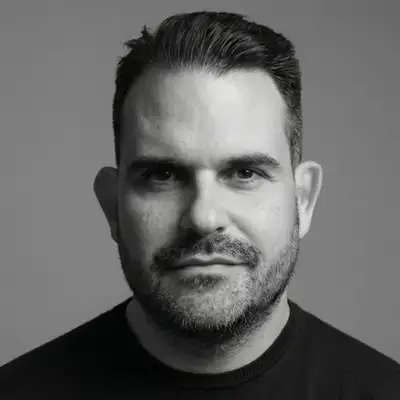
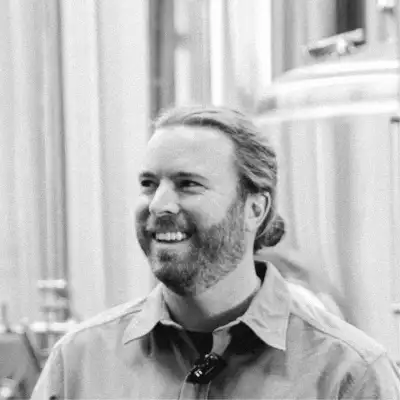
In Episode 053, I continued the conversation with Justin Medcraft from Episode 052, so feel free to listen to that as well. He is the Founder of Mate Maker Hard Kombucha. He brings a wealth of previous experience in Spirits and Beer. We discussed building demand for a start-up drinks brand, standing out amongst a sea of products, and focusing on building momentum. I hope you will enjoy our chat. One last thing: If you enjoy this podcast, you will also like the MAFFEO DRINKS Guides. You can subscribe free or paid on maffeodrinks.com Time Stamps 0:00 Intro 0:24 When To Open New Markets 10:31 Community Driven Marketing 15:45 Growing From Your Community 18:33 Getting The SKU In, Increasing Rotation 26:33 Advantages Of Small Brands 36:19 Discipline 39:15 Contacts 39:54 Outro About The Host: Chris Maffeo About The Guest: Justin MedcraftWelcome to the Maffeo Drinks Podcast. I m your host, Chris Maffeo. In episode 53, I continued the conversation with Justin Metcraught from episode 52, so feel free to listen to that as well. I hope you will enjoy our chat. One last thing, if you enjoy this podcast, you will also like the Maffeiro Drinks Guides.
Chris Maffeo:You can subscribe free or paid on mafeirodrinks.com. What I'm hearing is like there's a there's a thin line between riding the momentum and and, you know, being lured by opportunities that, you know, sometimes you have to say no, sometimes, you know, it is the right size. How do you spot that? Of course, it's a million dollar question. But what's the balance between, for example, going to the next city or hold the horses and and let me focus on this city first because I want to really win here and and I move to next city.
Chris Maffeo:Or, I mean, I'm mentioning the city, but it could be a chain, it could be a, you know, independent versus the first chain that wants it and and and so on.
Justin Medcraft:It it's funny that you asked that because, you know, when you asked me that question, I think about, you know, the total country of The U S and how big it is. And also, you know, the states that exist in the, in The U S are kind of countries in their own right. At what point do you open up those other markets? Like at what point do you go from a California brand to open up Florida, Texas, the Midwest? These are all, you know, states that have a GDP bigger than a country.
Justin Medcraft:It's a big deal to open those up. And it's like a big decision to make for sure. I can only really kind of speak to like, you know, our thought and mindset, you know, but I think it kind of comes down to is where do you want to win and what potential do you think like that you think your product has? Because, you know, for example, with a hard kombucha, there's been a lot of brands that have tried to push a national agenda. You know, there's been a lot of brands that have scaled to multiple states really, really quickly.
Justin Medcraft:Only, I suppose, be found that, you know, California today is like where 60 to 70% of the volume comes from in this category. So, you know, you've got to ask the question, why do you wanna create a national brand behind a product that is kind of showing that it's only really, you know, focused on California? So I think then it comes down to like a strategic question, which is, do you wanna be, you know, the national everything to everyone, you know, household name in every single retailer? Or do you wanna be the, like, the local hero, you know, that has a really deep level of distribution in a market that has proven that the product works. Hot kombucha has been around for a while, but I think in the last kind of four or five years, it's really started to, you know, drive some scale and momentum and interest.
Justin Medcraft:And I think now that we know more, which is where the volume's coming from, where the drinkers are coming from, you know, predominantly coming out of California, that decision that you would probably make today might've been a little bit different five years ago, you know, where you've got like a high growth opportunity and you're kind of thinking, wow, if we keep replicating this in other states, we're gonna have something huge on our hands. So I think it all depends on like, you know, the, the data and the information that you've got on hand. It also comes down to not trying to, you know, expand too quickly and being really focused on like where your resources are being deployed because, know, a startup beverage brand, you have to be so mindful in that, you know, you have to be really focused on where are you putting the money? Where do you have the consumers that are, you know, driving the majority of the category? Where's the volume coming from?
Justin Medcraft:And just like investing in that, you know, we have this saying it's like, it's got a 100, a $100. Like where do you spend that a 100 Yeah, absolutely. And at the end of the day, that's where it comes down to. And, know, if you've got a $100 and there's a big opportunity in another market, you know, then for sure, look at it. But, you know, we are, I think just really looking at what is the data telling us from where the consumption's coming and how do we do a really good job at executing against that rather than trying to be the first, you know, and it comes back to that, that conversation we had before.
Justin Medcraft:Right. Which is like, you know, being first is not always being best. It's a, it's a tricky one that can probably be answered so many, you know, so many different ways, Chris. But I think, you know, that's, in hindsight, you know, how we look at the opportunity and how we kind of focus our resources and stuff.
Chris Maffeo:No, because it's, it's a very interesting point because, because very often, like, and I'm, and I'm, I'm getting this as a feedback, you know, from, from listeners as well, you know, like that is like, okay, I want to know what are the mistakes that, you know, that, that, that people are doing. What are they learning from? When is it right to say no? When is it right to say yes? No, because sometimes there are some success stories that come from opportunities, but there also sound like some big failures as well.
Chris Maffeo:Because very often, like it also depends on the, on the money you have at your disposal because, you know, a big chain that comes with a big order, it comes with a big issue with the cash flow because it, you know, you need to produce the goods before you're selling the goods and then you need
Justin Medcraft:to
Chris Maffeo:get paid by that retailer. You know? So how many months do you have? Because you you produce on day one and you you pay on Yeah. On day one and then you may get money on day 250.
Chris Maffeo:You know?
Justin Medcraft:For sure.
Chris Maffeo:And, you know, if you've got the money, you can grasp that opportunity because sometimes it's easy to say, like, okay. No. I I always say no to opportunities. Yeah. Because you don't have the money.
Chris Maffeo:But if you had the money, would you say yes to that opportunity? Yes or no? You know? And then it would be a much more interesting kind of conversation, you because then it's much more strategic and not driven by, you know, would you like to buy Ferrari? If I've got a 1,000,000 in the bank, you know, I can have a better answer than if I have a 100,000 in the bank and I need to even pay the rent and then say, no, no, I'm against Ferrari.
Chris Maffeo:It's a different story.
Justin Medcraft:Well, I think it also comes down to just, know, what we're talking about before. It's do you have all of the, you know, demand driving pool generation, whatever you want to call it, the things that you need outside of the product being on shelf to make sure that it's going to perform. And, you know, when you do have that shot, having everything kind of working, that is in your favor. As marketers, as demand drivers, we can do everything that we can to, you know, make sure that that product is going to show up in the best way possible, have all the activity, you know, planned behind it, have all the things kind of going for it. Right.
Justin Medcraft:But at some point you kind of have to hand the reins over to the consumer. You could have the pricing perfect, the way it shows up on shelf perfect activity that's going to drive people into store, great social digital marketing, you know, highly targeted media, all the things that, you know, we can kind of play with and twist and, you know, pull, but at the end of the day, it's the consumer that's gonna probably tell you whether or not you're right or whether or not they're interested in it. And I think it's a, it's the million dollar question, right? It's like at what point do you switch it on? But yeah, I think like having everything outside of just the product on the shelf is probably gonna be the thing that determines whether or not it's gonna be successful.
Justin Medcraft:Not gonna be just getting it on shelf, you know, that can be the temptation for a lot of small brands, a lot of startup businesses, which is like, you can instantly switch on 2,000 doors or 2,000 points of distribution. If you haven't got all of the work put into making sure that you're already in the decision kind of making process before they're looking at the, the shelf, then I think that's where we as marketers, business owners, whatever you wanna call it, can influence it. And that's, you know, try to what we, that's what we try to do our jobs, you know, really well at.
Chris Maffeo:Yeah. Yeah. Absolutely. I mean, I'm listening to you. It makes me think of a big launch that I did many years ago when I was in beer and it was in a country where our partner was a big partner.
Chris Maffeo:So I've always worked in export and, know, it was always like smaller players that, you know, our, our importers were like normally sized businesses and we were accounting for the, you know, a relative size of the volume for them. But, but then in this case, was a country where we, we were launching with a huge distribute. I mean, with the market leader basically. And my brand that was Peroni at that time, and I was really like, you know, hold the horses, hold the horses. And these guys, like, they were they had no idea.
Chris Maffeo:The numbers that I was talking about for them, it was like peanuts. I remember this meeting with like, we must have been 15 people with super senior commercial directors and marketing directors and, you know, it was me and another guy from our side. And I remember, like, when we define what the launch would look like, it was, you know, like for them, it was the minimum condition of what they could do, which for me was becoming one of the biggest markets that that was I was ever going to to have sales. I was strongly against it, but nevertheless, we had to we had to go with it. And then like, remember this trade visit wherever I was going, it was pepperoni everywhere.
Chris Maffeo:It was just like in all the bars, all the places, all the market, you know, it was crazy, you know, like I've never seen these shelves like 18 facings, six facings, seven facings, 10 facings, you know. But then again, like ultimately the year came and we reached that budget, but it was reached just in distribution.
Justin Medcraft:Mhmm.
Chris Maffeo:It was just like, was such a wide distribution spread that basically the budget was done. You know, the sell in budget was done, But then obviously, like there was no sell out because the price was too expensive for those consumers. It was like, it was crazy. It was just like collecting dust on the shelves. No?
Chris Maffeo:And that is always what I'm advising people on is that be careful, like, when you have like big muscles, because if you're a small guy, you know, like you don't have big muscles, but you may partner with someone with big muscles. That is always a bit of a challenge where if you don't have the tool that you're talking about, you know, like activation, how do you support the demand? How do you convert that demand? How do you sustain that demand? You know?
Chris Maffeo:Then it becomes very dangerous for for your brand because all of a sudden it's everywhere and it's not rotating. And then all of a sudden
Justin Medcraft:you
Chris Maffeo:go to discount and then the hits the fan. Yeah. And then a question that I have also, because I'm very interested in terms of activation. It's something that I don't talk that much on, on here. You mentioned before, like parts of the communities about surfers and musicians and, you know, so there's a concert, there's events and this kind of stuff now.
Chris Maffeo:So how do you put that play into the equation of on and off trade? Is it a marketing activity kind of thing, or does it actually drive volume for, for your brand? Or how do you see that kind of like channel and event together?
Justin Medcraft:Yeah. It's interesting because sponsoring athletes or sponsoring musicians or, you know, being available in like some of these like big stadiums is kind of something that traditionally is reserved for like big brands with like big budgets that can afford to sponsor football teams or football stadiums or whatnot. I think the way that, we had part of our go to market strategy was, you know, being a culturally led brand that was backed by people that, you know, had a very engaged kind of audience behind them. How do you act like a big brand on a small brand budget? I think one of the kind of the hacks that we had, I think becoming even more popular these days is when we initially kind of went to raise money to launch our business, we kind of put it in front of our friends and family first, you know, we, and our friends and family happened to be, you know, pro surfers and, you know, Grammy winning musicians.
Justin Medcraft:It was lucky that I think we were able to build and create like this community of behind it that not only, you know, wanted to partner with us, but invest in us too. And then all of a sudden, you know, we've got like a, a really interesting group of owners and investors that aren't suits, you know, from boardrooms, they're musicians that are on stage, they're festival promoters, they're pro surfers making movies, they're Olympians. They're like, just like a very interesting group of people that bought into this message. And, you know, I think what was actually the really beneficial part of that is that we're able to build our brand through their worlds. You know?
Justin Medcraft:Like, we can kind of build around them as ambassadors, as owners, as figures of the brand and start to behave not as just a small startup beverage brand, but like as a kind of much bigger cultural brand that a lot of other big businesses normally have to buy their way into those places. We were kind of organically just like showing up. So this has probably been the biggest growth hack that we've had as a business. And the thing that, you know, retailers really buy into is the fact that we create programming around these ambassadors and these owners that we can drive into retail. My co founders are a band called Rufus De Sol.
Justin Medcraft:Right? Rufus De Sol are an Aussie band. You know, they've, we went to school together twenty years ago. We kind of grew up together, you know, sleeping on each other's floors. And when I moved over to New York to work at a big company, you know, they would come and stay with me on the couch.
Justin Medcraft:So there's like a story there of friendship and mateship. But what, what is, I think really cool now is that we're able to build a brand through their world. Right. So when they go on tour, when you walk into a Rufus DeSoul show, you'll see mate maker available on all the bars. You know, you'll see activations that allow us to, you know, kind of bring fans along for the ride.
Justin Medcraft:And then, you know, when you walk into a retail store, you got the opportunity to kind of win a really exclusive experience now. If we were to put a price tag on that, you know, and put that to any other business, you're talking 7 figures sort of stuff. I think like a lot of smaller beverage brands that are backed by celebrities or backed by, you know, other famous people can do like a really good job at like an instant burst. I think the trip, the challenge though, is going to be, how do you do that in an authentic way? There's so many celebrity backed brands today.
Justin Medcraft:And I think that everyone's starting to clue into this idea of like, you know, awareness and Instagram reach and having them, you know, kind of push your product. I think the ones that really work well, and there's a handful of them that do an amazing job are the ones that kind of go that layer deeper. They've got that story there, that they've got that, you know, authentic connection, you know, between the people that are operating the brand and the consumers kind of, you know, find that out. Like consumers are very smart now. They go down and they really, you know, research and focus on a brand.
Justin Medcraft:And I think it's like, what's that story at the start that kind of allows everything to fall into place. And, you know, with us, we're lucky we've got twenty years of friendship is our story, you know, and lots of other kind of stories along the road. But when a retailer kind of asks how are we driving demand or how are we showing up in store, we are able to kind of pull together this like three sixty strategy that, you know, has these people at part of it that I think is definitely something that's allowed us to punch well above our weight and has allowed us to show up in places that, you know, startup brands might not have the ability to do because just the price tag is too high. So, so that's definitely been like a growth hack, and something that I think has allowed us to, you know, kind of stand out amongst everyone else.
Chris Maffeo:Absolutely. I, it's very interesting what you're saying because it's a celebrity bottom up story, I would call it now, because it's not just like asking someone famous to, to bet your product. It starts very organically now from, from the friends and family that happens to be a nice bunch of friends and family, I would say, you know, But also, like, listening to you, it makes me also think about how you almost have to grasp opportunities commercially to make the most of these assets that that you have. Mhmm. Because then when when you've got, like, a concert of Rufus All and you want your product to be available because if that product has been seen on stage or in the back stage or whatever, you're only in 10 independent beach bars in San Diego, then all of a sudden, like nobody's gonna find it.
Chris Maffeo:And the same thing with surfers community and so on. So it's very interesting what you're saying, because it's what I was saying about the brand ring roads. It's almost like the friends and family ring roads as well. You can take the, the surfer routes and, you know, on the music routes and, you know, all different kinds of routes that some of them are more into sports. Some of them are more into music and you can get along and play along with certain opportunities that actually drive also some commercial results and vice versa.
Chris Maffeo:It goes back and forth from, from the commercial because then when you see a, you know, win something with X, Y, Z, then all of a sudden it becomes like, okay, this is not somebody that these guys have paid a random person for in an agency. Like, this is really like a real stuff. It's organic from the from the people that are actually owners of this brand.
Justin Medcraft:Yeah. You kind of immediately building into an audience that has a lot of trust as well, you know, like at a, like as a brand that starts out, there isn't a lot of trust there because you're so new. But if you're able to then kind of work with, you know, people that have a captive audience that trust them, then them having them back your product and your brand, I think really kind of resonates and starts to influence their trust on your brand as the thing. So there's a lot that goes into it. Obviously, you know, it has to be an authentic story.
Justin Medcraft:It's kind of has to have a meaningful origin story to it. But at the same time, I think, you know, being able to give consumers value is also like another thing that, you know, if you're partnering with, you know, people like, you know, a band or a surfer, it's like, what are you doing? That's going to generate value for the retailer and for the consumer by giving them stuff that's, you know, that they can't access. And that over, I think over time, like really helps, you know, build that trust too.
Chris Maffeo:Absolutely. Absolutely. And let's talk about, you know, like sustaining the demand now because we spoke about how you enter places and so on and you are more than SKU. No. Like, I mainly see cans, but obviously you are.
Chris Maffeo:You're also on on on keg. No? How does that play in your strategy? Like, what's the foot in the door kind of SKU that you play with when you enter venues? And then how do you expand in in driving more rotation for the velocity of the brand in a venue?
Justin Medcraft:Going back to the on premise and thinking about like channel strategy, first and foremost, then informs your, you know, kind of SKU strategy. So like, you know, what products have you got kind of to deliver on those channels? So for on premise, I suppose like draft kegs, tap handles, those are the things that in The U S are the most valuable SKU really, because it's a highly visible piece of the product. The, the pricing on, on draft is also like really competitive. But yeah, when it comes to like off premise, you know, there there's obviously like a whole nother SKU sort of strategy to it.
Justin Medcraft:We've definitely looked at like, how do we have a simple SKU strategy that when we go to retailers, it's easy for them to get on board, you know, so that we don't have like 50 different flavors. We don't have, you know, lots of different pricing that it gets confusing. We make it really simple for them. I think that, you know, simplification of that, and prioritization of that is like, you know, really helpful for a lot of these retailers. So that when you're going in there, you know exactly what you're asking for and you make it easier for them to make a decision.
Justin Medcraft:I think there's a lot of categories out there that, you know, constantly bringing in, you know, new products, new versions, new flavors, new, all of that. And then that's cool at the start because you bring in new news and things, but then you get to a point where, you know, you've got 20 different flavors on the shelf and a retailer is saying, we can have 10. You have to start to kind of make some decisions around rationalization and, and all that. So I think you like your channel strategy is incredibly important around what channels do you wanna win at? And then what are the skews that are working in those channels?
Justin Medcraft:You know, if you go to a seven eleven store, that's very, very differently, you know, then going to like a target, you know, or going into an on premise venue versus a, maybe like a live music venue, they can be different too. So, you know, we have a few flavors, really three flavors that we focus on. We focus on, you know, draft as our kind of priority in the on premise a because it's highly visible. B because it means that if you're on draft, that competition is generally lower. You know, you don't have a ton of other products that are hard kombuchas on draft within craft beer or domestic beer.
Justin Medcraft:That's probably going to be different, but I think for kombucha, it's a really effective strategy. And then yeah, in the off premise, you know, thinking about like, what are the right channels at the stage of your brand that you want to be in? And then you develop your skews off the back of that. But we haven't really gone into like the big box retailers yet, you know, the places like Costco and, you know, those huge retailers that are looking for individual packs, large format packages, all of that sort of stuff. So we've kind of tried to keep it really like simple and focused on, you know, where we think that people are buying these kind of like better for you products in the right occasion and then just, you know, make it simple for the retailers with the, you know, select amount of flavors at a good price and, you know, clearly prioritized.
Chris Maffeo:It's interesting what you because I had a different take in my old days. For me, I guess it depends on the market, know, because for example, in mainly in Europe or I mean specific countries in Europe, but you always have, let's say you like four kegs that you that you fight with. Mhmm. Also, there is space for like three taps, four taps.
Justin Medcraft:Mhmm.
Chris Maffeo:So it was definitely difficult to get on the top. So the, the way I would play, I would play with bottle because then the bottle would, would allow me to put the foot in the door because there was more, more space in the fridge rather than on the phones because phones like it was just like three or four and you know, two or three were already taken by a contract with a, with a supplier. So then I had like 125% chance to get in and then everybody was going for that 25% chance now. But what I've seen in California, I mean the the tap part, it it's playing like a much bigger role. So you've got like what, like 10 tap handles or like 15 tap handles or, you know, like depending on the venue, of course, you know, so I guess, do you, do you find that as a, as an option?
Chris Maffeo:Because what I'm interested in knowing from you is that it's true that hard kombucha, like there's not so many on, on draft, but then if I wasn't a bar owner, I would still say, yeah, but you're still taking space of a beer or hard seltzer. You just like one kombucha, but you know, I don't want to give it to you. I want to give it to another beer. So how does that play for you usually?
Justin Medcraft:Yeah. It's funny because I think it's also very different in The US versus other markets. You know, hearing you talk just now, I started thinking back to Australia. Right. And the fact that you go into a bar and yet 90% of those draft handles would be bought up and paid for in a, you know, big kind of contract.
Justin Medcraft:In America, there's a lot more independent local kind of brand influence that, you know, has in the retailer or in the, you know, a lot of these accounts, like a lot of bars want a local choice, you know, they want the local brewery. They want the local product that is just down the road that people are shopping for. Of course, you're going to have, you know, your big ones, your cause, your Bud Lights, all of those ones. But I think the weight that a lot of local producers and suppliers have over here is probably thanks to the craft movement. You know, the craft beer movement has kind of influenced consumers choices that they want the local.
Justin Medcraft:I also think that the ability for those larger national retailers to like buy up all of the draft handles here, isn't as influential. A lot of the, you know, suppliers drive value to retailers through events and through all these sort of things, you know, being able to kind of go in and buy up tap handles in an account is not a li- not legal over here. So it also, I think the market conditions also helps a lot of, you know, local suppliers that can be next to a Bud Light, you know, that can be next to a international brand. The other part is, is, you know, like, what do you bring into that account that is gonna be driving value for them? And the challenge that like a brand like Bud Light would have is being able to activate in all of these accounts at one time.
Justin Medcraft:A small local brand can identify like, you know, 50 accounts that they wanna win in and they'll, you know, over activate in those accounts rather than if, know, you've got a half a million points of distribution in the country can be pretty hard to, you know, do everything all at once. Now, a lot of the beverage brands are really focused on, you know, what are the halo accounts that you wanna do a really good job in and how can you not only show up there as like the local choice, you know, that taps into that inside of people wanting to support their local brewery or their local partner, but also do events, bring people to the account, do sorts of things that, you know, at the end of the day, a lot of these bars want traffic, you know, they want footfall. They want people to come into the bar, spend money. And I think like as simple as it is, it's a, it's a pretty important part of a strategy. If you're starting out, you know, like what are you doing?
Justin Medcraft:That's gonna drive people to their account. What are you gonna do that's gonna kind of get them staying there longer? That's gonna get them purchasing more, you know, group purchases, all that sort of stuff. And I think, you know, the more mature and the more sophisticated brands get, I think they kind of forget about that. You know, you're focused on just like, what's your next Super Bowl ad.
Justin Medcraft:Whereas like at the same time, you know, being able to do field marketing or grassroots marketing can be, you know, really influential, not only to accounts, but also to just like kind of building that, you know, community behind your product.
Chris Maffeo:Yeah. Yeah, I know. That's, that's a great point because it, it, it makes me think that, when, when we're talking about independent now, what you were saying about, you know, being a small player versus a big player is that very often in my experience, I've seen that, you know, in those smaller accounts where actually the occasion fit is much better for my brand, actually the big players may not be interested in that because the the volume pool would be much lower. They would rather go for a big chain or for a big bar or big restaurant with a lot of seats so that they know that they can have a huge throughput. No?
Chris Maffeo:But you can accommodate a much smaller throughput with your brand because you don't really care about, you know, driving kegs and kegs and kegs on an on a on a on a small account. You go to a smaller place. Imagine like a beach bar where surfers go because they belong to your community, going back to what you were saying at the beginning. And in in that sense, there's, you know, like it it's much less interesting for a big guy to go in because like, what's the what's the throughput here? You know, would it would it be like, I don't know, one or two kegs per week of that top handle?
Chris Maffeo:I don't really care. So, you know, I was on the other one down the road that is part of a big chain where there is a centralized buying process, activation process and so on. And then the second point that, that makes the, you made me think about is that also when it comes to activation that you were saying, you know, like about the 50 activations running at the same time in a wilder, you know, in a, in a more rock and punk way now, because because then they use the big players that they use on a, okay. I, I agreed with the central buyer. I'm gonna do the month of February.
Chris Maffeo:I'm gonna do this promotion with this POS material, with this table talkers, with this thing, blah, blah, blah, blah, blah. Right. And then it's very easy to implement because it's like, it's more like, it's like an army. Of course, you need to bring the tanks and and the jeep, ampis, but you know, you know how to do that. No?
Chris Maffeo:But in in your element is more like a kinda like guerilla warfare. No? And you are allowing much less compliance to that activation because you leave it a little bit more to the bar owner and it's like, okay, I want to do a nice party and okay, like we're gonna have a barbecue in one place and it's gonna be a live band in another place. And you don't really care if all the activation that really speak to each other because ultimately they focus on one occasion, which is the, for example, the golden hour for you, you know? Doesn't really matter if it's, there's a bonfire on the beach and live music or there's a DJ sets or people grilling.
Chris Maffeo:It doesn't really matter because for me, what I'm interested about is consumers having a good time during the golden hour. While a big brand would say like, no, no, no, no, no, no. That's not on brand. You know, barbecue is not in our brand platform and live music. It's only these indie bands.
Chris Maffeo:It's not about these other bands because these are not where our 25 to 35 year olds ABC plus one are focusing now. So it's very interesting, like how you can play something that people may think it's an, it's a disadvantage to your advantage. And that is what the craft movement has opened up for all smaller players.
Justin Medcraft:The only thing that I would maybe challenge to that is, you know, these are still massive accounts. The accounts that we're going into are still huge volume accounts that are like deeply influential. I think it's about like, how do you show up as a brand that really matters, you know, in some of these accounts. So being able to create a lot of value for them, be able to bring them experiences that, you know, a lot of brands can't deliver on. So when we do an event or a party, like we'll bring in some like, you know, world class talent that these venues might not normally be able to, you know, afford to put on the bill.
Justin Medcraft:I think it all comes down to value. Right? So you can either drive value through investment, right. And through big sponsorships and, you know, high ticket items like that, or you can drive value at a grassroots level. Right.
Justin Medcraft:And you can drive, you know, value through simple events, simple parties, simple things like that. How a Budweiser might drive value could, is going to be very different to how, you know, a mate maker drives value. And I think what the insight that is interesting now is, is like, as a result of a lot of beverage brands, startup beverage brands, kind of operating in this space, people had to be very creative around how they drive value into accounts, you know, because we can't afford the high ticket cash investments upfront. We have to really think about partnering at the venues, how we partner with accounts to, you know, ultimately meet their objectives and drive value. And I think that's where the creativity kind of comes into it, you know, and that's where a lot of brands that are able to really galvanize and kind of build a following and build an audience and build a community, all the things that were talked about today, Chris, if you can kind of deploy that into venues and you can kind of build that local following, that is really valuable.
Justin Medcraft:And I think that's something that, you know, startup beverage brands are really elevating the bar on, you know, in the drinks industry is, you know, there's always the kind of like local hero that is starting to like bubble up and punch much heavier than their weight. And so, yeah, that's the only caveat I would sort of say that Chris is that these are still high volume accounts. It's just about like being creative in terms of how you're showing up.
Chris Maffeo:Okay. I was trying to generalize more on how a smaller brand can, can actually play when they don't have the resources. But I mean, listening to you, it sounds like these are still quite big accounts. The only thing is that they are more independent and they are more independent in their thinking and in their creativity that they're looking for. And then if you can enable that through kind of like a money can buy approach, which you, you can buy, but they can't, you know, like all of a sudden it becomes like a nice barter in a positive way now, because it's just like, I bring you something that you need and you give me something that I need.
Chris Maffeo:And then also there is a win win kind of like situation for the outlet and the venue. And, and it makes me think like about many examples of that kind of partnership that I've seen around the world because you drive advocacy, you ultimate drive sales. And it's a win win because you actually approach the same type of consumers that want to have that kind of occasion within a certain setting of what, what they like.
Justin Medcraft:It's funny because it doesn't sound like anything new, right? Driving value for retailers is not like a new insight, but I think it's about how do you get creative within that kind of space, you know, and how do you kind of think outside the box a little bit in that space? And that's where the rubber really hits the road. Right. And you start to get some really cool ideas coming through thinking, you know, really big, but operating in a local bottoms up approach.
Justin Medcraft:Absolutely.
Chris Maffeo:It's funny because it's like, ultimately it's not rocket science, but you know, many people are not doing it anyway, you know, like because ultimate Right. You know, the theory I mean, we've been in big companies here. We've seen loads of decks and trainings and stuff. The theory makes all sense, know, you need to be with cool people, you know, doing cool things and driving value and everybody loves it and the brand will thrive. Yeah.
Chris Maffeo:But how do I actually do that? You know, the I I was discussing in in some other episode with, with my mate, Julian, and and we were saying it's like, it's it's easy bottom up thinking. It's easy to get it for people who get it. Yeah. It's very hard for people who don't get it because if you are structured in a top down way, it's very difficult to think bottom up and vice versa, you know?
Justin Medcraft:So it's, it's really hard to get it right. It's also kind of funny because if you think about like that big multinational business and then, you know, you've got your local brewery that everyone loves or the local, you know, vodka or tequila, whatever it is. I always look at like M and A activity as a really interesting guiding principle on what small businesses do really well and what big businesses want to be. There's always that local brewery that gets acquired because they've built that local audience. They've built that kind of connection with their local community and they've built that kind of trust.
Justin Medcraft:And, you know, a lot of the kind of larger businesses are like super clued into, like, how do you replicate that? Right? How do you create that? How do you kinda drive that? And, you know, there's a reason why M and A activity gets really active in that space is because it's like really hard to get it right.
Justin Medcraft:It's one of those things that if it was as easy as putting a super bowl ad on TV to build that connection with people, then everyone would be doing it. That's a multinational, but the end of the day, it's, there's, there's a magic there and there's a consistency of like showing up, you know, that local brands do really well in their home cities that, you know, big businesses are like really focused on how do they not only identify those, but how do you scale that out into a national product? Like that, that is a really, really hard thing to do for a lot of companies. And I think that, you know, being able to operate that way at a local level with your consumers and build that community behind it is, you know, it's kind of really hard to get right. And a lot of brands and a lot of businesses try to do it.
Justin Medcraft:There's only a few that really can kind of consistently show up and I think deliver on that. And that's where the interest and the fame comes into it.
Chris Maffeo:Absolutely. A 100%. I mean, I wouldn't, I wouldn't add anything like to that, you know, like the showing up and, and doing it consistently. The only thing that really matters in the end, you know, like it's all about like having good habits, you know, and consistently delivering on the habits. Ultimately building a brand is about discipline, you know, is the discipline of doing what you have to do no matter what.
Chris Maffeo:You know, like when I see these things on Instagram, you know, like with these, you know, trainers and stuff like that, you know, it's like, it's not about motivation because motivation, you need to be motivated to do it. You know, it's about discipline because discipline is like whether it's, it's, it's raining outside, it's snowing, you still jump in the car and you go and visit that account, you know? And if you if you had to rely on motivation, then it's like, it's too hot today. It's too cold. And, you know, yesterday I had a big party, you know, I don't wanna do it, you know, like it's not about motivation.
Chris Maffeo:It's about the discipline and the consistency of delivery and really showing up. And it's hard, but it's ultimately about, as they say, you know, choose your heart, you know, it's, it's hard to do it and it's hard to not do it. So you need, you need to, you need to pick your heart kind of thing.
Justin Medcraft:A 100%. And you know, everyone sees the success, right? Everyone sees the wins. Everyone sees the things that you do really well, but that's 5% of what goes on, you know, like it's hard. It's a battle it's nonstop and social media and, and all these things can kind of paint a picture on what it's like to build and start a business that is only a fraction of what it really is.
Justin Medcraft:The reality is that this stuff is hard, you know, that you kind of go through things personally, professionally that change you and that shape you and that are, you know, that are not fun. And I think if a lot of people knew like what a lot of founders and a lot of businesses go through to kind of get to that point, they'd probably be much fewer products on the shelf. So I can only appreciate, you know, I'm not saying that we are certainly there, but I look up to a lot of businesses that I think, and a lot of brands that have done an incredible job locally here in San Diego, that I can only appreciate what their teams must've gone through to really kind of consistently show up that way and to, you know, go through what they've done to be able to create that level of impact because it's a battle, you know, it's, it's, it's hard, it hurts and it's, you know, makes the little wins for sure. Great. But at the same time, you know, that's only a fraction of, of what you actually say.
Justin Medcraft:What you said really resonates because the consistency is everything. I think just like constantly, you know, showing up and being there and, you know, building and continually kind of building that momentum is what I think will matter.
Chris Maffeo:Fantastic. Fantastic. So that was a fantastic chat, like very, very much to learn from And tell us how people can find you and, how can they find mate maker?
Justin Medcraft:I think mate maker, the best way to reach us would be on Instagram. Matemakerco is our Instagram or, you know, on our website, www.matemakerco.com. That's the best way to reach out to us and find where we're available and that sort of thing. But yeah, Chris, I've had a, had a great chat with you too, mate. It's been lovely to meet you.
Justin Medcraft:Hopefully get to, you know, kind of get you out to California on a sunny day next time. Be waiting with a couple of cold drinks in hand for sure at one of those bars. And, yeah, it's been a, been a great chat. Hopefully it's been something that our listeners all find some value in as well.
Chris Maffeo:Absolutely. Absolutely. And I'll take that offer. I'll ping you when I'm over there next time.
Justin Medcraft:Absolutely, mate. Take care.
Chris Maffeo:That's all for today. Remember that this is a two part episode fifty two and fifty three. If you enjoyed it, please rate it, comment and share it with friends and come back next week for more insights about building brands from the bottom up. One last thing. If you enjoy this podcast, you will also like the Maffeiro Drinks Guides.
Chris Maffeo:You can subscribe free or paid on mafeirodrinks.com.
Creators and Guests