How to navigate Global Travel Retail as a Brand Building Channel | Part2/2 with André De Almeida (Glasgow, Scotland) | 043
Summary
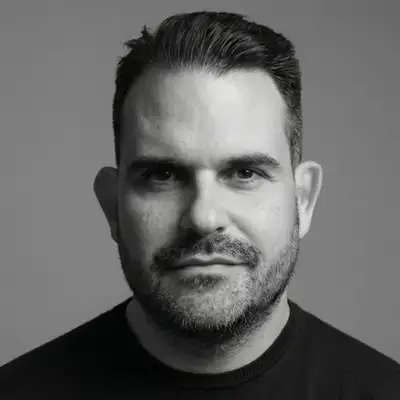
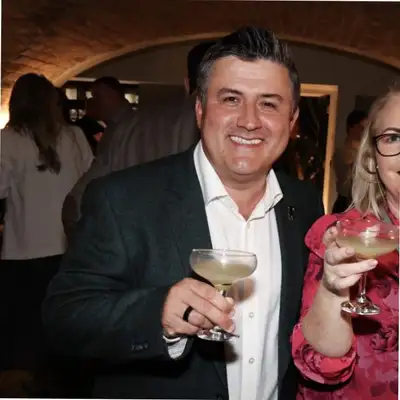
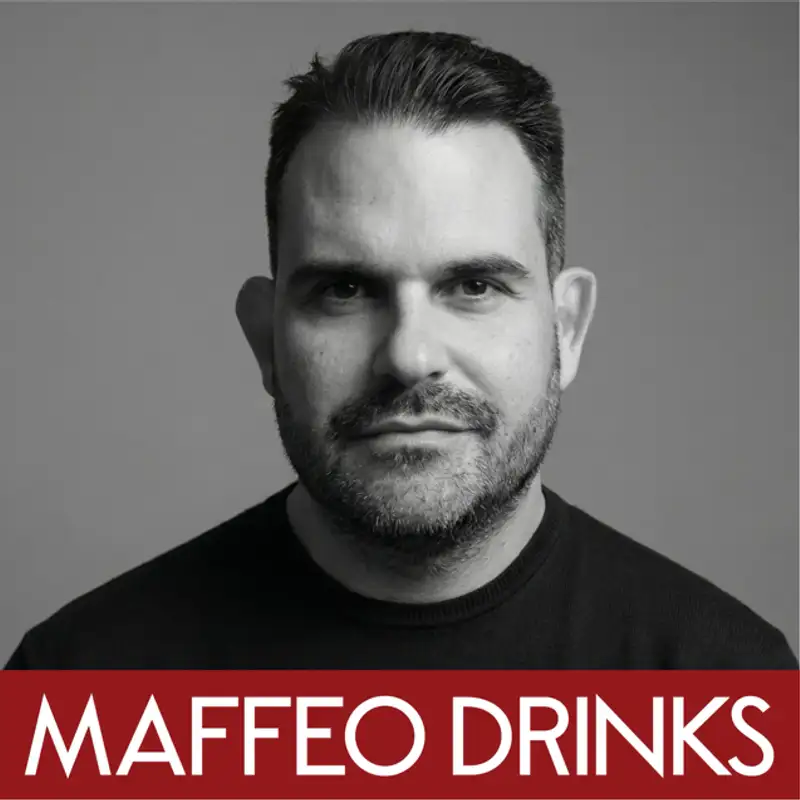
In Episode 043 I continued the conversation with André de Almeida from Episode 042. In this part we digged into GTR, Global Travel Retail as a Bottom-up Channel. André is a Drinks Industry Consultant and Founder of the "Inside the Cask" website. André has 20 years of experience having worked with Loch Lomond Group, William Grant & Sons, Edrington, and other drinks companies. He is also a Drinks Jury Member at Spirits Selection by Concours Mondial de Bruxelles. Time Stamps 0:00 Intro 0:14 Global Travel Retail Logistics 7:55 Segmenting Airports 10:31 Local Airport Advantage 13:42 Airport Stakeholders 18:35 Staffing Airports 22:11 Identifying Your Consumer 34:42 Local vs. Standardized Airport Selection 41:07 Wrapping Up About The Host: Chris Maffeo About The Guest: Andre De AlmeidaWelcome to the Maffeo Drinks Podcast. I m your host, Chris Maffeo. In episode 43, I continued the conversation with Andrea del Meida from episode 42, so feel free to listen to that as well. I hope you will enjoy our chat. That that brings me to another point, which is an another, like, part of your experience with in which you are, you know, you are a reference, at least for me, which is which is the global travel retail, not like the GTR or however, you know, it's called in the, in PowerPoint presentation, because that is another of those channels that can play a nice role as part of the bottom up trade.
Chris Maffeo:You know, it's a bit of an expensive one to play with within, but it's also like another element because there is also like some of these aspects that come into play. You know, it's a very nice from a brand building perspective. There's people helping you selecting, if you want them to help you. It's not really just a supermarket, floor kind of thing. No?
Chris Maffeo:So what is, let's say the first element, let's let's bring people into this this conversation. You know, it's it's a bit of a it's a big monster to deal with. No? Because I mean, we we spoke previously about, you know, the the small independent, you know, there is an owner that maybe have one shop or two or three shops relatively easy to deal with. And then the travel retail is more of a a big monster.
Chris Maffeo:Now, one of those things that I always say, you know, be careful what you wish for in terms of, you know, investment, rules of engagement, you know, logistics is a big chapter of your journey in building brands bottom up. So how tough is, is it really?
André De Almeida:It can be very tough, especially if you don't know what you're doing. There can be some I've seen some people who made some very expensive mistakes. So you do have to be careful about that. The first question I always ask anyone that I'm talking to about duty free global travel retail is why do you want to be in global travel retail? You know, make sure you understand what's the motivation behind that.
André De Almeida:And also what's your level of ambition in terms of travel retail, because people may see the brands that they see out there, whether that's from William Grant or whoever it may be, but they haven't seen all the work that's taken over many years to get them to the position that they're in now. And yes, it's a big category. It plays a huge role from both a sales and marketing perspective. In the case of these bigger companies. Obviously, as I said, they've spent a lot of time and money building that presence over many different locations internationally.
André De Almeida:So if you are new to the, to the landscape, that's the first question. Why do you want to do it? And what's your level of ambition? You know, is it local? Is it regional?
André De Almeida:Is it an international over time, presence that you're looking for? There's a lot of things that you need to understand, because airports and a lot of people talk about airports because that's the first thing that they come across because that's what they see when they're traveling out there. But the reality is travel retail duty free encompasses, you know, different types of shops. You know, you're talking about airlines, airports, Nordic ferries, which are all part of this tier one, if you like, but equally it includes diplomatic stores, border shops, ship channelers, etcetera, which is what we usually would classify as a tier two. And the reason I classify and separate the tier one and tier two is because your tier one, your airports, etcetera, it's where potentially from a brand perspective, you want to be part of, you want to be there, but commercially can be very challenging in terms of the cost, both from a margin perspective, as well as investment.
André De Almeida:Whilst the tier two brands typically don't tend to focus as much on those areas, although they're equally as important and commercially they're not as challenging as the tier one, but if you want to make your P and L work in travel retail, typically you need to look at both and you need to look at having a good mix of business across both the tier one, the tier two side. But what brings the complexity as well is that every type of shop, even if two airports are never the same, there's different rules and different locations. It can be very confusing for consumers, as well as for people trying to bring the brands into the channel. That's what makes it quite a monster, as you say, and what it makes it quite complicated at times for people that want to get into it.
Chris Maffeo:Listening to you, there is an element of, you know, brand building aspect, there's an element of, let's say trial driver and there's an element of volume driver. No. So like listening to you, the tier one is more of a brand building showcasing the brand, you know, like this, influential, like the world's 50 best kind of, focus from, you know, if we bring it back to the on trade, you know, parallel. Yeah. While the the tier two would be more of a, okay, volume drivers is the average bar where you can actually drive volume with your, you know, gin and tonics, after work, you know, instead of a mixology kind of experience.
Chris Maffeo:Right?
André De Almeida:Yeah. Although the analogy would also apply even to airports, to be honest, because your Heathrow airport versus your regional airport, it could be the same analogy applied between your top 50 bar and your local bar. I think the first thing is to understand the landscape and to understand what, where is it that you want to play within travel retail. And like I said, it can be very different and the challenges and costs and opportunity, very different across the different types of operations, across whether it's a tier one or a tier two side of the business. So, so there's definitely a lot to take into account.
André De Almeida:And, and you, you, indefinitely, you will need help of some sort or throw yourself in and make the mistake along the way.
Chris Maffeo:If you think of, know, like, I mean, big brands, it's a bit of a given. I mean, like they're all there, you know, with a bigger or smaller presence, depending on the airport and so on. But what is, you know, how can, how can small brands get in into this game?
André De Almeida:You definitely need to be choiceful. You need to be choosy and picky about where is it that you want to go in and be very clear in terms of what's the role that travel retail is playing for you within your overall, business strategy. You need to also make sure you manage your expectations in terms of growing stages. Don't take more on than you can cope with, because again, although there's plenty of opportunities there, the cost can be quite challenging. So I would certainly say take a test and learn approach, because equally what works locally may not work nationally, may not work internationally.
André De Almeida:What works in airports may not work in a ferry, not work in a border shop. So that's why the whole test and learn approach, it's something that you need to take into account. The other thing is obviously making sure you understand how travel retail works. The number one motivation for consumers to purchase in travel retail is gifting, whether you're gifting to yourself or gifting to others. So that in itself may present opportunities, which you may not have within your existing offer at the moment.
André De Almeida:So you may need to think about, okay, what can I develop that would work within travel retail? All of those you need to take into account, but effectively you need to look at the, at the sales fundamentals. You need to understand the landscape. You need to look at, you know, price promotion, range, merchandising. What does it look like, you know, benchmarking yourself against, other players within travel retail so that you can understand where the opportunity lies.
Chris Maffeo:Going back to your previous example, when we were talking about the 50 best bars, I think that a common mistake that I see brands do is that, you know, like, like in on trade, you know, they want to be in the 50 best rather than the pub down the street. You know, the they they do the same mistake in in airports. No they're local and they want to be in Charles de Gaulle, Paris, you know, Schiphol Amsterdam, London Heathrow. It's just like, you want to play football and you want to play Chelsea or Manchester United the first game, you know? So what would your advice be focusing on maybe like smaller airports or, you know, like, or, or is there a specific channel within the channel?
Chris Maffeo:Like ferries are a lower entry barrier than an airport or like, what, what would you advise on? Of course, depending on region, region by region.
André De Almeida:Yeah, no, again, there's no simple answer because again, it does vary quite a lot, location by location. You're talking about airports, all airports are not the same. So you need to understand what's different between the different airports in terms of demographics. For those passengers, destinations, carriers, because you know, there's a difference between a full service carrier versus low cost carriers and how consumers behave within those environments. What's the reason for travel?
André De Almeida:Is there a business traveler that does frequently? Or is it, someone going on holiday once a year? What's the time for that travel? So there's so many different elements that you need to take into account. Again, that in itself can provide a definite opportunity once you get under the skin a little bit of those airports in that case.
André De Almeida:But what I like about some of the smaller airports is that, a lot of times there's less competition, there's less focus there. It allows you back to what I said about the test and learn approach allows you sometimes to test different mechanics to maybe go for consumers that at a lower cost than it would if you're trying to go into Heathrow or if you're trying to go into one of the bigger Amsterdam or whatever it may be, one of the bigger airport. And I think that's where it can help you in your journey within travel retail. I would always say that you should start local because if you're a brand and you have no presence locally, then I think it will be difficult to justify you being listed somewhere far flung from, from where you're based, where you're from. My first advice would be to look locally, whether that's an airport, airline, or train, or ferry, or whatever it may be, but definitely start local.
Chris Maffeo:This is a great point because I actually wanted to ask you that question because I'm a, I'm a big fan of, you know, winning the home turf first because you need to be relevant. There is this friction, because in a, in a way there is like, no, no one is a prophet in his own land. And then on the other end, if you cannot convince your locals to drink your brands, you know, how tough is that gonna be, you know, later on? So then you are at risk of becoming a bit of a gimmick and like a tourist kind of like bottle of limoncello, you know, flying back from, from Naples Airport on a visit on the Amalfi Coast kind of thing. I hear what you say that, you know, it's important to focus on the local, whatever that is an airport, an airline, a train or anything that can play a huge role in building that brand and building that relevance when you want to go and negotiate with someone bigger that will ask you, are you in that airport near your hometown?
André De Almeida:Yeah, no, exactly. And like you said, if you can't show that you can't make yourself relevant locally, how can you show that you're going to be relevant elsewhere? You know, very difficult. Plus people are always looking for examples, you know, proof of concept effectively. Okay, great that you've done a great job domestically or locally within domestic business, but what does that mean in travel retail?
André De Almeida:You know, and again, if you're not in your local, whatever it may be, airport, ferry, whatever it may be that you're targeting, it's going to be very difficult to have that argument with the operator in elsewhere. So that's the challenge. I think locally also means making sure that people understand what you're about, what you stand for, what's your value proposition, right? Because ultimately you're not going to personally be selling that on the shop floor. So there's a lot of influence in the education required both internally.
André De Almeida:And that's what I think sometimes people forget. Okay. It's fair enough if you're a small business or, and it's you and a handful of people, but even if you're a medium sized business, I think sometimes people forget that the education is just as important externally, both to the operator, the third parties that you may be working with to, to have your product there on the shelf in a, in a travel retail environment, but equally internally, you know, from my experience, whenever I've worked with travel retail before, especially in businesses where travel retail was new as a concept to them, because they hadn't really operated in that environment before. I've always spent a lot of time internally educating, whether that was customer services, supply chain, logistics, the internal stakeholder, because you're asking potentially the business to give you tools to show a certain amount of flexibility that frankly they've never been asked for before. So helping them understand why is it that they should be doing this, has great value.
André De Almeida:And what you find is that most salespeople tend to be very focused externally and they forget about the internal customer.
Chris Maffeo:And that's, that's a fantastic point there. Just to clarify for people that are not familiar with the travel retail and let's call, let's talk about the airport just for the sake of simplicity. Otherwise it's a bit of a game topic. Who are the players that you talk to, you know, in the airport? Because I mean, is a shop, there is an airport who are the stakeholders to talk to when trying to enter, know, try to end up on a shelf in a, in a duty free shop in an airport?
André De Almeida:The environment is obviously very different to a domestic environment where if you domestically, if you go to a shop and you can't get in there, there may be another shop in another block or down the street that you may be able to influence. An airport, it's a tender based business, right? There's not going to really be competition or it's going to be very limited. You have to then therefore understand who the operators are within that industry. A lot of them are global and there's a lot of consolidation happening over time, whether that's people like Dupree stroke ward duty free although they've just changed their name or Heinemann or whoever it may be.
André De Almeida:You need to understand who those operators are. And there are some great publications out there online available for free, Mooji David report, travel retail business, etcetera. If you just Google it, you'll be able to find a lot of that. But what you have to remember is that it's not just the head office. You also have to influence the local team, the regional team, the staff on the shop floor, and use them as a source for insights as well, before you even consider approaching the head office.
André De Almeida:But equally you've got staffing agencies because of the security aspect of airports. You may not necessarily be able to go and sell it yourself, or you may not be able to be on the shop floor there. Therefore you, you have to use staffing agencies. And again, they are great as a source of insight because obviously they work with different brands. They know what works, what doesn't.
André De Almeida:So again, that's another relationship that's worth interacting with before you bring the products to market. Airports, you know, if you're talking about airports, then don't forget the landlord, you know, the landlord in terms of the airport, marketing and commercial teams, because they are going to have their own metrics, their own priorities, especially if you're playing the local card, that's always going to be something that's going be important to them. So understanding how you could possibly work with them, what opportunities there could be by getting to know that team better to influence the operator, the retailer equally. What's the logistics, because especially since the pandemic, in a similar way to what I've seen in part of the on trade, a lot of the operators don't necessarily want new suppliers. Plus you may not be willing to provide the service level that they are willing to give.
André De Almeida:Right. Because some of these operators, they may want two drops a week with a minimum of one case. Now it may be too expensive for you to be able to do something like that. So sometimes it's better to use a route to market solution, a logistics supplier that already works with that operator, with that duty free retailer. And again, getting to know them may also provide other opportunities.
André De Almeida:So these are just some of the people that are involved in the infrastructure around, supplying an airport or getting listed in an airport, in travel retail.
Chris Maffeo:Listening to you like that makes me also think that there is an element that all these players, if you work well with them, they can also enable different conversations now because maybe, you know, the handler of a smaller airport is also the handler in a bigger airport. And then maybe it could help you put the foot in the door or vice versa. If you are talking to the operator of a smaller airport, maybe the contact of the smaller airport is going to be easier to reach and more approachable in general because in a, he or she has to deny much less phone calls than the guys in Eastborough.
André De Almeida:My experience of, for example, Loch Lomond's group, when I worked there, I helped set up the duty free business from scratch. And, that, that was a big part of it. It was getting to know the local teams, Glasgow and Edinburgh airports, which are obviously the two main ones, not forgetting other airports in the area, but that we started at Glasgow before we moved to Edinburgh and other airports, but it was getting to know the staff and agencies, getting to know the airport teams, the local operator teams, you know, the regional managers, the people on their shop floor, etcetera. Because again, you're trying to understand how does your brand, your value proposition fit within what they have. And ultimately an operator, a retailer, like in any other channel, are looking to grow their business.
André De Almeida:It's not about substitution. It's not about selling more of you, less of someone else for them. Right? Their metrics are going be, how do I grow the pie overall? And if you can fit into that, then you've got a good chance of getting your product in and getting it supported.
Chris Maffeo:You were mentioning also like the importance of, you know, like because of security reason and many other reasons, like there's no, no chance for you to be in that store sporadically, can get in and get a permit to, to be the salesperson there at the store, But there are these staffing agencies that you were mentioning also. It's not the usual road, you know, like it's not like you are hiring a brand ambassador that can go from bar to bar. You need to rely external people that have made the selection for you. What's the element of you selecting those people and and selecting the right fit for your brand? Because I'm assuming that there is a more of a one size fits all kind of approach usually.
Chris Maffeo:So you may want to add something more tailored to you and your brand.
André De Almeida:Yeah. I mean, there's different staffing agencies in different locations around the world. What I would always say is, especially for the markets closer to home for your local markets is get to know the people because ultimately I've always been of an approach of pick the people first rather than the agency. That has always been my approach. And the reason I knew the people is because I frequented the airport enough that I got to know the staff.
André De Almeida:Just like you do when you go into a bar and you talk to the staff and you want to get a sense of the place, that's what I would do when I was traveling through an airport, whether I had a reason for or not, I would be speaking to the staff because whenever you have those interactions, you're picking up some sort of insight, you're picking some sort of information. So the creation, especially if you're a smaller producer, the creation of this virtual travel retail team with a marketing agency, an installation agency that understands the channels, staff and agency that operates in the channels and trying to make sure that they understand your brand, be feel passionate about it. It's extremely important. I mean, what I've always tried to do is bring them to the home, the, where the distilleries were at least once a year. And also for them to meet others, even if they came from different agencies, because again, to build this, this team, they had to feel like a team.
André De Almeida:You had to bring them to the home of the brand. So that's something I did in different companies. And I was always a big, supporter of doing that kind of activity, even if it meant there's a risk of you losing that person because they don't work for you. They're a third party agency, whatever. But I thought that was important.
André De Almeida:And even if they left, they would be another brand advocate for your brand. So you may see the benefit elsewhere anyway. So that for me has always been really, really important. Take the people first, agency second, if you can. If you can't then try to obviously get to know the agency so that you know what they stand for, how they measure, how they communicate back with you so they can manage that as best as possible.
André De Almeida:Because ultimately we're all trying to influence the shopper journey. The shopper journey, as you said, is very different to domestic because, you know, consumers are looking at their travel before they get there. Then you've got the arrival at the, at the location, the check-in, the security, and then finally you're going for departure. And it's only at that stage that you are likely to be even considering going to a store. The biggest issue for travel retail is actually penetration.
André De Almeida:You've got this high footfall potentially of travelers, but the number of people that actually go into a store and make a purchase is actually very small. So, so trying to get that attention and then trying to convert that into a sale, it's a real challenge.
Chris Maffeo:One of the important aspects in what I'm listening from you is that it's also like being able to spot the right consumer and the right person in converting that demand, because despite I'm not a big fan of target consumer as such, you know, more of a target occasion in airport, you know, even sometimes like the way people are, are dressed could play a role, but also depending on are they in a rush or not when is their flight? What type of brand you've got? Because if it's a more of a geeky kind of brands, you know, you may not want to have the businessman in a rush, try to convince that person or vice versa, you know, like the, there may be different kind of people that may shop just looking at packaging and picking something or, you know, like there must be a lot of training going on there because what I, what I'm thinking is that it looks like almost like a, an independent store, but the person working there, you know, your promoter or the, the, the, the, the salesperson is actually not the, the owner of that store. So there, there is not that element of curation and they haven't selected that shelf, you know?
André De Almeida:Yeah. I mean, like you said, time is the main factor influencing or time is really influencing consumers in an airport or a travel retail environment, right? Because you're trying to minimize that stress after they've passed through security and everything else so that they can even consider the possibility of, of looking at, at the store and looking at your product and potentially even sampling it to maybe move to purchase. So time and stress definitely play a factor. The type of traveler, as you said, whether that's someone that it's, it's a precon traveler, maybe a business traveler and, or someone that's doing it as a one a year kind of holiday trip that is also relevant.
André De Almeida:The person on the shelf floor, for sure, a lot of those promoters are going to be focused on certain brands, even if they look like the work for the store themselves. They, they are more than likely promoting specific brands, but they know themselves. And I've, and again, I've spoken to many of them that they also are very conscious that they have to offer good advice to the consumer because the reality is they may see that consumer again, traveling through the shop again, and they've recommended a product that doesn't fit with what the consumer is looking for. Then they may not come and ask for that advice again. And okay.
André De Almeida:It may not be as frequently as me visiting my local store, independent whiskey store or whatever it may be, but there's still going to be a relationship that you're building there. And again, that consumer may be driven by flavor brands. There may be different motivations for that consumer in terms of what whiskey, for example, they're looking for. But the advice of that person on the shop floor who effectively is your brand as far as they are concerned, right? Because they are the ones that are talking about your brand.
André De Almeida:They're educating the consumer about your brand. They may be sampling the product with you, with the consumer. That's extremely important. So that's why I've said from the start, education is critical and making sure that they feel passionate and understand what your brand is about is, is key as well. Otherwise you're, you're going to struggle because if they can't convey that, then you have no chance of converting that consumer into a sale.
André De Almeida:And again, and you have to remember that motivation can be very different for the consumer. Like I said, gifting is one of the main reasons why people purchase in travel retail. And I still remember an example of a consumer I spoke to in, I think it was Geneva. I can't remember where I spoke to her, introduced myself and asked her why, you know, did she drink whiskey? I wish I was to shop in there at that category.
André De Almeida:And she actually explained, no, it's not for me. It's for my husband. Does he like the brand? Which I think it was Valmore that she was looking at and he, she didn't know. And then I asked her why is she buying that in that case?
André De Almeida:And it was because she liked the packaging. And obviously she basically said, and he better like it too, because obviously she's buying it as
Chris Maffeo:a gift for him. So the, you have to remember also that the buyer is not necessarily the shopper is not necessarily the drinker. So there's many different reasons why people are in the shop floor and potentially looking to purchase a product and travel retail. Is often misunderstood about the shopper to your example, that sometimes like they think, okay, it's the, in this case, the wife buying from the husband, but you assume that she knows what the husband wants, but she may not even know what the husband wants. And there may be different reason.
Chris Maffeo:Like, does she want to whatever impress him or does she want to buy something cheap, you know, like in, and trying to recruit him into something cheaper because you maybe buy, but very expensive things. So maybe she looks for something more like bang for, for bucks kind of thing. Or she may want just like a present for someone and it's like, this is a, this is a whiskey gonna serve. What should I go for? And this is my price point because I may not want to spend a £100.
Chris Maffeo:I may want to spend £60 on that gift. No.
André De Almeida:So Exactly. I think when we work in an industry, we sometimes forget that we work within a bubble. And, the reason why I go with friends who don't work in the industry to whiskey festivals is because I want to see, I want to experience it through their eyes, you know, because they are not someone that drink whiskey all the time. So I want to experience through their eyes. Equally, the analogy here for travel retail that I try to think of is what would it be like if I went into the beauty section?
André De Almeida:I know nothing or very little about it. And I was trying to buy a gift for my wife. You know, I would be frankly lost, which is where the importance of signposting, given that those consumers, reassurance about what they're buying as a quality product. And there's many different ways to obviously be able to provide that. Clearly the staff on the shop floor is going to be key just as a bartender can have a lot of influence and in influencing consumers to buy and try specific products equally that person on the shop floor will be able to do the same.
André De Almeida:If anyone listening to this is keen to understand more on the kind of retailer side, metrics, understanding the retailer side, I would recommend a group called The The Insider's Guide by Kevin Brockelbank, from, one red kite is really, really excellent book. Someone I've worked with before Kevin. And if you want like a stack for 10, if
Chris Maffeo:you like on travel retail, which will cost a lot less than if you're taking me on for a day, for a day, the book will be a very affordable way to do that. You are bringing me back to a part of my career that I forgot about that when I was studying in Rome, I was doing on Saturdays, I was a promoter for Nokia. And we're talking like twenty years ago. I mean, it was, we're talking like the '30, the 3,003 and 10 Nokia phone that I was pushing. And I remember, especially in one store on a Saturday, it was like Christmas time.
Chris Maffeo:And I must have sold something between forty and fifty phones on an afternoon, on a Saturday afternoon. And I remember like all this conversation and back to the target consumer point now that I sold it to young kids with their mom or dad, old ladies, people buying for the grandson, people buy from the grandma, you know, like totally different kind of consumers. And I remember this particular afternoon that, you know, the the shop owner was looking at me like a like a movie star, you know, like like, please come and work for me kinda thing. And I I remember having this really ugly Nokia T shirt with long sleeves. Like, it was a blue with green sleeves with a Nokia logo on the arm.
Chris Maffeo:Really ugly. And but I was there and very often I I used to either recruit people or put people off, you know, depending on what they wanted. Because I was I was asking them the question and say like, do you want something that is simple to use or is that, you know, sometimes I was convincing the the person and then I was asking the question. I was like, but what did they ask you to buy? You know, did they ask you to choose something or do they want exactly that Motorola back then or Ericsson back then based on the answer, I was driving them and I said, look like this would be much better for you in my opinion.
Chris Maffeo:But if your son or your brother or your aunt or uncle asked you specifically that Ericsson phone, you know, make a phone call. I'll wait here, you know, and ask them if it's fine for you to swap that purchase because you know, what do they want? To, to your point there, like the, the biggest that, added value for me was that I wasn't no. Back then after no, just started to go down because they failed on my promise that used to be actually one one of the reason why I moved to Finland at some point was probably even for, you know, going to work for Nordia because that was my dream. I didn't have any training.
Chris Maffeo:I remember that that agency that I worked with never gave me any training, but I was a star because I was a user. So I knew exactly what to do. I knew what to click. They didn't know how to remove the SIM card, to put the SIM card in, how to change the battery. I was doing it in in five seconds, like, I was doing it for the old lady.
Chris Maffeo:And anyway, imagine like a Saturday afternoon during Christmas time, the story's packed and so on. To, to your previous point about experience, about trainings, picking someone that knows what they're talking about and they can divert people because for three people that I didn't sell it to, because they wanted to sell it, but I didn't sell it. Then either they came back and sold it, you know, and then bought it. Or I recruited five more people that didn't want to buy it. And then I pushed them to buy it because it was the right thing for them.
Chris Maffeo:Yeah. Always go back to the consumer. You want people to go back to your brand and you don't want to fool them.
André De Almeida:Because that's shortsighted, because that is, it may drive you a quick sale, but then equally sometimes what I find is that people that take that approach, if you follow the consumer that they've spoken with, a lot of times you see the consumer actually dropping the bottle before they even get to the cash point to the place to pay because they weren't fully bought into that or they buy it. But then there's a degree of frustration because maybe what they were promised was didn't deliver. Right. So if they were to travel through that store again, they're not going to trust that individual that to deliver a piece of advice that they can follow people that are really good at their job on the shop floor in airports and The UK and beyond. That's because they understand the motivation, what the consumer is looking for.
André De Almeida:Even if that consumer is not buying for themselves, maybe they are just the shopper, as I said, but equally they can deliver against that or as close to as possible so that their experience is a positive one overall. And I mean, personally, again, it reminds me of a, of a time with a previous company where I had asked the agency, so in this case it was in Russia, was St. Petersburg, and I obviously wasn't close to the market, I couldn't pick the person myself. So I brought the agency, pick the staff member and they went for what they thought I might have wanted. And I remember when I traveled to that airport in St.
André De Almeida:Petersburg and I knew who the person was, but she didn't know who I was. And they picked this beautiful looking Russian girl And yeah, great from a look's perspective, but ultimately that's not what I was looking for. You know, I was looking for someone and I could see another staff member from this agency was engaging, who knew about the category, who was really driving sales, and with, with the consumers. And I saw this in a very short space of time of visiting that store. Needless to say, after I finished that visit, I went back and asked for that person because he was the kind of person that I wanted someone that could engage, could educate, that could ultimately help to get to a sale, but making sure that it's fitted with the motivation, what that consumer was looking for.
Chris Maffeo:This is a great point. And as well, one last question, because we touched upon it, but we didn't really, close it. All, all the shelves look the same. We discussed it about small brands versus big brands. In these stores, all the shop, all the, you know, all the shelves look the same.
Chris Maffeo:Now they always have the same kind of big brands wherever you go, you know, there is this kind of like globalization of that. So when talking about the small brands entering, you know, stores and so on, how do you see, like, is it changing with operators and shops and, you know, like in, in actually having a more local choice and delivering that versus the usual big names that you may think of in, in whiskey?
André De Almeida:Yeah, I think in travel retail, there's definitely a huge importance place on sense of place, right? Because as a consumer, when you travel, a lot of times, if you go to Rome, you're maybe looking to bring something back from that experience with you to The UK or to wherever you're going back home to. And that applies here as well. So at a local level, if you've a local product, there's definitely a lot of leverage there that you can utilize, as I said earlier, not just with the operator, but also within the operator teams, the regional managers, the local team, the airport teams, etcetera, to try to get the opportunity to get that listing. So you will have a mix of your top sellers and some of the local brands, depending on the operator that you're trying to work with.
André De Almeida:The fear and the issue I've always risen in travel retail is that typically they tend to be a little bit more conservative when it comes to new trends. And my word is always to have the shopping mall syndrome where every shop looks the same, as you said. And, and the challenge is if you're trying to increase penetration, increase the number of people that go into the store and convert to a sale, then clearly that's not going to motivate travelers to necessarily go into the store. So for me, it's always been about how can you create a mix of products, which includes your top sellers, international brands, includes your local brands, your local offering, sense of place, but then also includes innovation, new, new products, products that potentially touch on trends that may come from domestic, whether that's the on trade or whatever it may be. So, you know, trying to have a better mix of products available within the store.
André De Almeida:And that's why you, as a creator of whiskeys or whatever it may be, you need to think about what's the role that you play or you may play within that category. Because ultimately you need to think about what's going to be your, your sell ins to that operator. What's going to be the story? Why should they take you and potentially take someone else out of that shelf? Because again, it's not like an online business that they can just add another SKU online, right?
André De Almeida:There's no elastic shelves. So how are they going to be able to take another product, especially when the cost for that location is quite high, given the fact that they have to obviously share a big part of that revenue back with the landlord, with the airport in that case. So that's all something that you need to, you need to, to, think about what's the role that your product's going to play within that, that range. But certainly to any operator out there, I'm always trying to push the ideal don't go for the shopping mall approach because personally there's nothing more disheartening as a consumer when you travel and everything looks the same that you would get everywhere else. Other thing that you also need to take into account is once you have that opportunity, because just like in a, in a shop or a bar or whatever it may be, you can't just think about getting the listing.
André De Almeida:You need to think about what you've got to do to make that rotate, to make that sell, because otherwise it's going to be a very short lived experience. And that goes back to what I was saying earlier about understanding the, the landscape, looking at the sales fundamentals, looking at formats, looking at, you know, if you're going to do a promotion, for example, or some, some sort of promotional mechanic, how can you attract the interest of the consumer, maintain that attention, try to create some sort of emotional reaction desire before you get them to take an action to convert that to a sale. And again, most new brands in travel retail, they may not necessarily get the opportunity straight away to have a promotion in store because of the cost and everything else relating to it. But there's other things that you can do. For example, one of the things I've always been a big advocate before has been, how can you touch on the kind of gifting element because that's such an important driver for the consumer.
André De Almeida:So the small packs, you know, the kind of three by five scale packs, for example, I've always been a big advocate for them because in my mind, the way I look at them is they are paid for trial. They are paid for liquid to lips. Even if I make less margin on those products, I'm quite happy to do that because effectively our consumer is paying to trial a range of my products, which hopefully they will then buy either in domestic or in a travel retail shop. On the promotion side, one of the, one of the best examples I see of promotional activation, based on what I said about attraction, notation, creating desire, etcetera, was Hendrix. And again, simplicity sometimes is key.
André De Almeida:Right? And Hendrix was always very clear in terms of what they were and what they were not. And I remember an activation we did in Hamburg Airport, I think it was in Germany, where we had someone dressed up in a lab coat and you had this clear helmet almost. The idea was that a consumer would put their head inside this clear Perspex helmet sort of thing. And then they would be able to experience gin and tonic or Hendrickson tonic in a vapor format.
André De Almeida:So an unusual way of experiencing a Hendrickson tonic. Now, to an extent you could argue it may be a little bit of a gimmick, but it certainly was unusual. It certainly drew interest. And as you put the consumer through that experience, obviously people saw that. So that attracted the attention, which brought more people onto you.
André De Almeida:And as you engage with them, it gave you the opportunity to a tell them a little bit more about the brand and what it stood for, but then equally get them to sample the product. And as I've always said, liquid to lips is paramount, and that inevitably helped us to drive sales.
Chris Maffeo:Absolutely. Absolutely. So that's fantastic. So that's a nice way to wrap it up. It was a, it was a fantastic conversation.
Chris Maffeo:We touched on many different, things. And so tell us how, how can people find you and how can they reach out to you on all the different elements of your knowledge and support?
André De Almeida:Yeah. I the easiest way for people to find me is through my website inside the cask.com. It's something that I started a few years back as a way to share information that I was interested in back with others. I also post jobs there in the drinks industry. I try to post about a 100 jobs a month.
André De Almeida:Typically tends to be higher than that. And again, that's just as a way to help others either change jobs or come into the industry that we love so much. So it's really a service, if you like that I try to give back. But through the website, can also, contact me if you're looking to work with me on a project or on a consultancy basis, whether that's to do with travel retail or domestic. I've been working as a consultant now for a few years and I just love the diversity of projects that I've been able to get involved with.
André De Almeida:And a lot of that is obviously drawing on the experience that I've had over the years, both in The UK, internationally, and across off trade, on trade, prestige, and travel retail.
Chris Maffeo:Fantastic. So thanks. Thanks a lot, Andre and speak soon. It was a pleasure to have you.
André De Almeida:No, no. Thank you very much for having me, Chris. Really appreciated it. Ciao.
Chris Maffeo:Ciao. That's all for today. Remember that this is a two part episode forty two and forty three. If you enjoyed it, please rate it, comment and share it with friends and come back next week for more insights about building brands from the bottom up.
Creators and Guests