
Building Flavor From Grain to Cask, How Each step Plays a Role in Recruiting Consumers | Part 1/2 with André de Almeida of Inside the Cask (Glasgow, Scotland) | 042
Summary
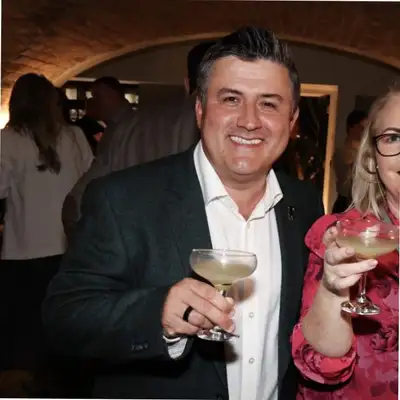
In Episode 042 I had the pleasure of chatting with André de Almeida. He is a Drinks Industry Consultant and Founder of the "Inside the Cask" website. André has 20 years of experience having worked with Loch Lomond Group, William Grant & Sons, Edrington, and other drinks companies. He is also a Drinks Jury Member at Spirits Selection by Concours Mondial de Bruxelles. Time Stamps 0:00 Introduction 1:39 Starting From Brand or Liquid? 3:51 Bringing In New Whisk(e)y Drinkers 9:18 Whisk(e)y Education 12:53 Category Bridging For Whisk(e)y 18:53 Category Jumping With Wood 25:41 Clear Target Occasion Vs Pigeonholing 27:38 Recruitment Via Cocktails 35:22 The Role Of Bottom-Up Trade 40:49 Outro About the Host: Chris Maffeo About the Guest: Andre De AlmeidaWelcome to the Maffeo Drinks Podcast. I m your host, Chris Maffeo. In episode 42 I had the pleasure of chatting with Andre de Almeida. He s a drinks industry consultant and founder of the Inside the Cask website. Andre has twenty years of experience having worked with Loch Lomond Group, William Grant and Sons, Edrington and other drinks companies.
Chris Maffeo:He's also a drinks jury member at Spirit Selection by Concours Mondiale des Brussel. Hi Andre, how are doing?
André de Almeida:Hi, Chris. I'm very well. Thank you. Great to be here.
Chris Maffeo:Fantastic. Fantastic to see you again. And you are a celebrity in the whiskey world, and I'm really honored to have you here. Many people will know you as the man behind inside the cask.
André de Almeida:I'm not sure about celebrity, but I've certainly been around the, the business for a while and as always, I'm happy to share some of that experience and insights, built over that time with with as many people as I can when I meet them, but equally through the website Inside the Cask.
Chris Maffeo:Fantastic. Fantastic. So let's dive in. I mean, it would be an interesting conversation. I mean, we met, I don't know, maybe like a couple of years ago during the home days of the lockdown and we got to know each other probably.
Chris Maffeo:I don't know if it was like Clubhouse or or something or LinkedIn. And it was like one of these, connections of people that I've never had the honor to have a drink with. We got in touch and we kept in contact. So we are we are digital friends for now and then hopefully we'll have a drum together one one day or another.
André de Almeida:As nice as it is to to have met you virtually, obviously, nothing substitutes meeting in person and and sharing that drum as you say.
Chris Maffeo:Let's start talking about whiskey because that's the, that's the thing that got me to know you at least. How do you think whiskey brands start? Because the, the liquid is so important in all categories, but especially in whiskey, I mean, it's plays a major role in differentiating brands from each other. What do you think? Does it start from the brand world or does it start from the liquid?
André de Almeida:I think ultimately the liquid has to be the number one because if you want to sell another bottle and not just sell the first bottle, then liquid has to be first and foremost, know, especially given what consumers look for and what people out there look for when it comes to whiskey. But you can't deny that the brand, the packaging is important given that people buy with their eyes first a lot of times. But I would certainly say in terms of importance, liquid comes first. If you want to repeat business, repeat purchase, and therefore that that would be first in my hierarchy of, importance.
Chris Maffeo:And what do you think I mean, like, the biggest there is a lot of, of course, like competition and differentiation and let let's call it however we we prefer, but, you know, there is something that in terms of liquid, you know, what is the most important thing for you that recruits people into the whiskey category? Is it a category differentiation like Irish, Scotch, American, New World, or is it a liquid or is it the cask? What are the things that come into play more importantly for, let's call it like the average consumer, not the, I'm not talking about the whiskey connoisseur because that's more of a secondary step.
André de Almeida:Yeah. I mean, whiskey itself is obviously a top level category, right, for grain based distillates, whether you're talking about Scottish, Scotch, Irish, American, all that that is, is obviously a national kind of regulation to specify what is and what isn't allowed in the production of those products. But in terms of importance, it will be taste profile. Taste profile will be what's important for consumers, accessibility to that liquid And obviously the occasion, it's something that's equally important for consumers drinking whiskey.
Chris Maffeo:In your experience, do people know, you know, the average consumer, do they understand the differences between the different categories or is it like a big chunk of like, okay, this is whiskey?
André de Almeida:I think for a lot of consumers, especially new consumers into whiskey, sometimes they can just see as one category, you know, whiskey. And therefore sometimes you meet people who say that, they don't like whisky, for example, when they've tried a specific example, but the reality is whisky comes in all kinds of shapes and forms when it comes to liquid and to taste profiles and that's why I've always encouraged any of my friends or people that I've come across who say they don't like whisky to try to experiment more whiskeys because the reality is, and I'm a firm believer in it, that there's something out there. There's a whiskey out there for every consumer. It's just a question of finding which one is right for you. The other thing you have to remember is that a lot of consumers come from maybe drinking beer or wine or categories where the ABV is also a lot lower.
André de Almeida:And you're talking about spirits here, you know, whiskey is a higher ABV product. So if you're trying to drink, especially if you're drinking in meat or just with a little bit of ice or water, clearly it's going to be a bit challenging initially for some of those consumers because they're not used to drink something that strong.
Chris Maffeo:I remember myself, to be honest, like when I think the first whiskey I tried, it must have been a Laphroaig back in the days. So I started like the, you know, quite with a quite challenging, let's say distinctive taste. And, but the interesting thing for me is that on many categories, for example, even in beer, I've noticed, so in beer, wine and whiskey for my taste profile at least, I like to go full on on, let's say what tastes can be. So for example, I mean, I remember drinking red wines with a lot of wood in it or, IPAs with a lot of hops in it or, you know, a Laphroaig with with peat. Yeah.
Chris Maffeo:Yeah. Because the moment that you at least this was for me, like, moment that you are challenged by the category, then I decide, okay, I go full on and then I go backward. And then I build my way into, into that. And I don't know how it is for other consumers that, you know, if they go more in little steps or, or actually this challenging taste can actually help because it, it covers a little bit because, you know, for red wine, the wood is covering the rest. You know, so if you don't actually like wine, you know, like, and, and the same thing could be with whiskey, you know, you, you focus on the peat.
Chris Maffeo:You know, I, I know this, for example, a lot of people like prefer mezcal to tequila. So because of the smoke and they say, no, actually I don't drink tequila, but I drink mezcal. Yeah. So sometimes it's also like the first encounter maybe like that got a bit of a challenge and
André de Almeida:then you go back. Yeah. Although equally that first encounter, if it's something, as you say, like a Laphroaig or a Noctomore, if anything, it can actually also act as a deterrent. It can actually put people off the product. Right.
André de Almeida:I think the thing to remember is everyone's journey is going to be a different one into whiskey. Some people go in through a blend or something which they think in their mind is smoother. And I know that people that make whiskey don't necessarily like to use the term smooth to define their drink, but because they want something that's accessible, that they can drink easily and they can enjoy. But you're right. What we generally find is that people that once they've come into the whiskey, a lot of people will move toward the exploration of flavors.
André de Almeida:So they will look for products which may be smoky, like you said, you know, peated, or it may be some, they look for products which have been finished in different types of casks, maybe ex Sherry or ex Port because they want some of those dried root notes. So again, it really depends on how you've come in. Some people will be like yourself where they are looking for those more extreme, flavor profiles, but there is no one single journey. Everyone's journey into whiskey and into the flavors of whiskey will be very different. And that's essentially what I've found over time.
André de Almeida:The other thing you have to remember also is that the consumer of the different subcategories can be slightly different as well. Typically people that drink blended scotch, for example, they tend to be a lot more brand loyal than a single malt. They tend to maybe drink that more regularly. Historically, if you look at people that drank famous gals, for example, The UK, they would have been probably on a much older age profile than your marketeer would like you to think in terms of their target market. They would drink it frequently and they knew what they liked.
André de Almeida:So they went back to it again and again, whilst a single malt drinker. And we're seeing obviously a growth of single malt drinkers since the inception or the marketing, I guess, of single malts as a concept in the sixties and seventies. The single malt drinker tends to be much more exploratory and they are repertoire drinkers by their nature. They're looking, yes, they may have brands that they like, but they also like to explore different flavors. And I think that's quite exciting because it then allows you to really showcase the different flavor profiles that whiskey can produce.
Chris Maffeo:I remember we were discussing this with Duncan McRae from from Woven, no? And we were talking about the renaissance of blended whiskey that has been put on a bit of a side because of, you know, how big companies have been treating blends, pushing it out from the distillery and focusing more on single malt. So, so there has been this thing like, you know, people, especially people that are outside of the whiskey categories or whiskey, they're not whiskey drinkers. I find that, you know, they look at blended like a, like a bit of a down, they look down on them, but like single malt, whatever that can be, it's higher. Although they may not actually even know what single malt means.
Chris Maffeo:You know, sometimes they confuse it with single cask, but there's so much confusion. Even people, even I've got friends that have got, you know, fifteen, twenty bottles of whiskey at home. And when I asked them what is a single malt, they didn't know. I mean, or they thought they knew, let's put it
André de Almeida:this Some people thinks it's a single cask. It comes from a single bottle. When obviously the reality, that's not the case. It just means it comes from a single distillery, but the
Chris Maffeo:And that's interesting because ultimately everything is a blend, you know, in a way, you know, depending on the single cask. Yeah, exactly. Apart from, apart from single cask, but like even a single malt is technically a blend.
André de Almeida:Yeah.
Chris Maffeo:It's just like, you know, more looked after and then it's higher in selection. But if you select properly a blend, you may find quite nice surprises there.
André de Almeida:Yeah. But, but then it goes back to the, how whiskey is made and the maturation process when you're trying to create those flavors. And ultimately most distilleries, what they're trying to create is as many flavors as possible, whether that's because they're trying to release a blended Scotch product or whether that's because they're looking to release a single malt. Effectively, the whisky blender wants as many flavour profiles available as possible, which is also why in Scotland you see the common practice within the industry of swapping stocks, right? So you have this idea of swapping casks of liquid with other distilleries so that you can have at your disposal more flavor profiles in order to be able to create those blends.
André de Almeida:Because you may put the same new make and exactly the same type of wood, but it doesn't always necessarily mean that you're going to have the same output in terms of that liquid profile. Sometimes you can be surprised, it's not an exact science, you know, people are getting better at defining those flavors and what can be created, but still not an exact science. What I would say about blends is it's really great to see what people like woven people like turntables, spirits is another one that's been released more recently where they're trying to bring that interest, that excitement, showcase, and potentially also share what's in that blend, which is not something typically that everyone does, but obviously Compass Box, did that when they first started. And that's great, but but we can't forget that, you know, the majority of the whiskey business around the world for scotch at least is blend. It's a blended scotch market.
André de Almeida:Bingo malt, as I said, started being marketed in the sixties and seventies has done extremely well. It's obviously a more premium product, so it has driven value as well for the category as a whole. And that's great for the industry, but we certainly can't forget about the blended side of the business, the blended scotch side of the business.
Chris Maffeo:Going back to the, this category bridging or swapping, or, you know, like in terms of consumers, I like to think like I, I think, you know, so I, what was my journey into a category? So then I, I tried to recruit people. So for example, my wife is not a whiskey drinker and I try to bring her in to the category, but she's still resisting. And for example, like I, I'm, I mentioned a previous episode, I was at the whiskey fair here in, in Prague. And then, I was with a friend of mine who was a who was a rum drinker.
Chris Maffeo:He just drinks rum. And then I brought him in through a cask through a I think it was 21 finished in rum casks. And, you know, what what's the role for you in in in bringing people from other categories through wood? What's the role of wood in in in that? Is is that a is that a major driver like to, to recruit people?
André de Almeida:Yeah, no, wood is, like I said, wood is extremely important. It plays a huge role in terms of the flavor it can help create. And what's interesting is sometimes where you see the association. So whether it's a specific type of wine or beer, for example, where the whiskey producer will take a cask from them, finish their whiskey to try to obviously have elements of those flavors to influence their whiskey so that that consumer, you can help bridge the gap for that consumer to potentially try that whiskey and vice versa. So that whiskey producer then sharing the cask back with the wine producer or the beer maker or whoever, so that they can produce something likewise.
André de Almeida:And I think those associations, those experimentations are really interesting to help bridge the gap as you put it. I also think naturally, and back to what I say about how the product is consumed, for consumers that are already drinking something like a traditional rum, whether they're drinking a cocktail or whether they're drinking a meat or on ice or whatever it may be, they're already used to drinking a distillate and, you know, F 40% or more potentially ABV. And therefore it may be easier for them to jump into trying another category. So I always have seen that there are definitely opportunities for whiskey consumers to migrate between obviously whiskey categories, whether that's world whiskey, whether that's Irish American, whatever it may be, but equally into rum, into other categories where you're drinking that, that spirit neat or nice, or even a simple mix, I guess, mixer, I guess. And there are people that are obviously actively out there creating those bridges to help the consumer also migrate between categories.
Chris Maffeo:It makes me think a lot about, you know, how to recruit people because, because very often I would say that it is an ABV issue, you know, because I mean, technically all spirits are around that 40% threshold, more or less. But the interesting thing is that probably there is an element of the of the the mixer because probably you drink more of a highball kind of experience like a whiskey highball or a gin and tonic or a rum and Coke or a whiskey and Coke. And because it's so diluted with, you know, ice and the mixer that that you don't think about it because I mean, nobody drinks gin neat. Unless, I mean, like some hardcore people do, of course. Like, I think back of, for example, my wife, you know, like she's she's more of a, know, she she drinks spritz.
Chris Maffeo:She drinks gin and tonic. So she doesn't think about the ABV in the same terms as if she was trying my drum of a single malt, because then all of a sudden it's just like, boom, you know, like she she just gets the full ABV into into herself. Exactly.
André de Almeida:It's too much of a jump for for them. Right? Yeah. As oppo like you said, gin is the perfect perfect example because most people drink it as a gin and tonic or a gin and some other mixer. Therefore, are you more likely to move towards a highball, you know, whiskey with soda, or are you more likely to go for a whiskey neat or on the rocks or wherever it may be.
André de Almeida:Obviously the highball would be a better way to help that consumer come into the whiskey because it's more accessible from a experience perspective, from a flavor profile perspective for that specific consumer. But equally you've got consumers that have gone all the way to the other side. So for example, you've got consumers that have really gone into the whiskey journey, got into single malts, maybe started exploring the flavors, And then maybe they also get in, start getting into the single casks. And when you talk about single casks, naturally they're going to be much higher ABV, right? You're into your forties, fifties, sixties, even.
André de Almeida:And therefore if you then present to them a single malt at 40%, they are so used to drinking within that side that they may actually not, not appreciate it as much, just because that's where they are at the moment. That's where they are in their whisky journey.
Chris Maffeo:Yeah. Yeah. And I like, I like this thinking because to be honest, like you made me think when you were saying, you know, people that drink rum, because if they are, for example, people that drink rum with a mixer, the transition may not be that easy. But if, if they had rum drinkers as a, you know, neat, then it would be much easier. So like sometimes it's like, there is a taste profile.
Chris Maffeo:There is an ABV element and it, it depends on, you know, how you bring them in. I like to think, I mean, be being from Rome, I have this, you know, like all roads lead to Rome. Yeah. Which road do you take to get into the city? You know, you can come from North Sea, you know, South East West Northwest and, and so on.
Chris Maffeo:So you mentioned earlier about wine, for example. What about like recruiting people into the category from the woods angle? So going back to the wood angle. So if you take, if you take like a red wine drinker and then like, they may like a certain red wine and, and that red wine, you know, like those cask have been used for the finishing of a rum. Like, could that be an angle to play?
André de Almeida:Yeah, no, for sure. And that's what I mean. So the, the woods traditionally, I guess if we take a step back, traditionally 80% of the whiskeys that you see out there have been matured in ex bourbon casks. So casks that, or barrels that obviously have, been used in the production of bourbon, then obviously sold to other industries, whether that's rum, whisky, or whatever it may be, scot, etcetera. And then on top of that, you've got your ex sherry casks as well.
André de Almeida:So they kind of dried, fruit notes and whatnot. And, but I would definitely agree that these other type of casks, these other type of finishes, and, and obviously a finish would mean it's whether it's a few months or a couple of years, it's a much shorter, period of maturation in exposure to that liquid. So, so I definitely believe that there is a way to bridge that gap by having whiskeys finished in specific wine types that maybe the consumer is familiar with. And that may be a way to bring that wine consumer into the whiskey category or equally for a whiskey consumer to go the other way and be able to experience what some of those flavor profiles that, because they may not be familiar with those wines, but because they're willing to experiment because they are overcame to obviously have a repertoire of drink, they may be willing to try, those kinds of flavor profiles. So there's, there's, there's a lot of that going on for sure.
André de Almeida:I mean, the other one that you don't see as much, but it's growing is the utilization of virgin casks. So casks that haven't been used for the maturation of any spirit. They're fresh. They're new. You've seen people like Deanston and Glen Alachie in Scotland using it for finishes in some of their whiskeys, but those in itself, I think it's still very early days.
André de Almeida:There's a lot that Virgin cask can give you, whether it's freshness, whether it's sweetness, spice again, because it depends on the type of wood. It depends on whether it's French, European, whether it's American. It depends on how you cut the barrel inside, whether you can increase the surface area. So you can increase the kind of interaction between the liquid and the wood, whether you toast the cask, whether you char the cask, again, all of those can bring different elements because you're effectively changing some of those structures within the wood and exposing different compounds to the liquid. So, all of that can help you create different flavors.
André de Almeida:And back to what I said at the start, ultimately as a whiskey maker, you're trying to create as many different flavors as possible because that gives you opportunities to create different products.
Chris Maffeo:And I, and I, I mean, I guess this, this virgin cask, like it brings new components in because they haven't been used that much in the past. I mean, at least in scotch, the ex bourbon were, you know, the main drivers. What is it? Is there like some specific reason apart from taste profile, even from a logistic perspective, from a, from an industry perspective or?
André de Almeida:Yeah, some of it is historical. The industry has used ex bourbon casks in particular, but also casks like ex sherry. And the consumer understands that because obviously that's being shared over time in terms of whether it's the flavor profile that they've created or whether that's in terms of marketing and packaging the message to the consumers of what that cask or for the barrel that was used to create that flavor profile that they may or they may like. But some of it's commercials. So the ex bourbon cask, typically they will be cheaper, right?
André de Almeida:Because the bourbon industry uses it once they have to dispose of those barrels and other industries are happy to take, which is, which is I'm sure why when a while ago, a couple of years ago, whatever it was that the industry in The U S was talking about maybe changing the regulations. I mean, that would be a nightmare for everyone else, you know, because so many of those ex bourbon casks get used everywhere around the world. So I think it's both historical and commercial why ex bourbon has been used. And we know what kind of flavor profile you can create from them. Right.
André de Almeida:And again, the thing that a lot of times the consumer won't understand initially is that not every cask is the same. You know, a cask that you're using it for the first time may give you quite a lot, but then one that has been used multiple times, a refill, if it'd been used for the third time and is quite spent in terms of what it can give, it's not going to contribute a hell of a lot in terms of flavor to that new make. But then if you're maturing for a long time, maybe that's something you want to have. Don't know. But like I said, you're seeing different types of casks coming in and doing well.
André de Almeida:Mizunara from Japan, they've been able to translate to the consumer what the benefits of that are in terms of the flavor profile. But I do expect that there will be more virgin casks being used in the industry, partially because it's all about supply and demand in the industry. And right now the market in The U S is not releasing as many casks back to the industry, which means that the price is going to go up. And with that, it will get close to the virgin bottle price and therefore producers are going to be more willing to, to take those because the ex bourbon barrels may not be available or they, or the costs may be higher than they would be willing to pay.
Chris Maffeo:It's again, one of those things like of different roads to get to the same end, you know, like maybe they, some, for some people it would be taste profile for some people it would be costs or, you know, supply and demand or whatever that, that, that reason might be, but then ultimately virgin cask could be a new injection into
André de Almeida:Well, the about managing the risk, right? Cause like I said at the beginning, all we are trying to do is create as many different flavors as possible to give you options. And there will be a question of, yes, you still want to produce what you know how to produce, but at the same time, because you know that the consumer is a repertoire drinker, is willing to try and add different flavors. You need to be able to create different flavors. And you're talking about years ahead, right?
André de Almeida:If you're talking about a full maturation, so your forecast plan in years in advance. Now, if it's a cask finish, fair enough, because you're talking about a few months to a few years, but it's not something that's easy for producers to, to forecast necessarily.
Chris Maffeo:We discussed before about the taste profile. What's the role of the target occasion? You know, I'm a big fan of focusing on a target occasion, but I want to hear your, your view on that. What's the important of focusing on a clear target occasion when launching a whiskey brand, you know, because whiskey is very, I mean, let's say the old ways that is perceived as a bit of an after dinner kind of thing. You don't have an aperitif with a whiskey apart from highballs.
Chris Maffeo:What's importance of that to have it clear so that you don't get relegated into a very specific occasion where you cannibalize each other and you're always fighting for the same pie of an after dinner experience.
André de Almeida:It's tricky, right? Because consumers will consume in a certain way, but equally, if you can create a new way for them to access it, it may give you a point of difference, as a new brand or as a new release, if that's what you're looking to do. The other thing I guess is that the at home consumption a lot of times is very different to on trade consumption. You know, at home, the main consumptions will be a quiet night in or a drink with as a couple or, you know, to round off the evening whilst socially it will more likely be a drink as a simple mixer, but equally cocktails, classics, you know, whether that's a Rob Roy stroke Manhattan, whether that's an old fashioned or whatever it may be. So very different ways to consuming it between drinking at home, potentially meat on the rocks and with ice, whatever it may be, with water, sorry, or drinking it out socially.
André de Almeida:The top calls for within the bar for whiskey are not even the cocktails, you know, they're more likely to be a whiskey and Coke or a, or a whiskey highball. That's the most likely top bar calls for whiskey. Personally, that wouldn't be mine. You know, I'd be going for the classics, but that's how a lot of people will consume it.
Chris Maffeo:Going back to, let's say to recruiting people in, into the, you know, if we take aside the highballs, what do you think would be a good cocktail to recruit people into into the category? You know, people that are not current whiskey drinkers.
André de Almeida:I would usually try to tap into the creativity of their own trade of the of the bar community because they, they know their audience better than I ever will locally. That's usually how I would try to go, you know, use their creativity to try to create new cocktails that can obviously enhance specific elements of that, that whiskey, that flavor profile that you have on hand. Like I said, from my side, I think the classics are a great way because there's enough of the whiskey in those drinks that you can definitely taste them. That's from a personal preference, my one, but equally I would look at formats. I think the recent trend, which is growing of RTDs, registered drink, premium, sorry, registered drink cans, people like white box cocktails and many others.
André de Almeida:You know, I think they're great because they deliver a great experience to the consumer at home, especially. And they're a great way if you're, if you're looking for a way to deliver your consumption in a quality way, a premium way, consistently, then the RTDs is a, is an interesting route to take as well.
Chris Maffeo:I think like there is the category angle, then there is also like the cocktail angle. I feel now because there's like one of the ways I got into drinking whiskey in cocktails, for example, because I'm a Negroni drinker. A friend of mine made me discover the Boulevardier. So that wasn't an, a simple one for me because it's like, okay, like I know two out of three ingredients that go in here So I can close an eye and, and, and drink it even if I don't like it and make an effort. And then I started to get used to that taste profile.
Chris Maffeo:So for example, for me, Negroni, I would call it like, let's say American or let's say the family of Negroni is a, is a very interesting one because with the, with the surge and the importance of Negroni nowadays, like in, in cocktail menus everywhere, you know, that makes a nice entry for me because you can play with mezcal, a Negroni mezcal, with a Boulevardier on, and of course Boulevardier, you can go all the way from American to Irish, to Scotch, to new world. Like, you can play many things. So sometimes it's also very interesting for me to to see what does the the customer wants usually. When I go to bars, I I always ask bartenders, do people come here from a category perspective or from a drink perspective or from a taste profile perspective? It's always a mix.
Chris Maffeo:You know, I always ask ask this question. I always get different answers now because some people are, what do you like to drink? And I'm like, I like Negronis, you know, but then some other people would say, oh, I like citrus and lemon red berries or very sweet fruits, you know, like peach or pineapple or, you know, like this kind of thing. So it can recruit people from, from different angles, but ultimately think that if you can stick to a certain occasion, then it makes people easier to be recruited. I I I remember, like, the very first one that I used to drink were Jack and Coke.
Chris Maffeo:There there was a client of mine and an on trade owner when I was a sales guy in in in Rome. And he said, I'll stop by for a for a drink. I I deliver some some goods to him and and it was evening. And he said, like, oh, I'm having I'm having a drink. Like, join me at at the table.
Chris Maffeo:And and and he I didn't want to look, you know, like, you know, I wasn't really a cocktail drinker back then. Uh-huh. I was, like, 21. And he was like, oh, Jack and Coke. And I said, what do want?
Chris Maffeo:And I was like, oh, the same. And I had no idea what it was. And then I drank it. I was like, this is really, like, strong, but but actually then it it was an easy one to to enter. There was so much Coca Cola in it that, then, then it was easy.
Chris Maffeo:I feel that for me, the Jack and Coke was an easy bar call.
André de Almeida:If you consistently push a serve, on an occasion, then over time you are going to be able to recruit, I think, enough consumers into it. I think you talked about the Negroni being an example, I guess in terms of a simple mixer, it's the Hendrix gin with the cucumber that helps with the recall, which again, they, they started at a time when cucumbers weren't necessarily in the, in the bar, they were just being used in the kitchen and they have to literally deliver cucumbers to the bars to help them with that serve. And it's amazing how that's translated all the way to people making their Hendrix and tonic with cucumber at home. It didn't happen overnight. Right.
André de Almeida:I think the other thing is to remember that sometimes don't fight how the consumer drinks your, your spirits. That reminded me of a time when, we were pushing Telomor Jew and grants in The Nordics. And obviously from a marketing team perspective, they wanted to be consumed meat or in cocktails or whatever it may be. So the consumer appreciated the quality of the liquid in the bottle. But the reality is a lot of it was consumed in Irish coffees.
André de Almeida:To the extent that in, in, in The Nordics, you would go there and you could select your Irish coffee based on the whiskey brands, right? The Irish whiskey brands. So don't fight it sometimes, you know, embrace it. What opportunities may come out of that. And I think that that was certainly my experience in The Nordics when it came to Chinese coffee.
Chris Maffeo:And that's very, that's very interesting what you say, because it's also like, goes back to one topic that I discussed with many guests here is, is that don't think top down in terms of creating a drinking strategy or drink strategy or how it's called. Sometimes these, these things are created in an advertising agency or in a marketing department without having the feet on the ground and the view in the market. And then it's like, yeah, but if nobody drinks it this way in this market, it it's fine to, to push and be consistent, but you need to be able to allow some specific localization that can unlock some, some growth that otherwise, you know, wouldn't come. So it's always a bit of a thin line and a balance between consistency and there. And, and, and again, like to your previous points on Hendrix, I remember it for myself that I I've, I have not been a drink, a gin drinker.
Chris Maffeo:Actually, I was like one of those people that say, like, I don't drink gin. So for me, the, the actual thing with the cucumber, because I don't like, I don't like citrus. I don't like lemon in, you know, I don't like sours and I don't like this kind of drinks. I like more bitter profile than sour. Yeah.
Chris Maffeo:So for me, gin and tony with with lime or lemon, it was really up because it's like, I didn't like gin. I didn't like lemon. I didn't really particularly like Indian tonic. So for me, gin and tonic was really like, wow, like that's the last drink I'm gonna drink. But then this way, the cucumber, way Hendrix was done and, and also the rise of, you know, different kind of tonics as well made it so smooth from a taste perspective that then it became for me the go to drink because then it was like, okay, now I've got something to order and also not to look like a bit of an idiot at the bar when I don't know what to have.
Chris Maffeo:And then people dragged me into a cocktail bar and it's like, what are you having? You know, and I don't know. So now that's very, that's very interesting. What, what about moving a little bit? Like, because they all think about building brands bottom up for me on trade of course is playing a huge role now, but by talking to a lot of the, you know, whiskey people like you, Morris Doyle, you know, Duncan McRae and, you know, Paul Letko and and and so on.
Chris Maffeo:And now now recently to Daniel Shore, it made me think of the importance of specific off trade into that. So I, I came up with this term that I, that I call bottom up trade and top down trade. So there is a lot of off trade outlets that in which there is a storytelling, there is a recruiting going on. There is someone between you and the shelf. So it's not a Tesco kind of experience, but it's not a supermarket shelf, but it's, it's actually like a curated shelf, like the one you've got behind you.
Chris Maffeo:Yeah. And what's the role of independent bottle shops in building a whiskey brands compared to other categories where on trade is actually much more prominent?
André de Almeida:I'm also a believer in building brands in on trade. And that's certainly been my experience. And, and actually, although I came into the industry managing retail, I I managed Tesco effectively and negotiated with them. When I was working at Maxium. When I really fell in love with the industry and became really passionate about it was when I had the experience of working with the on trade and everything they have to offer us from the very top to the bottom of it.
André de Almeida:So, so that's the first thing I would say. In terms of independent shops, yeah, I mean, what they give you is they give you a lot of knowledge, education. They give you the opportunity to trial a product. They give you the opportunity to find different products, different brands, because a lot of times the barrier to entry can be fairly low for them and they're willing to trial different products. So the diversity of offer, it's something really interesting.
André de Almeida:And you have that engagement with the people on the shop floor in the store, which you're not going to get online. You're not going to get at multiple grocers. So it's a really great experience. And there's a lot of that kind of, people interaction, you know? So there's definitely going to be elements which are similar to what you'd get in a great bar talking to the bartender, or whether you're talking to that independent shop, a staff member or owner, because they, both of them may be very willing to share the knowledge that they have, the experience they have, or a new product that they've come across that they're really excited about.
André de Almeida:And they want to share that you won't get online and you won't get through other means. So, so they definitely form a really important part of that landscape, especially for whiskey, as you say. So the, the independence, the specialty stores, they, they are really a key component of building the brand for, for whiskey, at least. And I would argue for rum as well, and some other product in The UK, for example. It's something that I would definitely target if I was launching a new product.
Chris Maffeo:Coming from beer, you know, in my previous life, off trade has always been the volume driver and all that, you know, that's where you get the volume from, you know, now you don't, you don't build the brand. So I've always been naturally inclined to entree, but then if I put my, let's say Italian hat on coming from Rome, I mean, I remember myself like going to all these nice Enotekas in my neighborhood or in other neighborhoods in Rome. And I remember, for example, the power that those Enotheca and wine shops had in, in brand building as well, because if I came home to, you know, like to your place for dinner, you know, coming with a bag of certain bottle shop, like it was automatically assigned. Okay. Oh, wow.
Chris Maffeo:You bought a you bought a bottle there. You know, whatever that bottle is, it must be a good one because that that that has been curated by the owner of that shop, you know? So it hasn't been curated by the buyer of a supermarket chain. They are experts, but they look more at margins rather than, you know, like taste profile, you know?
André de Almeida:And I, and I know from speaking to some of these shop owners that sometimes actually their margins, they're sometimes sacrificing some of their margins because they're really keen to work with that person in the trade, or they're really keen to bring that brand in because again, they want to be able to offer that to their consumers. You definitely get more of the kind of people aspect of the business as you do with the entree. Typically in these independent shops, people deal with people and you're going to want to work with people that you like. That's a reality more so in that part of the, the trade than, like I said, some of the kind of multiple grocers where it's obviously a lot more kind of commercially driven negotiation. There's a lot of other things that you need to consider and take a look at.
André de Almeida:But I I'm a big fan of independence. I go to my, local one fairly frequently because obviously I want to chat to them, find out what's happening. They've they're, they've got a closer year to the ground than I do. So whether it's going to the local one or to the one in the Glasgow, data center. In my case, I try to go into them as often as I can.
Chris Maffeo:That's all for today. Remember that this is a two part episode forty two and forty three. If you enjoyed it, please rate it, comment and share it with friends and come back next week for more insights about building brands from the bottom up.
Creators and Guests