Building Bottom-up in the US 3-tier system | with Brian Rosen, Chairman of Growth Beverage (Chicago, IL, USA) | 029
Summary
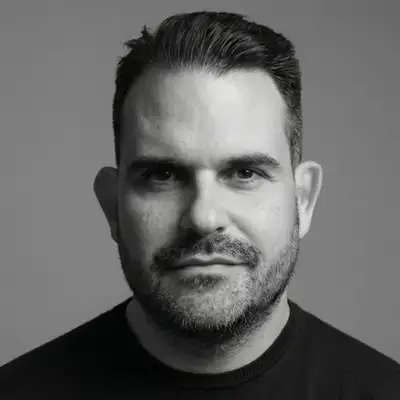
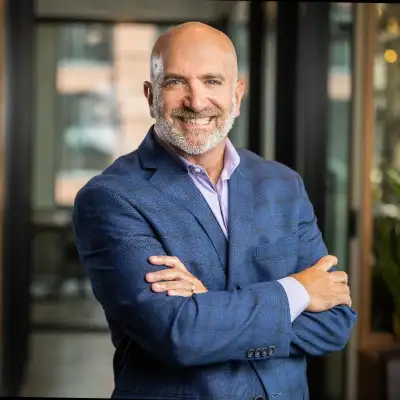
In Episode 029, I had the pleasure of chatting to Brian Rosen. He is the Chairman of Growth Beverage and Founder of InvestBev, Sprout Beverage, Bev Strat and Algoma Capital. He has decades of experience in building drinks brands in the US. He gave us incredible insights about the dynamics of the US market. I hope you will enjoy our chat. Time Stamps (5:08) How To Spend Money Effectively (12:28) Building Demand Effectively (15:04) Home Court Advantage (18:39) Doing The Boring Stuff (27:35) Running Out of Money (31:25) Breaking Into The US (40:00) Demand Generation About the Guest: Brian RosenWelcome to the Maffeo Drinks Podcast. I'm your host, Chris Maffeo. In episode 29, I had the pleasure of chatting to Brian Rosen. He is the Chairman of Growth Beverage and Founder of InvestBev, Sprout Beverage, Bevstrat and Algoma Capital. He has decades of experience in building drinks brands in The U.
Chris Maffeo:S. He gave us incredible insights about the dynamics of The U. S. Market. I hope you will enjoy our chat.
Chris Maffeo:Hi, Brian. How are doing?
Brian Rosen:Hi. How are you, Chris?
Chris Maffeo:I'm good. I'm good. Thanks for accepting my invitation. That's a great honor to have you. I've been following you for a while on LinkedIn.
Chris Maffeo:We've been connected and finally we actually meet in person, so to say.
Brian Rosen:We should tell your listeners the truth. The truth is that I've been following you and I reached out to you and I said, you need to have me on. And you said, yes, no problem. So I appreciate your kindness, but I've been watching your success and growth for a very long time. And you are the European version of Brian.
Brian Rosen:So I really, so I liked that with more hair and probably less body fat.
Chris Maffeo:I'm not sure about the body fat, but on the hair, I,
Brian Rosen:you win on the hair
Chris Maffeo:and thanks. Thanks. And, but anyway, I sent you the invitation at the end, so you accepted it. And to be honest, like you have been an inspiration for me because I've been following you on LinkedIn on when you were doing all these videos that you're doing. And then I said, I should do something similar.
Chris Maffeo:And then it got me like, I don't know, two years to do that, but now finally I'm here. And so let's have an interesting conversation because as I told you, a lot of our listeners are Americans and I think the other half probably they want to get into The US. So it will be a very interesting conversation. So what do you think is the biggest thing on creating demand for a brand, for a small brand? Because I've been reading what you are writing on LinkedIn and so on, and you are very pragmatic.
Chris Maffeo:So we share this view. That's why I'm happy to say that I'm the bribe of Europe.
Brian Rosen:Yeah. So any listener, anyone who wants to be in the beverage business needs to have one kind of common theme, feel. And in Chicago, I'm in Miami today, but in Chicago yesterday, we had our sprout beverage cohort and we had 20 brands come in from all over the world who are vying for this a $100,000 investment from InvestBev, one of our companies. When I went on the stage yesterday to introduce the people and to welcome them into the cohort, I said one simple product, one simple sentence, and your listeners should know this sentence because it's the only thing that matters every day. And this is what I said, Chris.
Brian Rosen:No one needs your shit. That's it. No one needs your product. You're not inventing anything new. And I'm talking to the suppliers mind you.
Brian Rosen:No one needs your product. No one needs your tequila. No one needs your gin, vodka, rum, aperitif, lemoncello, mezcal, Moscato. I can go on and on. Think about it like this.
Brian Rosen:In The U. There are 50,000 brands that are registered for COA. 50,000. There are 500 brands that account for SKU velocity, right? 500 that account for SKU velocity.
Brian Rosen:So when you look at all of those things together, no one needs your stuff. So my pragmatic way of entering The US market, learn that lesson. Because when you learn that lesson that no one needs your stuff, you become the best salesperson you could possibly be for your own brand.
Chris Maffeo:That's a great line there because I come from an export experience in my corporate previous life, so to say. And I was working for all these big major multinationals in beer, but I was always the export guy. I remember like having these meetings and we were invited to all these big meetings with all the big companies like Pilsen oracle in Czech Republic, you know, Peron in Italy, all basically they were either number one or number two or maximum number three in the market.
Brian Rosen:Yeah. One's ever asking you, Hey, tell me about the flavor profile of Pilsner. No one said You
Chris Maffeo:just entered there. Like it's like selling Coca Cola. It's just like you go in and they know you. I mean, it's just like
Brian Rosen:Your listeners and my customers are the same and they're all artists and they're all craftsmen. And if you're all left brain like that, you're pretty shitty right brain. Math, business planning, forecasting, you can make a great product. And so that's why this business is so hard. And there has never been a business that I've been experienced in where you spend all this money in advance?
Brian Rosen:You spend it on sales, on formulation, on growth, on label, on bottle, on this, on that, before you've sold your first thing. That's right. So you're already a $100,000, dollars 200,000 in the hole before you get out of the gate.
Chris Maffeo:That is the thing. A lot of these brands that we are talking to, they need guidance on where to spend money because there's a lot of messages that I get and I'm sure you get the same. Can I pick your brain? Can I get your feedback on this? Can I get a
Brian Rosen:No brand was ever made by the quality of their t shirt? Hey, what kind of t shirt should I get? I don't know. How about a sales team?
Chris Maffeo:The thing that drives me nuts sometimes is that I say, okay, oh, sorry. I haven't got budget to work with you as an advisor. Yeah. And then I say, okay, actually I feel bad. And then I say, okay, let me see how can I help you pro bono for a second?
Chris Maffeo:And then I realized that they're spending a lot of money on conferences, trade shows, your example, t shirts and merchandise and so on. And then it's just like, why are you spending all this money in this BS rather than actually putting the money where, you know, where it matters?
Brian Rosen:This is like a little bit of what I talked about yesterday as well with the sprout cohort. It's a simple business. You and I talked about it at the top of the show. It's a simple business blocking and tackling. Find one account that's near your home or near the distillery or near the winery.
Brian Rosen:Find one account and make them your lighthouse account. Give them the support, make them everything they need. And then from there you epicenter out. You go out from there. You can go, if you're selling 10 cases a month in this account, you can go to that account and say, I'm selling 10 cases a month over here.
Brian Rosen:Buy a couple of cases. You can't do, how bad can that be? And you go to the next account and say, I sold two cases here and they're selling two cases a month, buy one case. And then all of sudden you've created this epicenter of sales. But to think, to have the balls as a brand owner or supplier to have the balls to think, because you put it in a bottle, it's going to sell is going to be suicide for your brand and the brand owner and their bank account will separate.
Brian Rosen:There'll be nothing there. And so you don't want to get in that position. So as you look at, as you look at a brand, you're really, there's so many kind of nuances and intricacies, but you really need to be mindful of making a brand for everyone and not making a brand for yourself. If you make a brand for yourself, Chris, you're going to have an audience of one person.
Chris Maffeo:That's If make
Brian Rosen:a brand for everyone, you're going to have an audience of everyone.
Chris Maffeo:Yeah. And that's a great, that's a great point because I think very often there is this thing, like you mentioned it before, it's a world of artists now in, in that sense. And there is a risk of doing the echo chamber kind of effect know, because at some point it's like, Hey Brian, check this out, taste it. And he's like, Oh Chris, I love it. This is amazing.
Chris Maffeo:This is, you'll smash it.
Brian Rosen:Hey buddy, I love it.
Chris Maffeo:But then it's just be cautious about that because create something for the buyer, for the
Brian Rosen:Here's a kiss of death. The kiss of death is a supplier who comes to us and says, I've been making this cream liqueur every super bowl for twenty years and everyone drinks it and loves it. It's so fucking stupid. Your audience is not that your buddies at the super bowl party. Your audience is 20 random strangers who don't owe you anything, but the truth.
Brian Rosen:And when people come to me and say that like I had a woman two years ago, I make this cream liqueur and all my friends love it. I give it out for Christmas every year. Good for you. That's what you're doing then. That's not something I can invest in.
Brian Rosen:That's not something I can sell. That's not something that has any value to me at all. And maybe not even to a listener. Right. And one kind of more thing to think about on this.
Brian Rosen:If you go to your, and where are you located in the world? I can't recall.
Chris Maffeo:I'm in Prague. I'm in Prague, Czech Republic.
Brian Rosen:Beautiful, great pretzels, by the way. Those are the, those pretzels on the come on size. They're great. This is the same universally everywhere in the world. The linear shelf is four feet.
Brian Rosen:That's what it is. A linear shelf in a store is four feet. If your product falls one inch before the shelf or one inch after the shelf, there's still no shelf. You're not on the shelf. You're going to have to find a way to get on the shelf.
Brian Rosen:You're going to have to find your competitor and slit their throat. Not really, figuratively. And that's how you're going to make shelf space because they're not going to make more shelf for you no matter how good your product is. You're not inventing a new vodka. I promise you.
Brian Rosen:Right? So the suppliers that are listening to your podcast need to understand they may have the best thing in the world, but if the second best thing exists and is on the shelf, that's your shelf spot too.
Chris Maffeo:Absolutely. And you you've been for generations as a family, you've been a retailer now, like for many years before. Yeah. And what was the line that would make it on the shelf for you?
Brian Rosen:So we were a little different and I talked about this yesterday also when we ran retail and by by way of familiarity, we ran the biggest retailer in America. So today you would know it as total wine. So we were gargantuan, but we didn't start out that way. And we took everyone in because we're an immigrant family. We understand the struggles of the supplier.
Brian Rosen:And what's the big deal? If I spend $500 of a $100,000,000 company? If I spend $500 getting Joe Blow Lemoncello on the shelf, who cares? Who cares? You're doing the guy a solid, who cares?
Brian Rosen:And we operated our whole company like that. And some of them took off and some of them didn't. That's life. It's different now. It's different.
Brian Rosen:Now it's all done through Nielsen ratings and IRI data and IWSR data. And if it's not trending, no one wants it. And you've got to pay to be on the shelf and you've to pay for your floor stack and you've got to pay for your window and you've got to pay for this and pay for that. It's no longer a fair playing field where you can be judged simply on the quality of what's in your bottle. It's no longer fair at all.
Brian Rosen:So when I was a retailer, it was much easier. Our decision process to your question, our decision process wasn't, Hey, what's the flavor profile? What's the hectares for the wine? What's the closure? Who drinks this?
Brian Rosen:Who doesn't drink this? It was if the suppliers are to come in and support the brand at a tasting level, Saturdays, Sundays, Thursday nights, and sit there behind a table and pour a one ounce drink for someone and say, try my bourbon, whatever. Well, take them in. They're willing to work for their own success. So that was then.
Brian Rosen:Now it's much harder to get on board. That's exactly why Reserve Bar and Speakeasy and all these other companies, both of which full disclosure we own. That's why those things have come into relevance because there's more brands than liquor stores. There's more brands than people that drink. So it's to, it's going to continue to shuffle out every kind of SKU reduction opportunity.
Brian Rosen:It's going to continue to happen, but I would not want to be in retail now. And I would not want to be a brand now. Now we own a bunch of brands, so I'm not, I'm okay. Owning them and helping and advising, but I would not want to be the operator of a brand because too many brand operators, suppliers have this Pollyanna vision of I make it and they will come customer. And it's just not like that anymore.
Brian Rosen:And you really gotta be smart and creative and social media driven and all of those things.
Chris Maffeo:And how do you create demand for a brand? So like I'm listening to a podcast that is very interesting. It used to be called the state of demand gen. Now it's called the revenue vitals. And it talks about creating demand and capturing the demand.
Chris Maffeo:And I really love that also for our industry now because nobody wants to go into a bar where nobody has heard about you, no? Or to a retailer. You know? Like, it it doesn't make sense. So if I come to your retail or to your bar and you have never heard about it, with all the connection you've got, there is something wrong, no?
Chris Maffeo:If you haven't heard it, probably there's very high chances that I haven't built any demand. No? So how can a brand build that demand to appear on the radar before entering and trying to?
Brian Rosen:It's a new day, man. It used to be, Hey, we're going to spend so and so in print, and we're going to spend such and such on billboard. And it's over now because now I could have my son make my social media account and he can get 10,000 likes in two days on a brand. You have to create great social and more importantly than anything else, have to be able to prove to an account on and off premise. You can drive people to it.
Brian Rosen:You got to prove to an account that by you taking one case of my brand, I can bring a 100 extra people into your venue, into your bar, into your restaurant. Because no one needs what we're making, not a soul. And how do you create demand? Good pull programming, good strategy work, knowing who your audience is. If you are making a drink for left handed people, don't go to any right handed stores.
Brian Rosen:Know your audience. And it's okay to be the biggest, tallest person in the sea of short people. It's okay. But you don't want to be a tall person in the sea of giants. So going to pitch LCBO in Canada, going to pitch Bevmo or Total or Specs or Binnies or Stu Leonard's or any of these things here in The U S and not knowing your audience is just a death wish.
Brian Rosen:Make a great bourbon. So go pitch Brooklyn where people love bourbons and craft and unique and unusual. Go to Brooklyn. You want to make a great Sacramento wine? Then go pitch the archdiocese.
Brian Rosen:Right? Don't pitch the Jewish federation. So there are people that they get caught up in how big they can be, not even paying attention to the audience that's right under their nose. That greases a lot of the, a lot of the friction of getting on the shelf.
Chris Maffeo:It goes back to what you were saying earlier, which I'm a big fan of building the, like we used to call it local bigness, you know, in our old days is be perceived bigger than you are in a certain neighborhood in a certain area, because that's where you can actually make an effort. No. And if, to your point, if people are not going to buy it and they are living a 100 meters from the distillery, why should somebody in Europe buy it?
Brian Rosen:And it's so fucked up. Like people that have distillery in Minnesota and they want to be the number one bourbon in LA. Be the number one bourbon in Minnesota. Think about it. You're most powerful Chris in your own neighborhood.
Brian Rosen:Your most well known, your most well respected, you get the most favors. You get the most waves right in your own neighborhood. That's where you're going to be the most successful as a person. Being a bourbon distillery in Minnesota and thinking you want to be on the shelves of the Ivy and of Wally's and on Disney at Disneyland, it's just silliness. People think, oh, I don't want to start so small.
Brian Rosen:It's bullshit. And I'll tell you something else. People always come to me and they're like, I've got national distribution with Southern or I've got national distribution with Breakfruit. That's great. How are you selling it?
Brian Rosen:I only have one salesperson. So the national doesn't mean anything. You've got the cost of being a national brand with the sales of being a local brand. People put the cart way ahead of the horse and it's only going to lead to Trump. We clean up this mess all the time with our brands.
Chris Maffeo:This is super, super true because there is a tendency to think no, no one is a prophet in his own land kind of thing. So it's like, I'm the Minnesota bourbon, so I want to launch as far as possible because Minnesota people, they would never get it. I'm different. You know?
Brian Rosen:Yeah. They get born and raised here, but they would never understand.
Chris Maffeo:Exactly. So there is that element. And then there is that kind of like moment of like self confidence in which you're going for the most trendy cities around the world. And you think you're going to make it. No.
Chris Maffeo:And I'm not with big money.
Brian Rosen:The market will tell you the truth. The market doesn't care how handsome, how rich, how poor, how smart, how dumb. The market will tell you the truth. If you're not successful in your own backyard, you're not going to be successful in someone else's. That's just a fact.
Brian Rosen:And so as you have known me, I'm pretty frank. I'm pretty honest. I'm definitely forward in my comments and the more brand and it's not because I'm as a person it's because this industry is people get lied to all the time for the wrong reasons. People get so pumped up with bullshit when the reality is if you sell a 100 cases in Minnesota, in this case, in a 100 bars in Downtown MSP, that's success. You've got less travel time, less truck time.
Brian Rosen:You've got no export tax. You don't, you have one distributor, you're a local hero. You're the guy who owns Tattersall or whatever the brand is. That's good enough for right now. And then you rinse and repeat in another market.
Brian Rosen:But to think for one second that anyone in New York or LA gives a shit, is just plain eagle. And when you start playing with the eagle piece, you're fucked because people make good bourbon everywhere, everywhere. There's good bourbon, not just Tattersall or in this case, Tattersall or whatever the Minnesota brand would be.
Chris Maffeo:100%. And there is something like I was I'm having Steven Grass as a guest on the podcast. I was reading his book, Brand Mysticism, and he has a line there that he says, nobody says no in LA. And it resonated so well because it's this thing that we know that this is a people business because we do drinks and we have fun and it's a nice environment.
Brian Rosen:It's great business.
Chris Maffeo:But it's sometimes it's too supportive in a fake way because oh yeah, I love your product. You're going to do great. No, you're not. If you don't put the effort and the feet on the ground and you take the effort on doing the boring steps, like apart from the sexy stuff, because nobody wants to do the effort. Everybody wants to do the sexy stuff.
Chris Maffeo:No, I'm going to the ad agency. I'm designing the logo. I'm talking to a cool designer, but the thing is that then you open the door. It's like, if you're training at home and you're doing all the pushups and then you're checking all your clothes and you're trying five shirts on and then you go out and you have the wrong clothes. It's just like, you know, look out of the window.
Brian Rosen:It's a blocking and tackling business. That's what it is. And you got to do the basics. People get very excited about, I sold a thousand cases here or I'm international distribution with R and D. C.
Brian Rosen:Or the liquor control board of Canada wants me, or the Pennsylvania liquor control board wants me. That's great. People forget. If I can run it through, you can sell as much as you want into the three tier system, into the channel. If no one buys your shit on the shelf, you're still out of business.
Brian Rosen:You're one and done. That's it. So your POs go way up. You get a lot of cash that comes in. No customers pulling off the shelf, which is the key.
Brian Rosen:No one pulls. That means that retailer is not going to buy again, which means that wholesaler is not going to sell that retailer, which means that wholesaler is not going to buy from that importer again, which means that importer will drop you.
Chris Maffeo:So
Brian Rosen:this business is not about big drops and let the consumer discover you. It's about slow methodical buildup to a manageable across a full P and L and a G and A according to GAAP accounting, like the running of the business. It's a slow and methodical buildup to your success. And people that try and get too big too quick fail always since prohibition.
Chris Maffeo:What you explain is the essence of my philosophy or approach about building brands bottom up. So it starts from the glass
Brian Rosen:It at the
Chris Maffeo:doesn't start from the distillery. Like the flow is top down as long as you have created a flow backward.
Brian Rosen:Chris, there's four audiences here in The States. There's four. You've got a different message to the investor, a different message to the supplier, a different message to the retailer, a different message to the consumer. Four messages. And they're all different because all of them have different needs.
Brian Rosen:All of them. Supplier wants to sell their goods. Investor wants to make their money. Distributors don't want to get stuck with the thing. The retailer needs to sell it to pay his bills.
Brian Rosen:And the consumer wants to discover something different, something new, and that all has to repeat every day. So if you are coming into the market with one pitch deck, you're coming into the market with one message, you're totally fucked. You got it. It's four messages. It's four decks, it's four audiences and four calls to action.
Brian Rosen:And that's what people don't get. It's not about the juice or how about prettier label is or how, or the Spotify playlist in the back of your label. You want people to drink as they enjoy your Caribbean rum. That's great. No one can enjoy it.
Brian Rosen:If no one can buy it, if no one's gonna buy it, if no one can see it, no one's going to see it. If no one purchased it before from the distributor.
Chris Maffeo:Absolutely. And how do you
Brian Rosen:I'm not passionate at all about this shit.
Chris Maffeo:No, not at all. I can see that. I love listening to you because I know what you think about things, but we never had a discussion around it. And the thing is that it's very aligned in the thinking because sometimes I'm afraid that I sound negative, you know, when I'm talking to people because I speak the truth, you know? And then it's like, what the fuck?
Chris Maffeo:Like, why did I call you? To ruin
Brian Rosen:my It's funny because you're in the, you're a consulting gig, right? So as a consultant, the more negative you sound, you're really discouraging your customer from hiring you. But the reality, right? And so you're like, do I be optimistic and say there's an opportunity so I can get this retained relationship? The reality is you're doing a bigger service to the brands by being honest at what the market looks like than not.
Brian Rosen:That's going to be your win. This other stuff, people who really want to be in the beverage business are going to continue to move forward with you because honesty is not the deal breaker. The deal breaker is when the person sees the honest outcome and then turns around.
Chris Maffeo:Yeah. But if
Brian Rosen:they really want to be in the business, honesty, Pollyanna, optimism, it's all part of creating a brand.
Chris Maffeo:I love the Pollyanna face. And one of the things that I remember of what you were saying that nobody ever thinks about this, I want to go big thing is what she was saying in one of your videos, like recently about the fact that you need, you need to be well funded to do that.
Brian Rosen:Oh God.
Chris Maffeo:Like you've got so much money at stake on even just on payment terms. And I always say, be careful what you wish for, because do you really want to be in Costco? Can you afford being Costco? If the buyer is your cousin, can you do it?
Brian Rosen:Yeah, big deal. That's the cousin that ever gets going to Thanksgiving. Our private equity firm, InvestVev has right now $250,000,000 under management. We have brands like Reserve Bar, Speakeasy, Siempre Tequila, Nomadica, Phyllo, canned cannabis beverage, and about 110,000,120 worth of raw whiskey. And I tell you this not for bravado.
Brian Rosen:Every one of them, every one is running out of money. These are brands we own. They run out of money. It's an expensive business. And there is a precipice.
Brian Rosen:There's a bar you have to cross where you say, I'm going to go for the revenue number and fuck everything else. Or I'm going to go for the net income number and run a business. And so this, the running out of money is the single biggest thing that happens in the adult beverage business. And by the way, now let's add on top of that. There was a time during the previous presidential administration here and a little bit of the end of Obama where it was all about revenue.
Brian Rosen:Grow revenue, get sold. Grow revenue, get sold. The way the interest rates are around the world, the way inflation is right now, the way this recession is playing out. You really have to build a business to run a business, which means managing your labor, managing your cost of goods, managing your sales strategy, managing your marketing. You have to do that because if you're run out of money, the same environment that lets you exist is not giving money anymore.
Chris Maffeo:Yeah.
Brian Rosen:Not giving any money anymore. I'm not giving money anymore to things I don't believe in wholeheartedly of people that can run a business. It's not about everyone gets George Clooney on the mind or Ryan Reynolds or Babe Rose or any of these fuckers. Of us are George Clooney, Chris. George Clooney had lightning in a bottle.
Brian Rosen:It's an average tequila with two super handsome guys with two super hot wives that are high profile and can talk about their shit all the time. At the same time, their tequila was in every reality TV show in the country being talked about for free. At the same time, they were the first in the celebrity game. That's how you get a billion dollar evaluation. Not if Brian and Chris make a tequila.
Brian Rosen:Look at these two ugly fuckers. No one's going to buy our shit. So people that use George Clooney as a model or Ryan Reynolds, the sexiest man alive, according to people magazine, people who use them as models and say, why would you invest in my gin? Look at what happened to Ryan Reynolds because you're not Ryan Reynolds at all. And you're not George Clooney.
Brian Rosen:So now the makers have to really make a business. They have to make a business. And that's where the rubber meets the road here. My point to your point, you need to have a business model. You can't just run for the finish line without shoes on.
Brian Rosen:You need a business model that you can execute on. That's articulate, that involves a two, a three, a five year lifespan. So you don't run out of money.
Chris Maffeo:Yeah. And what is the biggest driver on running out of money? There's many elements I'm sure, but is it maybe that they trust labor and production?
Brian Rosen:You're over labor. You got something in your head that says you needed to re national director of sales who's charging you $250,000 a year. And you wrote his contract run. So he's not incentive for any sales or open up markets or any distributors. You got to pay the guy $75 and pay him $200 for success.
Brian Rosen:Instead of young founders say, I need a director of sales. I'm going to pay this guy $2.50. That's a mistake. It happens all the time. I see it every day.
Brian Rosen:Mistake one. Mistake two is you overproduce for a market that you have not yet seasoned because you want to lower your gross margin. So you're going to go and buy a thousand cases of X, even though you haven't proven anything, but you got a really good gross margin, but no one's buying it. Rather have a worse gross margin, produce a 100 cases of it, do a proof of concept in a small town somewhere in the country, and then buy 200. Same small test.
Brian Rosen:Then buy 300 and slowly raise your gross margin. And investors, people like us, we will see that. We will applaud that. Any savvy investor will see that and say, they're managing cashflow properly. I feel good about giving them a million dollars.
Brian Rosen:Yesterday we closed on a million dollar investment in 10 to one rum. I don't know if you saw that. 10 to one rum is a rum that Mark Farrell is the supplier. We're in it with Diageo and frog horn. And we're the third big in there.
Brian Rosen:Mark is a incredibly smart Harvard graduate operator. No extra expense, no extra fluff, no extra bullshit. He's running his company like every day is the last day. These suppliers that come to us and run it like, oh, we'll be just fine. We're just going to increase sales.
Brian Rosen:And then if we can't, we'll raise more money. It's not real. It is not real.
Chris Maffeo:Has that been inflated by the market, by the economy in the last years, pre COVID?
Brian Rosen:It's been inflated by the interest rates that are so low that high net worth individuals and people can borrow money from their portfolios or get money to the brand somehow, some way. And it's not a big deal because it's only costing them 2% of money. Now money's 8%. So if I give you $50,000 for an investment a year ago, I'm paying a thousand bucks a year for it. Or two years ago, a thousand bucks a year.
Brian Rosen:Now, if I'm giving you $50,000 for investment, I'm paying 4,500 for it. So why would I possibly want to do that?
Chris Maffeo:I think that the industry got too weak in a way. It's just like things were moving.
Brian Rosen:They got too relaxed. They believe their own bullshit. Suppliers, they go to this supplier, that supplier, Hey, who'd you raise money from? Who'd you raise money from? Who's your partner here?
Brian Rosen:Who's your partner here as an investor? Couple of things are turnoffs. If you don't know your numbers, don't come to me. If you put George clue in your deck, don't come to me. Right.
Brian Rosen:Because saying to me, a tequila is a $100,000,000,000 market. Just look at what Casa Amigos did is bullshit because you're not George Clooney. And the last time I checked, you didn't do oceans eleven, twelve, or 13. So that's two. And three is saying I'm going to burn money in sales until net income catches up.
Brian Rosen:Those three things will turn me away because it's not real. It's who you're living in the past. Days are over. Now you have to create a business that runs on its own gas.
Chris Maffeo:Nice. Nice. This is a great advice. And what do you think, like being based in The U S and you are working with Sony brands and here from Europe, like whoever I'm talking to, they always like, they see The US as the, as they would see The US from every person who left Europe and went to The US. No, the Eldorado and I'm gonna make it and I need to go to The US.
Chris Maffeo:I just hired a director, sales director for The US, export director for The US market, no? And I'm always smiling when they tell me that because it's just be careful what you wish for.
Brian Rosen:Yeah. So The U S is a good market, but everyone says the same thing. You have to be in The U S so everyone that is coming here feels they need to be here, which just makes the competition here a lot more frothy. Right? Couple on top of that, the three tier system, you take out the ability to go right to your end consumer.
Brian Rosen:You can't go to the market. You have to go through your importer, your distributor, your account, your consumer. Three tiers. You have to be well overcapitalized for every dollar you think you need in sales, need to add $10 in marketing. Then you need to add depletion allowance on top of that for distributors.
Brian Rosen:Then you need to co fund a depletion bank at the distributor. It's very expensive. If you come here and you're not well capitalized and you think it's just going to go, you're wrong. If you come here and you go through a 3PL like LibDib or MHW or Park Street, you're going to be in market, but you're going to be undercapitalized as well. Because in those models, you don't get paid until someone buys your goods.
Brian Rosen:And as we established earlier here, no one's going to buy your goods because no one knows you exist. Yeah. And the same way I started yesterday's seminar at sprout. No one needs your product.
Chris Maffeo:Yeah.
Brian Rosen:No one. So using America as make you laugh, the Pollyanna, like the end of the road, way it needs to be. Own your backyard. If you're the best thing in your region, own it and bankroll all that cash. And when you get to a certain level, come to The U S and you get guidance on how to do it the right way, but it's not a 40 foot container coming into La Jolla or coming into New Jersey and saying, I hope it works.
Brian Rosen:It's airlifting a 100 cases here, overpaying for it and seeing if it works before you take on that massive expense.
Chris Maffeo:Yeah. Why do you think they do The U S like when you're talking to people entering the market, do they use it as a kind of like, I want to, I want to show that I'm in The U S so that I can get into other markets or do they really truly believe that they're going to make it in The US?
Brian Rosen:I think everyone, I think everyone believes what's the point otherwise. But people make the mistake. There's a lot of people that I used to deal with way back in the day, Eastern European brands and Czech and Croatia and Slyvenia. All these kinds of Eastern European type brands that would come over. So these guys would say to me I want to be in Brooklyn.
Brian Rosen:And would say, okay, tell me the Eastern European population in Brooklyn. Oh, I don't know. Once you want to be in the place where the most Czechs are, or the most Romanians are, that's where you want to be because they want a flavor from their whole country. Conquer the backyard. Conquer the low barrier of entry.
Brian Rosen:Do the hurdle jump on the shortest hurdle. Wanting to be in Cipriani in Midtown Manhattan with a drink no one's ever heard of, where your core demographic doesn't go, know, or plan to go to said restaurant is suicide for your brand. I'm not giving you any kind of, Hey, here's the secret advice. I'm giving you common sense and you have to put a you not you, the Royal you, the listening universe, the watching universe, put away the ego. Think logically.
Brian Rosen:Don't fall in love with your own brand. Know your consumer. Know what they drink. Know how much they drink. Know what price point they're going to drink at.
Brian Rosen:Know what retailers will favor your brand. Know what off premise and on premise accounts will favor your brand. Those 10 things. Know them and you'll have a degree of success. If you just throw the goods in The U S and say, we're here, you're totally fucked.
Chris Maffeo:Yeah. There's a few elements there because one thing is that a lot of people think too highly of their brands in a way that, that they say, for example, to your previous example is I don't want to be where Polish people are. I've, I have a Polish brand. I don't want to be where Polish people are because they used to drink mainstream shit in the country. I'm a premium brand.
Chris Maffeo:There is that element of not understanding how the basic occasion can be used to actually subsidize the growth of the fancy occasion. I have an Italian brand. Let me go to an Italian basic restaurant that wants my brand. And then I'll go to Cipriani because then I've got some budget to actually discuss with them.
Brian Rosen:A 100%. And I worked with a brand called Hirosaki, H I R O. Great brand, great brand. They didn't want to be in Japanese restaurants. Let me think for a second.
Brian Rosen:Let's just pause on that. Hiro sake did not want to be in Japanese restaurants where people drink sake. They wanted to be in high end hotels and create a new drape called the Socatini. Sake, margeti, sake, martini, less calories, less hangover. That part's great, but your layup is in the Japanese restaurants.
Brian Rosen:Take your layup, get your cash flow going. It gives you the leash and the latitude to experiment, to grow, to think, to market. I've had no problem with the Socatini being at the Four Seasons or the Peninsula in New York. No problem. It's great.
Brian Rosen:It's lower calorie. It's better for you. Less hangover. Fine. To negate the core group of people that know sake is foolish.
Brian Rosen:And so that to your point, embrace what you are and then pivot to who you want to become.
Chris Maffeo:Be honest, like it's a little bit like when I started writing on LinkedIn, you know, I'm following a lot of these creators and they tell you like, what are the things you should do and how you should write and so on. And there is a paradox there. I remember my early days, I used to post something on LinkedIn and my friends and my ex colleagues would write to me and say, what the fuck are you writing? Is you crazy? Like you're saying this stuff online to the world.
Chris Maffeo:But also I was scared of pressing posts because like, shit, everybody's going to read this. And sometimes I would delete the post just after posting it. And the funny thing is that it's a paradox because you don't want to write because you are scared that messenger will go out virally. If you are a celebrity, who's gonna read my post? My first post is gonna be read by 100 people that probably 98 of, I don't even know.
Chris Maffeo:So what's
Brian Rosen:the big deal? And two your parents.
Chris Maffeo:Yeah. And what exactly? And what what's the big deal around that? And there is the same element on brands, you know, it's like, no, my brand cannot be in a cheap Italian restaurant. Cannot do that.
Chris Maffeo:Yeah. But that cheap Italian restaurant is doing five kegs per night My for your
Brian Rosen:audience, which is global and substantial and your audience, which is getting there. They want the truth. They want the truth. They don't want to be bullshitted to. They want the truth.
Brian Rosen:And I don't give a shit from the marketing side, what I post, because it's a truth. The suppliers know it. The distributors know it. If I went on LinkedIn or Instagram and I said, don't give a shit about your brand. That's the truth.
Brian Rosen:That's the truth. I've heard it from the distributors. They say it at WSWA or bar convent or discus convention or whatever. These shows, they say it, they've got 3,000 brands and they've got 20 salespeople. If they don't say the words, I don't give a shit about your brand.
Brian Rosen:The actions surely do.
Chris Maffeo:Yeah, that's true.
Brian Rosen:The public needs people like us to give them the workaround on how to be better at what they do because the liquor business in general is shrouded in this, not secrecy, not necessarily, but this kind of three tier mystery.
Chris Maffeo:Yes. And that's very true because last year, for example, when I was at Barre Convent in Berlin, I'm going again this year and I walk around and you could see their different kinds of buckets of brands. Now there's the big brands and everybody's there, like with all the fancy bartenders, everybody hanging around and drinking. Then there's some up and coming brands that people are actually looking for and so on, because they build demand before going to the show. And then there's the, the, the weirdos kind of thing.
Chris Maffeo:No, it's just like, there's some brands that are there. Like they bought a stand. There is a person there on their mobile. It's just like a random bar down the street, like when nobody goes in and the waiter and the barman, they're just on their Instagram, just because there's no customers. And I feel pity for that, for them, no, because I think like shit like that, they spend lots of money, but they don't know what to do.
Chris Maffeo:They don't know how to interact with the people. They don't know what to, and I, and I stopped last year to many of them just to talk to them because I, I was like, I want to give them a chance. Poor guy. Like this guy is not talking to anyone all day, but even their approach was so cocky to me that I was like, what the hell is wrong, man?
Brian Rosen:I remember going to, I'm going to, I remember going to bar convent and walk it with Bevstrat and walk it, which is a sales company for The U S and getting countless business cards and then coming back to Chicago and emailing everyone, oh, we don't need a Salesforce because we're with Southern. We don't need a Salesforce because we're with RNDC or breakthrough or Mertz or Peachy or the wine group or whatever. Then they come back to me in six months and say, we're dying here. So the business is tailor made for people that want to support each other. We're never going to, you and I and others are never going to have a sliver of the top 500 sellers in the country.
Brian Rosen:That's what real distribution cares about. Bar Convent Berlin and Brooklyn and others is a way for the top 500 brands to keep top of mind to bartenders globally. And it's a way for the other 40,000 brands to get a minuscule share of mind, but no one should ever think they're in the same boat because they're not.
Chris Maffeo:Yeah. That's the, that's the hard truth on that. And let's talk a little bit about the, one of the, the quotes that, that you mentioned that I've learned this word from you, I must say, O N D. Yeah. October, November, December.
Chris Maffeo:Yeah. I love listening to you. I I'm waiting for October just to watch your videos of when you
Brian Rosen:It's and D baby. It's O and D.
Chris Maffeo:You shout everyone that that it's O and D, tell us about this O and D because I'm sure that many listeners are not familiar with that.
Brian Rosen:So October, November, December is the peak buying time of the year and 43% of liquor, beer, wine sales happen during OMD. And obviously you've got October, you've Halloween, you've got Thanksgiving here in The States. You've got Thanksgiving eve and Thanksgiving day. You've got all the holidays, whether it's Hanukkah, Kwanzaa, Christmas are in December. You've got new year's eve.
Brian Rosen:There's four major drinking holidays in the last sixty six selling days of the year, which is OND. Here's a problem with that. The sales in OND have been made already. The retailers that are making shelf sets and cooler sets and planograms and all of those things, that's already happened. So if you're waiting until October 1 to get your head out of your ass, that is already gone.
Brian Rosen:Right now you're playing catch up because the buds, the millers, the southerns, the others, they've already secured their shelf position and their orders for the end of the year for accounts. Brands, if you don't have a PO from the bigs right now in The U S you're also out of luck. So you put that all in a bucket. Now you say, okay, in The U S you've got terms when you buy boost, you've got thirty day terms, net terms to pay the bill. That means that no one is buying anything of substance after December 17 because that bill comes due January 17 and there's no money coming in January 1 to the seventeenth.
Brian Rosen:So everything that they pay the bill with is going to be accumulated from the seventeenth to the thirty first. And Thanksgiving. November is a four week month, but take away holiday, Thanksgiving break and vacation and family time, it's really only a three week month. Halloween, huge holiday, but it's a bar holiday. It's not an at home holiday.
Brian Rosen:It's a bar holiday. Thanksgiving eve is a bar holiday. Thanksgiving day is an at home holiday, right with fam. So put all of this bullshit in a bucket and that's OND and to be able to navigate it starts at the beginning of the summer. And if you haven't started yet, just hang onto your pants and try and muscle through this thing.
Brian Rosen:But you need to have an OND plan. It's critical. I'll give you one more thing that's gonna make you want to put a bullet in your gun too. Distributors aren't taking new brands for the first eight weeks of the year because they're recovering from the holiday. No one's will take anything until after WSWA this year, the reimagined WSWA in Vegas.
Brian Rosen:That's all real stuff. So you likely, if you're not with big distribution in The U S right now, you're likely not going to get picked up until March, April. So all these pipe dreams of I'm going go to SWA and find a distributor. It's bullshit. You're going to get a business card and that's going to be started a six month process.
Brian Rosen:This business is about preparation. This business is about doing what's right for the brand six months ago, not today. And so SOND or OND is really the culmination of all the work you did January, February, March, April, May. That's O and D.
Chris Maffeo:So that's the moment of truth of what you've done.
Brian Rosen:That's the moment of truth of the realization of the activities you did months ago. And if you haven't done them yet, tough shit.
Chris Maffeo:And what's the, what's the biggest thing that prevents people? Is it just like timing that they're just late to the show?
Brian Rosen:They're focusing in their business. They're not focusing on their business, right? There's sales and marketing and there's planning. The real good brands are planning when you and I are sleeping. The real good brands are planning while someone else is selling.
Brian Rosen:If the same guy who's planning for the business is also selling for the business, you're not going to have a ton of long term success.
Chris Maffeo:That's the hard truth.
Brian Rosen:Now I'll tell you this in closing, I will tell you this. This is the best business in the world. This is the most fun business in the world. You can make a shit ton of money and you can be globally recognized as a beverage person. And those are all really great things.
Brian Rosen:If you go into it blindly, you're not going to have great success. Neither you or myself or George Clooney. Right? Although I think I am at sometimes, but everyone will disagree. And if you are smart and diligent and find the right partnerships and the right educators to help you along the way, you'll be just fine.
Chris Maffeo:This is a nice way to close this because I think that's what a lot of the listeners need in this business. Like to a little bit of a kind of like understanding where to go and what to focus on while doing the show. I speak to a lot of people and they say, I'm sending your posts and your podcast episodes through all my team. And you help us navigate through the hard times because it's sometimes it's also like a lonely game. If you're a founder, like it, you're there by yourself and you have a team that's not
Brian Rosen:dark and lonely road.
Chris Maffeo:Yeah. And it's also because like you may have people, you may have colleagues, but they may not get it. So you are carrying on the burden of the show. And then people are just like whoever you hired or like brand managers or salespeople and so on, but they don't feel the burden that you are carrying. So they need to have this kind of realization now that we all on the same boat, people are struggling, brands are struggling.
Chris Maffeo:Some of the things are fine. Like you're selling one case in one bar. That's a great result.
Brian Rosen:It's a 100% improvement, right? Mean, look small wins. If they didn't, if they did not have your brand last week and now they have your brand this week, that's a 100% growth.
Chris Maffeo:That's very true. That's very true. So Brian, tell us how to find you online and how to find your companies and how can you help people?
Brian Rosen:Thank you. I've really enjoyed it and I appreciate it. So I run a company called Growth Beverage. We're the largest private equity firm in The U S that invests in adult beverages. That company's called InvestBev.
Brian Rosen:I run a, that's about a quarter billion dollar fund that goes for brands all over the world. I have another company called algomacap.com, algomacap.com. And that is a $100,000,000 debt facility for distilleries only that have barrels. I have a company called Bevstrap, which is my most well known company, which is not my most well known, but my first company. Sales and marketing.
Brian Rosen:So bodies on the ground, boots on the ground for brands all over the country. And then finally Sprout Beverage, which is another really good company of ours, which is incubator and accelerator programming. So right now in Chicago, we had 20 brands come in yesterday and Wednesday, and they sat there for two days for bootcamp. That bootcamp goes for three months. And then at the end, award a $100,000 to them in cash and prizes to get their brand off the ground and support it.
Brian Rosen:So I am very much embedded in the startup ecosystem, and I've made great financial strides in this business. And I want to share that success with brands so they don't suffer the fate that so many of them invariably do.
Chris Maffeo:Nice. Thanks a lot, Brian. I'm sure many of the listeners will contact you and find your approach very
Brian Rosen:I can touch one person, that's all. Very, very, very, kind of beverage ecosystem. I'm super proud of you, and I'm here for you whenever you need me.
Chris Maffeo:Thanks a lot, Brian. I really appreciate that.
Brian Rosen:You got it.
Chris Maffeo:Thanks. That's all for today. If you enjoyed it, please rate it and share it with friends and come back next week for more insights about building brands from the bottom up.
Creators and Guests