Steven Grasse | Brand Mysticism: how to create winning brands from the bottom-up | Hendrick's Gin, Sailor Jerry Rum, Guinness, Miller High Life | 027
Summary
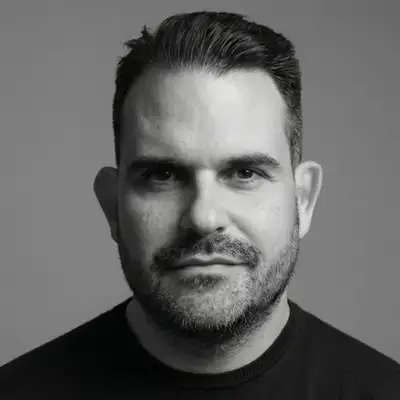
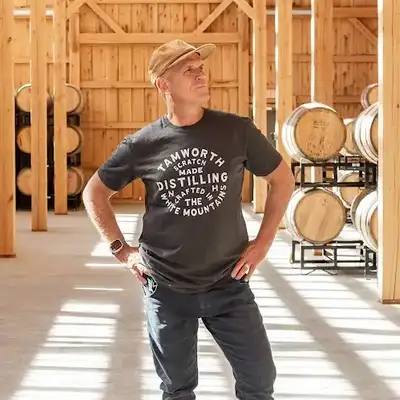
In episode 027 I had the honor of interviewing Steven Grasse. He is the founder of the renowned agency Quaker City Mercantile and of Tamworth Distilling. He is a legend in the drinks industry, having created brands such as Hendrick's gin, Sailor Jerry Rum, and having crafted great rebirths such as Pilsner Urquell, Guinness, and Miller High Life. I hope you will enjoy our chat. Main Topics Discussed: 0 to 1 Bottle: - Differentiating Liquid - Why Not to Chase Trends - Bridging Categories through Taste Profile 1 Bottle to 1 Case: - Building a Rich Brand World - The Importance of Rituals - Choosing Partners & Distributors 1 Case to 1 Pallet - On, Off-Trade and State Monopolies - Institutional Knowledge - Award Show About The Host: Chris Maffeo About The Guest: Steven GrasseWelcome to the Maffeo Drinks Podcast. I'm your host, Chris Maffeo. In episode 27, I had the honor of interviewing Stephen Grass. He's the founder of the renowned agency Quaker City Mercantile and of Tamworth Distilling. He is a legend in the drinks industry, having created brands such as Hendrix Gin, Sailor Jerry Rum and having crafted great rebirths such as Pils Ferruco, Guinness and Miller High Life.
Chris Maffeo:I hope you will enjoy our chat. Hi, Steve. How are you doing?
Steven Grasse:Good. Good to be with you.
Chris Maffeo:Thanks for accepting my invitation. It's a, it's a great honor to, to have you here. I read your book last Christmas. I bought it myself for as a Christmas gift. My listeners are quite familiar with it because I keep quoting it into my episodes when they ask me to recommend something and it's, I think it's a great read for people within the industry, but also.
Steven Grasse:I agree. It's a great read and everyone in Czech Republic needs to read my book, whether you're in marketing or not brand mysticism will change your life and will make you a better person.
Chris Maffeo:I'm pretty sure about it. And just so you know, like my favorite drinks podcast is listened by, you know, people in 70 countries around the world. Hopefully like more and more people around the world are going to read brand mysticism. Let's start with some of the questions. I know how, how important brands are for, are for you.
Chris Maffeo:I mean, you are the person behind, you know, Hendrix Gin, Sailor Jerry Ram, you know, and many other brands, whether for, let's say other distilleries or for your own distillery, the Thumbworth distillery. And what, what would you say plays the, let's say that the first step in terms of building a brand, does it start from the liquid or does it start from the brand?
Steven Grasse:I like to say it all happens at once, like the big bang theory, and it all needs to be conceived as one idea. And I think the mistake a lot of people make is they create things in isolation. So we don't believe in above the line below the line. We design all of our own packaging. We design all the marketing.
Steven Grasse:We design the go to market strategy. We create the liquid. So I think it needs to be like one creation. You need to be God. God created the world and you need to create your own world.
Chris Maffeo:That's a that's a very nice way of of seeing it. In the book, you're talking about the the onion. No? Your your methodology of, you know, building brands. So what would you say is the, is the thing that brand should focus on when building?
Steven Grasse:Well, I think it's, it should be a core truth of the brand and then the onion is the way to express that truth. So another good example would be that the work we do on Malaga or Tequila. We didn't create that brand, but we were asked to fix it or give it a new world. And we looked at Malaga or Tequila and said, well, it's interesting because it had a much lighter taste profile than, than many tequilas. And it came in a, in a very conic and tall blue bottle.
Steven Grasse:Simple lime was the brighter side of tequila and the same thing with Hendrix. The whole idea about being curious and it's not for everyone came out of almost by accident when we created that because a lot of people were like, what the hell is this? So we kind of said, well, it's not for everyone. Right? So it comes out of a core truth of the brand.
Steven Grasse:And then the onion is the different ways you express that truth. And it's all interconnected. So there is no hierarchy except you're, you're sort of pounding away at this one idea over and over again in different ways and expressing it in different ways.
Chris Maffeo:Okay. And what do you think about them when I look at new brands? I mean, we are over bombarded with messaging and you talk a lot about this in, in your book as well. There's something about storytelling that gets often misinterpreted by brand creators and brand owners that, you know, they spend too, I feel at least that they spend too much time on building the story of the brand, but they don't substantiate it with a, with a compelling liquid that talks about that.
Steven Grasse:Well, again, it's all, it's all connected, right? There's no point of having a fantastic story if the liquid's just bullshit. Right. So, and that's our, our whiskey brand that we've come out with called Dunst, was our way of making fun of, whiskey brands that have fantastic stories. He had the liquid all comes from the same industrial source in Indiana.
Steven Grasse:So we created dunce as a joke, but now it's a very serious brand and growing like crazy because, again, but that's the brand's core truth. Right. I think we always say there's three things that make a great brand and they seem really obvious yet so many people don't get it right. You need to have differentiated liquid. Why does this brand exist?
Steven Grasse:Why would anyone drink this? What's the elevator pitch for the liquid with sailor Jerry was 92 proof versus captain Morgan's with 70 or something. So it's for a buck more, you got 92 proof. So differentiated liquid, unique packaging, Hendrix, unique packaging, that, that expresses what might be found inside the bottle. And then the third thing is a very unique brand world.
Steven Grasse:And when we say world, we mean a very detailed and rich brand world that is not complicated, but detailed. The examples we always give are, we say we create brands the way Tolkien created, you know, Middle Earth or the way, even star wars is a very detailed world. The Simpsons is the very detailed world. So within that world, if you do it right, for instance, like Hendrix has not changed its brand world in twenty four years. It's only added to it.
Steven Grasse:You add to the, and again, it's a big bang, right? So it, you add to the layers of the brand world, but you never change the core messaging because you'd start it all up at the same time. And it's one complete idea and it's, you know, the world interconnected love, meaning, vibration, God, all that stuff. So.
Chris Maffeo:I, I love that. I really like when reading your book about Sailor Jerry as a boozier cap Morgan, with
Steven Grasse:with an, we call it the punk, it was the punk rock captain Morgan,
Chris Maffeo:the, the, the punk rock captain Morgan, and you can get it for, you know, like you, you basically go months.
Steven Grasse:Months more, you got a brand that wasn't, wasn't stupid. You got a brand that was actually cool.
Chris Maffeo:And that's what I mean when I stress that with brand owners about like, you know, get something really simple to understand first. You know, get them in, get the foot in the door and then you build the narrative. I mean, like the narrative you have it already, but you don't talk about it yet. If, if I get it right, like, you know, with Hendrix, you talk about the unusual gin. You don't talk about the, the Victorian brand world that
Steven Grasse:that's that's just the way we express it. And in fact, we always say show it, don't say it. Right? Yeah. The brand, Engerix was the first gym from Scotland.
Steven Grasse:First, you know, successful gym from Scotland. And we rarely talk about Scotland. It's part of our world, but we don't harp on and on about it, which is interesting. My latest successful brand is called the Pathfinder and it's a non alcoholic brand. The whole non out category.
Steven Grasse:I don't know if it's making inroads in check
Chris Maffeo:or not, not that much yet, but
Steven Grasse:you know why? Cause it's stupid. It's stupid. Non alcoholic spirits are stupid. And when we were approached by some former Diageo exec who we worked with on Guinness, he said, do want to start it on Alk brand?
Steven Grasse:I said only if we can do one that's not stupid. And we decided to create a brand. I said, I want to make a non alk brand that just happens to be not alk. Right. So it's, it's a, it's a great liquid.
Steven Grasse:And, and I wanted to make something that worked equally well with, with non alcoholic cocktails, but also worked well in alcoholic cocktails and also worked well in coffee and worked well in food, culinary. And I wanted to create what I call ketchup. Ketchup meaning it goes with everything. Right? So the Pathfinder, I think it's kind of like an tomorrow, an American tomorrow.
Steven Grasse:It's a bitter. And the other part too, like, what we saw in the non alcoholic category was everyone was creating like a non alcoholic whiskey and non alcoholic tequila. And the problem with that is you're creating something that people can say, well, I know whiskey, this is no whiskey. Right? So I thought if you created a liquid that no one could compare anything against, it would be best because you couldn't say, I've had an alcoholic version of this from this soccer.
Steven Grasse:So we created something that you cannot compare it against. So I actually took our old brand root, which we discontinued a while ago, which is a very alcoholic version of root beer. And I created a liquid profile that was a non alcoholic version of that to a degree. And then we put hemp in it because we wanted to create a sense of danger because you know, cannabis, right. And give it a bitterness.
Steven Grasse:But then we looked at the golden age of cannabis. When we create brand worlds that unfolds as like a stream of consciousness. So cannabis, what was the golden age of cannabis? Well, it was like the eighteen forties, the American West snake oil salesman. So we decided to create our own snake oil brand.
Steven Grasse:And this also was our way of poking fun at the non alcoholic business that was emerging because most of the brands out there, I feel are snake oil, which you call the emperor's new clothes. Like some of these, I won't name names because I'm while I'm cruel, I'm not mean. But some of these things you drink them and it's like, oh my God, this is the emperor's new clothes. Cause this shit tastes like bottled water, flavored water, but you're selling it for $40 because it's distilled. I'm doing air quotes.
Steven Grasse:So, we thought like, well, that's snake oil. So let's create an actual snake oil brand. So Pathfinder has this very curious American Amaro vibe. It's got like hemp wintergreen, Sassafras, or not Sassafras because that causes cancer, but something that tastes like Sassafras. And we put this flavor together and it had this incredible, awesome, like eighteen forties American West vibe.
Steven Grasse:And then we put outrageous claims on the bottle, like destroyer of bad vibes. I think it also says on it relieves weak knees, and we all these crazy things. And so we just had a total blast poking fun at the industry and wouldn't you know it, it took off. And it's the number one non alcoholic spirit in many of these stores. Like they're in The States, actual chains of, non alcoholic bottle shops have strung up like boys John and zero proof.
Steven Grasse:We're consistently consistently the number one seller in those stores. We're also the New York times seeing that the best non alcoholic beer, last year. So it's like, again, we use brand mysticism to create something, but there's always in my work. There's always this very playful. Like I like to talk with people and I like to it's I don't take any of this seriously.
Steven Grasse:It's like a, the whole thing's performance art and a prank to me in a way, but I find that the more fun we have and the sillier we get, the more successful we are, which I find even funny. You can't take me seriously, but the sales tend to be very serious, which is nice.
Chris Maffeo:Is, which is great that Yeah. I've been following you for a while since the old days with, you know, Pilsen or Quill. And to be honest, the, I was one of those people that, you know, started drinking Hendrix gin as a non gin drinker because I had a bad experience with gin as we probably all, all have done in the, in the earlier ages of, of our legal drinking age. And when they explained it to me, they explained it so well. And I fell in love with the brand because of how easy it was.
Chris Maffeo:Like, you know, this friend that brought me a bottle here visiting me in Prague, she she explained it to me almost like she was working for the company. Yeah. She had never been working for it. Know, she was like, oh, yeah. I I brought you this bottle.
Chris Maffeo:And I said, oh, what's that? And she said, it's gin. And I was like, yeah, but I don't drink gin. Sorry. And she said like, yo, that's why you love it.
Steven Grasse:You'll drink this gin.
Chris Maffeo:Yeah. Yeah. And she said, that's why you love it. And I was like, what the hell? You know, like it are you working for the company or or or what?
Chris Maffeo:And then, you know, we went and we bought a cucumber, like in the store and she made me the the ritual with the cucumber slice. And then we went out and all the bars were actually doing it properly. And I was impressed and I was like, you know, I've never seen this brand and it's so easy to explain. And then all my friends started drinking when, when I started drinking because they didn't know what to order. Then they saw me going straight onto the bar ordering a Hendrix and tonic.
Chris Maffeo:And then it was so easy and so contagious in that, in that.
Steven Grasse:Well, and it's interesting because it's easy to understand and yet it's incredibly, it makes no sense and it's complex at the same time. I think that that's where the magic comes in. And it's also like, I don't know when you read a book or look at a movie, a hit movie, and you're like, you try to analyze what made it work. Well, what made it work was magic. There's no logic and, and brands at the marketing industry kills magic when they overanalyze things because you don't know how something works.
Steven Grasse:I have a new book coming out. It's called conjuring creativity, and it's literally delves into the history of where ideas come from. And they literally come from the ether and their magic. And we look at historically like, you know, Tesla, Carl Jung, great thinkers who openly said they got their ideas from some other place, some other dimension. And the book teaches you how to access those dimensions.
Steven Grasse:So that's the truth of our brands is they don't make sense. And, but they do. It's very hard to explain that. Rather than explain that I searched the world for people who understand and will let that be, and then they can hire me. Cause if I have to explain why a brand works, it's often like there is no roadmap for this.
Steven Grasse:It's just, it's literally magic.
Chris Maffeo:I remember actually that it just came to my mind, the presentation from, from your agency, QCM, back in the days when I was in S. B. Miller, where it was like some slides about Pilsen Urukol and there were the initial slides from your company and then it was like, don't do desk research, we don't do research. I love the way you were bringing that message because it's really about that. It's really about the power of the niche, but in a good sense, like finding the target in, I'm a big fan of the target occasion, you know, like the drinking occasion.
Chris Maffeo:And no matter how small that can be, it replicates across the world, the nation, across different cities and so on. And for example, when, when I was reading on, on, on your book, the, you know, when you were talking about Hendrix and the line extensions of the Cabinet of Curiosity, you know? And, and I love to read some of those occasions that are not, they are existing occasions, but they are non existing occasion at the same time. If you know what I mean. So for example, like with lunar, there was this moon vaping or, or, or the mid summer solstice, you know, the flower, Of
Steven Grasse:that was, that was always the, you know, with Hendrix, when you get into doing variance, you kill the magic if you do what everyone else is doing. So the idea with the variance that we did was how do you, how do you do line extensions without killing what made the brand so magical in the first place? And the answer is lunar and all the other ones that we've done, Florida door other, and then, and each one's been more successful than the last, which I think it's just very exciting and very strange. So it's, it's great. You know, I want to talk about Pilsner and Kell because there's different ways to perform brand mysticism on a brand.
Steven Grasse:So one of those Pilsner and Kell came to us and said, we can't export Pilsner because it's skunk shop. This is the thing where we, we, we understand the industry on a very deep level because we own our own brewery. We own our own distillery and we're, we're actually, we understand it on a, you know, on a molecular, physical quantum level. Right. So first thing we said to, to, Pilsner was like, well, why do you do green glass?
Steven Grasse:Like green glasses, why it skunks? And the answer was we do green glass because we want to be Heineken. Think it went back to world war two when you switched to green, because I think it, it, the brown, I don't know, there's something there, something with that, but, but we're like, so you gotta go to brown glass and then we're like, why aren't you in cans? Well, cheapens the it's it's we're like American craft is all in cans and they're in cans because it protects the beer. So you gotta do can.
Steven Grasse:And then the brand did almost nothing with its history. Right. And which we thought was amazing. And a part of it was the history of the brand was lost with, you know, you guys had that trouble period by there and curtain and all that stuff. But we, we said the first thing we always do when we go to a company is show us the archives.
Steven Grasse:Right. And we got in there. There wasn't that much there, but what there was, we spun it into pure gold on the cans. Like we did those collector cans.
Chris Maffeo:I remember the, the limited
Steven Grasse:And that changed the trajectory and the brown, the brown glass. You guys fought it in check. The check market said, no, we don't do that. And we're like, but then when you did release them, they worked really well. And the other thing we saw were the tank bars in, in Prague.
Steven Grasse:And we're like, oh my God, can you do that elsewhere? And then that's how that started. We did them across Europe, but you couldn't do them in The States. But that changed the, so that the answer is rarely advertising. Answer is rarely let's do a sixty second commercial.
Steven Grasse:The answer is what is a core truth of the brand? And then how do you spin that truth into meaning that has magic? And how do you keep adding layers of meaning in new, fresh ways to keep people excited? And of course, we all know what happened with Pills Nerds. SAB sold to InBev and InBev sold spun off the brand to Kieran, I think.
Steven Grasse:And then, you know, got lost. Yeah. Asahi. And then we got lost. It got lost in, you know, the waves of corporate mergers and takeovers and globalism.
Steven Grasse:But anyway, I mean, a period, for a brief period, shining moment, that brand was like a superstar in the, Miller SAB universe.
Chris Maffeo:It's like,
Steven Grasse:and it was, and it was exciting. It was exciting to be part of it and to, to, to actually look at something. We always say, well, what art in art, the other thing that's really important about Quaker City is, my core team, we have like 80 employees, my core team, about 15 people. We've all worked together for twenty five years. Some employees have been with me for thirty years.
Steven Grasse:So we always say we're like the rolling stones. We can go into a brand. We don't even talk to each other. We're just like, sometimes you just kind of kick the tires or twist it out. I'm like, okay, now it works.
Steven Grasse:Right. You don't have to change anything. Sometimes it's a reduction. Stop doing all of this marketing. Stop doing like Miller highlights is a brand.
Steven Grasse:You know, it's great American classic beer brand. We got the account by when we went in there, we showed them two things, bottle of Heinz ketchup and a jar of Hellmann's mayonnaise. And we just said, look, you guys are the Hellmann mayonnaise of beer. What we meant by that is Hellmann's mayonnaise is every chef, every five star, four star Michelin chef uses Hellmann's. It's the classic.
Steven Grasse:Okay. Same with Heinz ketchup, like Miller highlight is a classic and yet they kept trying to get hipsters and young people to drink it by doing all this marketing. And we're like, stop doing that. You gotta redo your packaging back to the original classic. You gotta tone it down.
Steven Grasse:You are the champagne of beers. You gotta tell people how you got that name, which is champagne of beers. They use champagne yeast. That's why the bubbles are smaller. That's why it has a certain taste.
Steven Grasse:They never talk about them. And so they made it a joke. So sometimes it's about going back to square one and finding what made the brand magic in the first place and then exploiting that. So each time we go in, there's a different answer. It's never the same thing.
Steven Grasse:And the other thing I think is really important is this is for all you European designers, because you tend to make shit way too trendy and you make asses out of yourself by doing that. Okay. So, so we always say make things ugly on purpose. What we mean by that is the brand needs to fit the period that you're evoking and it needs to fit the market you're trying to reach or capture. So the Sailor Jerry bottle is a great example of ugly on purpose.
Steven Grasse:The original one. Now they've fucked with it so many times. It's not, yeah, Sailor Jerry's not cool anymore. But when we did it, it's supposed to look like it sat on your granddad, Jinkson bar, you know, like 1973 vintage ugly, right? Yes.
Steven Grasse:And that, and that a big part of why the brand took off was that it was ugly, ugly brand, right? Same over our Narragansett beer brand. That's the ugliest beer brand on the market, but it works. It looks authentic and cause it is authentic. Right.
Steven Grasse:So, and I think a lot of, particularly British design it's so like, you know exactly what year it was created because, oh, that was, that was in the DNA D book in 1997 or 2012. It's dated the moment it comes out. So if you do it right, no one will ever know. You know, it should look like we we've had people challenge us. Like, there's no way you created Hendrix.
Steven Grasse:It says in the borrow, create an 1887. I'm like, yeah, we created the, it says 1887 because that's when the family founded Grant and Sons. We did that because that means it works because it looks like it's timeless.
Chris Maffeo:Yeah, absolutely. And, and, and to build on this one, like I was recently in a bar, I mean, a few days ago and I was talking to one of the bartenders and they said, oh yeah, like I I love Hendrix and and they were talking about new gin brands coming up and they said like, you know, you can't get gin right if you have a new distillery right right there. But Hendrix like they it's it's a 200 years old brand I didn't I didn't correct them on purpose. And I was I was smiling because I was just about to have this this this chat with you. And I and I was thinking exactly about those things.
Chris Maffeo:And I said, like, that's exactly what Steve and the team were trying to convey as a message.
Steven Grasse:Precisely. We're very active with publicity, but for our own brands, we don't really try to get brands press on our client's brand presence. Kinda like, you know what, we just don't talk about. It. So I'll talk about it in regards to the book I wrote, but it's like, cause if you do it right, it it's the agency doesn't matter.
Steven Grasse:It's the, it's the, the brand is bigger than, than, I hate this. I fucking hate award shows. I hate advertising and marketing award shows, and I hate whiskey or a spirits award. It's a big con job. And it, it destroys your creativity because you start creating things to win awards as opposed to, to do the job you're supposed to be doing.
Steven Grasse:Absolutely. And I think that's why every British design thing looks the same because they're all trying to win VNAB or whatever the adi pencil, whatever the fuck they are stupid. And the same with the spirit awards. It's a giant con and you enter all these awards and spend all your money, like take your money and do more activations, do more liquid delips, do more tastings. You know what I mean?
Steven Grasse:So it's it's the thing of awards mean nothing. It's like you got things shooting as crap distiller with tons of gold medals around some crappy sourced whiskey that they bought from MPG. It's like, it's stupid.
Chris Maffeo:100%. 100%. And there's a few things that I want to ask you. So the first thing is like talking about the the core team and in the book you speak about the fact that you hire people just as a as a first job kind of thing, you
Steven Grasse:know, like as much
Chris Maffeo:as possible as at least.
Steven Grasse:I, we, we hired a guy yesterday on the condition that he has to read Moby Dick in its entirety in within six months and take a test on it. And if he doesn't pass the test, I'm firing him. And he agreed. Lie interviews are psychologically traumatic when I interview you. Cause I had asked the weirdest questions.
Steven Grasse:I think it's, I want to find out your, because it's about character. Like I can train somebody to do anything. I want to know like how you think and whether you have the same intellectual curiosity. Cause that ultimately that's what happened.
Chris Maffeo:That's the old thing ultimately. But when I'm talking to brand owners, like they are, they're rushing into delegating to, to someone. So for example, many brand owners don't like to sell their brands. You know, they don't like to go into the streets and, you know, fit on the street and invite and so on. They hire a brand ambassador right away, no?
Chris Maffeo:Or a sales team and so on, but they don't even know what the rejections are. No? So how, how do you ensure, like how do you make it work? Like when when you have a team and and you train them to actually then at some point really think like with like with a QCM mindset kind of kind of thing Apart from hiring them, of course, like hiring the right people.
Steven Grasse:I think a lot of that starts with the hiring process though, because I think that you've to train them and also to get them right out of school or soon after that. It's it tends a lot of my employees day decades. It becomes a lifestyle and a culture where we learn. And I think that once you find good people treat them like, treat like gold, you know? So in terms of like selling and stuff, we have a very different vision of that because you know, the big brands that we work with, what they call a brand ambassador is very different than what we call a brand ambassador.
Steven Grasse:So our brand ambassadors are very tied to sales goals. And in addition to calling on accounts, they're also very much doing tastings on premise and off premise. And a lot of the bigger brands, brand ambassadors are, are almost an extension of the marketing in the sense that they're almost like a living embodiment of the brand, like the brand world, as opposed to getting into the nitty gritty. And I think a lot of that's more a question of size and scale with our Tamar distillery. We don't have the luxury of having a pure brand investor.
Steven Grasse:Our, our guys need to be out there hustling. Right.
Chris Maffeo:They need to be accountable.
Steven Grasse:Yeah. And I think the same is true with like, you know, the, Pathfinder with two full time brand ambassadors now, and they're a real mix of both people. We have very much embodied the, the weirdness of the brand, but they're also really out there hustling. And it's, it's just a different kind of, different kind of approach.
Chris Maffeo:When it comes to, to the fact that you were discussing before, like the, the award, I mean, I'm a 100% with you on the award, you know, I, whatever brand I bump into, they've got some gold, silver medals. It's funny because we've never spoken actually in in person and we are very much aligned in the thinking on on the fact that I speak to some brands and they reach out to me on LinkedIn and, you know, like they want to have some advice and they don't have any money and they almost, you know, would like it to have it pro bono. And then I realized that they've got a stand in whatever, like a trade fair that costs thousands of euros, no? And then I say, you know, you're spending money on awards, on trade shows, and you haven't got right your bottom up strategy. You haven't cracked the commercial side and the nitty gritty of the brand.
Chris Maffeo:So a lot of brands like spend money on the wrong things. And you mentioned that in the book now on the, you know, like they throw parties and they do stuff because it's fun instead You of really want
Steven Grasse:to talk about Prizefight. That was the demise of Prizefight. We created that brand with our distributor in Ireland. They distributed Taylor, Jerry, and I think Hendrix, but then they approached us separately and said they wanted to create an Irish twist to win and they would put the money up front and we would get sweat equity and we would do a lot of deals like that. And, and then they proceeded to one.
Steven Grasse:They, they did not promote the brand in their home country. Instead, they focused very quickly on going to New York, Boston. I think they went to Amsterdam and it's like, if they had just focused on Ireland, specifically Dublin and got it heavily into retail and done retail sampling, And then also in the bars, the brand would've killed it, but you know, not only did they go to all these other countries like The Us, they treated themselves to business class airfare to come to any event. It's like, guys. And then, and then when they ran out of money, they said, you need to put money in now.
Steven Grasse:I'm like, fuck no, no. I didn't, but great liquid, great product. It was a great product. And fortunately it just like with my distillery in New Hampshire, the best advice I ever got was from Ernest Gallo junior who runs he's the CEO of Gallo now. And he came to the distillery right after we opened.
Steven Grasse:And he said that so many craft distilleries make the mistake of expanding too quickly and going into markets and then having no support for those brands. And you're in a, you're in a, another city or another town or another state and nobody knows who cares that you're a craft distiller from wherever. Right. So he said, my advice is to own the state you're in. I'm like, wow.
Steven Grasse:And so in town, in New Hampshire, which is the third largest single buyer of spirits in the world, because they're a statement. We are by far the biggest distiller as a state monopoly. They have to take my product. And we have point of purchase displays that we've built and given to all their stores. And we have prominent display in every store.
Steven Grasse:It's like, take care of that first and then expand to other markets. And that's why I like, you know, I think a lot of craft distillers, these guys, they might have no idea about the business. They might've been big old wall, like whatever, where would they start? Like, I think a lot of these guys don't understand marketing or focus solely on the liquid or whatever. And I think you've got a really, as far as corrective stealing goes, I see a lot of guys making mistakes and it's heartbreaking because you know, like they put all their, they probably remortgaged their house and they probably have uncle Joey's money.
Steven Grasse:Everybody's money wrapped up on this thing. I mean, you had this, they have no idea how to, how to, to sell enough. So it's like when you're starting a product, if you're a new brand, gotta look at the math. It's real simple. Okay.
Steven Grasse:How many of this do I need? How much of this do I need to sell to breakeven? And then the, the complicated thing with that too, is once you get rolling, the cost is multiplied, right? So suddenly you've got glass and raw materials. And if you're successful, you better have enough money in the bank to expand.
Steven Grasse:Cause that's a whole other keg of fish. Right. You know, when we started the art in the age brand, right after we sold savory Jerry, the brand root, which is what I then took that liquid and based it on the Pathfinder. But the brand root took off like crazy. And suddenly we had to start ordering all this glass and all of this warehouse space and all of this stuff.
Steven Grasse:And we got scared because the costs were escalating insanely. And, and then grants came in and I think six months after we started and she said, we'll buy it from you. And we're like, oh, okay. Hot potato. You take it.
Steven Grasse:They ended up running it into the ground and handing it back to me. So I learned not to sell something too early, but at the same time, it's also like when you grow, like, so for instance, our Tamworth distillery, we're very well funded now. We just bought another 104 acres and we're building a second distillery and a series of barrel houses because we're, we're expanding, but it's, it's like, you need to have that infrastructure and those resources in place before you start Cause growing quickly and not being able to keep it up is as bad as having it gathered ducks on the shelf.
Chris Maffeo:I always say like, be careful what you wish for, you know, because a lot of these brands, go, they go and pitch retailers, like, you know, huge retailers now, I don't know, Tesco or like, are you crazy? You know, like, do you know what that is? You know, like, do you know the payment terms only? Well, the
Steven Grasse:states too, we have the issue of the three tier system that was put in place after, you know, after prohibition that manufacturers must sell to distributors and distributors themselves to retailers. But the distributors, some of these states they're called franchise states. And once you sign with them, you can never undo the deal. They have you for life. So for instance, I think Tennessee is a franchise state.
Steven Grasse:If a distributor wants will carry you in, in Tennessee and they put you on the shelves and nothing happens and they'll just be like, yeah, well, your brand didn't work here. I'm like, okay, can we just undo the deal? No, no. So you're stuck with me for life. And I don't care about you.
Steven Grasse:It's like a bad marriage. And some of these control states, for instance, Pennsylvania and New Hampshire for me as a manufacturer in Pennsylvania and New Hampshire, the states have to take your prop, but they'll give you a 10 store listing as a trial. If you, you can request a full listing, which is like in PA, I think there's six thirty seven stores. They'll give it to you. But if you don't make a minimum sale amount, which is pretty high within a certain amount of time, they'll delist you and then your product can never be reintroduced ever.
Steven Grasse:Wow. So you gotta be really careful what you're doing. And I think that's the biggest mistake. I always say too, and after thirty four years of doing this, coming with a great brand and great liquid, that's the easy part. That's the fun part.
Steven Grasse:The hard part is making it stick and the hard part is making it grow. And that's the part most people have no idea what they're doing. Okay. And most ad agencies, packaging firms, event agencies don't know what they're doing either. My advice to every marketer, every brand in the, in the world, fire your agency, hire me.
Steven Grasse:I know what I'm doing. I alone know what I'm doing.
Chris Maffeo:It's also about being brave enough, to follow, not to chase trends. Right. Because, I mean, you, it's about, I think it's the right balance between managing expectations, you know, growth expectations and so on. I, I remember when you were talking about Sailor Jerry, you were saying like, you know, we were not chasing Cap Morgan as, as a volume game. You know, it was like, we were chasing that kind of like liquid because that was the hook on the proposition.
Steven Grasse:Yeah. It's interesting. It's like, you know, that thing with sailor Jerry started as a clothing company. We bought the rights to Norman Collins state, which was his signature in the artwork. Although I don't know if we technically own the artwork.
Steven Grasse:We own the, we own the signature. So we bought that and started a clothing company and it did okay. And then grants who was a client of ours said, we need a rum for our portfolio. And I'm like, here, call it seller, Jerry. And they were like, they bought that.
Steven Grasse:And I was sworn enough to retain the rights to it, but we weren't chasing anything. It was more like the, the brand is its own thing. So I, I find that chasing trends is stupid because by the time something's a trend, you're too late.
Chris Maffeo:Yeah.
Steven Grasse:You know, Hendrix, I think it's the global blockbuster it is because it was really the first, it was the first different gym. It was the first gym that wasn't a London dry. Right. First gin that wasn't Gordon's or Beefeater. Right.
Steven Grasse:And that's why, that's why it succeeded. Same with sales. It was the first. Then you saw a million knockoffs on it. And I think Pathfinder is doing so well because it was the first thing in the out out category that was actually a brand.
Steven Grasse:It was actually a differentiated liquid and not just trying to be a non out version of something else. And I think that's why it caught on so much. Yeah. So I think that's the goal is to think outside the box, but you have to understand like how somebody will use it because we've done things that are too weird. I mean, in the book I talk about this idea, Spodi, which was a, a fortified wine was a belly flop and it was belly flop because too many things were different.
Steven Grasse:The liquid was okay, but then it came in a milk bottle and the closure didn't work. And so it too many things that it couldn't overcome. I think sometimes people make things too different and too strange. I always say I create things for myself and I assume there's other people like me out there. But there's different aspects to myself.
Steven Grasse:I don't have any tattoos. And I think what made Sailor Jerry work was I appreciated tattoos, but I saw them through the lens of like folk American folklore. And that's why we didn't have the issue that something like Ed Hardy had, which was like, became like stupid. Whereas our brand had this very different vibe to it. I mean, really into punk rock.
Steven Grasse:So I tend to put things that I myself am interested in into the brands that I create. I talk a lot about bands and rock bands and how they create. My favorite example is Led Zeppelin and how they, you know, they sing about Lord of the Rings and dragon, but to the tune of Mississippi blues, which makes no sense, but that's what makes it sticky. And, and that's how we create brands. So like with Sailor Jerry, it's like world war two, Hawaii punk rock makes no sense.
Steven Grasse:But when you put it together, it's like ingredients into a stew and then, oh wow, this is kind of tasty. This is an intimate flavor. So, and I say with, with Hendrix, we don't, we don't like to use the word Victoria because that's not what the brand is. It's surrealism. Right.
Steven Grasse:But it's a dumb brand of surrealism. So we're not trying to be anything where it's Hendrick. If you do it right, you're not invading a lifestyle that exists. You're creating your own lifestyle and people come to that lifestyle. And that's what we really try to try to do.
Steven Grasse:That's why I feel like following trends and things is we like borrowing trends, but we don't ever create something that's on trend.
Chris Maffeo:Who we are because of everything else that, you know, we've read, we've watched, we have spoken to people and and and so on. I I I love what you're saying about the fact that, you know, you are who you are as as as I am. For example, I I love history, geography, you know, like I like the Latin classics and so on. Consumers have different faces. And, and this is what is wrong sometimes on brands that I'm, I'm having my little crusade against target consumers because I, I don't like that where this twentyforty male, female, AB plus whatever, you know, it doesn't mean anything to me because you would be sitting in a, I don't know, a gala dinner in Scotland and you would be wearing something totally different than you wear in a punk rock concert.
Chris Maffeo:Right? And you would drink different things, you know, and you would behave differently, but it's still Steven.
Steven Grasse:I think it's like a story. Like, I wanna tell you a story. Does this story sound interesting? It's not about a Democrat. Here's a story for 18 to 24 year old.
Steven Grasse:It's like, it's more like it's really borrowing from movies or music and just like, what makes, what makes something like, why was Led Zeppelin or David Bowie? What was it about him that was so magnetic or, or so charismatic? It's not that it was created for a demographic or psychographic. It's instead it was like its own. It's like a, it's like an intriguing story that captures your interest.
Steven Grasse:But you also have to think how you would use the liquid. So if for instance, the RVH series that we created wrote the rhubarb and the snap, which was a ginger flavor. They were really delicious, great liquids, but I, I made it too complex. So they were organic certified, which drove up the cost incredibly. Right.
Steven Grasse:And they were also very high proof, but yet what I had actually created were some really tasty cordials really. And why were they, why were they 90 proof? So it worked with root cause root could have, if we had just stuck with root root could have been for net or Yaiter, it could have been the American Yaiter. Right. If that's kind of how you drag it, you try and give it a shot.
Steven Grasse:But I was like, no, I'm gonna have a series of them. And I came out with a series of them too quickly. And then the fact that they were organically certified meant that the profit margins were too low. So there's like, and that's why grants, after they bought the brand, they ultimately gave up on it because it was too complex and, and they, and the margins weren't good enough for them to continue. So I feel like when you're making an intro, we talked about this when we first stopped, when we first started talking, a very simple idea.
Steven Grasse:And then the story is not complex, but well told and different ways of expressing that simple idea over and over again. Right. So you have to think like, even like Hendrix, it's like, it's gin for people that don't like gin. Okay. I get that.
Steven Grasse:I'll try it. What am I tasting? Oh, you tasting frozen cucumber. That's unusual. Right.
Steven Grasse:So it's like very simple, very simple story to understand. So if you add too many bells and whistles to things, which I think a lot of people do either through storytelling or through overly complex liquid or through an overly complex way of buying it, it ultimately will fail. Cause it's like, need to make things adjacent to what you know, or an analog to something else, you know. So if you like this, try this. Oh, interesting.
Steven Grasse:So if you make everything different all at once, you've lost your eye. That's hard to do. And that's, that's where I think just years of, of trial and error and seeing what works and doesn't where, where that comes in, you know? So I don't know.
Chris Maffeo:Yeah. And, and I, and I think what you're saying is also connected to the thinking in, in buckets that often happens now because there's, there's a few elements like this. One thing is category, you know, companies think in categories. It's like, this is rum, this is whiskey, this is scotch, this is Irish whiskey, this is American whiskey, this is rye. And they don't think in terms of taste profile, know?
Chris Maffeo:So I always bring the example, you know, like it could be a, I don't know, a mezcal, you know, I could bridge because I like, I like smokiness. So I would bridge from an Islay whiskey to mezcal based on smokiness rather than on category, right? But people think like, mezcal must be a, you know, an up up trade from tequila, you know, forget scotch because scotch is totally different animal. So don't talk about mezcal and scotch together, no? But consumer don't think that way.
Chris Maffeo:They don't think like I'm gonna have a scotch tonight. They feel like, you know, I feel like this tonight.
Steven Grasse:But it's a delicate balance because because you also it's weird too because you feel like, yeah, that you got the what the consumer thinks, but you also gotta think about the way the trade thing and the trade tends to be a bunch of stodgy old guys who've done it the same way. You don't wanna lose that. So it's kind of like, you know, you're talking about, Hey, if you like smoke, you like the circadiness of a mezcal, you should probably try these scotches. There is a reason why it's like, okay, so you can innovate in the whiskey category. You can innovate in the, tequila category and you can innovate to a point where you break it.
Steven Grasse:And when you break it, you've lost people because you innovated too much.
Chris Maffeo:If you start the brand by breaking, then you're not breaking any, you know, like that's you then
Steven Grasse:five people will drink this, but so it's a real trick to make something different enough to break through, but not so different that it loses the audience. The same with a movie. It's the same with a book and a song and everything. It's like, that's what resonates is a great story with a light twist and then it breaks through and then it's, you know, and then it's, it's a global smash. Right?
Steven Grasse:You can be too art house and if you're too art house, you've lost the audience.
Chris Maffeo:And it it's, it's a little bit like what you're saying in the book with, you know, discovering the world bit by bit now, like with the Simpson, you know, you watch the one episode of the Simpson, you, you don't get it. You know, like you get it's funny, but you don't get the old, you know, you, you understand who the father is, who the mother is, who the brother and sisters are, but
Steven Grasse:it's after you get to know their Simpson family so well, the jokes become funnier because you understand all of the different levels of humor and that's what keeps the core audience coming back. So, but on the, on the surface level, the Simpsons is just a cartoon about a family. So if I turn into it, it's funny. If I'm a kid, I can watch it. But if I'm adult, I'm laughing on a whole different level.
Steven Grasse:So a great brand is like the Simpsons because you taste it. Oh, this is great. It's enjoyable. But if you're a true fan, there's so many hidden things about it that you can adapt and talk about and evangelize with your friends about. And that's when things become magical is when you take a simple concept, give it a slight twist with the ingredients or the, or the liquid story that just a slight twist.
Steven Grasse:And then you add layer upon layer upon meeting. And when you do variants or line extensions, I, the other thing I always think about is why does the variant have to be forever? Like why can't liquid innovation be marketed? Why is that? You know what I mean?
Steven Grasse:Like, so we tend to challenge our clients a lot of times and talk about how you need to get the idea of what we call creative grenade, which is keeping the brand fresh by launching things into the, into the world that are exciting and give people new ways to talk about your brand. And sometimes they can be liquid based. Sometimes they're a event based or it's like with sailor Jerry, like we used to send cease and desist letters to people that made sailor Jerry merch on their own on Etsy. And then we stopped doing that and started reaching out to them saying, Hey, we love what you're making. We'd like to buy a 100 of them.
Steven Grasse:And then we give them away online, you know? So it was like reversing the idea of brand ownership and making it a lot looser. So stuff like that. I mean, there's a lot of ways to, but it's a really the core is like, make it really simple, what your brand stands for, what it's about, and then tell the story over and over again in fresh new ways. And don't like if you, somebody wants a member who was a field client, it was that they accused us of somehow paying Google to alter the search for Hendrix.
Steven Grasse:Cause they said there's no way that brand can be that consistent that when you Google Hendrix and you do an image search, everything feels like it was created by the same person. I said, that's it was. And, and that's the hidden ingredient of success on that brand is that we got it right from day one and we just kept piling away at it. And it's hard to get it right on, you know, there's other brands too. Like, you know, when we launched, Dunce whiskey, I discovered the origins of the dunce cap.
Steven Grasse:So it actually, there was a guy named John Dunce Gaudens who, was considered the smartest man in the world in the 1200. And, and he wore a pointy hat because he believed that the point channel, the energy of the heavens down into his brain, which is, you know, comical energy is a very real thing, but the Pope was jealous of Duns and his Dunsmen and he murdered him. And I think, I think the Pope in the twentieth century, recently canonized because he was like, you know, it was wrong that we murdered this dude. Right. But anyway, I thought it was really cool that, you know, the Duns cap was actually used to be a sign of intelligence and then became a sign of stupidity.
Steven Grasse:So we worked a lot of that into the brand when we first started. And I think it's still in there, but I think it was overload on the idea. I think people like, what the hell is this? What is what's going on? So we've reverted back to more to just being honest and saying, this brand's sort of the joke, but now it's a joke and it's, and it's, it's all about transparency and all this stuff.
Steven Grasse:And so it's kind of like, you should pivot when something is, is not working. You should pivot when you need to get the story right. And you should pivot in real time in the market. I know it's hard when you have a client and the client is like, but I thought you told me this, but you need to have room and a brand to, to make adjustments as you move. Cause that's how you learn.
Steven Grasse:But the truth is you need to kind of get this, you need to launch something fully formed and then just get going. So yeah,
Chris Maffeo:What I like about that is the is the fact that you you you need to be simple enough so that the the first encounter, it's simple enough to understand. But then you should not alienate the the core users because then otherwise they get bored, but you need to build consistency. I mean, the example I always bring is the, the ritual on Hendrix, the, the cucumber on it. You know, the cucumber, you know, don't stop talking about the cucumber just because everybody know about it. Because Of there's always new people coming into the category, you know, legal drinking age people, new bartenders, new consumers, people that have never heard about the brand.
Chris Maffeo:So their first encounter must be the cucumber in the glass.
Steven Grasse:Well, and also when we started that, nobody did that and it was, it was very new and now everybody does it, but they don't stop. Keep going because you own it and you gotta keep doing it.
Chris Maffeo:Yeah. And you, you don't, you don't stop because your brand manager got bored of it or, you know, or everybody's doing it. So we don't do that anymore. You know, like you need to keep doing that.
Steven Grasse:That's always the hardest part is, is when you work for, it's, it's not hard on my heart, my brands because when I own them, but you work for companies or any company new people come in and out and they want to put their stamp on it. And sometimes they change things just for the sake of changing them. If you got it right in the first place, you know, it's also like, what was that brand? The Plymouth gin? I thought Plymouth had a great package.
Steven Grasse:And then there was a blip where they changed it, made it really modern. And I was like, oh my God, what have you done? And then I think they've gone back to the older packaging now. Brands make changes. There's Rittenhouse Rye.
Steven Grasse:It's an American brand used to have the coolest old, old granddad kind of package. And then they upgraded it and it's like, oh, now it's terrible because it's fresh and it was better when it was old. I always say too, it's like being a DJ at a party. You gotta know when to change the record or when to, you gotta read the audience.
Chris Maffeo:Yes.
Steven Grasse:To a degree. It's not like being blind or like no, or staying the course, no matter what. It's more like you have to know when to put on something fresh and when to, when to change it up, but in a way that leads you back to the core idea.
Chris Maffeo:And I, and I think like you nailed it there on, on the fact, I mean, I've been in the, in my corporate age, so to say, you know, in S. B. Miller. I remember when you were talking about that because when I used to work on Peroni and Strazzuro before. Yeah.
Chris Maffeo:And then when when I started to see really this cool world that you were creating with Pilsen Uruquel, you know, I got the I still got the booklet and, you know, I fell in love with it and I basically pitched on working on Pilsen Urukul as well. So I worked on it in the, in the, you know, in the Nordic region and so on. Then I was also, you know, partly responsible with the team for their rollout of the tank, the tank outlets across Europe, the tank ovens. I remember those things because I was part of it, but then I've left the company and I'm sure that 90% of the people working for the company now, I mean, I hope they listen to the episode so that they will find out, but otherwise they will never know because there is this knowledge that gets lost when people leave the company. And if the brand doesn't stick to it, you know, that knowledge is, is over.
Steven Grasse:Yeah. I was gonna say too, it's really interesting because the packaging it's, again, it's magic. Like sometimes you just want it and good packaging needs to have that like, oh, what is that? You know, Hendrix famously only one focus group was ever done. Everyone sat around the table, put the bottle down, everyone immediately sat up and grabbed the bottle, looked at it.
Steven Grasse:And then they said, what do you think? And they said, we hate this. It's too weird. But I remember the client smartly said, that's what we're going with. Cause you just, you just see that reaction, they reacted.
Steven Grasse:And I was like, yep, that's great. So I feel like, leptils are the cans you instantly wanted them. And, and I feel like it's a, you know, the billion dollar question, how do you create stuff that has that magic? Well, you don't kill it with research is what you don't do. Right.
Steven Grasse:But at the same time, it's like, we always say we use re we're not against research. We just use it. We use it to test our hunches as opposed to using it to find out what to do. Yes. Yes.
Steven Grasse:I think that's the key. Cause I I'm like, I'm very happy to put something that I know is great in front of a group, because I know they're gonna agree with me. I know they're gonna agree with me.
Chris Maffeo:But also the other the other thing is that research is expensive. So, I mean, if if I've got if if I've got $200 budget on a brand, I don't wanna spend $50.60 grand
Steven Grasse:on There's a a new there's a new I forget what the research program is, but there's this new research program that it's pretty easy to, I wouldn't say you manipulate it, but you can create things that will test well because, and that's, that's what I'm talking with awards is with awards because you can create things for awards that will win, but you can create packaging that will test well and will sail through the system. Is it always the best packaging? We had a brand that we launched called fist full of bourbon. It's now dead. They pulled it partially because they launched it during COVID, which didn't, didn't do it, but I feel like that's an idea that almost had a perfect score in research.
Steven Grasse:Like they said, they'd never seen anything with that kind of score and got into the market and it did okay. And I was like, it's funny because they went with the packaging that we did the rough mock up for, for research. I'm like, why are you going with that? Because it tested well. Like, yeah, but that wasn't supposed to be in the packaging.
Steven Grasse:That was just like a thumbnail point was like, think fistful bourbon's a funny idea. And it was a really good idea in terms of like, you know, one to five bourbons, but I don't know if people want a jokey name in their bourbon. Right. Yeah. So there's like, there's, there's stuff like that.
Steven Grasse:Like, so that tested well, but I kind of knew from the start, because, you know, we used to have a store called G Mart. That's, you know, we had our, made our bikini bandit movies and we had our convenience store called G Mart and G mart sold funny t shirt and these t shirts got tons of press. We would get press all over the place, but it turns out people didn't want to wear a joke. They, they thought it was funny, but they didn't want that joke to be on their body. So it's like, I, I, I'm not sure research is, is always, even though it's something testable, it doesn't mean it's gonna work.
Steven Grasse:That's why I've never.
Chris Maffeo:And, and I think it's, it's also connected to the human need and especially, especially companies needs to validate things. So they want to do stuff that is measurable rather than, you know, would rather measure what they can measure rather than what they should measure.
Steven Grasse:Sure. And launching a brand is very expensive and I get that. I get why you want to do it. I'm just saying like, I'm not sure, like, you know, it's interesting if I was a big company, I would do things very differently. First of all, this is why big companies only, only acquire brands.
Steven Grasse:Don't, they don't starve them because they'd rather have somebody else put all the hard work into the elbow grease to get it launched and then acquire it because then they know it works. But if you're going to create some new, new to world product and you're a big company, there are ways to put it into tests, into real world test market that it actually works. But then I guess you get into all these issues with the Salesforce, all those things, but it's a complex thing, but I feel like, Hey, any big company out there listening to this, hire me. I'll tell you how to do
Chris Maffeo:It's also like about that, about the fact that you need to give time to brands to, you know, it it takes twenty years to make an overnight success, they say, you So it doesn't happen. I mean, now that there was just like some other news about, you know, illegal mezcal bought by Bacardi and like it was launched seventeen years ago. Mean, you know, people just see the bottle and they say, oh, look how they done it. You know, like, let's study them. Yeah.
Chris Maffeo:I mean, they, they worked for seventeen years before they got on the map. They got a distribution deal. They got some equity stake in it and now they, and now they bought them. And first of all, many of those things, they're not disclosed. You will never find out unless you are an insider.
Chris Maffeo:So there there's too much effort about, you know, finding a shortcut, the finding the hack to find out how things working hard on it. Right?
Steven Grasse:Absolutely. It takes ten years for a brand to to really take off. It does. It just does. I'm sorry.
Steven Grasse:There's some that moves faster, but it takes about, it takes that's, that's what it takes to get a, any, any brand worth anything off the ground.
Chris Maffeo:Yeah. Tell me like, I'm curious about, yeah, when you, when I read on the, on the book, like the fact that you talk about Philly and, you know, the, the fact of not being and not having the pressure of living in New York, no, and I know you, you don't like Brooklyn. And I, I, I heard in some of the podcasts and I was smiling about that. The, like, what is the power of a small city or a smaller city? I mean, we cannot really say that Philly is a small city, but what's the power of that compared to a big city apart from leaving,
Steven Grasse:but
Chris Maffeo:also in, in lo in launching? I mean, the, the fact that Tamworth distillery in a, is in New Hampshire and you are, you are making it big in New Hampshire before moving on to other states.
Steven Grasse:One there's nothing to do in Philly or in New Hampshire. So all you do is you work. Philly is Philly is a big city, but it's, it's a weird city. It's not a cool city, which is what I think makes it cool. It's a very working class city.
Steven Grasse:I mean, it's like Liverpool or Glasgow. It's like a, you know, in totally it's an industrial shithole. Right. But it's my city and it's what makes that work is that, is that you really, you get to work. Right.
Steven Grasse:And you just, you just work. And I feel like it's easier to get launch things and play with them and, and to see what works. Whereas if you launch something in New York or even Austin or any of these cool places, they're jaded because they're seeing so many things. I think they take it for granted that money's being thrown at them in these markets. I think it, it, it releases the pressure to experiment and to try things when you're not in a major metro, you know, it's also like, like, hate, like Philly has no marketing or advertising community at all.
Steven Grasse:And so we're not trying to compare ourselves to what our neighbors are doing. Cause we have no neighbors. And, and like, again, it, it helped me totally just shut out of the marketing community. So we never entered awards shows. The reason why we started Sailor Jerry was we were making all this money on tobacco and we didn't enter award shows then because as a tobacco agency, nobody wanted to know what we were, you know, we were Brian.
Steven Grasse:So we took that extra money and instead of plowing it into, you know, CLEO awards, we, we started our own brand and one of those brands took off and that's, I also think, you know, it's amazing if you hire an ad agency and they can't make their own brands work, how are they gonna make your brand work? There's a local agency in Chile that had such an inferiority complex to me. And they had the massive chip on their shoulder. They either launched their own gin and it just flopped. It just like hanged.
Steven Grasse:And I just thought to myself, my God, if you can't market your own self, what are you doing? So proudly my brands work. The ones I launched for myself because, and I think it teaches you to be scrappy and self aligned because it's easy to, if you're like a multi billion dollar brand and you do a little advertising, you don't know if it worked or not. If you're a tiny little brand and you launch some gorilla campaign, you'll know instantly if it worked or not. Right.
Steven Grasse:Yeah. In Tamworth, we repeatedly launched brands that go viral globally, like our, our crab trapper whiskey, which is made from invasive green crabs and beaver whiskey, these whole wilderness syrins we're doing. I mean, I've gotten tens of millions of dollars in press on those brands around the world. We got named food and wines innovator of the year this year. Saw that deal.
Steven Grasse:Like, so it's like, it's not like, yeah, you guys created Hendrix twenty years ago. What are doing now? Like doing fuck ton of work now. And it's all getting accolades and it's all getting like, you know, it's blowing up around the world. And I feel like that's because we know how to create things in the real world and literally get them going.
Steven Grasse:And it's, it's the only know that by doing. Quit your job, fire your ad agency, join the revolution, hire me.
Chris Maffeo:I think it's also connected to what you were saying at the beginning about cultivating curiosity, know? Yeah. The fact that, I mean, example, when I started working, I started working in Scandinavia and building, I mean, I started with tobacco as well and, you know, and drinks, brands in Scandinavia, which is a dark market. I never even dreamt of having a budget for ATL. Never.
Chris Maffeo:So my thinking, and that's the whole thing about the bottom, the brands are built bottom up, my kind of like motto is that I've never had the luxury of having somebody's money. So for me, it is about, for me, it is about finding a smart way, finding the foot in the door, finding the way to get into the menu, finding the way to do it right by sweating on it. And I feel too many companies, get either funded, they get a check and it's like, oh, I've got a million bucks now. What do we do? Oh, let's buy a boot stand.
Chris Maffeo:Let's do some big promo. Let's do this. Let's do that. Let's hire five people. And then they don't know what to do anymore.
Chris Maffeo:So it comes from the fact that, you know, always be active and see what the world is doing and where you can find a way very effectively and efficiently.
Steven Grasse:I think the dark market thing, it's interesting because we always call tobacco the marketing Marine Corps. Cause you learn how to be tough. You learn how to get things done without any visible support. Right. You gotta, how do you sell something that you're not allowed to talk about?
Steven Grasse:Right. So, and as we've noticed in the drinks business, a lot of markets have gone dark. We know what to do. I know exactly what to do because I've been doing it for thirty years. Right.
Steven Grasse:It's fascinating to me. And this whole discussion of below the line, above the line, like how antiquated is that shit? I mean, who talks about that? It's it's insane to me.
Chris Maffeo:So And and and it's like when I was in S. B. Miller and also I was previously in Carlsberg and actually came to to Philly twice during those times. And and it was very interesting for me because I've always been working for export departments in these big companies. I was always the kind of like the crazy punk gang, you know, where we had no budget, we had weird way of expenses, business trips and you know, you know, like and and doing stuff that were like kinda like off the radar.
Chris Maffeo:But I never had budget, you know, like in some markets I had a budget of like €20,000 or €15,000. So, you know, they were like, oh, we should do a research to see if that works. And I'm not gonna do a research to see if that works because then otherwise I have no budget to do it anyway. Exactly. Exactly.
Chris Maffeo:So I, like my research is like asking five bartenders something.
Steven Grasse:Yeah, exactly.
Chris Maffeo:And see
Steven Grasse:it, you try it. If it works.
Chris Maffeo:If one, three like it, it works. That's my research, you know? And, and a lot of people are trapped into this big data thinking, you know, like we need to validate, validate, validate, but you don't need to validate. Your control state, example, no, it's like 10 stores. Does it sell?
Chris Maffeo:Yes or no? If it sells, we expand the distribution. If it doesn't sell, you're out. Ciao. Yeah.
Chris Maffeo:Which is by the way, the, the way algorithm works on social media. If you about it, you because you post something, they ship it out to a 100 people, they see how they react and then they ship it to a thousand people. They see how they react and then it stops, you know, but people try to look for, for hacks on how do I go viral? How do I go viral? You don't go viral, you know, like you, you do stuff consistently and nicely.
Steven Grasse:Well, yes. And then something you're doing might go viral
Chris Maffeo:and something. But you keep
Steven Grasse:watching those creative grenades, something like, like, oh shit, that one worked. So people always ask, how did you make sales? We tried everything. We never spent too much money on that. We tried everything.
Steven Grasse:And if something worked, we did a little more of it. And if it didn't work, we stopped doing it. It's like, I ain't that hard guys, but it's like, but it's also the hardest thing in the world. But it's interesting because up in New Hampshire, it's like we launched these crazy whiskeys, but they drive the sales of everything else. There's only so much crab whiskey you can drink, but guess what?
Steven Grasse:I'm selling my bourbon for a $100 a bottle and it's sold out all the time. My non crab bourbon. Right? So it's like there's ways of accelerating your brand, but you can, I don't know? It's just more of the story.
Steven Grasse:Then I gotta go hard stop, Have fun. Read my book, you know, Ponzi scheme, give my book to people at Christmas, give it to your mother, your uncle. I think entire governments should read my book. The entire Czech government should read my book. Okay.
Chris Maffeo:Thank you. I love that. I love that. And that's a great way of closing, closing this and I give you some space to tell everyone how to find you and how to find your products and your, and your agency.
Steven Grasse:Okay. So Quaker Sydney Mercantile is the name of the agency. We're in Philadelphia. You can find us on, we're on social media. We're on LinkedIn.
Steven Grasse:Tanworth distilling is the name of the distillery. Follow us on, on, Instagram, look us up. And if you're ever in New Hampshire, come see us. It's worth a trip. It's in the middle of nowhere.
Steven Grasse:And, the Pathfinder, I think, I think that the handle is drink the Pathfinder. Look that up. And I'm on social too. Stephen grass, look me up, but, I may or may not interact with you. If you DM MableC, I have to see if you're a freak or not.
Steven Grasse:So,
Chris Maffeo:At least you, you did with me. You replied
Steven Grasse:to me on Instagram. Yes, I did. If you're, if you're in Philly, come check us out. Okay. Get a cheese steak and a glass of dunce whiskey and all will be great with the world.
Chris Maffeo:Fantastic. Thanks a lot, Steven.
Steven Grasse:Sure thing. Talk to you later.
Chris Maffeo:Bye. Thank you. Bye bye. That's all for today. If you enjoyed it, please rate it and share it with friends and come back next week for more insights about building brands from the bottom up.
Creators and Guests