Building demand for a new category: the journey from lower ABV to Session Spirit ™ | Part 1/2 of the Interview with Brad Crompton, Director at Spirits of Bermondsey (London, UK) | 010
Summary
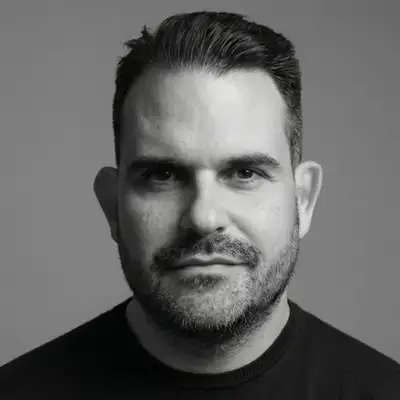
In this episode, Chris Maffeo spoke to Brad Crompton, Director at Spirits of Bermondsey (Trinity 25) In the hunting part of their chat, they discussed the importance of building demand before capturing it. How, by talking about the broader category, a brand can establish its relevance and make the pie bigger for others, by launching a magazine covering both alcohol-free and fully alcoholic drinks. Brad explained how they've trademarked the "session spirit" category and shifted their focus to finding bars that understand and support their vision. Instead of competing with established brands for shelf space, they aim to create a new shelf altogether where their product can thrive in its own right. We hope you enjoy the conversation. Share it with friends, click follow and rate it if you liked it. About the Host: Chris Maffeo About the Guest: Brad CromptonI'm Chris Maffeiro, a drinks industry adviser and founder of Maffeiro Drinks, host of the Maffeiro Drinks Podcast. In this episode, I had the pleasure to interview Brad Crompton, who's a director at Spirits of Bermondsey, the company behind Trinity 25, which is a botanical session spirit that has 25% EBV as the name suggests, and it's aimed at gene lovers and people that are looking for a more moderate drinking and for an alternative to gin. Brad and I met, a couple of months ago on LinkedIn. He reached out to me asking me to be a guest writer and write an article about building from the bottom up in, into his magazine, which is called Session Magazine. And I thought it was really, really smart the way they create demand before going into capturing demand because they created this magazine that is not only talking about their brand, but it's talking about their overall category.
Chris Maffeo:So instead of doing this me me me kind of approach, really take a stand for the category on the overall no and low alcoholic beverages. They give a voice also to their competitors, which is really smart and very generous. And and they basically talk about the category and they teach people and consumers about the category, whether they are consumers or or customers and bartenders, bar owners and industry people. The other thing that is very interesting for me is that they are really crystal clear into the category, which is something I always talk about, like build your own category. They focus very much on a clear occasion, which is session spirits, and they are so, you know, clear about it that they even trademarked that name session spirits, which is a very big commitment into your messaging if you are even trademarking it.
Chris Maffeo:So this is a very interesting conversation. I hope you enjoy it. It will be in two sessions, one focusing on the hunting part and the other one focusing on the farming part. So let's dive in and join me. Welcome to the Mafur Drinks podcast.
Chris Maffeo:So today we have Brent Crompton here. Hi, Brent. How are you doing?
Brad Crompton:I'm very good. Thank you. How are doing, Chris?
Chris Maffeo:Good. So where are calling from?
Brad Crompton:I'm based in London. I was gonna say sunny, old London, but it's never sunny here. It's quite overcast.
Chris Maffeo:Yeah. But I see some light into the That's fake.
Brad Crompton:That's my internal lights. Fantastic.
Chris Maffeo:So let's dive into some of the questions that I've prepared for you. So as you know, in this episode, we will talk, we will focus about the hunting side of things. And then in the next one, we'll talk about the farming side of things. How, in the first one, we'll talk about how do we go from, know, how do we sell the first bottle to bars? And then we'll go into how we sell, you know, from one bottle, how do we go to one case?
Brad Crompton:So
Chris Maffeo:tell me and tell us about your brand, your product and how you are working with it. So before you dive in, how do you create demand for your brand?
Brad Crompton:It's a really good question. Because it does feel like we are actually hunting. It's a really accurate phrase to use. It does feel like a hunt. No, so I think we try to be quite creative in how we go about sort of hunting new brands and growing demand for our brand.
Brad Crompton:Because I feel like our product being what it is a session spirit, it does fall in between the gap between two very popular areas of the industry. So alcohol free and and full strength. And it's very clear that the the growing demand of the industry seems to be focusing on those two areas. And we sit right in the middle, which means well, it's good and bad, really. So the the bad thing could be that with no sort of with no current audiences focusing on that area, it's very hard to grow demand.
Brad Crompton:And that's one way to look at it. You know, if no one's there, who do you show it to? But the good thing is it means we've been able to actually start to create our own demand and our own sort of sector and our own category within that space. So of the main things we've been doing is we've created what I believe to be the first magazine which, balances alcohol free and fully, for full alcohol. And we've been reaching out and working with different specialists in the industry, different brands who are sort of making moves on either side of the fence, which we seem to sit on.
Brad Crompton:And we've just been promoting and shouting about and learning more about the industry that way. And because we sit at the center of that magazine, it's been a really great way for us to grow demand for what we do, but also by using experts in the industry to kind of to really highlight what we're doing is the right thing, which is being quite powerful, really. So that is one way we try to grow demand.
Chris Maffeo:How did you manage to bring in all your, let's call it competitors in or let's say, you know, ecosystem around that magazine that you have created create demand?
Brad Crompton:How we've managed to get our competitors involved is we've taken the people approach that people buy from people. And and we thought if we could come combine, working with our competitors and shouting about the good things that they're doing, because, you know, most of them are, you know, much further ahead than we are in the industry. So not only are they going to be able to share experience which people in the industry can can use, but so can we. And so we can we can learn from that. And we try and build a community focus, a very kind of, you know, we're all in this magazine together.
Brad Crompton:We're all trying to grow in this space together. I found it to be a very collaborative approach with the magazine, but also in the in the industry too. And any any brand within a growing sector, the better that they do, the wider they open the door for brands alongside them. So our approach has been, look, we're all growing in this together. Allow us to do the hard work and create this magazine which showcases all the good work that we're doing, allows us to promote your product.
Brad Crompton:And as a result, you know, we're gonna create content which you want to share, and we're gonna create content that people want to read. So by all the the brands and collaborators and guest authors, you included, who would then, you know, see value in what we've done to their story and want to share that, that helps our reach as well. So it's a very collaborative approach.
Chris Maffeo:Nice. Like that. And I mean, like when you contacted me like some time ago when you're going on and thanks for having me as a guest writer.
Brad Crompton:No, thank you.
Chris Maffeo:It was very interesting for me because it's, it's one of the few examples, to be honest, of what I, what I talk about in terms of building demand before capturing demand, because I feel a lot of people, lot of brands and brand owners are going directly into the capturing demand kind of mode on really going into the bars and explaining the product, the features, but talking me, me, me kind of thing without having, you know, like explaining what their category is and why do that bar needs that category. So what's the needs you're trying solve and to support? And I really felt like, wow, like this thing is like sounds like, you know, Brad hasn't, you know, still hasn't mentioned the brand name, he hasn't mentioned the category, a specific category of, let's say, what we know of a category. So gin, whiskey, agave spirits and so on. And I love the terminology like session spirits.
Chris Maffeo:That's why know, when you said it, I said like, wow, this is really like a category. If we go into like a step forward into the bar, you know, when you approach bars and, you know, understanding where you want to play, How do you see that, you know, those bars reacting to that session spirit kind of proposition?
Brad Crompton:Yeah, it's really interesting because some really go for it and buy into it straight away. And others need a bit more swaying. And I found the difference between the two comes down to one factor, and that factor is how they bought into the alcohol free market already. So, you know, so our my main my kind of main introduction can't even talk. My main introduction to a new bar is I use stats, which the alcohol free industry are promoting, but I twist it slightly.
Brad Crompton:So, in The UK, there was a really big, article recently. I think it might have been in the Times or the Telegraph about a few months ago, which came out and said that, in a recent survey, 54% of The UK are looking to moderate or reduce their alcohol intake. Now if you're an alcohol free brand, you know, you have kind of money signs rolling in your eyes when when you see that. Right? Because they'll take that and they'll share that and it's, you know, our it's working.
Brad Crompton:We're doing the right thing. We're pushing the the the the door in the right direction. Now I take that and say, great. It makes sense that people want to reduce their alcohol, but I can't see anywhere in the sentence where it says they want to remove alcohol. They just want to reduce it.
Brad Crompton:And, right now in the industry, you have two options if you want to moderate your alcohol intake. The first one, if you go to a bar and you have to either buy an alcoholic drink and then an alcohol free drink and alternate that way Mhmm. In order for you to moderate your your alcohol across a certain time period. Now don't get me wrong. There's lots of great alcohol free products.
Brad Crompton:Alcohol free beer is, I think, a great product. But when it comes to spirits, I think there's a slight blocker in the fact that you're paying the same price. I I understand why because the process is still the same. But I think most people aren't ready to spend £10 on a gin and tonic and then £10 on an alcohol free gin and tonic Yeah. And keep doing that throughout throughout the evening.
Brad Crompton:The other option is if you just drink less. You just consume less drinks over that time period. Again, on a social occasion, you know, if you're nursing one or two drinks across the hour with a spirit, it's gonna melt. It's gonna go a bit a bit kind of flat. It's it's not gonna be the best experience.
Brad Crompton:You can't get involved in rounds with your friends. It just means that it's, yeah, not ideal. So so I go into bars and say, look, 54% of people don't wanna wanna drink less, but the two options they have currently aren't ideal. What if I can give you an outcome which allows them to drink twice as many drinks before they get drunk? Because moderation is them saying I want to get less drunk.
Brad Crompton:So I decided to the bar, look. I can offer you a solution which allows you to sell twice as many drinks for people who are bottom up want want to moderate than you would do if they were, you know, just drinking less or not wanting to alternate. So that's my main my main things. I use I use stats which the alcohol free industry have already pushed for me. And then I just say, look, are you selling many?
Brad Crompton:Is it working? So above that, I guess, to my earlier point, a bar manager can say, look, we love alcohol free drinks. It's working really well. You know, we're very happy with that. Or we've already got them purchased, you know, 20 alcohol free products.
Brad Crompton:You know, I wanna I wanna sell those first or, you know, that day going quite well. I don't wanna sort of overpower my bar with very, very low alcohol products because, obviously, shelves are only so big. But others just say, you know, we we we have no interest in that at all. And some bars don't really don't buy into alcohol free. So it's fun to find that balance really trying to find who buys into it, who doesn't, is it working for them?
Brad Crompton:Is it not? And we just adjust our conversation.
Chris Maffeo:And do they do they try? Like what's interesting for me, Lisa, like it, I mean, it's very clever what you do on, you know, making a twist on an existing category because I mean, like the no trend as know, has been quite developed, mean, especially in The UK, because I think, I think mainly like The UK and some other markets, probably The US, but you know, in some other European markets is still behind. Mean, here in Prague, no options are very, very low low options. I really like that. But how do they let's say it's clear to you, like from their perspective, so to say, from the bar owner perspective, like, do they try to kind of like cluster you in gin or, you know, like, they try to divert that conversation into I've already got like 10 gin brands, I don't need your, you know, they try to basically like, you know, not listen and say, and bring the conversation towards their understanding of the category?
Brad Crompton:Yeah, definitely. And they used to before we, or before I spoke to you, really, Chris, and and before we had a really good chat, didn't we? We we talked about, I guess, this this point exactly, you know. If I go to a bar and because we're a gin base, I say that we're we're we're a gin alternative or we're gin based and they go, great. I've already got 10 gins.
Brad Crompton:And you very rightly said to me, well, it's not just the selling of my product. It's also the removal of a different product to make room for me, which makes it a double sell. I need to sell my product and prove that it's better than a product they've already bought from somewhere else, which is pretty very difficult. So, yes, they used to do that and they used to even say, look, we have 10 gins. We probably sell a lot of two of them and the rest kinda sit there if they have a preference or they want a premium version.
Brad Crompton:Where am I gonna fit yours in? I've not even heard of it. Whereas now, since we've we've trademarked the session spirit category, we have changed our our attack really to try to find find the bars which understand what we do and buy into what we do. And rather than trying to remove other other brands to fit ours in, we're looking to build a new shelf for us to sit on and start our own category and start to write make our own room because you're right. You know, we I wouldn't say we compete with, you know, other gin brands.
Brad Crompton:I was gonna name drop them, but, you know, any gin brands, I wouldn't say we compete with them because, you know, we're not even officially a gin, but allowed to say that we're a gin unless we're 37.5%. Mhmm. You know? But I wouldn't say we compete with the no with the no alcohol space because we have alcohol. So it really is about trying to educate and identify the right target audience and the right bars, and that's something that we're learning about every day.
Brad Crompton:We identify new areas, new avenues, new ways of working, new potential buyers, you know. So for example, the corporate world is is big for us, you know. I never thought this would be the case, but football stadiums, certain areas of football stadiums, who want to offer a drink without people getting too drunk, you know. Theatres are really big. Any kind of experience led bar or theme.
Brad Crompton:So as well well, of course, as, you know, as any other normal bar who want to cater to those people.
Chris Maffeo:Okay, and that's very interesting. For reminding me that conversation we had. Didn't remember we went so much into the details. It's great that you made the most of it. And, and it sounds like from what I'm hearing that, you know, when, when you're targeting the typologies of accounts, I mean, did, you did your homework on understanding where you wanted to sell, but then like something also came out as an outlier and then you just like popped up and said, oh, wow, I never thought about this would sell.
Chris Maffeo:So, you know, it feels like this is something that I encounter a lot when I'm when I'm working that you let the analysis of your data like tell you basically like, okay, this is, this is really interesting. And I would have never thought about it. Like so the user and the target consumer are actually different. Or let's say, there is another user that I never thought would use the product. Yeah.
Chris Maffeo:And it sounds very interesting. How, what's the role in this one? What's the role of the, let's say your distribution partner? Don't know if you're selling direct or, you know, through wholesalers and, you know, do you go, you know, let's say, do you go the regular routes kind of thing or did you select specific, for example, wholesalers that are catering towards the no and low space?
Brad Crompton:Yeah. It's a good question. Not we we found the distribution route a bit difficult than I think most brands would because if we were no and low look, you know, because I know the product we have is is very good. It's very premium. It's award winning.
Brad Crompton:So I know that if we went to a a wholesaler or distributor which focuses on no and low, we'd be able to go in there and say, look, we're a no and low product. We fit into a category, you know, let let's give it a go. Like, you know, likewise, if we were gin, You know, we've had some wholesalers who who say we we won't be able to put you on our books because you're not a gin. Others who say, yeah. Great.
Brad Crompton:We think that we think that's great. We it it's gin based, so we will put you in the gin category and we'll sell you. Others will stick us behind, you know, other liquor, which is difficult for us because we don't get the visibility that we that we would do if we were just a a wholesale category like gin, vodka, rum. A lot of it we do ourselves. We assigned up to certain wholesalers who will distribute for us and invoice for us, etcetera, but only if we organize the sale.
Brad Crompton:But most of what we do is independent, and that is probably the biggest blocker for us right now. It's we're working with independent venues who have the ability to buy independently. Whenever we get a brand or or a chain more so, you say that we only we only buy from this particular wholesaler, you know, then we enter that whole cash 22, you know, where it's we go to a wholesaler and they say, look, this brand went up once to what stockers, and they go, great. Can you bring me 30 more? And then I'll consider it.
Brad Crompton:And then you go to 30 bars and they go, yeah. We'll buy you if you're on there. And they have no interest into really pushing it. So we're kind of at that stage in regards to wholesalers and distributors right now. We have a couple of really exciting opportunities, which I'm not allowed to talk about just yet, which which I'd love to.
Chris Maffeo:I don't want you to mention them.
Brad Crompton:Yeah. Well, I'd I'd love I'll I'll let you know once once it goes live. That's fine. Yeah. That's fine.
Brad Crompton:Yeah. I'll text you, which, which which would be great. But, yeah. No. Right now, it's very difficult because not only are we trying to educate the bar managers let's say educate.
Brad Crompton:That that sounds quite condescending. Not educating the bar managers because they know much more than we do about the, you know, the about the industry and and mixology, but more around what we are and where we fit. And we're we're having to do the same with distributors as well.
Chris Maffeo:And Brad, like tell me about what I call like a city strategy. So when you launched the brand, did you focus on one city? Or did you go national right away in UK?
Brad Crompton:Yeah, so when we launched originally because we're called Spirit of Bermondsey and we're based within the Bermondsey area and our product is inspired by the old spice warehouses in Bermondsey which is the center of the gin craze when it first started. We've always been focused around London and and the areas around London. What we are planning to do in the near future is creating a bar manager tour where we're kind of reaching out to different bar managers in different cities. And we're saying to them, look, we're gonna be in your city for a very short window, talking to as many bot managers as possible, educating you on this new product, showcasing this exciting new product. Do you want to be involved?
Brad Crompton:And hopefully, we get loads saying yes. We've already started to build this list up. So eventually, we'll be kinda doing a little tour around The UK, if you will, focusing on bar managers and showing them what we're all about.
Chris Maffeo:Nice. Now, this is very interesting because I mean, I'm a big advocate on, you know, always, let's say securing your home turf kind of thing and then venturing elsewhere. And this goes in line with the one bottle in one case in one bar better than six bottles in six bars. You know, you can, you can change that and make it cities or countries, you know, like I see a lot of brands advertising on their website or in their brochure that, you know, we are sold
Brad Crompton:in
Chris Maffeo:XYZ countries and, you know, like cities. But then I always wonder, like, know, the majority of your sales would anyway come from that one city or that one country anyway. So I really like what you're doing in terms of like focusing on London. I mean, of course, Bermondsey being, you know, on the femmes and, you know, the epicentre of London, like it makes very, very well sense. But was it really, let's say, thought through in, you know, what drove that strategy?
Chris Maffeo:Because the challenge with a lot of, you know, brand owners and listeners is like they want to grow faster. So they get the allure of going like, why don't I sell also to Manchester and, you know, Bristol and Birmingham Leeds and let's expand as soon as possible because I've got a bar there like in two, three bars in Manchester that are interested and two bars in
Brad Crompton:So Birmingham that are
Chris Maffeo:what, you know, let's say what drove that decision and how did you kept, how did you keep the, you know, the diligence of not going kinda like left and right?
Brad Crompton:Yeah. I think it's more about managing the the the stockists really. You know, if if we have if we have 20 bars in London first who are repeat buyers, then we know we have the income coming in from those bars. We know we have the awareness coming in from those bars, which means we build a foundation or a platform to then propel off. If we had, you know, three bars in London, two in Bristol, one in Manchester, it's will become a nightmare to try and manage those bars if they're your kind of your main platform of income because you're gonna have to travel to these bars, torture these bars regularly all all around The UK, which is expensive.
Brad Crompton:It's gonna be quite hard to do. But if you can build a good platform where you're based, then it allows you to branch out to these different areas with with ease knowing that you won't have to to stretch yourself or spread yourself quite thinly across The UK, which I think is a good advice for most most brands and products. Why we chose Bermondsey is because our the co founder is counselor in the Bermondsey area. So he's very, very tied with helping people in Bermondsey. So that's also why it was chosen to launch there.
Chris Maffeo:Nice. And would you have changed like a bit of a cheeky question? Like would you have changed your strategy if you were from a small town in the middle of some Sambora, yeah. Sambora or some, you know, like some village in the middle of nowhere.
Brad Crompton:Yeah, definitely. I think brand story is a big part of why people will buy into you, whether it's distributors, bars, customers, or consumers. So I think having a good brand story is is really important. What that brand story is, I'll let people decide. But I think, you know, our brand story is tied to a certain location.
Brad Crompton:So for us, it was easy to say we gotta start here, and we're gonna build from here. This is our our hub. If you're from a small town in the middle of nowhere, I wouldn't say that location needs to be your your brand story. It could be something else. But I would always start somewhere which you could access quite quickly and quite easily.
Brad Crompton:Because the last thing you you wanna do is, you know, if you're based in the North Of Scotland and you think, well, London is where it's the biggest capital. I'm gonna make London my my main epicenter. Yeah. You know, you're gonna have to travel down from the North Of Scotland to London every time you wanna go hitting the streets and meeting bars and Yeah. You know, and it's gonna be expensive.
Brad Crompton:It's gonna be hard if you focus on the a town or city near where you're from and you can sell it on the the local partnerships and supporting local, you're gonna find you can build that platform much quicker much quicker and much much cheaper as well. So it will kind of was a guarantee, it certainly makes it it increases your chance of success if you're able to actually, you know, be there a lot, be in that area a lot.
Chris Maffeo:And this is very interesting because the let's say this is also what I what I always advise. But there is also like another another point on this thing, which is which is also like you need to be relevant in your own turf because otherwise, you know, imagine like if people like started saying like, okay, like we are from Bermondsey and, you know, like nobody knows you around Bermondsey, then it would be an issue. So like in that is the challenge that all the small town have that small town brands have. So and I would say with this point, like, park it here. Like, you know, let's stop the hunting part.
Brad Crompton:Okay, Thanks
Chris Maffeo:a lot for being here and we'll see each other shortly in the farming part and we will discuss on how do we go from one case to one from one bottle to one case. Sorry, I was I was going too fast. Let's let's do that. So thanks a lot for for being here, Brad.
Brad Crompton:Cheers, Chris. Yeah, pleasure.
Chris Maffeo:That's all for today. So thank you for joining me on the Maffeiro Drinks podcast. I hope you have gained valuable insights in these episodes. If you have enjoyed the content, please review it and share it with friends and colleagues. I would really appreciate it.
Chris Maffeo:Don't forget to subscribe and follow the Mafir Drinks podcast on Spotify, Apple Podcasts or your favorite podcast platform. By doing so, you'll never miss an episode and you'll stay up to date with the latest interviews, stories and strategies shared by industry experts. I truly appreciate your feedback and suggestions. So feel free to reach out to me on social media at mafjordrinks or through our website mafjordrinks.com to share your thoughts, guest recommendations or topics you'd like to explore in future episodes. Until next time.
Chris Maffeo:Cheers from the Maffeiro Drinks podcast. And remember that brands are built bottom up.
Creators and Guests